


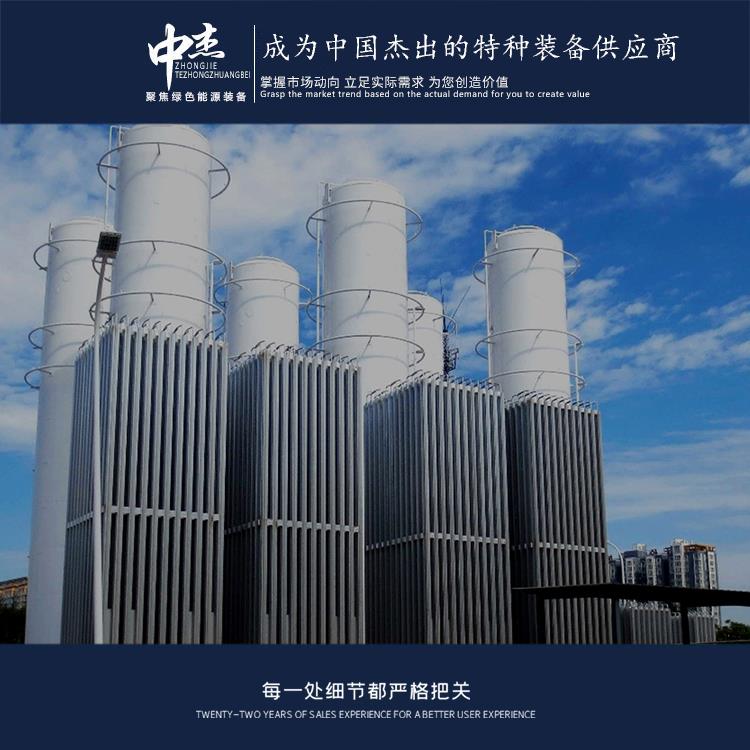

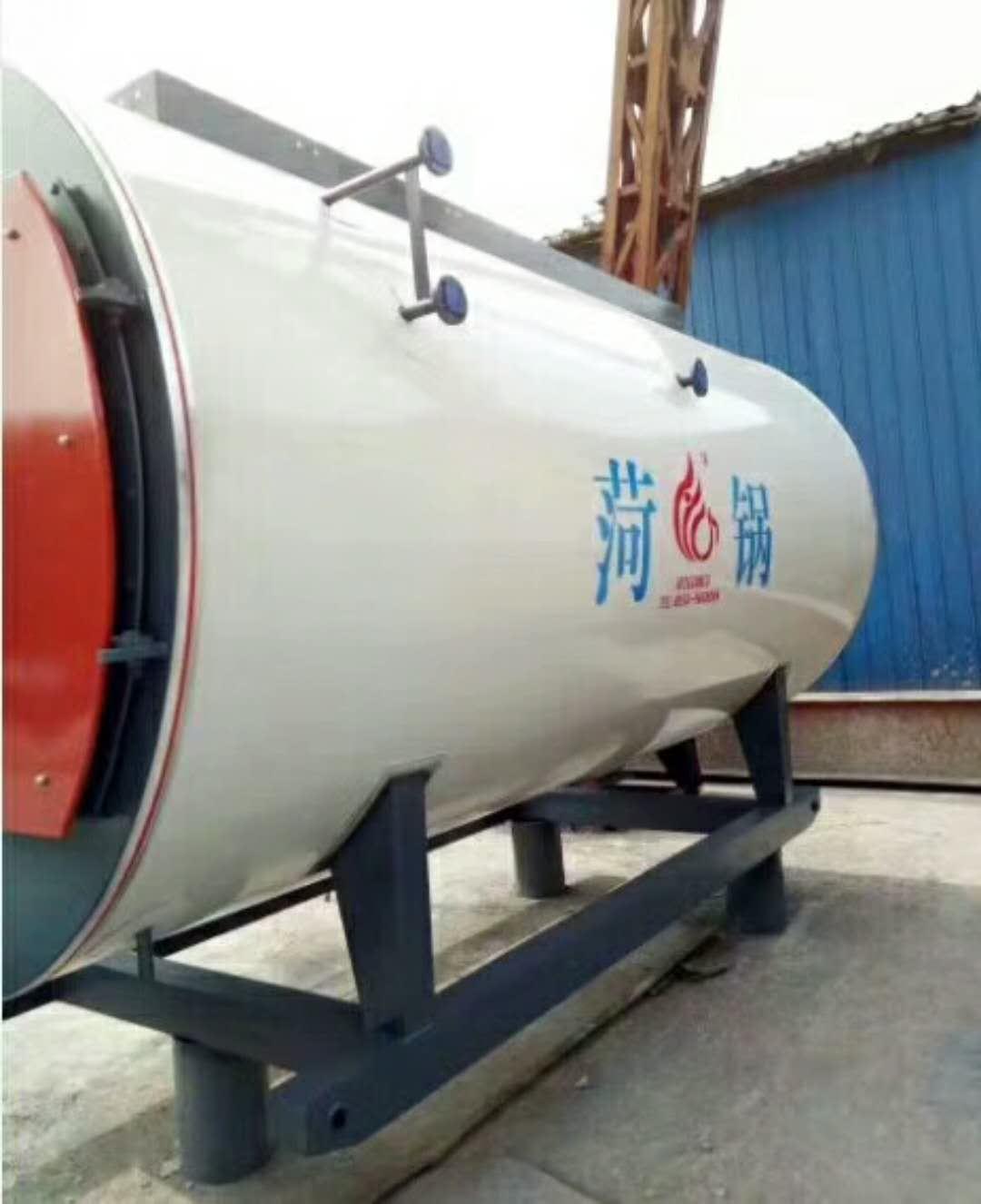


















Shandong Zhongjie Special Equipment (formerly Heze Boiler Factory Co., Ltd.) holds an A-grade boiler manufacturing license, an A2-grade pressure vessel manufacturing license, an A2-grade pressure vessel design license, a B-grade boiler installation license, and GB2/Class and GC2/Class pressure pipeline installation licenses, as well as an electromechanical installation contracting qualification. It is a member of the China Boiler and Water Treatment Association, the China Chemical Equipment Association, and a council member of the Shandong Equipment Manufacturing Association. The company has also passed certifications for the ISO9001 Quality Management System, ISO14001 Environmental Management System, OHSAS18001 Occupational Health and Safety Management System, and the U.S. ASME/U2 certification.
When storing CO2 tanks, the following requirements must be followed to ensure safety and effectiveness:
Ventilation: Tanks should be stored in well-ventilated areas to avoid the accumulation of CO2 gas. Ensure there is adequate air circulation around the tanks to prevent gas buildup and asphyxiation risks.
Fire and Explosion Prevention: Keep tanks away from ignition sources, high-temperature areas, and flammable materials. Avoid open flame activities near tanks to prevent fire and explosion risks.
Sunlight Protection: Store tanks in areas shielded from direct sunlight to prevent overheating and pressure increase. Direct sunlight can raise tank temperatures, increasing the risk of leaks and explosions.
Mechanical Damage Prevention: Keep tanks away from machinery and heavy objects to avoid collisions and damage. Mechanical damage can lead to tank leaks or破裂, causing safety incidents.
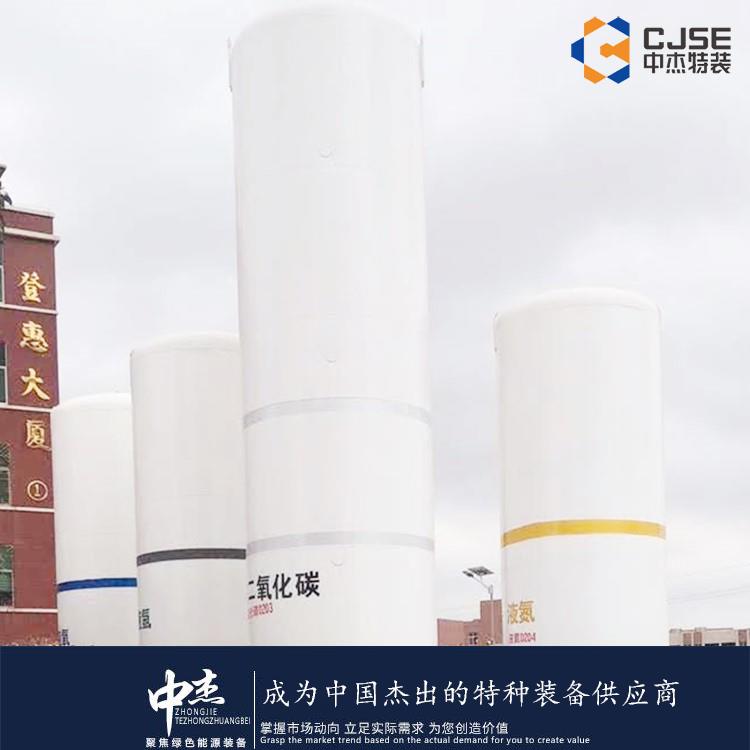
Labeling and Warning Signs: Clearly label tanks with the type of gas stored and pressure information. Set up warning signs around the tanks to alert personnel to their presence and related safety precautions.
Regular Inspections: Conduct regular inspections of the tank's exterior, valves, fittings, etc., to ensure they are undamaged. Take prompt repair actions if any abnormalities are detected.
Storage Capacity Control: Control the storage capacity of the tanks to prevent exceeding the rated capacity. Overfilling can lead to excessive tank pressure and increased safety risks.
Storage Records: Keep records of the tank's usage, including filling dates, quantities, and inspection records. Regularly inspect and maintain the tanks, and retain relevant records.
Note that specific storage requirements may vary depending on tank types and applications. When storing CO2 tanks, operate according to relevant regulations and standards, and consult with experts to ensure safety and effectiveness.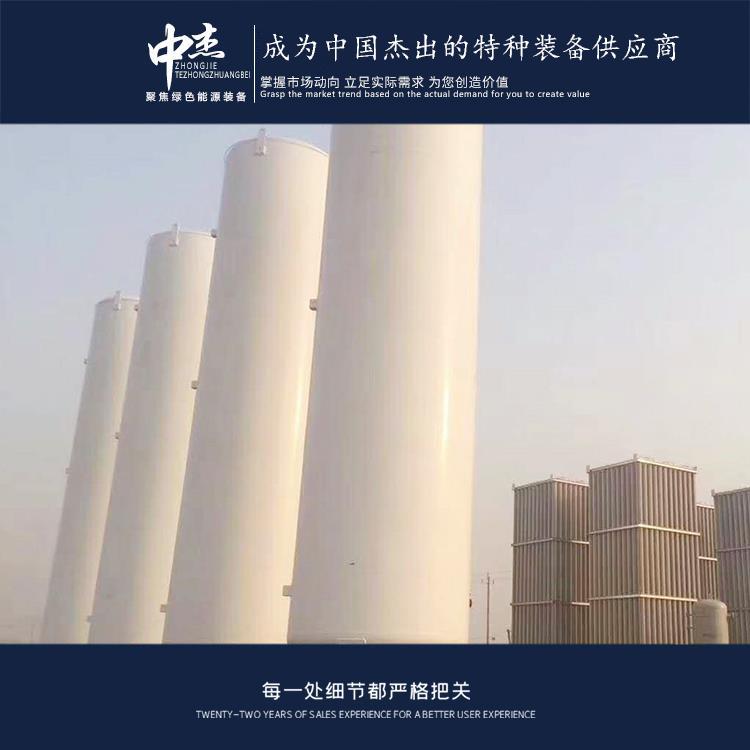
Pressure Vessel Standards: Liquid carbon dioxide storage tanks are generally considered pressure vessels, and their design, manufacturing, and use should comply with the relevant pressure vessel standards. In China, common pressure vessel standards include GB150 "Steel Pressure Vessels" and GB18435 "Storage Tanks." Safety Standards: The use of liquid carbon dioxide storage tanks should adhere to relevant safety standards and regulations. For instance, in China, the safe operation of liquid carbon dioxide storage tanks should follow standards such as GB50028 "Design Code for Petroleum and Chemical Enterprises" and GB50016 "Building Design Fire Prevention Code." Inspection and Testing Standards: The inspection and testing of liquid carbon dioxide storage tanks should comply with the applicable standards and regulations. For example, regular inspections of liquid carbon dioxide storage tanks can refer to standards like GB/T 19638 "Code for Periodic Inspection of Pressure Vessels." Environmental Protection Standards: The use of liquid carbon dioxide storage tanks should comply with relevant environmental protection standards and regulations. For instance, in China, the exhaust emissions from liquid carbon dioxide storage tanks should meet standards such as "Emission Standards for Air Pollutants."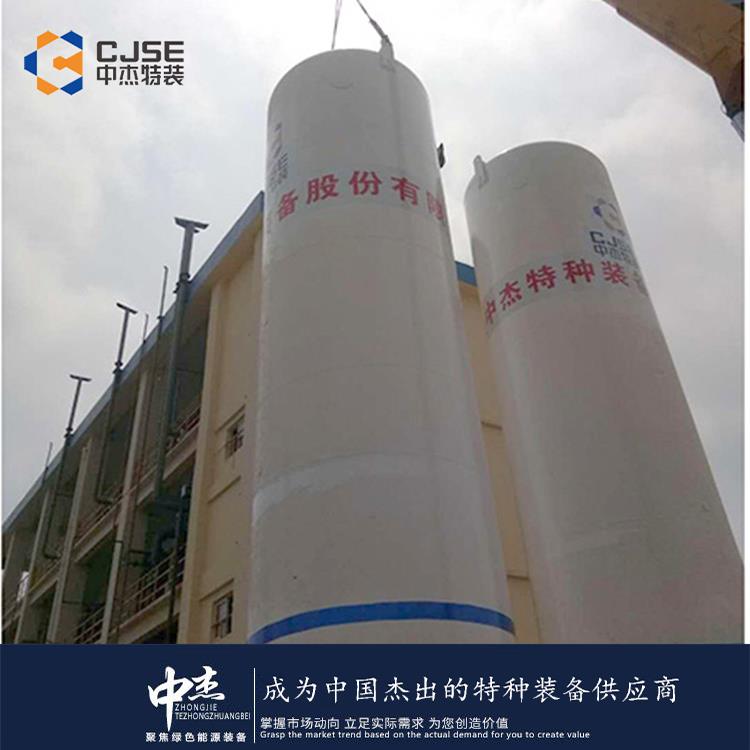
When spraying a carbon dioxide tank, attention should be given to the following issues: Surface Preparation: Prior to spraying, thorough surface preparation of the tank is essential. This involves cleaning the surface, removing oils, dirt, and old coatings to ensure adhesion and quality of the spray. Paint Selection: Choosing the right paint for the carbon dioxide tank is crucial. The paint should be corrosion-resistant, heat-resistant, and chemical-resistant to protect the tank surface from corrosion and damage. Spraying Technique: The selection and operation of the spraying technique are critical for the quality and uniformity of the coating. Appropriate spraying equipment and methods should be chosen to ensure even coverage of the entire tank surface and to avoid paint drips and runs. Coating Thickness: The thickness of the coating is vital for the protective effect of the tank. The thickness should be controlled according to the paint requirements and the tank's operating environment to ensure the protective performance and lifespan of the coating. Drying and Curing: After the coating is applied, sufficient time must be allowed for drying and curing. Follow the correct drying time and conditions as required by the paint to ensure the quality and performance of the coating. Safety Measures: Appropriate safety measures must be taken during the spraying process, including wearing protective eyewear, respirators, and protective clothing to ensure the safety of the operators. Quality Inspection: After spraying is complete, a quality inspection should be conducted, including the appearance, adhesion, and thickness of the coating. Any issues or defects should be repaired and addressed promptly. It should be noted that spraying carbon dioxide tanks should be performed by professionals.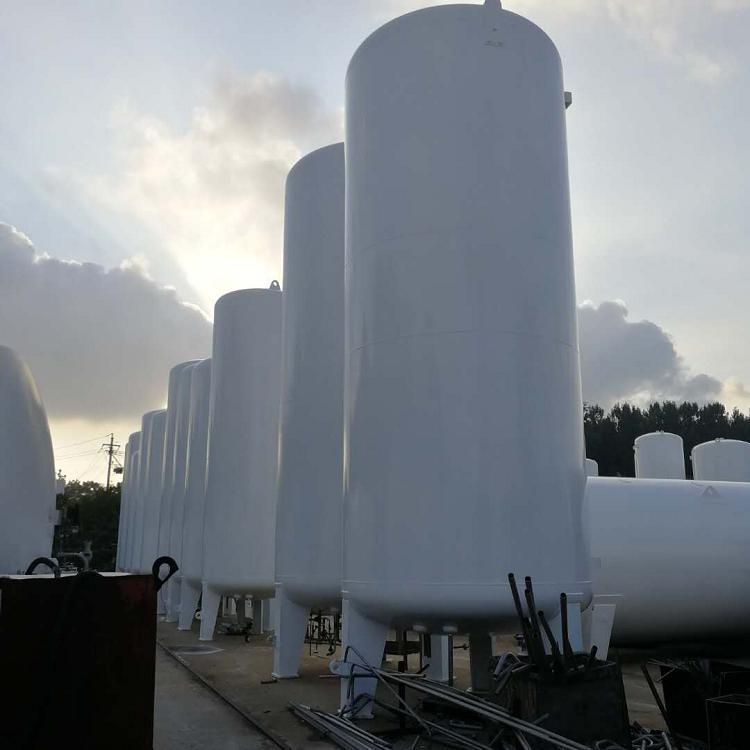
Carbon dioxide storage tanks are categorized into various types and structures based on their design and application, including:
- Vertical Tanks: Commonly used carbon dioxide storage tanks, shaped as cylinders and placed vertically. These typically have larger capacities for large-scale storage and supply.
- Horizontal Tanks: Another common type, shaped as rectangles or cylinders and placed horizontally. They are usually used for smaller-scale storage and supply, suitable for limited spaces.
- Spherical Tanks: A specialized type with a spherical shape, offering high strength and pressure-bearing capacity for high-pressure carbon dioxide storage and transportation.
- Vertical Tanks: Smaller capacity carbon dioxide storage tanks with a cylindrical shape and vertical placement. They are commonly used for small-scale storage and supply, such as commercial and residential use.
- Underground Tanks: A unique structure where the carbon dioxide tank is buried underground. These tanks save space, reduce visual impact, and offer enhanced safety and environmental protection.
These tanks are usually constructed from pressure-resistant materials (like carbon steel or stainless steel) with certain thermal insulation properties and accessories such as safety valves, pressure gauges, and level indicators. The interior often features baffles or partitions to separate different liquids or gases. Additionally, the tanks are equipped with safety systems like pressure maintenance systems, leak detection systems, and fire detection systems.
Chongjie Special Equipment upholds the great vision of "realizing employees' dreams, creating customer value, and striving for the prosperity and strength of our motherland," focusing solely on the development of green energy equipment, and dedicatedly contributes society with high-value products and services!
WeChat Official Account

Scan to follow Official Account



















