


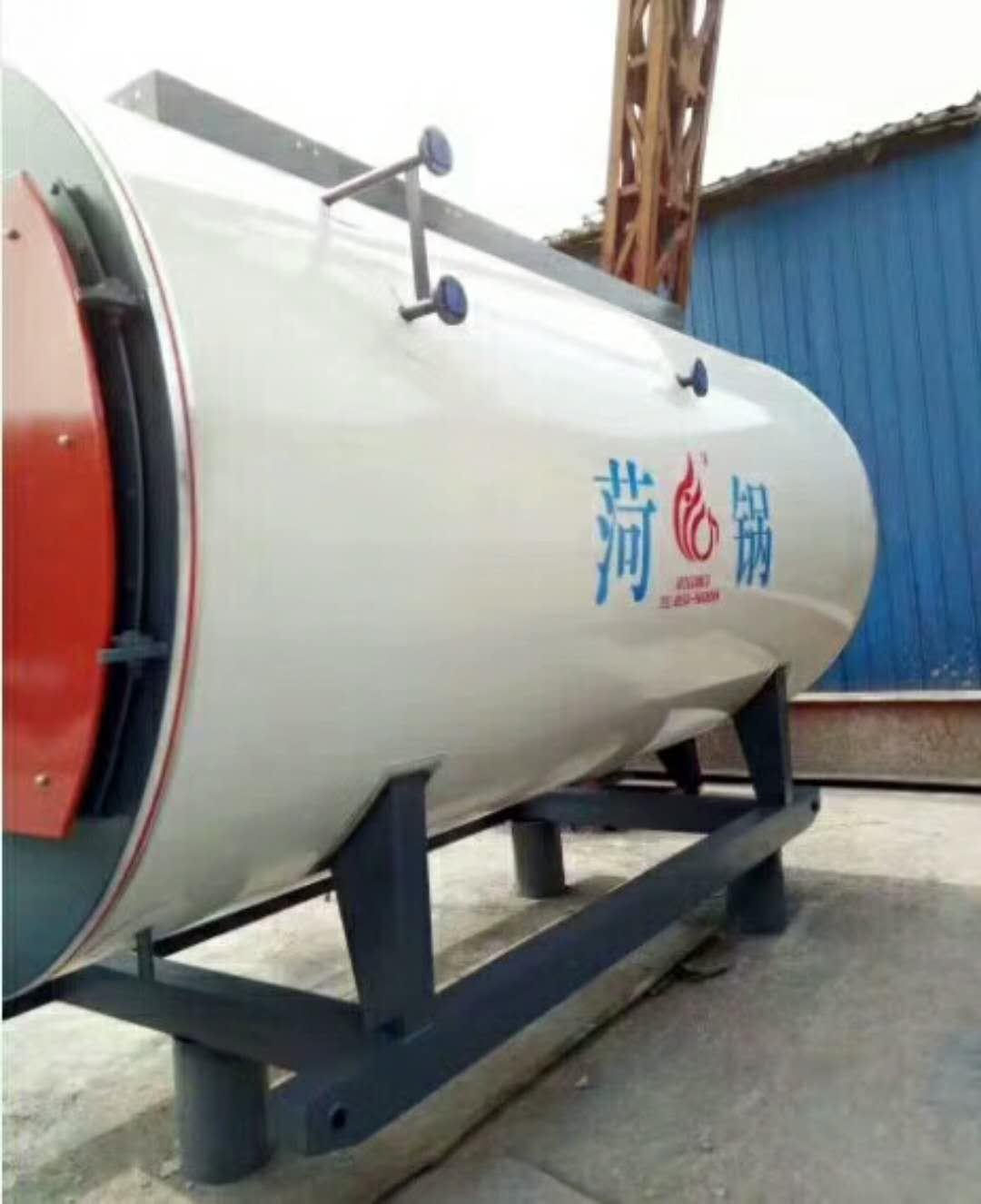

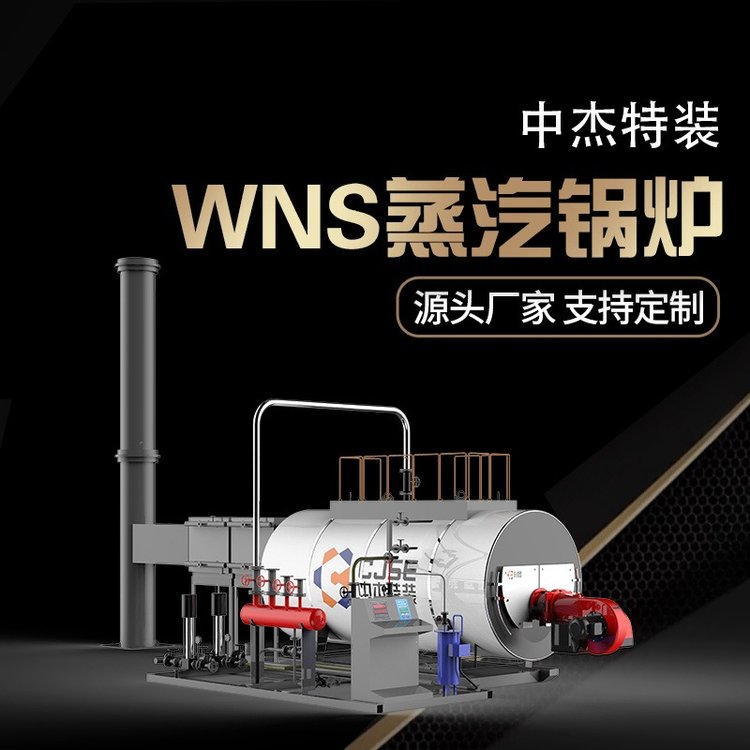
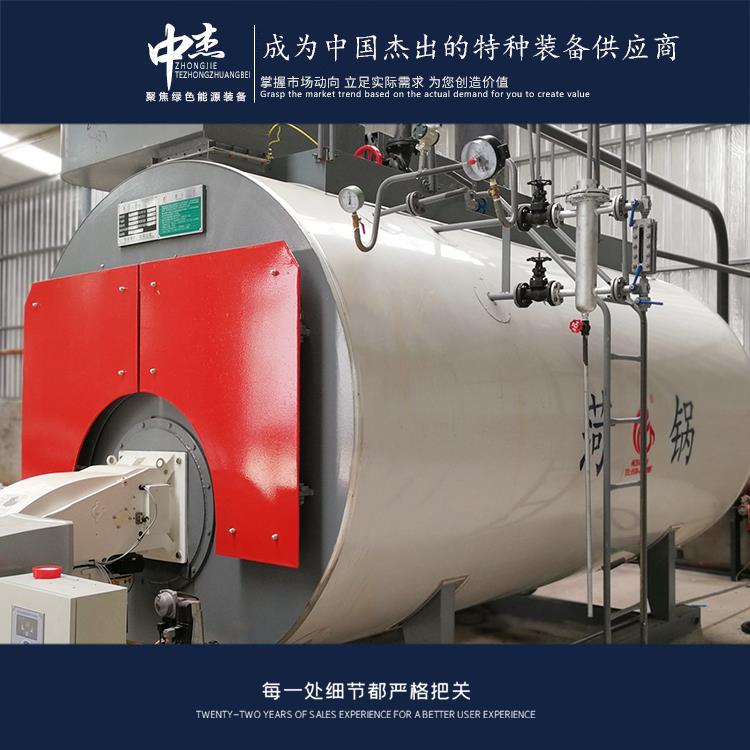


















Shandong Zhongjie Special Equipment Co., Ltd. (formerly Heze Boiler Factory Co., Ltd.) holds an A-grade boiler manufacturing license, an A2-grade pressure vessel manufacturing license, an A2-grade pressure vessel design license, a B-grade boiler installation license, and GB2/Class, GC2/Class pressure pipeline installation licenses, as well as a mechanical and electrical equipment installation contracting qualification. It is a member of the China Boiler and Water Treatment Association, the China Chemical Equipment Association, and the director unit of the Shandong Equipment Manufacturing Association. The company has also passed the ISO9001 Quality Management System, ISO14001 Environmental Management System, OHSAS18001 Occupational Health and Safety Management System certifications, and the American ASME/U2 certification.
When selecting a thermal oil furnace for the rubber industry, pay attention to the following aspects:
- Temperature Requirements: Determine the required working temperature range based on the process needs of the rubber industry. Ensure the thermal oil furnace can stably provide the necessary working temperature.
- Heat Load: Calculate the required heat load based on the production scale and process requirements of the rubber industry. Ensure the heat load of the thermal oil furnace meets the industry's needs.
- Thermal Efficiency: The thermal efficiency of the thermal oil furnace directly affects energy consumption and operating costs. Consider the thermal efficiency and choose energy-saving products.
- Safety: The safety of the thermal oil furnace is crucial. Choose a furnace with comprehensive safety protection devices and an automatic control system to ensure safe and reliable operation.
- Maintenance: Proper maintenance is vital for extending the lifespan and ensuring smooth operation of the thermal oil furnace. Consider the ease and cost of maintenance when selecting a furnace.
- Manufacturer Reputation: Choose a thermal oil furnace manufacturer with a good reputation and extensive experience to ensure product quality and reliable after-sales service.
- Cost-Effectiveness: Consider the price, energy consumption, and maintenance costs of the thermal oil furnace when selecting a product with good cost-effectiveness.
- Consultation: When purchasing a thermal oil furnace, it is recommended to consult with heating equipment suppliers or engineers, select based on specific needs, and adhere to relevant industry standards and regulations.
When installing a gas boiler system, the following points should be noted:
Safety: A gas boiler is a device that uses gas as fuel, so safety must be ensured during installation. Firstly, select an appropriate installation location, away from flammable materials and combustible gases, ensuring good ventilation. Secondly, install according to relevant safety regulations, including the connection of gas pipes and the installation of gas valves.
Pipe Connection: Gas boilers require connection to the gas pipeline to ensure a smooth gas supply. During the connection process, use suitable pipes and joints to ensure a secure connection and prevent gas leaks. Also, conduct a leak test to ensure there are no leaks.
Exhaust Duct: Gas boilers produce exhaust gases during combustion and require a proper exhaust duct. The exhaust duct must be kept clear to avoid the accumulation of exhaust gases indoors, which can pose safety hazards and air pollution.
Electrical Connection: Gas boilers typically require electricity, so electrical connections must be made during installation. Ensure the electrical connections are correct and secure to avoid circuit short-circuits or other electrical issues.
Water System: Gas boilers usually need to be connected to the water system, including water supply and drainage pipes. During the connection process, ensure the water pipes are securely connected to prevent leaks or unstable water pressure.
Commissioning and Testing: After installation, the gas boiler should be commissioned and tested. This includes ignition tests, combustion efficiency tests, and temperature control tests to ensure the boiler operates normally and is safe and reliable.
It is recommended to follow relevant installation specifications and requirements when installing a gas boiler system. If you do not possess the necessary technical knowledge, it is best to have a qualified installer perform the operation to ensure a safe and reliable installation process.
Before starting the heating gas hot water boiler, the following correct procedures must be followed:
- Check the gas supply system: Ensure the gas supply system is operating properly, inspect gas pipes, valves, and pressure regulators, ensuring there are no leaks or blockages in the gas supply.
- Check the water system: Inspect the water circulation system of the heating system, including pumps, valves, and pipes, ensuring the waterway is clear with no leaks or blockages.
- Check the electrical system: Inspect the boiler's electrical system, including power connections, controllers, and sensors, ensuring electrical equipment is functioning correctly.
- Check the safety devices: Inspect the boiler's safety devices, including safety valves, pressure switches, and water level controllers, ensuring they are working properly to ensure safe boiler operation.
- Prepare for ignition: According to the boiler's operating instructions, prepare the tools and equipment needed for ignition, including an igniter and ignition electricity.
- Open the gas valve: Slowly open the gas valve to ensure a steady gas supply and avoid gas surges.
- Ignition start-up: Follow the boiler's operating instructions for ignition start-up. Perform the corresponding operations based on the boiler model and control system to ensure smooth ignition.
- Monitor operating status: After startup, closely monitor the boiler's operating status, including combustion, water level, and pressure, ensuring normal operation without any abnormalities.
- Adjust parameters: Adjust the boiler's parameters as needed, including temperature, pressure, and water level, to meet the heating system requirements.
- Regular maintenance: After startup, perform regular maintenance, including cleaning the burner, checking water level and pressure, and replacing worn parts, to ensure normal and safe boiler operation.
- It is recommended to refer to the boiler's operation manual and the manufacturer's guidance before starting the heating gas hot water boiler to ensure correct and safe operation. If necessary, seek assistance from personnel for operation and maintenance.
The reasons for uneven heat distribution in steam boilers may include the following aspects: Uneven combustion: During the combustion process, uneven mixing of fuel and air, or improper design and adjustment of the burner, can lead to uneven combustion. This results in some areas producing more heat while others produce less. Pipe blockage: In the steam boiler's transmission pipes, the presence of blockages or scale can cause uneven heat transfer. Blockages or scale impede steam flow, limiting heat transfer in some areas while allowing better heat transfer in others. Heat exchanger issues: If the heat exchangers in the steam boiler have problems such as scaling, corrosion, or blockage, they can cause uneven heat transfer. These issues affect the heat conduction efficiency of the heat exchangers, impacting heat transfer in certain areas. Water level problems: Inaccurate or unstable water level control in steam boilers can lead to uneven steam production. Both high and low water levels can affect steam generation and distribution, causing uneven heat distribution. Boiler load changes: Changes in the boiler load can also lead to uneven heat distribution. Sudden increases or decreases in load may prevent the boiler from adjusting heat production and distribution in time, resulting in uneven heat distribution. To address the issue of uneven heat distribution in steam boilers, regular inspection and maintenance of the boiler equipment are necessary to ensure the normal operation of combustion and heat exchange processes. Additionally, it's important to adjust burners and control systems reasonably, maintain stable water levels, clean pipes and heat exchangers, and improve...
Our company attaches great importance to technological innovation and R&D design. We have one municipal-level enterprise technology center in Heze City, equipped with testing facilities for non-destructive testing, physical and chemical testing, welding testing, hydrostatic testing, etc. We have over 600 types of equipment, including CNC machine tools, X-ray flaw detectors, digital ultrasonic flaw detectors, mechanical property testing machines, chemical analyzers, spectrometers, tensile testing machines, plasma welding machines, and more. The key products and technologies we have developed, such as temperature and pressure vessel welding, biomass boiler emission reduction, and waste heat utilization, have successively been selected for multiple Shandong Provincial Department of Industry and Information Technology science and technology innovation projects, Shandong Provincial key projects, and Heze City innovation and excellence projects. We have accumulated 27 authorized utility models, 16 authorized inventions, participated in drafting 2 standards, 2 industry standards, and registered 15 trademarks. The technical team of our company, in collaboration with Professor Yajiang Li of Shandong University, has developed deep cryogenic container processing technology using the international plasma arc + filler wire tungsten inert gas arc welding (PAW-GTAW) technology. The provincial-level scientific and technological achievement identification has confirmed that the technology level has reached an international standard in the field of deep cryogenic container manufacturing.
Choose ZJET Custom Solutions, let's create brilliance together!
WeChat Official Account

Scan to follow Official Account



















