


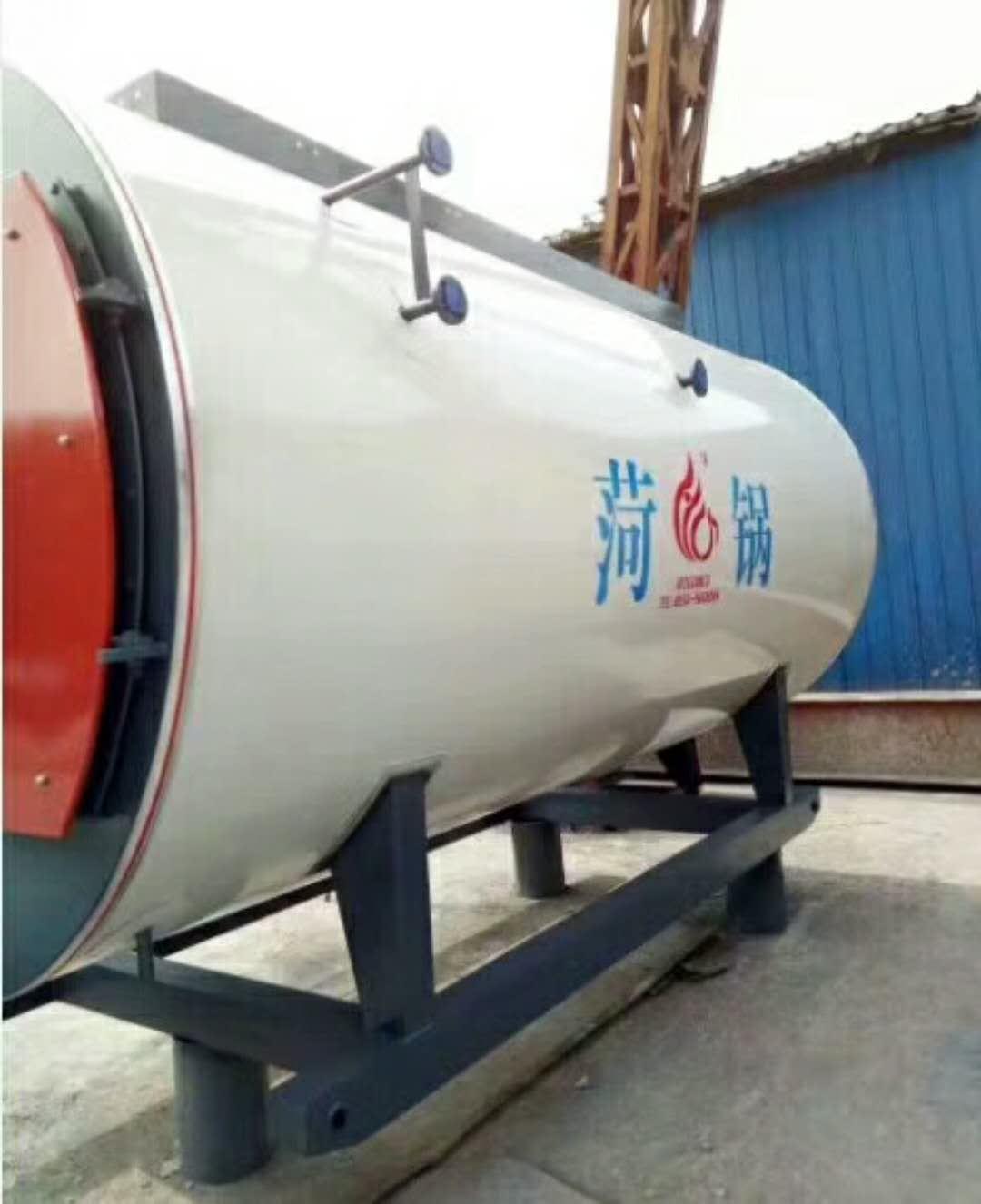

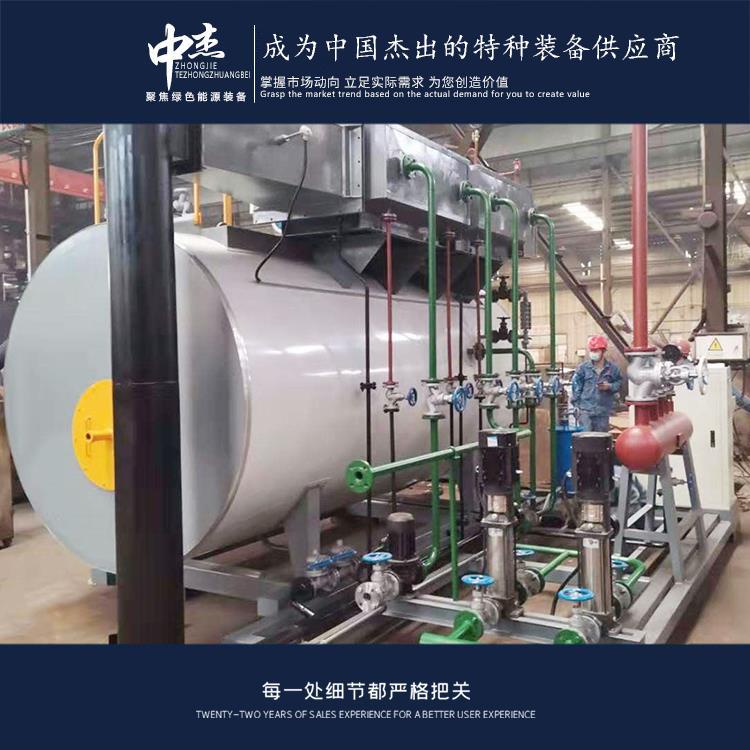
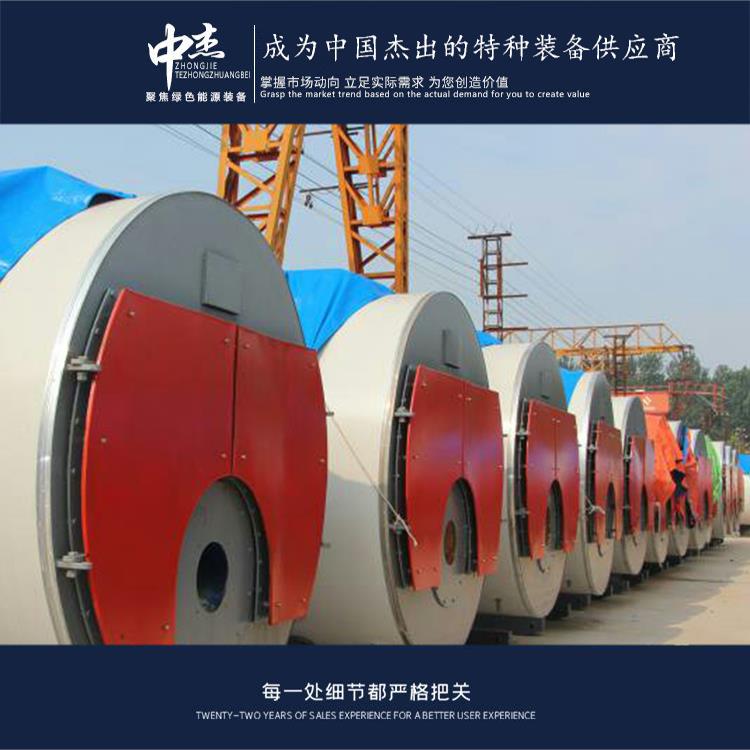


















Shandong Zhongjie Special Equipment (formerly Heze Boiler Factory Co., Ltd.) was established in 2001, located at No. 2218 Jinnan Road, Development Zone, Heze City. With a registered capital of 50 million yuan and total assets of 500 million yuan, the company has 7 business centers: boilers, deep-freezing containers, pressure vessels, central air conditioning, engineering installation, international trade, and Internet of Things. It has three factory sites on Jinnan Road, East Changjiang Road, and Bohai Road, covering a total of 200,000 square meters, with the main workshop spanning 83,000 square meters. It currently employs 710 staff, including 247 engineering and technical personnel and 82 intermediate-level technicians. In December 2016, it was recognized as a "High-Tech Enterprise" by the Science and Technology Department. In June 2021, it was identified as a "Specialized and New Enterprise in Shandong Province" by the Ministry of Industry and Information Technology. In June 2022, it was recognized as a "Gazelle Enterprise in Shandong Province" and in August 2022, it was identified as a "Specialized and New Small Giant Enterprise" by the Ministry of Industry and Information Technology.
The drain devices for steam boilers mainly include the following types: Drain valves: Drain valves are commonly installed on steam boilers to discharge wastewater and impurities from the boiler. Typically located at the bottom or side of the boiler, opening the drain valve allows the wastewater to be expelled from the boiler, maintaining internal cleanliness. Drain pumps: In cases of large steam boilers or when wastewater needs to be discharged over long distances, drain pumps may be used. Drain pumps can extract wastewater from the boiler and transport it through pipes to designated discharge points. Automatic drain devices: Some steam boilers may be equipped with automatic drain devices. These devices can automatically discharge wastewater from the boiler based on set time intervals or wastewater concentrations, enhancing the efficiency and accuracy of drainage. Wastewater treatment equipment: In certain special cases, steam boilers may require wastewater treatment equipment. These devices can treat the discharged wastewater, removing impurities and pollutants to meet environmental protection requirements. It is important to note that the selection and use of steam boiler drain devices should be determined according to the specific type, scale, and operating environment of the boiler. When using drain devices, relevant operational procedures and safety requirements should be followed to ensure the safety and effectiveness of the drainage process.
Industrial boilers, during long-term operation, can accumulate scale and sediments, affecting heat exchange efficiency and the normal operation of the boiler. Here are some effective descaling methods:
1. Mechanical Cleaning: Utilizes cleaning equipment and tools to wash away scale and sediments inside the boiler using high-pressure water or mechanical brushes. This method is suitable for lighter scale and sediment deposits.
2. Chemical Cleaning: Uses chemical cleaning agents to dissolve scale and sediments through chemical reactions. Choose the appropriate cleaning agent based on the composition and nature of the scale, and follow the instructions provided. Chemical cleaning requires safe operation to avoid damage to equipment and the environment.
3. Acid Cleaning: A commonly used descaling method for hard-to-dissolve scale and sediments. Common acid cleaning agents include various types, and the appropriate cleaning agent and concentration should be selected based on the specific situation. Acid cleaning requires safe operation to prevent harm to equipment and personnel.
4. Alkaline Cleaning: A descaling method for certain types of scale, suitable for alkaline scale. Common alkaline cleaning agents include various types, and the appropriate cleaning agent and concentration should be selected based on the specific situation. Alkaline cleaning requires safe operation to prevent harm to equipment and personnel.
5. Physical Descaling: Physical descaling methods include ultrasonic cleaning and electro-dissolution. Ultrasonic cleaning uses the vibration of ultrasound to shake and break the scale. Electro-dissolution uses the principle of electrolysis to dissolve scale through the action of electricity. These physical descaling methods are suitable for specific situations and special types of scale.
When choosing a descaling method, consider the specific conditions of the boiler.
Yes, thermal oil boilers typically come with some self-protection features to ensure safe operation and extend their service life. Here are some common self-protection functions: Overheat Protection: Thermal oil boilers are equipped with overheat protection devices that automatically shut off the burner's gas supply when the thermal oil temperature exceeds the set safe range, preventing overheating of the thermal oil and avoiding equipment damage and safety accidents. Overpressure Protection: Thermal oil boilers also have overpressure protection devices that automatically cut off the burner's gas supply when the thermal oil pressure exceeds the set safe range, preventing the thermal oil system from exploding or leaking. Burner Automatic Control: The burners of thermal oil boilers usually come with an automatic control system that can adjust the gas supply and combustion effect based on set operating parameters, maintaining a stable combustion state and avoiding incomplete or excessive combustion. Temperature Control and Adjustment: Thermal oil boilers are typically equipped with temperature control and adjustment devices that automatically regulate the circulation and heating of the thermal oil based on the set operating temperature, maintaining a stable working temperature and avoiding excessive or low temperatures. Water Level Protection: For some thermal oil boilers, especially water tube boilers, water level protection devices are also provided to monitor the water and thermal oil levels. When the water level is abnormal, the protection device automatically shuts off the burner's gas supply, preventing dry burning and thermal oil leakage. It is important to note that while thermal oil boilers have self-protection features, they still require regular inspections and maintenance to ensure the normal operation and reliability of these protection devices. Additionally, operators need to understand and master the working principles and operation methods of these self-protection functions to ensure safe operation.
High exhaust gas temperature in a thermal oil boiler may be due to several reasons: Incomplete combustion: If fuel is not fully combusted during the boiler's combustion process, it leads to a large amount of unburned fuel and harmful substances in the flue gas, thereby increasing the exhaust gas temperature. Possible causes include insufficient fuel supply, improper adjustment of the burner, and burner wear. Excessive air: Too much air can lower the combustion temperature, making the heat in the flue gas insufficient to reduce the flue gas temperature to a reasonable level. Causes of excessive air may include improper burner adjustment and oversized air doors. Duct blockage: Accumulated soot, slag, or other impurities in the flue ducts can obstruct flue gas flow, increasing the residence time of the flue gas and raising the exhaust gas temperature. Abnormal thermal oil flow: Abnormal flow of thermal oil, either too high or too low, can lead to uneven heat transfer, increasing the flue gas temperature. Overheating of the boiler: Improper temperature control in the thermal oil boiler can lead to overheating, increasing the exhaust gas temperature. Design issues: Design problems in the boiler, such as a small flue duct or poor flue gas flow, may also result in high exhaust gas temperatures. To resolve high exhaust gas temperature, a comprehensive inspection and analysis of the thermal oil boiler is necessary. Solutions can include adjusting burner parameters, cleaning the flue ducts, checking thermal oil flow and temperature control, and so on. For severe issues, boiler system modifications or repairs may be required. Additionally, regular maintenance and inspections are important preventive measures against high exhaust gas temperature.
Our company highly values technological innovation and R&D, boasting one municipal-level enterprise technology center in Heze City. We have established testing facilities for non-destructive testing, physical and chemical testing, welding testing, hydrostatic testing, etc. Equipped with over 600 various instruments and equipment, including CNC machine tools, X-ray flaw detectors, digital ultrasonic flaw detectors, mechanical property testing machines, chemical analyzers, spectrometers, tensile testing machines, plasma welding machines, and more. The key products and technologies we have developed, such as temperature and pressure vessel welding, biomass boiler emission reduction, and waste heat utilization, have successively been selected for multiple Shandong Provincial Department of Industry and Information Technology innovation projects, Shandong key projects, and Heze City innovation and excellence projects. We have accumulated 27 authorized utility model patents, 16 authorized invention patents, participated in drafting 2 standards, 2 industry standards, and registered 15 trademarks. The technical team, in collaboration with Professor Yajiang Li from Shandong University, has developed deep cryogenic container processing technology using the international plasma arc + wire filling tungsten inert gas arc welding (PAW-GTAW) technique. The provincial-level scientific and technological achievement assessment has confirmed that our technology level in deep cryogenic container manufacturing has reached international standards.
Choose ZJET for custom solutions, let's create brilliance together!
WeChat Official Account

Scan to follow Official Account



















