


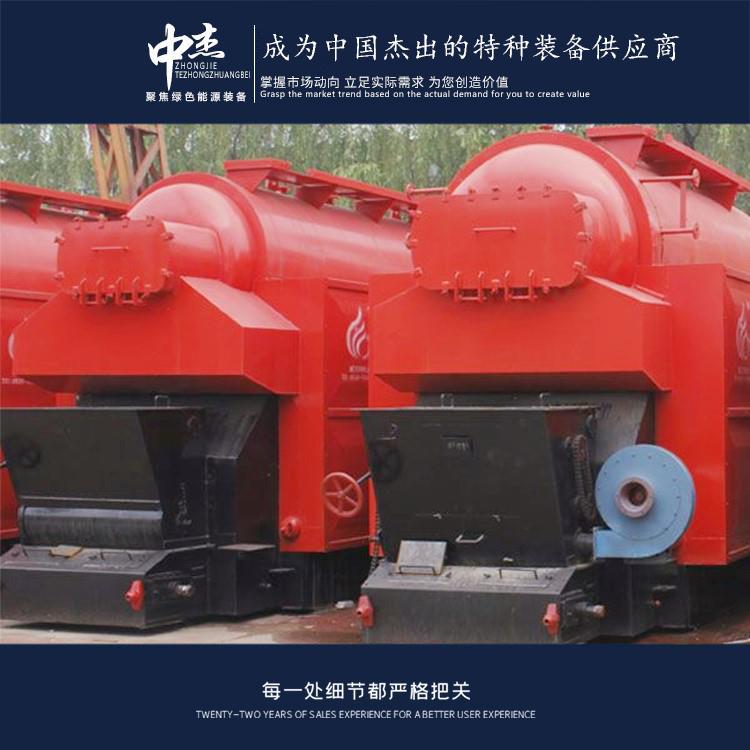

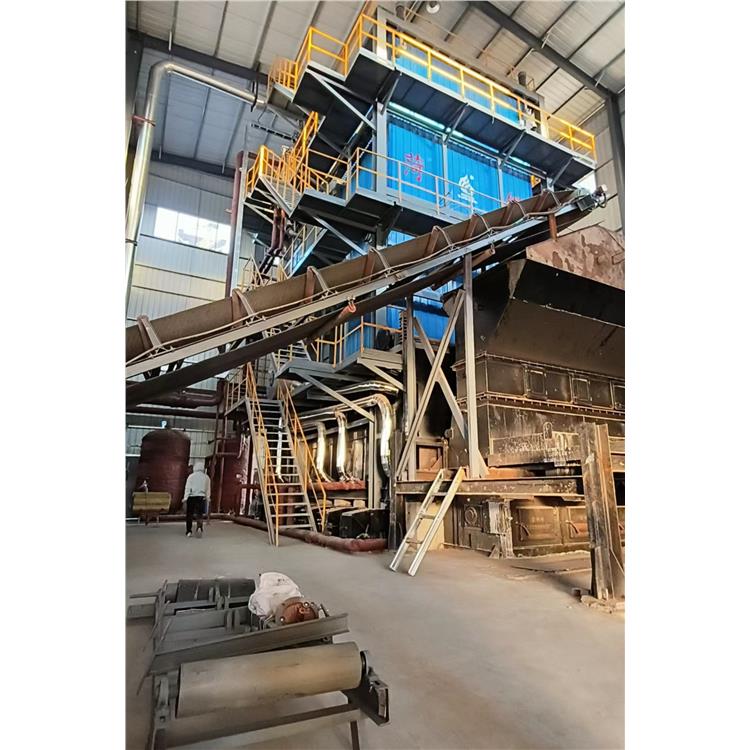


















Shandong Zhongjie Special Equipment (formerly Heze Boiler Factory Co., Ltd.) was established in 2001, located at No. 2218 Jinnan Road, Development Zone, Heze City, with a registered capital of 50 million yuan and total assets of 500 million yuan. The company has 7 business centers: boilers, deep-freeze containers, pressure vessels, central air conditioning, engineering installation, international trade, and Internet of Things. It has three factory sites on Jinnan Road, East Changjiang Road, and Bohai Road, covering a total of 200,000 square meters. The main workshop spans 83,000 square meters. It currently employs 710 people, including 247 engineers and technicians, and 82 intermediate-level technicians. In December 2016, it was recognized as a "High-tech Enterprise" by the Science and Technology Department. In June 2021, it was identified as a "Specialized and New Enterprise in Shandong Province" by the Ministry of Industry and Information Technology. In June 2022, it was recognized as a "Gazelle Enterprise in Shandong Province" and in August 2022, it was identified as a "Specialized and New Small Giant Enterprise" by the Ministry of Industry and Information Technology.
Biomass boilers possess certain characteristics that give them an edge in energy conservation and environmental protection:
Renewable Energy: The fuel used in biomass boilers is renewable, such as wood chips, straw, waste materials, etc. Compared to fossil fuels, the use of biomass fuel can reduce dependence on finite resources and lower energy consumption.
Low Carbon Emissions: The amount of carbon dioxide released during the combustion of biomass fuel is roughly equivalent to the amount absorbed during its growth, creating a closed carbon cycle. Compared to the combustion of fossil fuels, biomass boilers emit less carbon, contributing significantly to the reduction of greenhouse gas emissions.
Combustion: The biomass boiler employs advanced combustion and control technologies to achieve combustion. By optimizing the combustion process, it enhances the utilization of thermal energy and reduces energy waste.
Waste Utilization: Biomass boilers can use waste materials as fuel, such as crop straw and wood waste.
The reasons for fouling in biomass boilers can be attributed to the following aspects:
Fuel Characteristics: Ash content and the ashing characteristics in biomass fuel are the main factors causing coking. Ash is the non-combustible inorganic matter in biomass fuel. When burned, ash deposits inside the furnace and forms slag. Fuel with high ash content tends to produce a large amount of slag, while fuel with a lower ashing temperature is prone to coking inside the furnace.
Combustion Temperature: Combustion temperature is a significant factor affecting biomass boiler slagging. An excessively low combustion temperature can result in incomplete fuel combustion and insufficient melting of ash, increasing the likelihood of slagging.
Air Supply: Insufficient or excessive air supply can affect the combustion process and fouling of biomass boilers. Too little air supply leads to incomplete fuel combustion, producing a large amount of solid residue and increasing the risk of fouling. On the other hand, too much air supply can lower the combustion temperature, extend the fuel's residence time in the furnace, and also increase the likelihood of fouling.
Furnace Design: The design of the furnace chamber significantly impacts the combustion process and coking conditions. The air flow and temperature distribution within the furnace chamber affect fuel combustion and slag ejection. An improper furnace design can lead to excessive fuel residence time in the chamber, increasing the risk of coking.
Ash Cleaning System: The performance and operation of the ash cleaning system can also affect the coking situation of biomass boilers. Regularly cleaning the ash inside the furnace.
Possible reasons for incomplete combustion of fuel in biomass boilers may include the following aspects:
Inappropriate combustion conditions: In the combustion process, if the combustion temperature is too low, oxygen supply is insufficient, or combustion time is inadequate, it will result in incomplete fuel combustion. This may be caused by improper burner settings, an irrational ventilation system, or inaccurate adjustment of combustion parameters.
Fuel Quality Issues: The quality of fuel can also affect combustion efficiency. If the fuel contains excessive moisture, impurities, or ash, it can impact the calorific value and combustion performance during the combustion process, leading to incomplete combustion.
Improper combustion chamber design: The design of the combustion chamber significantly impacts the combustion efficiency. An improperly structured combustion chamber, insufficient combustion space, or uneven airflow distribution within the chamber can all lead to incomplete fuel combustion.
Combustion System Failure: Faults in the combustion system can also result in incomplete fuel combustion. For instance, issues such as a clogged nozzle on the burner, problems with the ignition system, or abnormal operation of the combustion fan can all affect combustion efficiency.
Lack of Maintenance and Cleaning: Regular maintenance and cleaning of biomass boilers are crucial for maintaining combustion efficiency. If there are issues like ash buildup, slagging, or blockages inside the boiler, it can affect the normal combustion of fuel, leading to incomplete combustion.
To address issues with incomplete fuel combustion, the following measures can be taken: adjust combustion parameters to ensure appropriate combustion temperature, oxygen supply, and burn time; select the appropriate amount of fuel and ensure its storage and handling meet requirements; perform regular maintenance and cleaning of the boiler to maintain the normal operation of the combustion system. Additionally, depending on the specific situation, it may be necessary to consult with boiler maintenance personnel or manufacturers for more detailed and accurate solutions.
Biomass refers to renewable energy derived from organic matter such as plants, animals, and microorganisms. It includes wood, straw, waste crops, food scraps, and municipal solid waste, among others. Biomass has a wide range of sources and types and is a renewable energy that can substitute for fossil fuels.
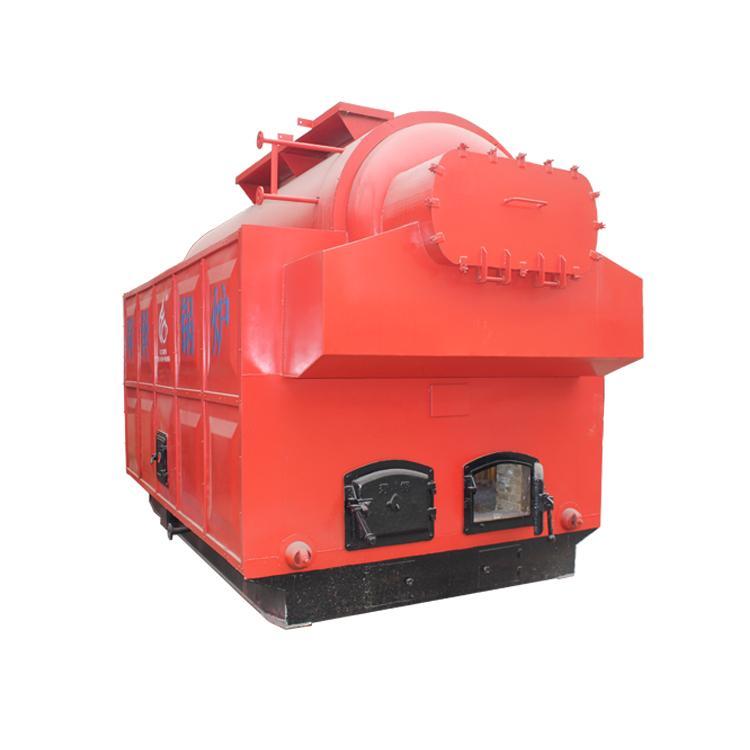
Biomass boilers are specialized equipment designed for burning biomass fuels. They combust biomass fuels to generate high-temperature, high-pressure thermal energy, which is used for heating, power generation, or other industrial processes. Biomass boilers typically use granular, pelletized, or shredded biomass fuels, releasing thermal energy through the combustion process.
The advantages of biomass boilers include:
Renewable Energy: Biomass is a renewable energy source with lower carbon emissions and environmental impact compared to fossil fuels.
Diversity: A wide variety of biomass fuels are available, utilizing plant and animal waste and by-products to enhance resource utilization efficiency.
Environmental friendliness: The carbon dioxide produced during biomass combustion can be absorbed by plants, forming a cycle that reduces air pollution.
Economic Efficiency: Biomass fuel is relatively economical, can
Our company attaches great importance to technological innovation and R&D design, boasting one municipal-level enterprise technology center in Heze City. We have established testing facilities for non-destructive testing, physical and chemical testing, welding testing, hydrostatic testing, and more. We are equipped with over 600 pieces of various equipment, including CNC machine tools, X-ray flaw detectors, digital ultrasonic flaw detectors, mechanical property testing machines, chemical analyzers, spectrometers, tensile testing machines, plasma welding machines, and more. The key products and technologies we have developed, such as temperature and pressure vessel welding, biomass boiler emission reduction, and waste heat utilization, have successively been selected for multiple Shandong Provincial Department of Industry and Information Technology science and technology innovation projects, Shandong Provincial key projects, and Heze City innovation and excellence projects. We have accumulated a total of 27 authorized utility model patents, 16 authorized invention patents, participated in drafting 2 standards, 2 industry standards, and registered 15 trademarks. Our technical team, in collaboration with Professor Li Yajiang of Shandong University, has jointly developed deep cryogenic container processing technology, utilizing the international plasma arc + filler wire tungsten inert gas arc welding (PAW-GTAW) technology. After provincial-level scientific and technological achievement appraisal, the technology level has reached an international standard in the field of deep cryogenic container manufacturing. Choose Zhongjie Special Equipment, and let's create brilliance together!
WeChat Official Account

Scan to follow Official Account



















