


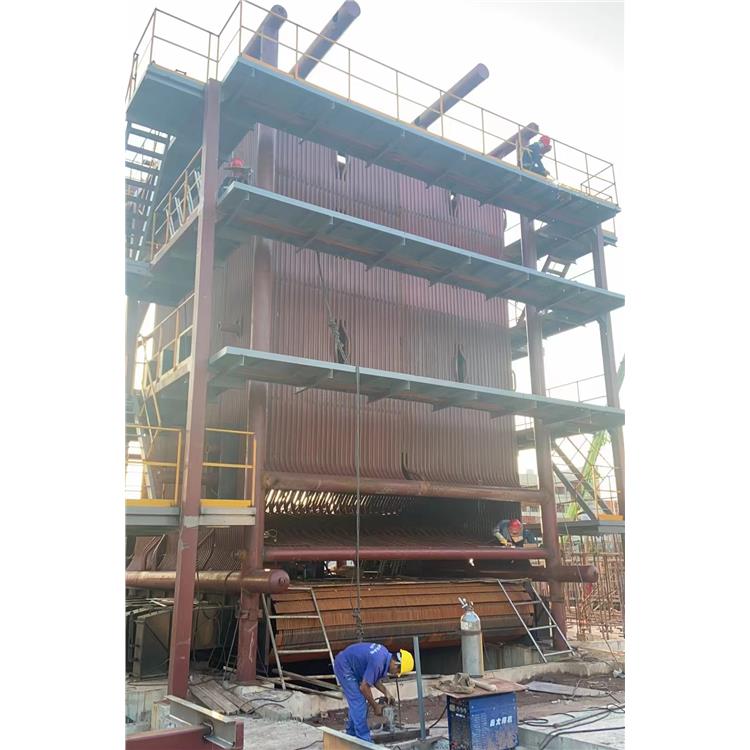

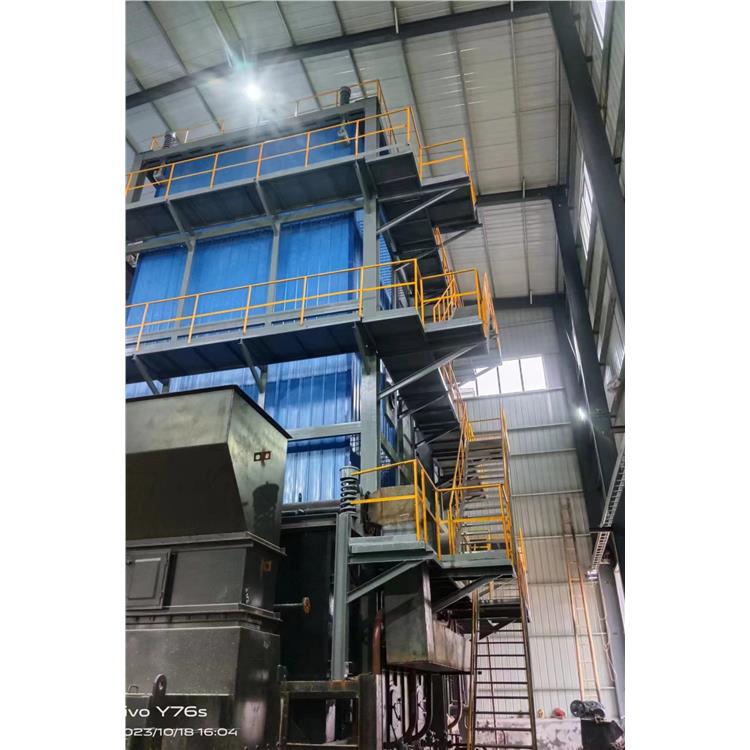
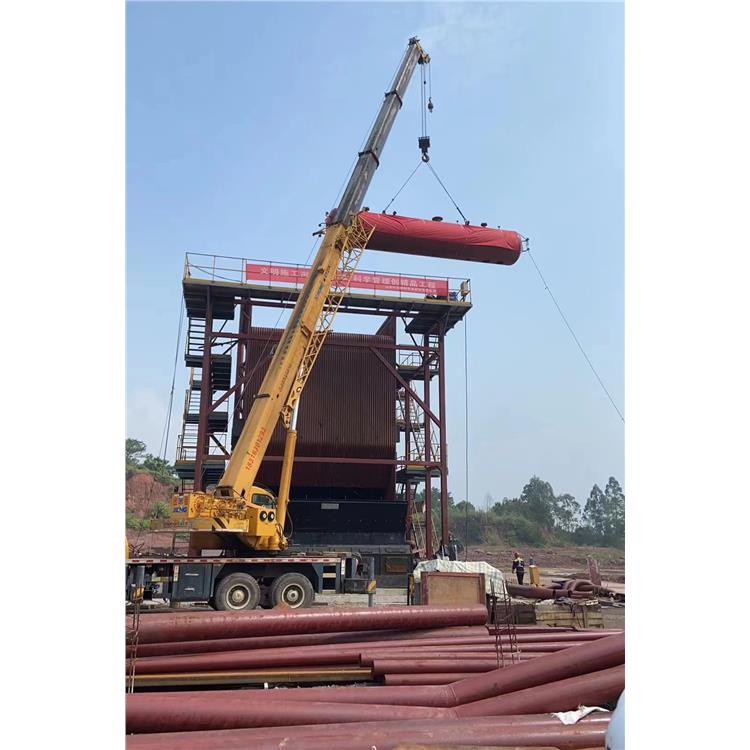


















Shandong Zhongjie Special Equipment Co., Ltd. specializes in: fuel (gas) boilers, organic heat carrier boilers, biomass boilers, waste heat recovery boilers, and other boiler products; vacuum insulation cryogenic pressure vessels such as LNG tanks, oxygen/nitrogen/argon tanks, CO2 tanks; pressure vessel products including denitrification engineering equipment, heat storage and energy storage equipment, complete chemical equipment sets; central air conditioning and ventilation equipment such as ground (water) source heat pumps, air source units, water-cooled screw units, and air-cooled modular units. Planned products include large-scale energy centers, LNG transport vehicles, LNG tank containers, and other green energy equipment.
The extinguishing process and maintenance methods for the fully automatic biomass boiler are as follows:
Extinguishing Process:
Cease fuel supply: Prior to extinguishing the biomass boiler, discontinue fuel supply and ensure the fuel supply pipeline is closed.
Turn off the burner: Switch the burner's switch or press the extinguish button on the control panel to turn off the burner and stop its operation.
Cooling Off: Allow the boiler to cool to a safe temperature, which usually takes some time. Do not operate during this period to avoid any accidents.
Shut off power: After the boiler has completely cooled down, turn off the power switch of the boiler to ensure the boiler is de-energized.
Maintenance Instructions:
Clean Combustion Chamber: Regularly clean the combustion chamber to remove ash and dirt generated during the combustion process. Use appropriate tools and cleaning agents to ensure the chamber remains clear and clean.
Heat Exchanger Cleaning: Regularly clean heat exchangers, particularly those on the flue side. Combustion may produce particulates and slag that adhere to the heat exchanger surface, affecting heat transfer efficiency. Employing appropriate cleaning methods, such as mechanical or chemical cleaning, can reduce the accumulation of dirt.
Inspect and Replace Critical Components: Regularly inspect and replace critical components such as burners, valves, and sensors. Ensure these parts operate and perform properly to avoid malfunctions and safety hazards.
Water Treatment: Proper water treatment for boiler feedwater to prevent impurities and sediments from settling inside the boiler. Methods such as water softening, deoxygenation, and scaling removal can be employed to maintain the cleanliness and stability of the supply.
Regular Maintenance: Conduct regular maintenance and upkeep, including inspecting and cleaning the control system, checking electrical connections, and lubricating moving parts. Develop a corresponding maintenance schedule based on the boiler's usage and the manufacturer's recommendations.
Above is the extinguishing process and maintenance methods for the fully automatic biomass boiler. Through correct operation and regular maintenance, the safe operation of the boiler can be ensured and its service life extended.
To enhance the thermal efficiency of biomass boilers, the following measures can be taken:
Optimize the combustion system: Ensure the biomass boiler's combustion system operates effectively and efficiently. Adoptable combustion technologies, such as fluidized bed combustion and chain grate combustion, can be utilized to enhance combustion efficiency and thermal energy utilization.
Control fuel quality: Select biomass fuels in controlled quantities, such as dried sawdust, straw, etc., and avoid fuels with excessive moisture content. High-moisture fuels consume additional heat for water evaporation, reducing combustion efficiency.
Properly Adjust Fuel Supply: Adjust the fuel supply quantity according to actual needs to avoid excess or shortage. Excessive supply leads to fuel waste, while insufficient supply affects combustion efficiency.
Maintain optimal combustion temperature: Keep the combustion temperature within a suitable range, avoiding excessively high or low temperatures. Excessive temperature can lead to heat loss in the fuel, while too low a temperature may impair combustion efficiency.
Regular cleaning and maintenance: Regularly clean the combustion chamber, flue, heat exchanger, and other components of the biomass boiler to keep them clean and unobstructed. Accumulated ash and dirt can affect heat conduction and heat exchange efficiency, reducing thermal efficiency.
Utilize waste heat recovery technology: Employ waste heat recovery units to utilize the residual heat from combustion for heating systems or other applications.
Biofuel boilers may experience issues such as ash accumulation and slagging during prolonged operation. These problems can affect the boiler's combustion efficiency and safety. Here are methods for dealing with ash accumulation and slagging in biofuel boilers:
Regular Cleaning: Regularly cleaning the ash and soot from the boiler is crucial for preventing scale and slag buildup. A cleaning schedule can be established based on the boiler's usage, which includes cleaning the combustion chamber, flue, and heat exchanger, among other components. During the cleaning process, appropriate tools and cleaning agents should be used to ensure the removal of ash and soot.
Adjust combustion parameters: Properly adjusting the combustion parameters of biomass boilers can reduce the occurrence of ash accumulation and coking. For instance, adjusting combustion temperature, oxygen supply, and combustion time can enhance combustion efficiency and minimize ash and slag generation.
Additives Usage: During biomass combustion, special additives such as ash and slag inhibitors, and coking inhibitors can be added. These additives can reduce the formation of ash and slag, and increase the boiler's cleanliness and combustion efficiency. The use of additives should be based on specific conditions and manufacturer recommendations.
Regular inspections and maintenance: Regularly inspect and maintain all components of biomass boilers, including burners, fans, flues, and heat exchangers, to promptly identify and address issues like ash accumulation and coking. During inspections, you can clear clogged parts and repair damaged components, ensuring the boiler operates smoothly.
Be mindful that dealing with biomass boiler ash and slagging issues requires a case-by-case approach. Consult with boiler maintenance personnel or manufacturers for more detailed and accurate advice. Additionally, regular cleaning and maintenance are crucial for preventing ash and slagging problems.
Biomass refers to renewable energy derived from organic matter such as plants, animals, and microorganisms. It includes wood, straw, waste crops, food scraps, and municipal solid waste. Biomass has a wide range of sources and types and is a renewable energy that can substitute for fossil fuels.
A biomass boiler is a specialized equipment designed for burning biomass fuel. It combusts biomass fuel to produce high-pressure, high-temperature thermal energy, which is used for heating, power generation, or other industrial processes. Biomass boilers typically use granular, pelletized, or shredded biomass fuel, releasing thermal energy through the combustion process.
The advantages of biomass boilers include:
Renewable Energy: Biomass is a renewable energy source with lower carbon emissions and environmental impact compared to fossil fuels.
Diversity: A wide variety of biomass fuels are available, utilizing waste and by-products from plants and animals to enhance resource utilization efficiency.
Environmental friendliness: The carbon dioxide produced during biomass combustion can be absorbed by plants, forming a cycle and reducing air pollution.
Economic: Biomass fuel is relatively cost-effective, can
Shandong Zhongjie Special Equipment, welcome customers to our factory for business discussions.
WeChat Official Account

Scan to follow Official Account



















