





















Shandong Zhongjie Special Equipment (formerly Heze Boiler Factory Co., Ltd.) holds an A-grade boiler manufacturing license, an A2-grade pressure vessel manufacturing license, an A2-grade pressure vessel design license, B-grade boiler installation, and GB2/Class, GC2/Class pressure pipeline installation licenses, as well as equipment and machinery installation contracting qualifications. It is a member of the China Boiler and Water Treatment Association, the China Chemical Equipment Association, and the director unit of the Shandong Equipment Manufacturing Association. The company has also passed the ISO9001 Quality Management System, ISO14001 Environmental Management System, OHSAS18001 Occupational Health and Safety Management System certifications, and the American ASME/U2 certification.
Carbon Dioxide Applications in the New Energy Field
Carbon Capture and Storage (CCS): CCS is a technology for reducing carbon dioxide emissions by capturing CO2 from industrial sources and storing it in underground reservoirs, preventing it from entering the atmosphere. This helps in reducing greenhouse gas emissions and mitigating climate change.
Carbon Utilization: CO2 can be utilized to produce valuable chemicals and fuels. For instance, through CO2 catalytic conversion technology, CO2 can be converted into fuels like ethanol, which are either combustible or raw materials for chemical industries. This CO2 utilization technology aids in reducing dependence on traditional fossil fuels and promotes the development of sustainable energy.
Carbon Dioxide Batteries: Carbon Dioxide batteries are a new battery technology that uses CO2 as the battery's material. By converting CO2 into electrical energy, these batteries can serve as a sustainable energy storage solution, promoting the development of electric vehicles and renewable energy sources.
Carbon Dioxide Photocatalysis: CO2 photocatalysis is a technology that uses solar energy to convert CO2 into useful chemicals. By employing photocatalysts, CO2 and water can be transformed into combustible gases or organic compounds, thereby realizing the resource utilization of CO2.
These applications aim to reduce CO2 emissions, improve energy efficiency, and drive the development of sustainable energy. However, these technologies are still in continuous development and research, requiring further technical breakthroughs and practical verification.
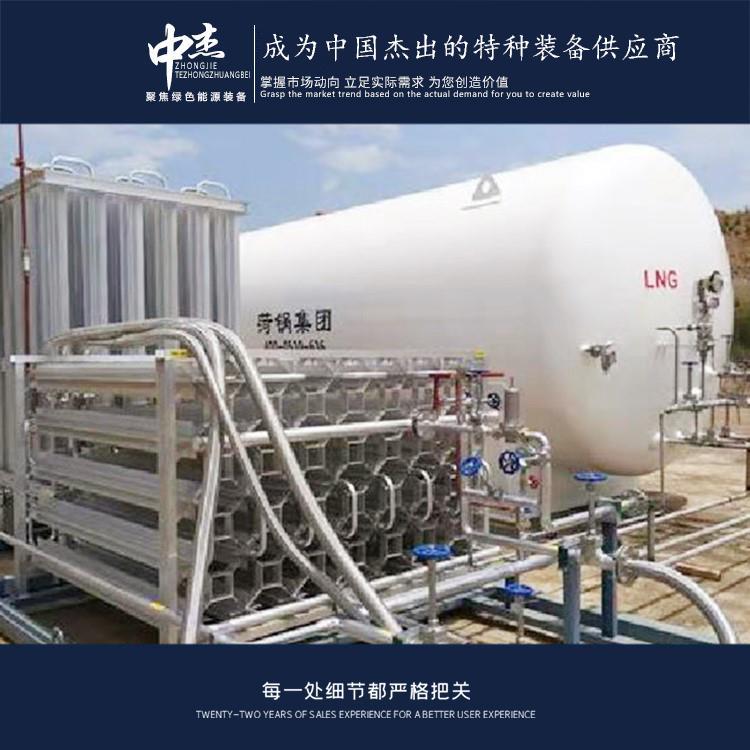
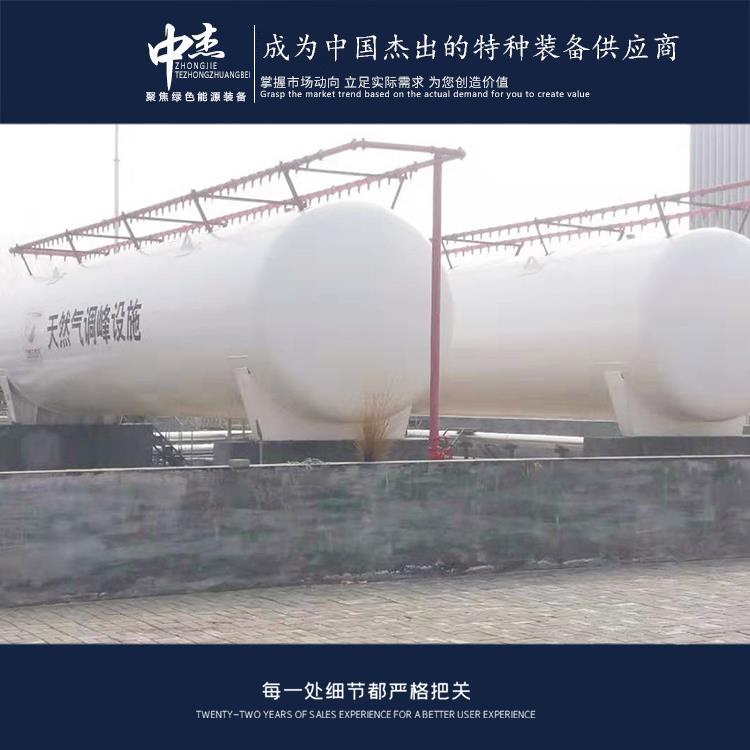
Low-temperature CO2 storage tanks are equipment used for storing and transporting liquid CO2 (carbon dioxide) at low temperatures. Here is some knowledge related to low-temperature CO2 storage tanks:
- Tank Structure: These tanks typically feature a double-walled design, with the inner wall for liquid CO2 storage and the outer wall for insulation. The interior is usually made of stainless steel or aluminum alloy, offering excellent corrosion resistance.
- Storage Temperature: The storage temperature for low-temperature CO2 storage tanks usually ranges from -40°C to -196°C, depending on specific application requirements. Temperature control is crucial for maintaining the stability and safety of the liquid CO2.
- Storage Capacity: The capacity of low-temperature CO2 storage tanks can be selected based on actual needs, generally ranging from a few thousand to tens of thousands of liters. The choice of capacity should consider storage requirements, supply frequency, and space constraints.
- Safety Protection: Low-temperature CO2 storage tanks require safety equipment such as pressure relief devices (like safety valves), pressure sensors, and temperature sensors to ensure internal pressure and temperature remain within safe limits.
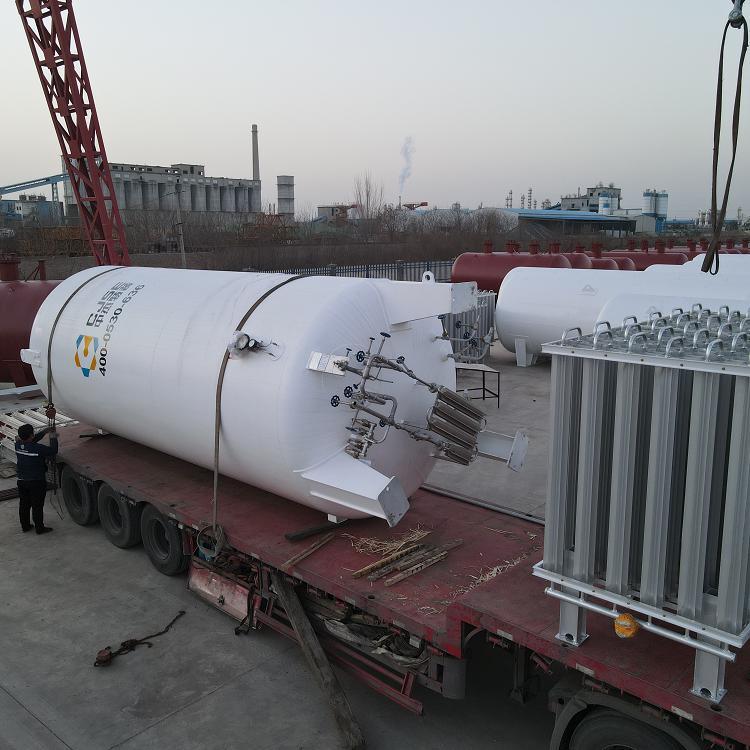
- Transportation: These tanks can be transported via road, rail, or ship. Appropriate insulation measures must be taken during transport to maintain the低温 state of the liquid CO2 inside.
- Safe Operation: Operation of low-temperature CO2 storage tanks requires training and adherence to safety procedures. Operators should understand the tank's characteristics and safety considerations to ensure safe and effective operation.
- Regular Inspections and Maintenance: Low-temperature CO2 storage tanks need regular inspections and maintenance, including visual checks, valve and pipe inspections, and pressure relief device checks. Regular maintenance ensures the tank operates normally and safely.
- The above is some knowledge related to low-temperature CO2 storage tanks. When using and operating such tanks, it is important to follow relevant safety regulations and standards and consult with experts to ensure safety and effectiveness.
Carbon dioxide synthesis is a chemical reaction that utilizes carbon dioxide for synthesis. This reaction has several applications:
1. Fertilizer production: It is an essential raw material for making fertilizers, and carbon dioxide synthesis represents a sustainable production method. By reacting with carbon dioxide, it can synthesize compounds used in manufacturing nitrogen fertilizers, such as urea. This method can reduce dependence on fossil fuels used in traditional production methods and lower greenhouse gas emissions.
2. Energy storage: Carbon dioxide synthesis can also be used as a form of energy storage. By converting carbon dioxide and a reactant, energy can be stored in the form of chemical bonds. When energy is needed, the stored energy can be released by reversing the reaction to regenerate carbon dioxide and the reactant.
3. Fuel cells: It can serve as a clean fuel for fuel cells. By synthesizing carbon dioxide with a reactant and then using it in fuel cells, electricity can be generated, with water and nitrogen as byproducts, thus reducing environmental pollution.
4. Chemical synthesis: It is an important raw material for many chemical synthesis processes. Carbon dioxide synthesis can provide a sustainable supply for the chemical industry, used to synthesize other chemicals such as etc.
The development of carbon dioxide synthesis technology aims to reduce dependence on fossil fuels used in traditional production methods, lower greenhouse gas emissions, and promote the development of sustainable energy and the chemical industry. However, this technology is still in continuous development and research, requiring further technological breakthroughs and practical validation to achieve large-scale application.
The testing and maintenance of liquid oxygen storage tanks are crucial for ensuring safe operation and extending their service life. Below is a general outline of the testing and maintenance procedures for liquid oxygen storage tanks:
- External Inspection: Regularly inspect the exterior of the liquid oxygen storage tank for corrosion, wear, cracks, and other issues. Promptly repair or replace any abnormalities found.
- Internal Cleaning: Regularly clean the interior of the liquid oxygen storage tank to remove accumulated debris and dirt. Pay attention to using appropriate cleaning agents and tools to avoid damaging the tank.
- Level Measurement: Regularly measure the level to ensure the liquid oxygen within the tank remains within a safe range. Use a level gauge or other measuring equipment, and record the results.
- Pressure Testing: Regularly conduct pressure tests to verify the tank's pressure resistance. Control the pressure and time during testing to ensure safety and accuracy.
- Leak Detection: Regularly perform leak detection to ensure the tank's sealing integrity. Use leak detection equipment such as gas detectors or foam leak detection agents.
- Valve and Pipe Inspection: Regularly check the valves and pipe connections of the liquid oxygen storage tank to ensure proper sealing and no leakage. Promptly repair or replace any issues found.
- Maintenance Records: Document the testing and maintenance activities for the liquid oxygen storage tank, including inspection dates, contents, and results. Records help track maintenance history and issue resolution.
- Scheduled Maintenance: Develop a regular maintenance plan based on the tank's usage and requirements. Maintenance includes lubrication, bolt tightening, and replacing seals to ensure normal operation.
Shandong Zhongjie Special Equipment, welcome customers to our factory for business discussions.
WeChat Official Account

Scan to follow Official Account



















