


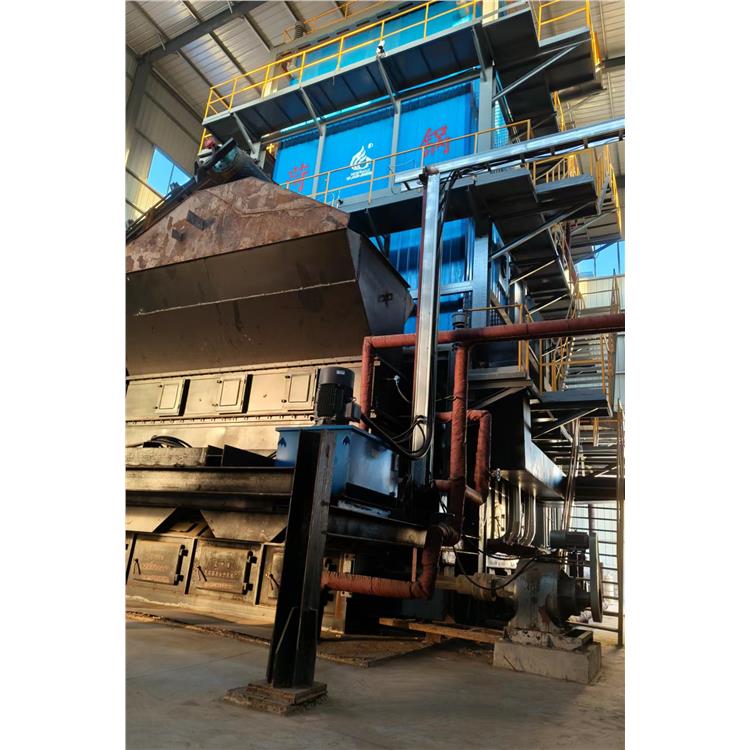

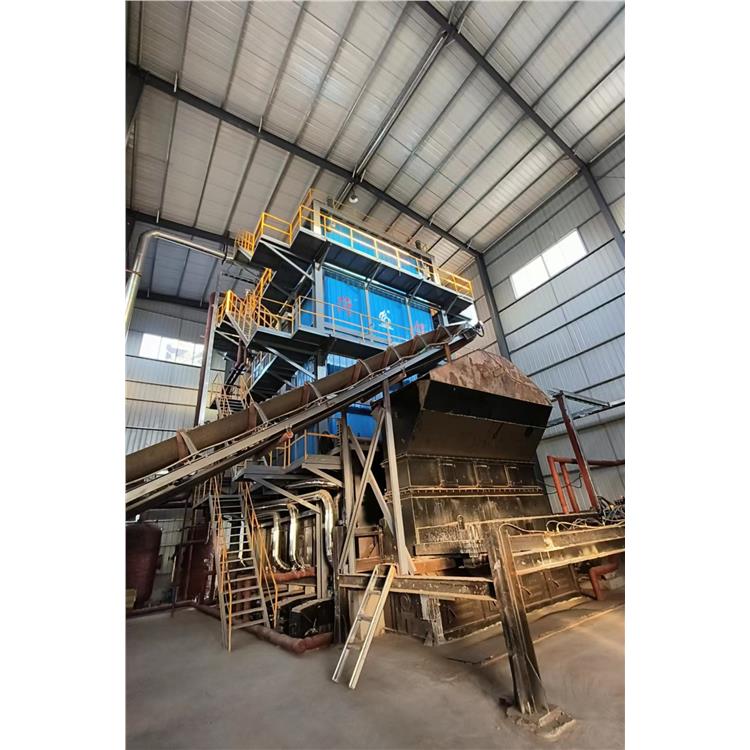
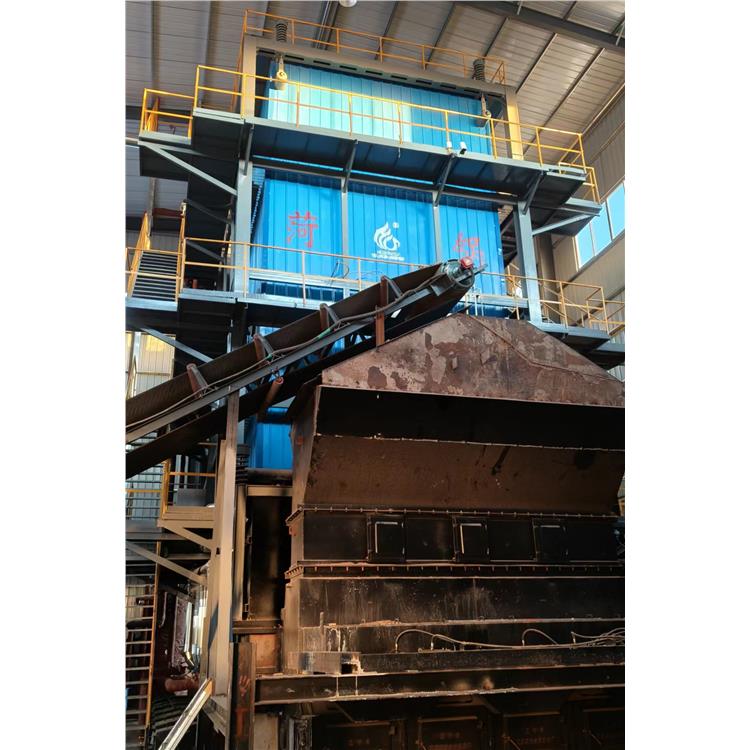


















Shandong Zhongjie Special Equipment Co., Ltd. specializes in the following products: fuel (gas) boilers, organic heat carrier boilers, biomass boilers, waste heat recovery boilers, and other boiler products; vacuum insulation cryogenic pressure vessels such as LNG tanks, oxygen/nitrogen/argon tanks, and CO2 tanks; pressure vessel products including denitrification engineering equipment, heat storage and energy storage equipment, and complete chemical equipment sets; central air conditioning and HVAC equipment such as ground (water) source heat pumps, air source units, water-cooled screw units, and air-cooled modular units. Planned products include large-scale energy centers, LNG transport vehicles, LNG tank containers, and other green energy equipment.
A hot water boiler is a device used for supplying hot water. With the increasing demand for energy and environmental awareness, hot water boilers have undergone continuous development and improvement in technology and application.
Below are the trends in the development of hot water boilers:
Energy-saving: Energy-saving in hot water boilers is a significant development direction. By improving the combustion technology of the boiler, the design of the heat exchanger, and the selection of materials, enhance the efficiency of heat energy utilization, and reduce energy consumption and emissions.
Temperature Control Intelligence: With the advancement of intelligent technology, the temperature control systems of hot water boilers are becoming increasingly intelligent. Through the adoption of control algorithms and sensor technology, temperature control and energy consumption management are achieved, enhancing system stability and comfort.
Multi-energy Supply: To reduce dependence on traditional energy sources, the trend in hot water boiler development is towards multi-energy supply. In addition to conventional energy sources such as gas and oil, an increasing number of hot water boilers are now utilizing renewable energy sources like biomass, solar, and geothermal, achieving energy diversification and sustainable development.
Environmental Protection and Emission Reduction: Environmental protection and emission reduction is a key direction for the development of hot water boilers. By improving combustion technology, increasing flue gas purification equipment and control systems, pollutants emitted during the combustion process are reduced, thereby protecting the environment and human health.
Safety and Reliability: The safety and reliability of hot water boilers are crucial for development. By enhancing the structural design of the boiler, improving the safety valve and control system, we boost the safety performance of the boiler and prevent accidents from occurring.
Miniaturization and Modularization: With the accelerated urbanization process, there is a clear trend towards miniaturization and modularization in hot water boilers. Miniaturized hot water boilers can better adapt to the needs of urban buildings, reducing land occupation and installation costs, and enhancing flexibility and scalability.
Overall, the trend in hot water boiler development is towards energy efficiency, intelligence, multi-energy supply, environmental protection and emission reduction, safety and reliability, miniaturization, and modularity. These trends will drive continuous innovation and application of hot water boiler technology, providing more comfortable, reliable, and environmentally friendly hot water supply for people.
The DZH steam boiler is a manually fueled solid fuel boiler featuring the following technical characteristics:
Fuel Burning Method: The DZH steam boiler utilizes a manual burning method, where the operator manually feeds fuel and adjusts the combustion process. This method is relatively simple and flexible, suitable for small to medium-sized applications.
Multiple Fuel Compatibility: The DZH steam boiler boasts strong fuel adaptability, capable of burning solid fuels such as wood chips and straws. This feature allows the DZH steam boiler to be widely used in various regions and under different fuel resource conditions.
Chamber Structure: The DZH steam boiler features a double-chamber structure, with a partition separating the combustion chamber from the combustion chamber. This design enhances the temperature and combustion efficiency of the chamber, thereby improving thermal efficiency.
Flue Channels: The DZH steam boiler features a spiral flue tube design for its flue channels, which increases the contact area between flue gas and water, enhancing heat exchange efficiency. Additionally, a flue gas reversal chamber is installed within the flue channels, allowing the flue gas to flow repeatedly within the furnace, increasing its residence time and improving combustion efficiency.
Safety Protection: The DZH steam boiler is equipped with various safety devices such as pressure controllers, water level controllers, and overheat protectors, ensuring the safe operation of the boiler.
Compact Structure: The DZH steam boiler features a compact structure, occupying minimal space, making it suitable for installation in limited areas.
Overall, the DZH steam boiler boasts strong fuel adaptability, flexible operation, and high thermal efficiency, making it suitable for small to medium-sized solid fuel steam demand scenarios.
Fully automatic biomass boiler systems commonly use a make-up water pump to maintain constant pressure, which is a typical water supply method. The specific working principle is as follows:
Supply Pump: The fully automatic biomass boiler is equipped with a supply pump, which is used to pump water from the water source (such as a water tank or municipal water supply) into the boiler's water supply system.
Pressure Regulation: The feed water pump employs a constant pressure method, which involves setting up a pressure sensor or controller in the boiler water supply system to monitor the pressure. When the pressure of the water supply system falls below the set value, the feed water pump will automatically activate, replenishing water into the supply system to increase the system pressure.
Pressure Control: The supply pump will control according to the set pressure range. When the system pressure reaches the set value, the supply pump will cease operation to prevent excessive pressure.
Automation Control: The water supply system of an automatic biomass boiler is typically equipped with an automated control system that can intelligently manage based on the boiler's operating status and requirements. For instance, when the boiler needs to replenish water, the control system will automatically activate the feed pump to ensure the stable operation of the water supply system.
By employing a pressure-regulating pump system, the fully automatic biomass boiler can achieve automated control of the water supply system and stable water supply, ensuring the boiler operates normally and safely. This method can be adjusted and optimized according to actual needs, enhancing water supply and energy utilization efficiency.
During operation, biomass thermal oil heaters are prone to scaling due to the high temperature of the thermal oil and long-term use. To prevent the formation of scale, manufacturers of biomass thermal oil heaters typically take the following measures:
Selecting the Appropriate Thermal Conductive Oil: Manufacturers choose thermal conductive oils with good thermal stability and antioxidant properties to minimize scaling. The selection of thermal conductive oil should be reasonably matched according to the actual operating conditions and requirements.
Control oil temperature and flow rate: Manufacturers will rationally control the temperature and flow rate of the thermal oil based on its properties and operational requirements. Excessive temperature and rapid flow can easily lead to scale formation, so proper adjustment is necessary.
Regular Cleaning and Maintenance: Manufacturers recommend users to regularly clean and maintain biomass thermal oil heaters to remove scale buildup. Cleaning agents and equipment that can be used during the process, as well as the scale removal, will restore the normal operation of the thermal oil heater.
Install filters and descaling devices: Manufacturers may install filters and descaling devices in biomass thermal oil boilers to filter out impurities and scale in the thermal oil. These devices effectively prevent scale formation, extending the service life of the thermal oil boiler.
Regular Monitoring and Analysis: Manufacturers may recommend that users regularly monitor and analyze the properties and quality of the thermal oil to promptly identify any abnormalities and take appropriate measures.
Zhong Jie Special Equipment upholds the great vision of "realizing employees' dreams, creating value for customers, and striving for the prosperity and strength of our motherland," and is dedicated to the development of the green energy equipment industry. We contribute to society with products and services that offer high value for money!
WeChat Official Account

Scan to follow Official Account



















