





















Shandong Zhongjie Special Equipment (formerly Heze Boiler Factory Co., Ltd.) was established in 2001, located at No. 2218 Jinnan Road, Development Zone, Heze City, with a registered capital of 50 million yuan and total assets of 500 million yuan. The company has 7 business centers: boilers, deep-freezing containers, pressure vessels, central air conditioning, engineering installation, international trade, and Internet of Things. It has three factory sites on Jinnan Road, East Changjiang Road, and Bohai Road, covering a total of 200,000 square meters, with the main workshop spanning 83,000 square meters. It currently employs 710 people, including 247 engineering and technical staff and 82 intermediate-level technical personnel. In December 2016, it was recognized as a "High-tech Enterprise" by the Science and Technology Department. In June 2021, it was identified as a "Specialized and New Enterprise in Shandong Province" by the Department of Industry and Information Technology. In June 2022, it was recognized as a "Gazelle Enterprise in Shandong Province" and in August 2022, as a "Specialized and New Small Giant Enterprise" by the Ministry of Industry and Information Technology.
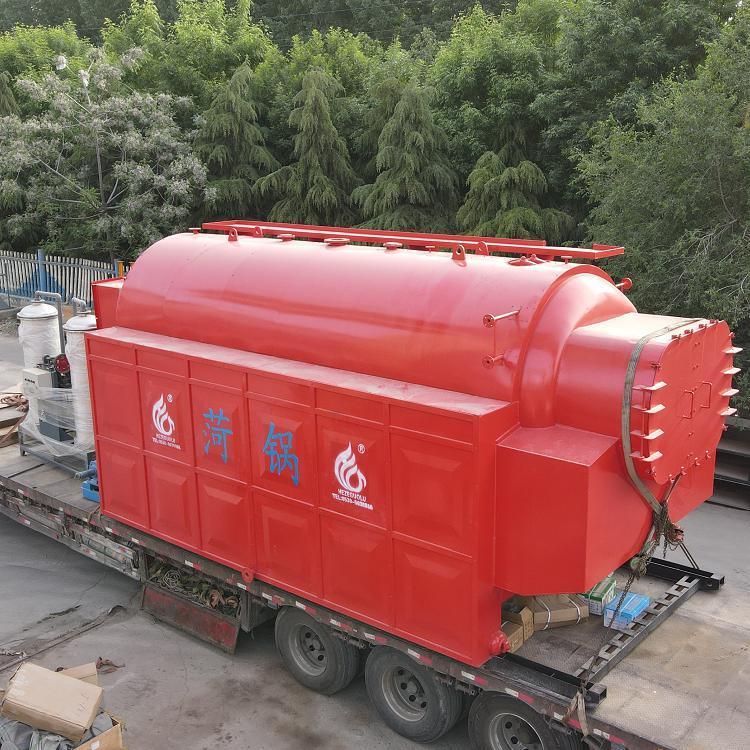
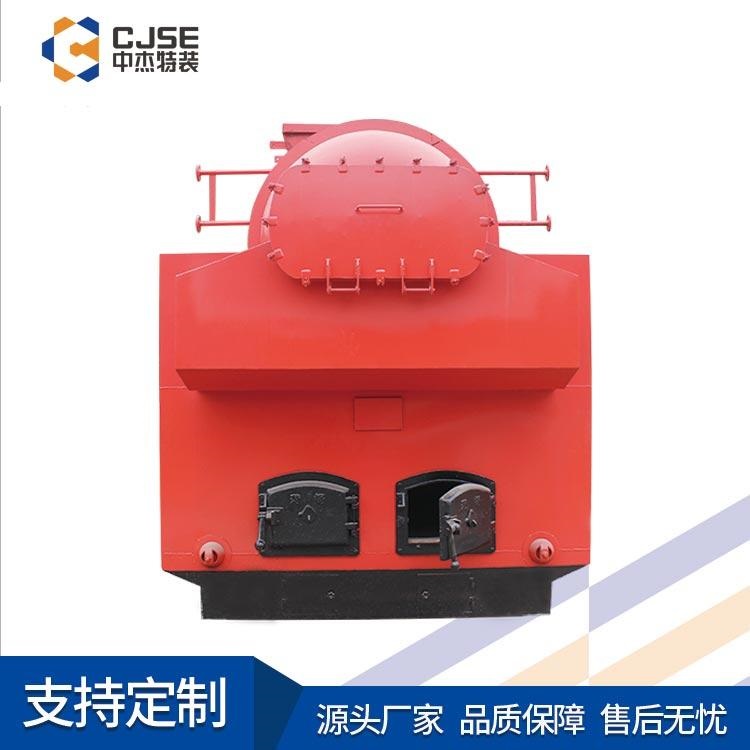
The DZL type quick-install biomass boiler is a common biomass boiler model, featuring the following characteristics:
Rapid Installation: The DZL type quick-install biomass boiler features a modular design. The boiler body and equipment are pre-assembled in the factory, requiring only simple connections and adjustments on-site, significantly reducing installation time and project duration.
High combustion efficiency: Utilizes a special combustion chamber design and system, ensuring complete combustion of biomass fuel within the furnace, resulting in high thermal efficiency. Equipped with an economizer and flue gas recirculation unit to further enhance thermal efficiency.
Automated Control: The DZL type quick-install biomass boiler is equipped with an automated control system, enabling the control and monitoring of the combustion process. With a PLC controller and touch screen, parameters such as fuel supply, air supply, and combustion temperature can be adjusted to ensure the stable operation of the boiler.
Multiple Fuel Adaptability: The DZL type quick-assembly biomass boiler is suitable for various biomass fuels such as wood chips and straw, etc. Different fuels can be chosen according to actual conditions, enhancing fuel substitutability and flexibility.
Environmental Protection and Energy Saving: The DZL type quick-assembly biomass boiler uses biomass fuel, resulting in relatively low emissions of flue gas and slag during combustion, with low pollution content in the combustion emissions. The biomass fuel itself has the characteristics of low sulfur and low nitrogen, and the slag after combustion can be reused as organic fertilizer or biomass fuel, reducing environmental pollution.
Tightly designed: DZL-type Quick Assembly Biomass Boiler
Biomass hot water boilers may accumulate scale during operation, affecting the boiler's heat transfer and efficiency. Here are some methods to reduce scaling:
Fuel Selection: Choose high-quality biomass fuel such as wood chips and straw, etc. Avoid using fuel with excessive impurities and ash to reduce the generation of dirt.
Combustion Adjustment: Properly regulate combustion parameters such as fuel supply, oxygen supply, and combustion temperature. Both excessively high or low combustion temperatures can lead to the formation of soot. Maintaining an appropriate combustion temperature helps reduce soot formation.
Clean combustion chamber: Regularly clean the combustion chamber to remove ash and dirt generated during the combustion process. Use appropriate tools and cleaning agents to ensure the chamber remains clear and clean.
Heat Exchanger Cleaning: Regularly clean heat exchangers, particularly those on the flue side. During the combustion process, flue gases may contain particles and slag that adhere to the surface of the heat exchangers, affecting thermal conduction efficiency. Appropriate cleaning methods, such as mechanical or chemical cleaning, can reduce the accumulation of dirt.
Water Treatment: Proper water treatment for boiler feed water to prevent impurities and sediments from depositing inside the boiler. Methods such as water softening, deoxygenation, and scaling removal can be employed to maintain the cleanliness and stability of the water supply.
Regular Maintenance: Perform regular maintenance and inspections on the boiler, including cleaning and replacing critical components. Early detection and resolution of soiling issues can prevent further accumulation of soiling and affect the normal operation of the boiler.
Please note that specific methods for reducing sediment may vary depending on the model and manufacturer of biomass hot water boilers. It is recommended to refer to the manufacturer's operation manual and guidelines for appropriate sediment reduction measures based on the specific situation.
The control of water level during the operation of biomass boilers is crucial, primarily to ensure the safe and normal operation of the boiler. The following are general methods of water level control:
Water Level Gauge Monitoring: Biomass boilers typically come equipped with water level gauges to monitor the water level inside the boiler. These gauges can be glass tube gauges, electrical gauges, or pressure gauges, among others. The readings from the water level gauge provide real-time insights into the water level within the boiler.
Water Level Controller: Biomass boilers are typically equipped with a water level controller for automatic water level regulation. The controller adjusts the water level inside the boiler by controlling the operation of feed water pumps or drainage valves, etc., based on the set water level range.
Water Supply Control: When the boiler water level is too low, the water level controller sends a signal to start the water supply pump, refilling water into the boiler to maintain the water level within a safe range. The water supply control needs to be adjusted based on the actual needs of the boiler and changes in water level.
Wastewater Control: When the boiler water level is too high, the level controller sends a signal to activate the drain valve, expelling excess water to maintain the water level within a safe range. Wastewater control must also be adjusted according to the actual needs of the boiler and changes in water levels.
Alarm Protection: The water level controller will emit an alarm signal when the boiler's water level exceeds the high limit or falls below the low limit, alerting the operator to take action. Additionally, the boiler should be equipped with a water level protection device that automatically shuts off the gas supply to the burner when water levels are abnormal, ensuring the safety of the boiler.
Note that the control of water level must be based on the specific design of the boiler and the operation manual to ensure proper and safe operation. Additionally, regular inspections and maintenance of devices such as the water level gauge and controller are necessary to ensure their normal operation and accuracy.
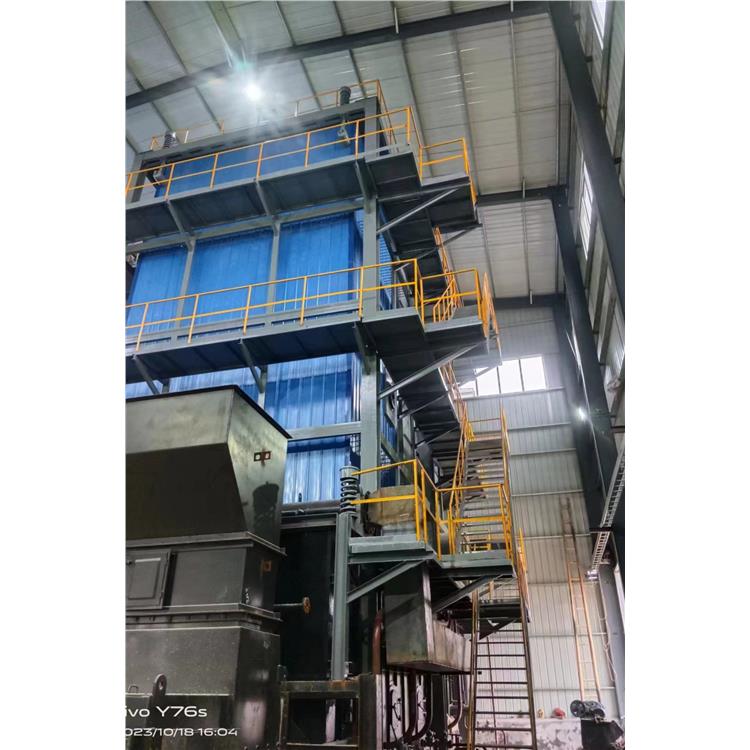
A biomass chain grate boiler is a common type of biomass boiler, and its working principle and process are as follows:
Fuel Supply: Biomass fuels (such as wood chips, straw, etc.) are conveyed to the combustion chamber of the chain grate boiler through the feeding system.
The Combustion Process: The fuel is ignited in the combustion chamber, while the chain boiler's chain system starts to operate. The fuel is gradually propelled forward by the chain movement and simultaneously undergoes combustion in the chamber. During combustion, the fuel is thoroughly mixed with air, and the thermal energy produced is transferred to the boiler's water or other working substances.
Smoke Emission: The smoke generated from combustion is channeled through the flue system of the combustion chamber and released into the chimney. During the smoke emission process, it can be treated by smoke purification equipment to reduce the particulate matter and gas pollutants emitted.
Heat Recovery: The heat generated by combustion is transferred to water or other working fluids through the heat exchanger of the boiler, raising their temperature. After heat recovery, the hot water or steam can be used for heating, hot water supply, or other industrial processes.
Control System: Chain biomass chain boilers are typically equipped with an automatic control system for monitoring and adjusting parameters such as temperature, pressure, and fuel supply during the combustion process. The control system can automatically adjust according to actual needs to ensure the safe operation and performance of the boiler.
Overall, chain biomass chain boilers gradually push biomass fuel into the combustion chamber through a chain system for burning. The thermal energy is transferred to water or other working substances through heat exchangers, achieving energy recovery and utilization. These boilers boast high combustion efficiency, strong fuel adaptability, and other advantages, and are widely used in heating, industrial heating, and other fields.
Zhongjie Special Equipment upholds the grand vision of "realizing employees' dreams, creating value for customers, and striving for the prosperity and strength of our motherland," and is dedicated to the development of the green energy equipment industry. We commit to society with high-quality, cost-effective products and services!
WeChat Official Account

Scan to follow Official Account



















