


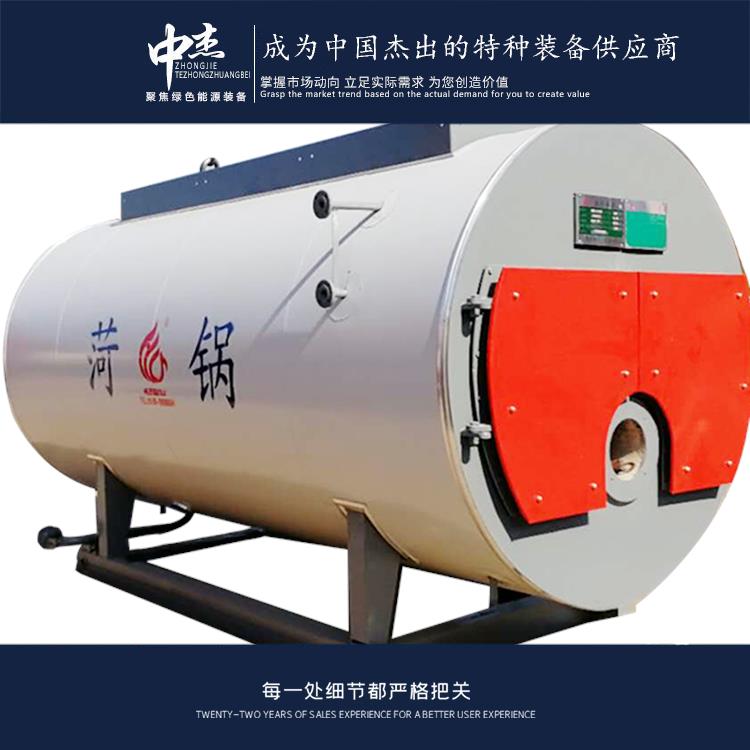

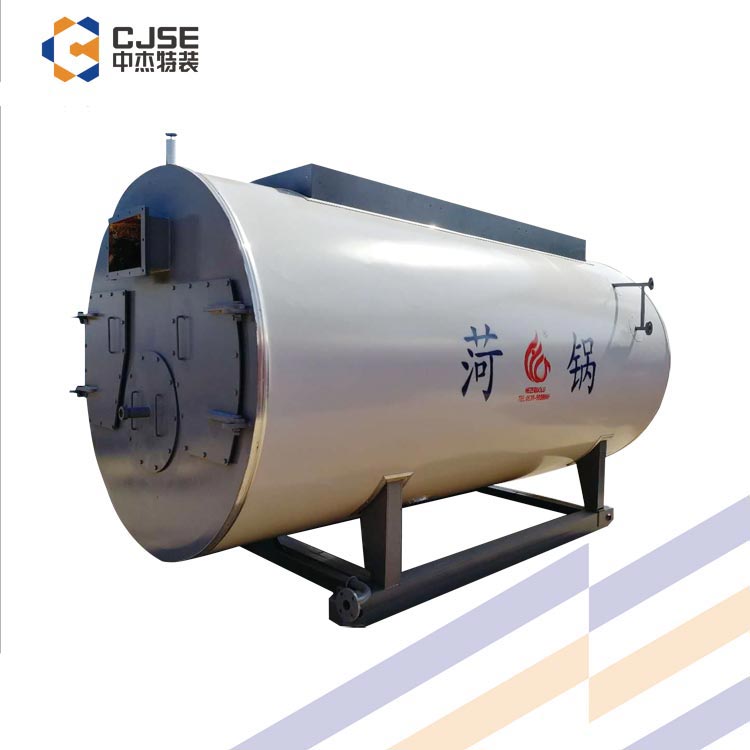
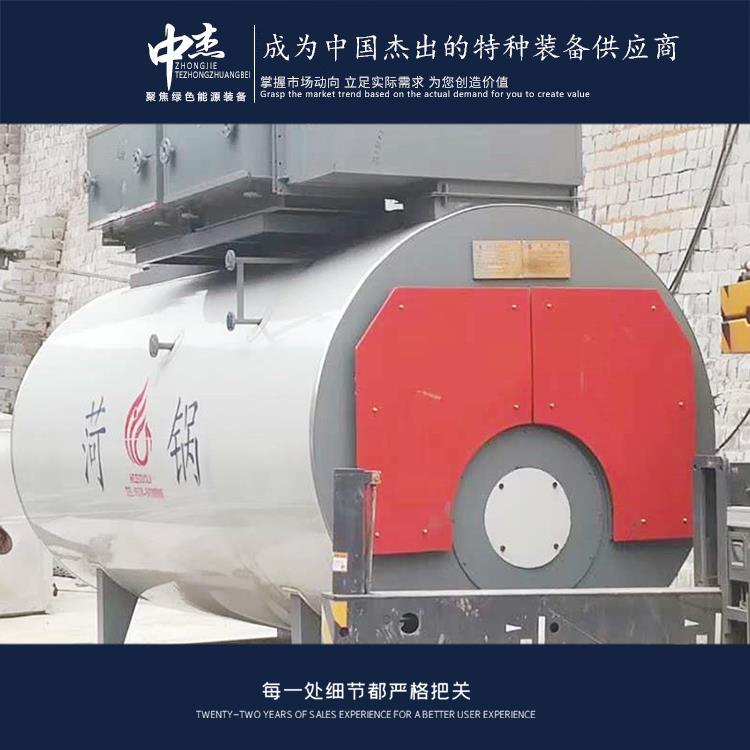


















Shandong Zhongjie Special Equipment's main products include: fuel (gas) boilers, organic heat carrier boilers, biomass boilers, waste heat recovery boilers, and other boiler products; vacuum insulation cryogenic pressure vessels such as LNG tanks, oxygen/nitrogen/argon tanks, and CO2 tanks; pressure vessel products such as denitrification engineering equipment, heat storage and energy storage equipment, and complete chemical equipment; central air conditioning and HVAC equipment such as ground (water) source heat pumps, air source units, water-cooled screw units, and air-cooled modular units. Planned products include large-scale energy centers, LNG transport vehicles, LNG tank containers, and other green energy equipment.
When using a gas thermal oil furnace, the following points should be noted:
Safety Operation: A gas thermal oil furnace is a high-temperature device, and safety must be observed during operation. Operators should be familiar with the equipment's operation procedures and safety precautions, wear necessary personal protective equipment, and ensure safe operation.
Gas Supply: A stable gas supply is required for a gas thermal oil furnace. Before use, check if the gas pipeline is clear and the gas valve is open to ensure normal gas supply.
Thermal Oil Circulation: A thermal oil furnace needs to circulate thermal oil through a pump to supply it to the heat source equipment. Before use, inspect the pump's operation to ensure it is working properly.
Temperature Control: A gas thermal oil furnace typically requires a temperature control system to regulate the temperature of the thermal oil. Before use, check the settings and adjustments of the temperature control system to ensure accurate and reliable control.
Regular Maintenance: Gas thermal oil furnaces require regular maintenance and care, including cleaning burners, checking the sealing of pipes and valves, and replacing worn parts. Regular maintenance ensures the equipment operates normally and extends its service life.
Environmental Protection: Gas thermal oil furnaces produce exhaust gases during combustion, so ensure proper exhaust emissions. Take appropriate exhaust treatment measures, such as flue gas purification equipment, to minimize environmental impact.
The above are some safety considerations when using a gas thermal oil furnace. To ensure safety and the normal operation of the equipment, it is recommended to follow relevant operation procedures and safety requirements, and conduct regular maintenance and inspections. If necessary, consult with the manufacturer or engineer of the gas thermal oil furnace.
When designing a fuel-gas boiler room, the following points should be taken into consideration:
Safety Considerations: Ensure the design of the boiler room complies with relevant safety standards and regulations. Account for fire risks and install appropriate firewalls, fire doors, and fire isolation facilities. Ensure good ventilation in the boiler room, with suitable ventilation equipment and flue systems to expel harmful gases produced by combustion.
Space and Layout: Plan the space and layout of the boiler room based on the number and size of the boilers. Ensure there is ample space for operation, maintenance, and cleaning. Arrange the boilers, fuel storage equipment, flue systems, and pipeline layouts for ease of operation and maintenance.
Fuel Supply and Storage: Consider the requirements for fuel supply and storage. Ensure the safety and reliability of fuel supply pipelines and equipment to avoid leaks and contamination. Plan the capacity and location of fuel storage equipment rationally to ensure sufficient fuel supply and compliance with safety requirements.
Emission and Exhaust Gas Treatment: Consider the emission and treatment of exhaust gases produced by combustion. Install appropriate flue systems and exhaust gas treatment equipment to minimize the impact of emissions on the environment. Ensure the design and layout of the flue system are reasonable and can effectively expel smoke and exhaust gases.
Control and Monitoring Systems: Design suitable control and monitoring systems to ensure the safety and operation of the boiler. This includes monitoring and control equipment for parameters such as temperature, pressure, and flow, as well as alarm and automatic shutdown devices. Ensure operators can promptly understand the operating status of the boiler and take appropriate actions.
Based on the provided information, I cannot accurately determine the heating area for a 40-ton gas-fired hot water boiler or the gas pressure for an atmospheric pressure gas boiler. Establishing these parameters requires considering multiple factors, including the boiler's design specifications, the type and quality of the gas, and the heating system's requirements. The heating area is typically calculated based on the size of the building or industrial production facility that needs heating, along with the heat load calculations. Common calculation methods include heat load calculations based on the building's floor area, the climate conditions of the region, and the required indoor temperatures. The gas pressure depends on the type of gas and the design of the gas supply system. Different types of gas (such as natural gas, etc.) have different pressure requirements for supply. The gas pressure also needs to consider factors like the distance of the gas pipeline, the pipeline diameter, and the pipeline material. Therefore, to accurately determine the heating area for the 40-ton gas-fired hot water boiler and the gas pressure for the atmospheric pressure gas boiler, it is recommended to consult the boiler manufacturer or engineer, who can calculate and design based on the specific circumstances.
When addressing issues with gas boilers during the heating process, consider the following aspects:
- Check gas supply: Ensure the gas supply is normal and inspect the gas pipeline for blockages or leaks. If any issues are found, repair or replace the gas pipeline promptly.
- Clean the burner and combustion chamber: Regularly clean the burner and combustion chamber to remove accumulated ash and dirt. This improves combustion efficiency and reduces gas waste.
- Check and adjust the gas-to-air ratio: Ensure the gas-to-air ratio is appropriate for optimal combustion. An incorrect ratio can lead to incomplete combustion or excessive exhaust gas.
- Inspect and clean the heat exchanger: Regularly inspect and clean the heat exchanger to remove ash and dirt. This enhances heat exchange efficiency and ensures effective heat transfer to the heating system.
- Check and maintain the circulating pump and valves: Ensure the circulating pump and valves operate properly to allow smooth flow of hot water or steam through the heating system.
- Inspect and maintain the control system: Ensure the gas boiler's control system is functioning correctly, allowing accurate control of parameters such as temperature, pressure, and flow. If problems arise, repair or replace the controller promptly.
- Regular maintenance: Conduct regular maintenance on the gas boiler, including cleaning, lubricating, and tightening bolts, to extend its lifespan and reduce the occurrence of malfunctions.
- Training and awareness: Provide employee training to enhance awareness of operating and maintaining gas boilers. Improved knowledge and skills among employees contribute to effective management and problem-solving during the heating process.
- If issues cannot be resolved or safety concerns arise...
Zhong Jie Special Equipment adheres to the grand vision of "Realizing employee dreams, creating customer value, and striving for the prosperity and strength of our motherland," devoting itself to the development of green energy equipment. We dedicate high-value products and services to society!
WeChat Official Account

Scan to follow Official Account



















