


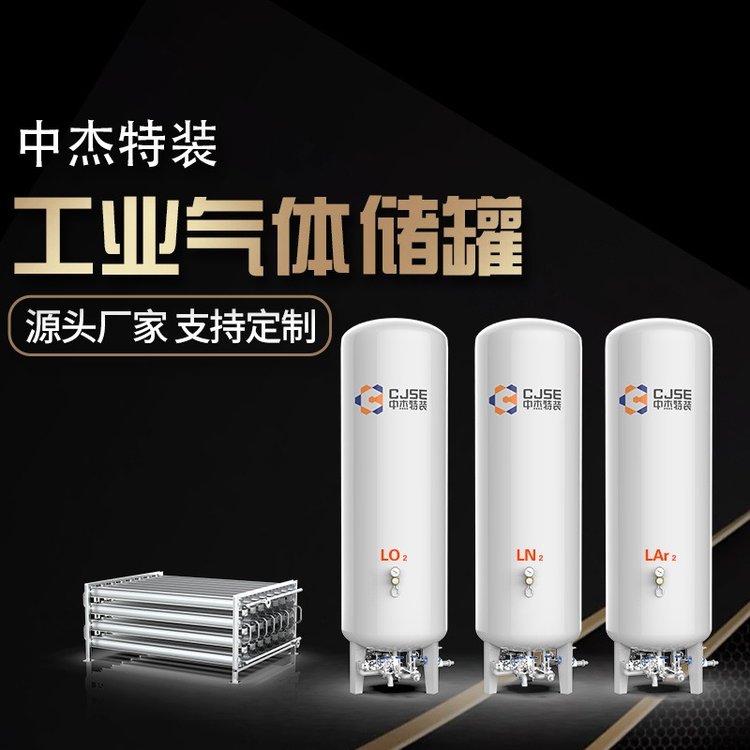

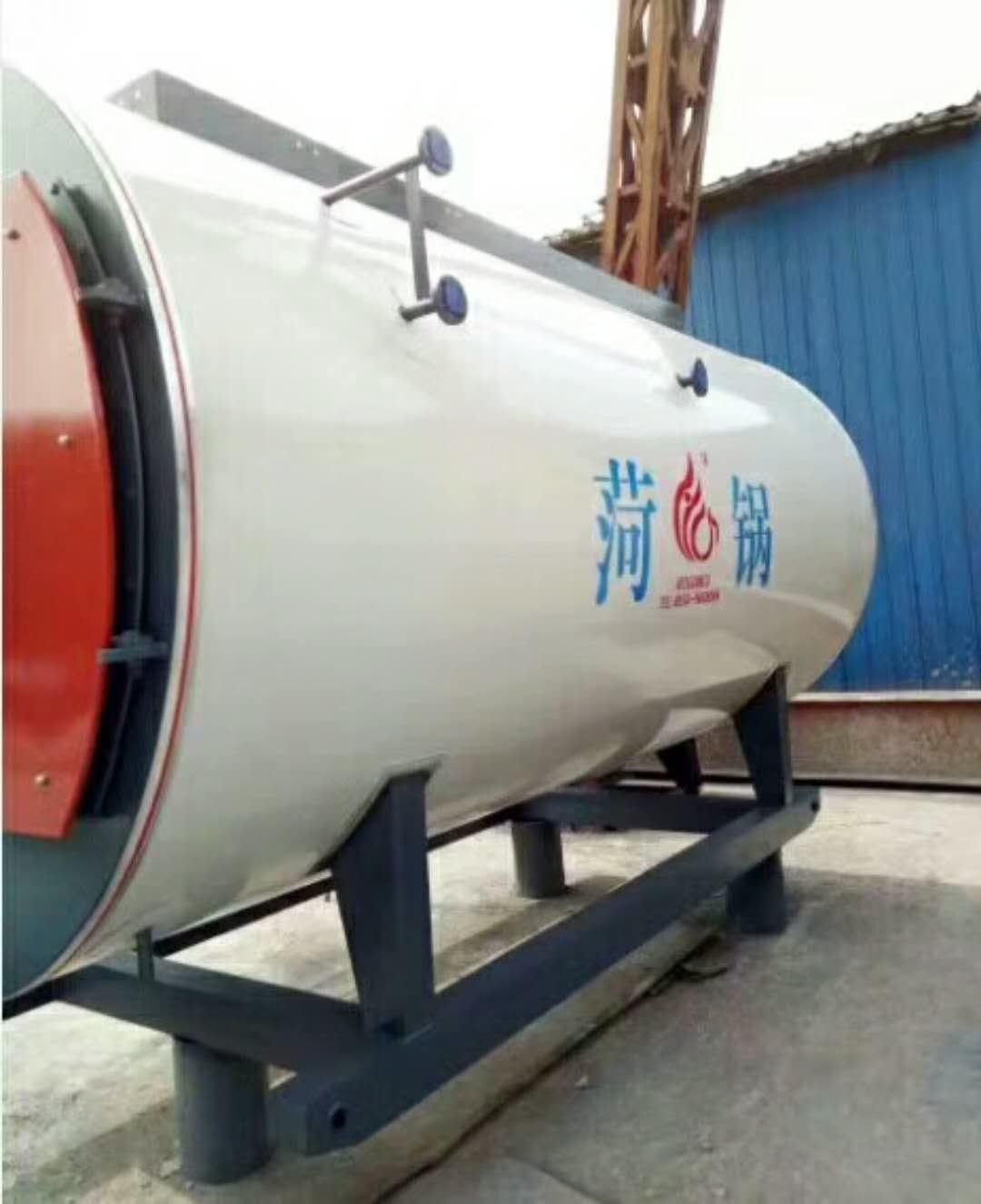
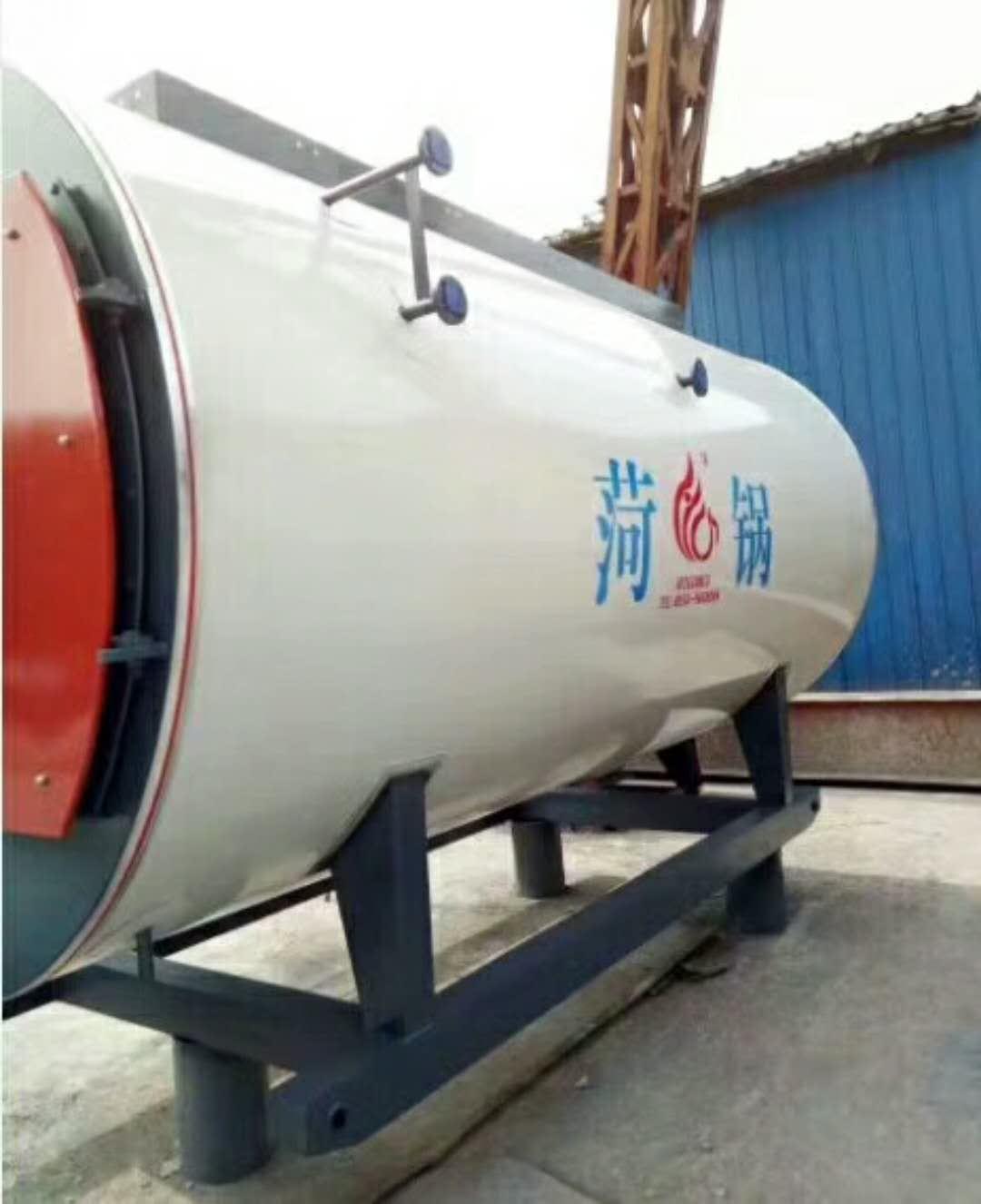


















Shandong Zhongjie Special Equipment specializes in products such as fuel (gas) boilers, organic heat carrier boilers, biomass boilers, waste heat boilers, and other boiler products; vacuum insulation cryogenic pressure vessels like LNG, oxygen-nitrogen-argon, and CO2 tanks; pressure vessel products including denitrification engineering equipment, heat storage and energy storage equipment, and complete chemical equipment sets; central air conditioning and ventilation equipment like ground (water) source heat pumps, air source units, water-cooled screw units, and air-cooled modular systems. Planned products include large-scale energy centers, LNG transport vehicles, LNG tank containers, and other green energy equipment.
Additionally, the use of liquid carbon dioxide tanks must adhere to specific industry standards and regulations based on the particular industry and application scenario. For instance, when using liquid carbon dioxide tanks in the food and beverage industry, relevant food safety and hygiene standards must be followed. It's important to note that different regions may have varying standards and regulations applicable to the use of liquid carbon dioxide tanks. Therefore, operations and usage should be conducted in accordance with local laws and standards.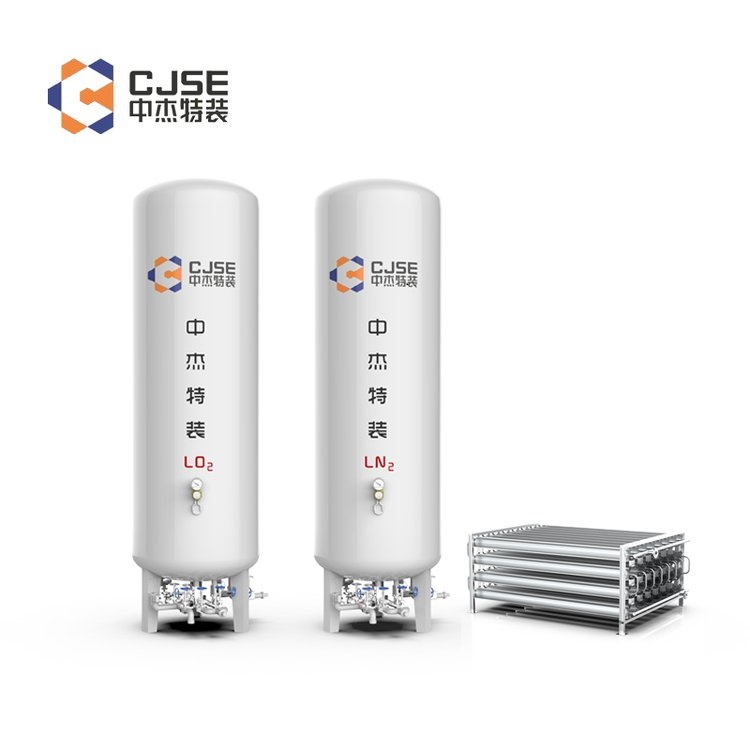
When handling CO2 storage tanks, static electricity is a safety issue that needs attention. Here are some methods to avoid static:
- Grounding: Ensure the tank and related equipment are properly grounded. Grounding releases static electricity to the ground, reducing the likelihood of static buildup. Use specialized grounding devices and cables to ensure reliable grounding.
- Antistatic Equipment: Use antistatic equipment such as antistatic clothing, shoes, and gloves. These devices help eliminate or reduce static buildup and protect the operator's safety.
- Avoid Friction: Prevent friction during operation, especially when in contact with flammable or explosive gases. Friction generates static, increasing the risk of fire or explosion.
- Control Humidity: Maintain an appropriate humidity level in the operating environment; higher humidity can reduce the generation and accumulation of static. Use humidifiers or other humidity control devices to adjust the environmental humidity.
- Avoid Plastic or Rubber Materials: Plastic and rubber materials are prone to static generation; try to avoid using these materials during operation. Choose materials with good antistatic properties for handling.
- Static Eliminators: Use static eliminators to eliminate or reduce static buildup. Static eliminators neutralize static by releasing charges, reducing the danger of static.
- Tank Cleaning: Regularly clean the inside of the tank to remove accumulated impurities and dirt. Be cautious to prevent the generation and accumulation of static during the cleaning process.
Note that the methods to avoid static should be determined based on the specific operating environment and tank characteristics. During operation, follow relevant safety regulations and standards, and consult with experts if necessary.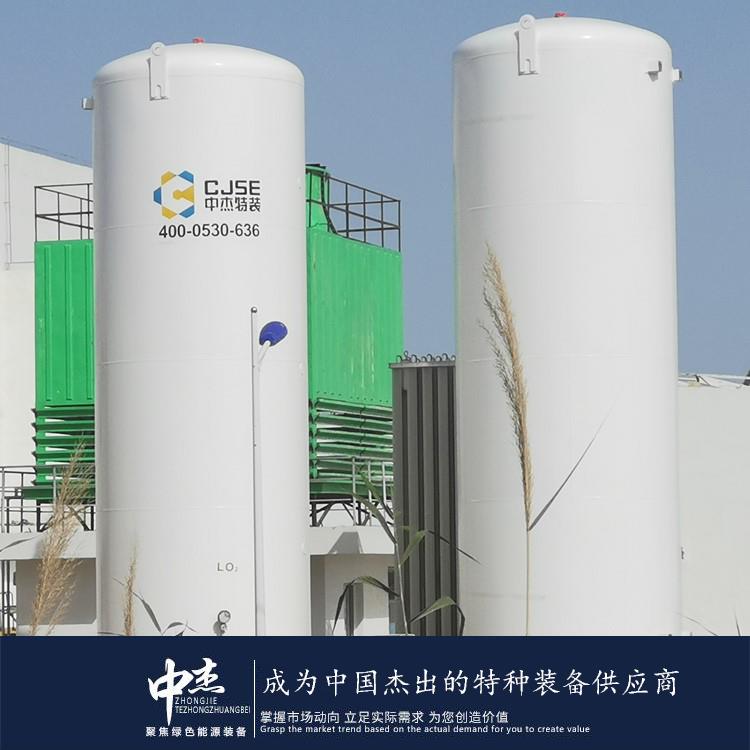
When using CO2 storage tanks, pay attention to the following aspects:
- Safe Operation: Operators must receive training to understand the characteristics, operation requirements, and safety measures of CO2 storage tanks. Adhere to relevant safety operation procedures and standards to ensure operational safety.
- Tank Inspection: Regularly inspect the tank's appearance, sealing, valves, and pipeline connections before use. Repair or replace promptly if any abnormalities or damage are found.
- Tank Placement: Store tanks in well-ventilated, dry areas away from fire sources. Avoid direct sunlight and high temperatures to prevent overheating.
- Leak Protection: Ensure that valves and pipeline connections are sealed properly to prevent CO2 leakage. Regularly inspect and replace seals, and address leaks promptly.
- Pressure Control: The internal pressure of the tank should be within a safe range. Check the tank's pressure gauge and safety valve before use to ensure proper operation. Avoid excessive or low pressure to prevent accidents.
- Fire Prevention: CO2 is flammable; use fire prevention measures. Smoking, open flame operations, or placing flammable items near the tank are prohibited.
- Exhaust Emission: Properly discharge exhaust gases when using CO2 storage tanks to avoid CO2 accumulation in enclosed spaces, which can cause asphyxiation and safety risks.
- Emergency Response Plan: Develop and implement an emergency response plan, including procedures for handling leaks, evacuation, and first aid measures. Operators should be familiar with the plan and conduct drills regularly.
- Note: CO2 storage tanks should only be used by trained operators following relevant safety operation procedures and standards. Seek advice and guidance from knowledgeable professionals.
The design requirements for carbon dioxide storage tanks typically include the following aspects: Pressure Vessel Design: Carbon dioxide storage tanks are generally designed as high-pressure vessels capable of withstanding high pressure. The design must comply with relevant standards and regulations, such as Standard GB150 "Steel Pressure Vessels." Material Selection: The choice of materials for the tank should consider the properties of carbon dioxide, such as high pressure, high oxidizability, and corrosiveness. Common materials include carbon steel and stainless steel, which should be selected based on specific working conditions and requirements. Safety Valve and Pressure Control: The tank should be equipped with a safety valve and pressure control device to ensure the internal pressure of the tank remains within a safe range. The safety valve should be selected according to design requirements and be inspected and tested regularly to ensure proper functioning. Insulation Performance: Since carbon dioxide needs to be maintained in a liquid state at low temperatures, the tank should have good insulation properties to prevent excessive evaporation of liquid carbon dioxide and energy loss. The selection and design of insulation materials and layers should consider working temperatures and environmental conditions. Leak Detection and Alarm: The tank should be equipped with leak detection devices and alarm systems, as well as corresponding monitoring equipment. These devices can detect leaks in a timely manner and trigger alarms to take appropriate measures. Structural Strength and Stability: The structural design of the tank should be sufficiently strong and stable to withstand internal pressure and external loads. The structural design should comply with relevant standards and regulations, such as Standard GB12337 "Design Code for Pressure Vessels." Safe Operation and Maintenance: The design of the tank should take into account the ease of safe operation and maintenance, such as the placement of manholes, inspection openings, and drain outlets.
Zhongjie Special Equipment upholds the grand vision of "realizing employees' dreams, creating customer value, and striving for the prosperity and strength of our motherland," focusing on the development of green energy equipment. We dedicate high-quality, cost-effective products and services to society!
WeChat Official Account

Scan to follow Official Account



















