


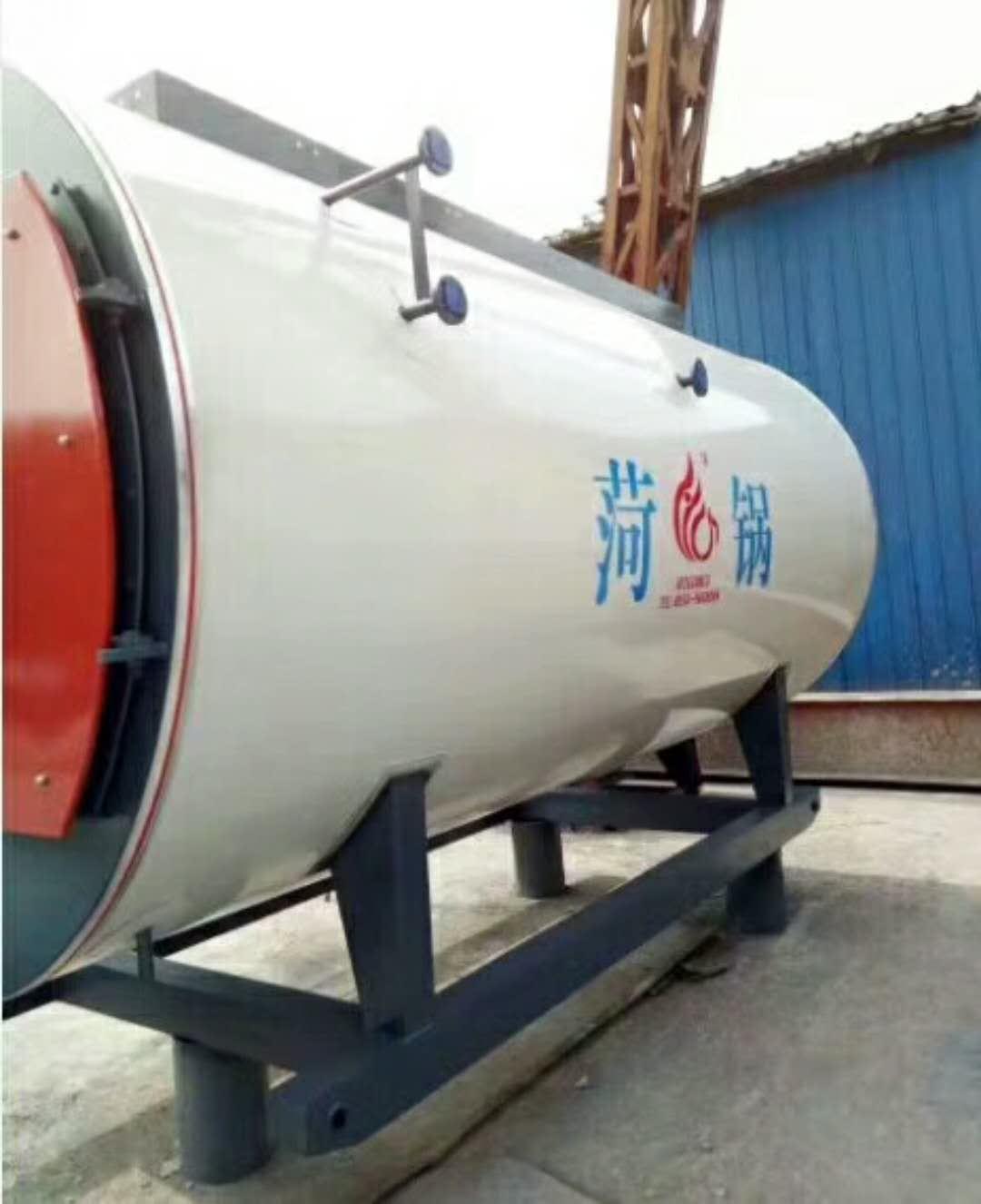

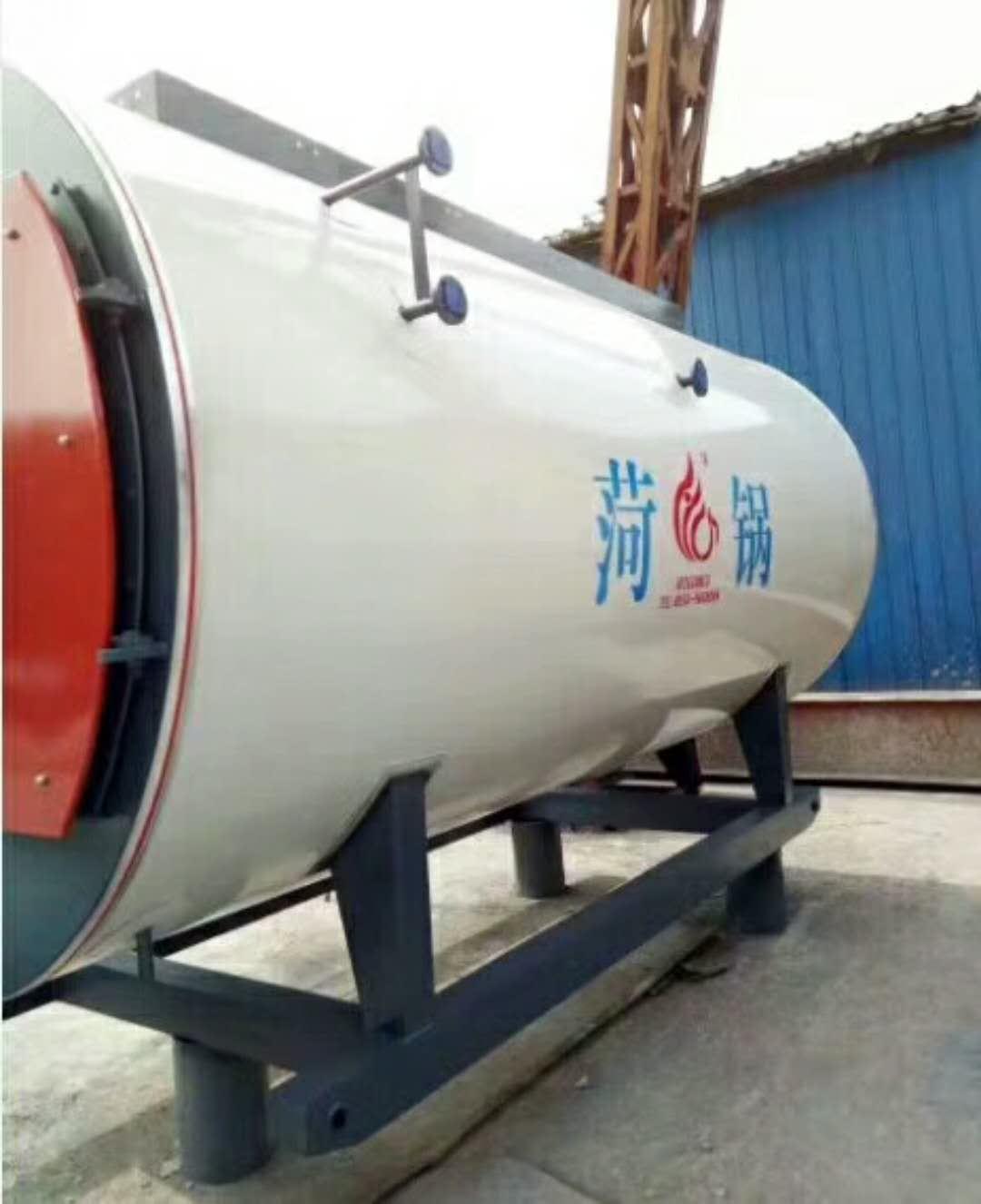


















Shandong Zhongjie Special Equipment (formerly Heze Boiler Factory Co., Ltd.) holds an A-grade boiler manufacturing license, an A2-grade pressure vessel manufacturing license, an A2-grade pressure vessel design license, a B-grade boiler installation license, and GB2/Class and GC2/Class pressure pipeline installation licenses, as well as an electromechanical equipment installation contracting qualification. It is a member of the China Boiler and Water Treatment Association, the China Chemical Equipment Association, and the director unit of the Shandong Equipment Manufacturing Association. The company has also passed certifications for the ISO9001 Quality Management System, ISO14001 Environmental Management System, OHSAS18001 Occupational Health and Safety Management System, and the American ASME/U2 certification.
During the use of low-temperature liquid storage tanks, the following points should be noted:
Protective Gear: When handling low-temperature liquid storage tanks, appropriate protective gear must be worn, including protective gloves, suits, and non-slip shoes. This gear safeguards the skin from harm caused by low-temperature liquids.
Avoid direct contact: Low-temperature liquids can be cold, which may cause discomfort. Therefore, it is advisable to avoid direct contact with low-temperature liquids, especially with the skin. Use tools or equipment for handling to prevent direct hand contact with low-temperature liquids.
Ventilation Requirements: In the operational area of low-temperature liquid storage tanks, adequate ventilation must be ensured to expel gases produced by the evaporation of low-temperature liquids. Maintain air circulation to avoid excessive oxygen concentration, and reduce the risk of fire and explosion.
Prevent Leaks: Regularly inspect low-temperature liquid storage tanks for leaks and equip with leak detection and alarm systems. In case of a leak, take immediate action to control and repair it. Avoid harm to personnel and the environment caused by the leakage of low-temperature liquids.
Fire Prevention Measures: Low-temperature liquids have low boiling and freezing points, making them prone to fires. To prevent and contain fires, fire barriers should be set up around low-temperature liquid storage tanks, and fire-retardant coatings should be used.
Static Protection: Handling low-temperature liquids may generate static electricity, increasing the risk of sparks igniting fires. Measures such as using static-conductive materials and anti-static equipment should be taken to reduce the accumulation and release of static electricity.
Regular inspections and maintenance: Conduct regular checks on the condition of low-temperature liquid storage tanks and related equipment, including valves, pipelines, pressure gauges, etc. Ensure that the equipment is intact and promptly repair or replace any damaged components.
Waste Gas Treatment: The use of low-temperature liquids generates waste gas, which requires appropriate waste gas treatment measures to minimize environmental impact.
The above are the precautions to be taken when using low-temperature liquid storage tanks, ensuring operational safety and the normal operation of the tank. During operation, it is imperative to strictly follow the relevant operational procedures and safety requirements.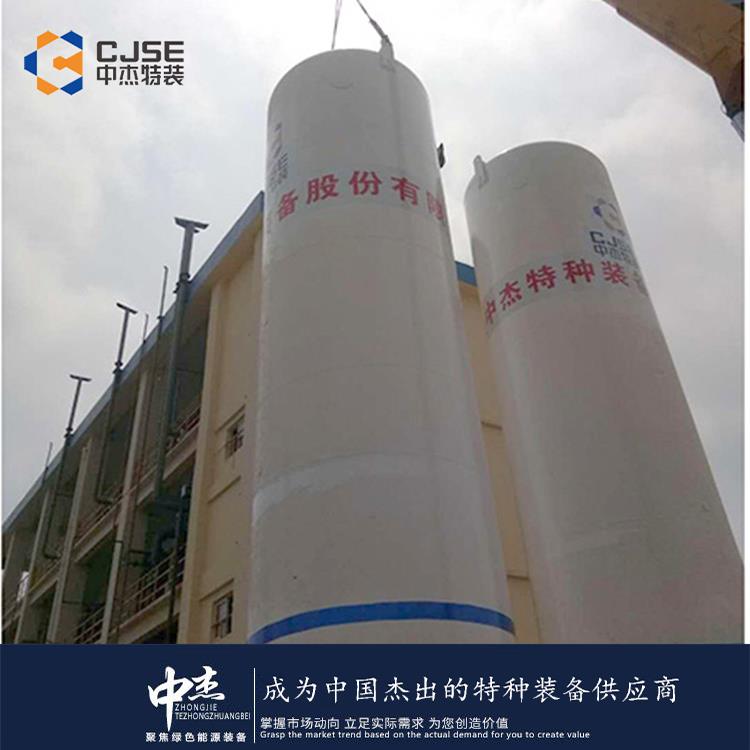
Low-temperature liquid storage tanks feature the following characteristics and usage advantages:
Features:
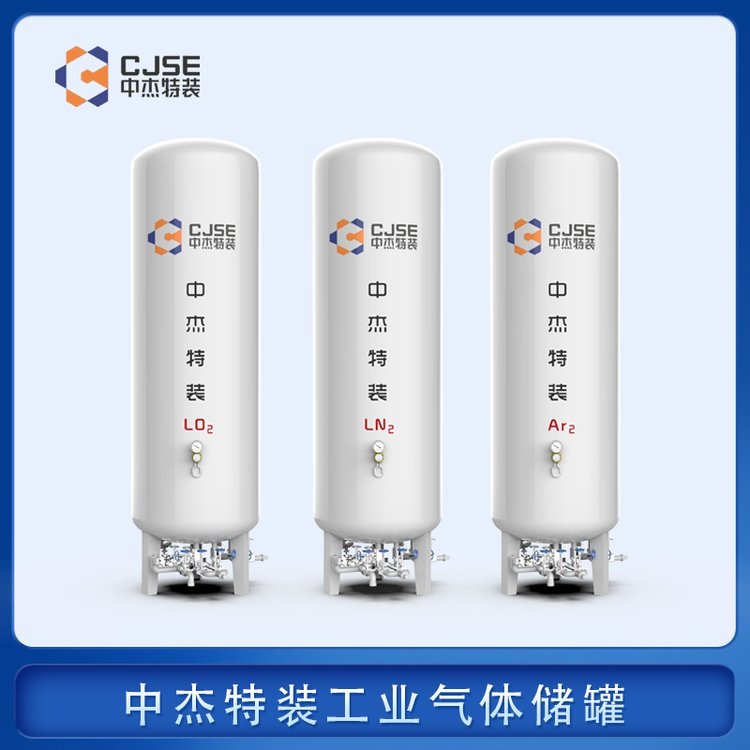
Low-Temperature Storage: Low-temperature liquid storage tanks can store low-temperature liquids (such as liquid nitrogen, liquid oxygen, etc.) at low temperatures, maintaining their liquid state. Liquid storage significantly enhances storage density and saves space.
Insulation: Low-temperature liquid storage tanks are equipped with special insulation materials and structural designs, effectively reducing heat conduction and maintaining stable temperatures for the liquid. This aids in minimizing energy loss and liquid evaporation.
Safety: Low-temperature liquid storage tanks offer excellent safety performance. The tanks are made with special materials and structural design, capable of withstanding low temperatures and high pressures. Additionally, the tanks are equipped with safety devices, such as pressure relief valves and liquid level alarms, to ensure safe operation and use.
Utilization Advantages:
High Purity Supply: Low-temperature liquid storage tanks can provide high-purity liquid substance supply. Through refrigeration and purification processes, high-purity liquid gases can be obtained to meet the requirements of various applications, such as industrial and scientific research fields.
Long-term Storage: Low-temperature liquid storage tanks are designed for long-term storage of low-temperature liquids, extending their service life. By controlling the temperature within the tank and the performance of the insulation layer, the evaporation and oxidation of the liquid can be slowed down, maintaining its stability and purity.
Wide Range of Applications: Low-temperature liquid storage tanks are extensively used in various fields such as industry and scientific research. They can be used for storing liquid oxygen and providing oxygen supply; in the industrial sector, they are suitable for storing liquid natural gas (LNG) and liquid nitrogen, among other process gases; and in scientific research, they can store low-temperature experimental samples.
Environmental Protection and Energy Saving: Low-temperature liquid storage tanks enable effective storage and utilization of low-temperature liquids, reducing energy waste and environmental pollution. Storage of liquid substances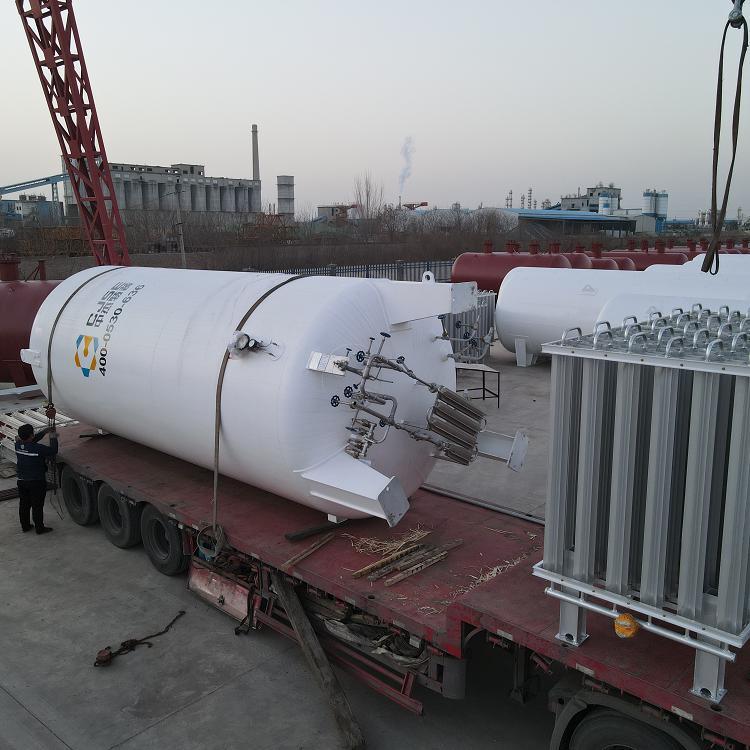
Several factors need to be considered when determining the design pressure and calculated pressure of a liquid oxygen storage tank:
Design Pressure: Design pressure refers to the maximum pressure a tank can withstand under normal operating conditions. When determining the design pressure, factors such as the working pressure range of liquid oxygen, the material strength of the tank, and safety factors must be considered. Generally, the design pressure should be slightly higher than the high working pressure of liquid oxygen to ensure the tank's safety and reliability within the normal operating range.
Calculation Pressure: The calculation pressure refers to the actual working pressure of the tank under the design pressure. The calculation pressure is determined based on factors such as the properties of liquid oxygen, the geometric shape of the tank, and the material strength. The calculation pressure should consider factors like the expansion coefficient of liquid oxygen, temperature changes, and pressure fluctuations to ensure the safety and stability of the tank under actual working conditions.
Determining the design and calculated pressures for liquid oxygen storage tanks typically requires referencing relevant standards and regulations, such as Standard GB150 "Steel Pressure Vessels" and GB18442 "Technical Conditions for Storage Tanks of Liquid Oxygen, Liquid Nitrogen, and Liquid Argon." These standards and regulations provide detailed design and calculation methods to ensure the safety and reliability of the tanks.
In practical applications, the design pressure and calculated pressure of liquid oxygen storage tanks should be computed and determined by pressure vessel designers. They will take into account specific engineering requirements, tank dimensions, materials, and other factors to ensure that the tank's design and use comply with relevant safety standards and regulations.
Liquid oxygen tanks are used for storing and supplying liquid oxygen as fuel and oxidizer, playing a crucial role in launch propulsion systems, etc. Industrial Production: Liquid oxygen is used as an oxidizer in industrial production for processes such as combustion, oxidation, and oxygen supply. Liquid oxygen tanks are used to store and supply liquid oxygen to meet the needs of industrial applications like metal cutting, welding, and chemical reactions. Equipment: Liquid oxygen tanks are used in equipment to supply oxygen for applications such as oxygen therapy, oxygen inhalation, and operating rooms. These tanks provide high-purity oxygen while maintaining low temperatures to meet the equipment's oxygen requirements. Laboratory Research: Liquid oxygen tanks are used in scientific research and laboratories to provide liquid oxygen as experimental materials and reagents. The low temperature and high purity of liquid oxygen make it widely applicable in laboratories for fields such as materials science, chemical reactions, and biomedical research. In summary, liquid oxygen tanks are important in various fields including industrial production, equipment, and laboratory research, providing storage and supply functions for liquid oxygen at the application sites.
Chongjie Special Equipment adheres to the grand vision of "realizing employee dreams, creating customer value, and striving for the prosperity and strength of our motherland," focusing on the development of green energy equipment industry, dedicated to contributing to society with high-quality products and services at a competitive price!
WeChat Official Account

Scan to follow Official Account



















