


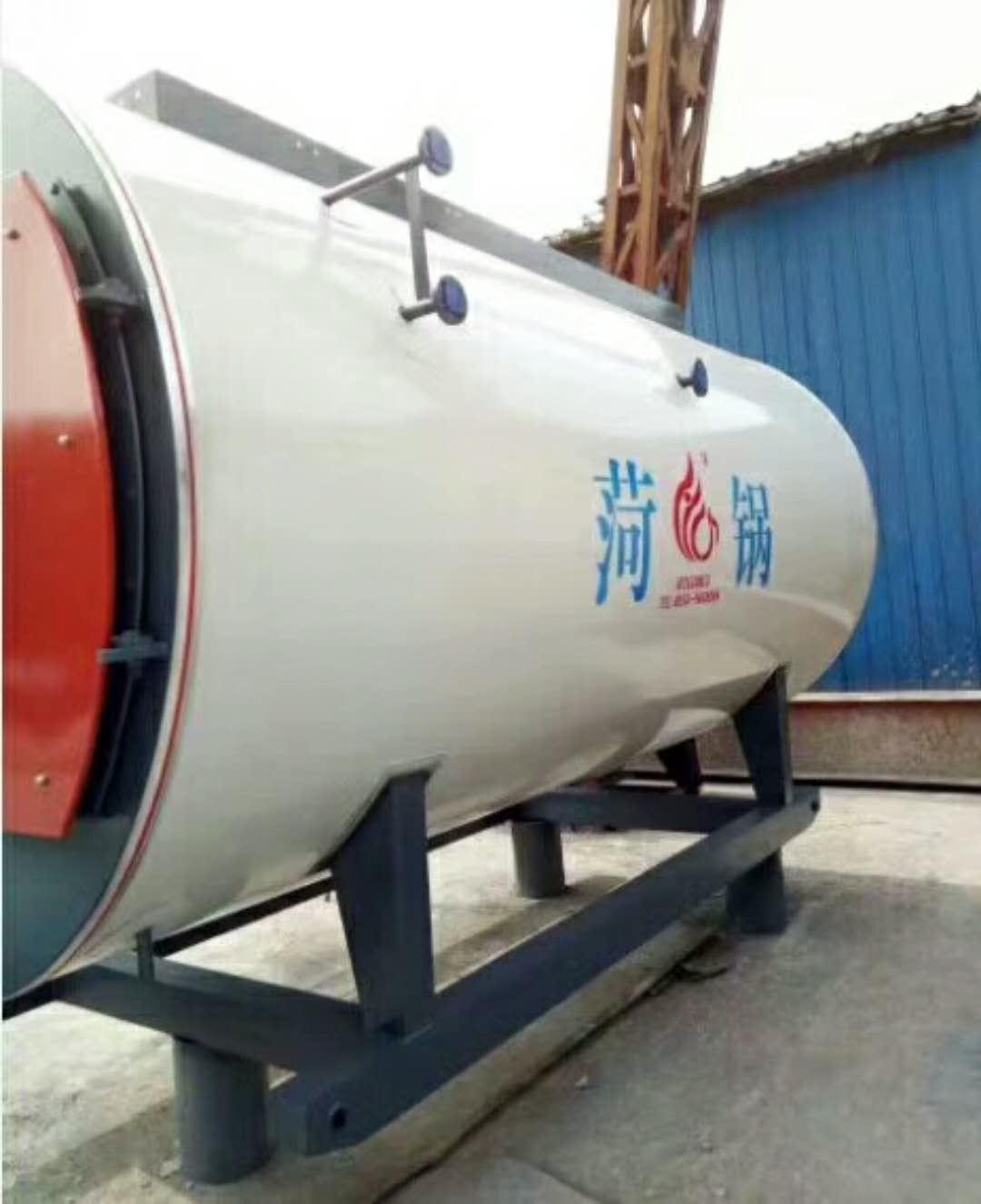

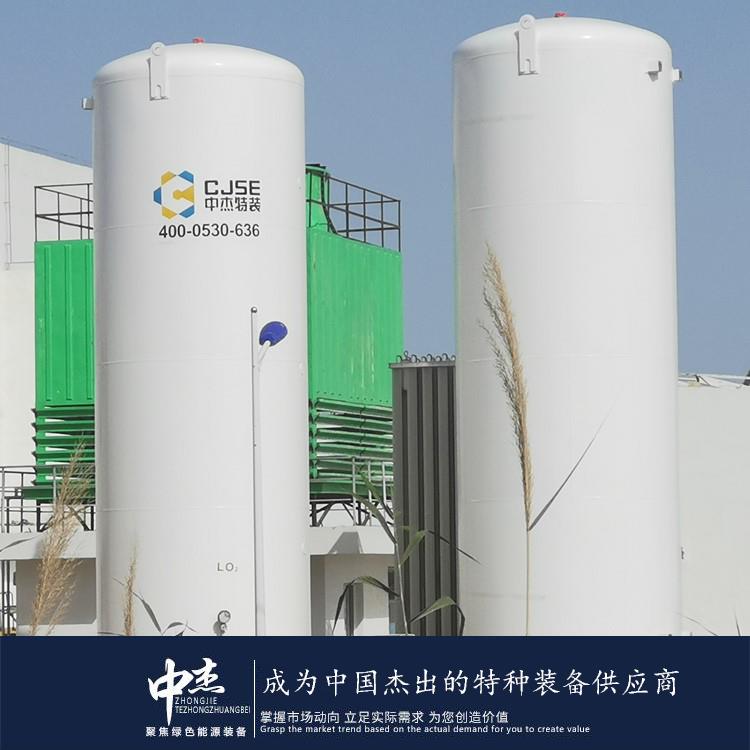
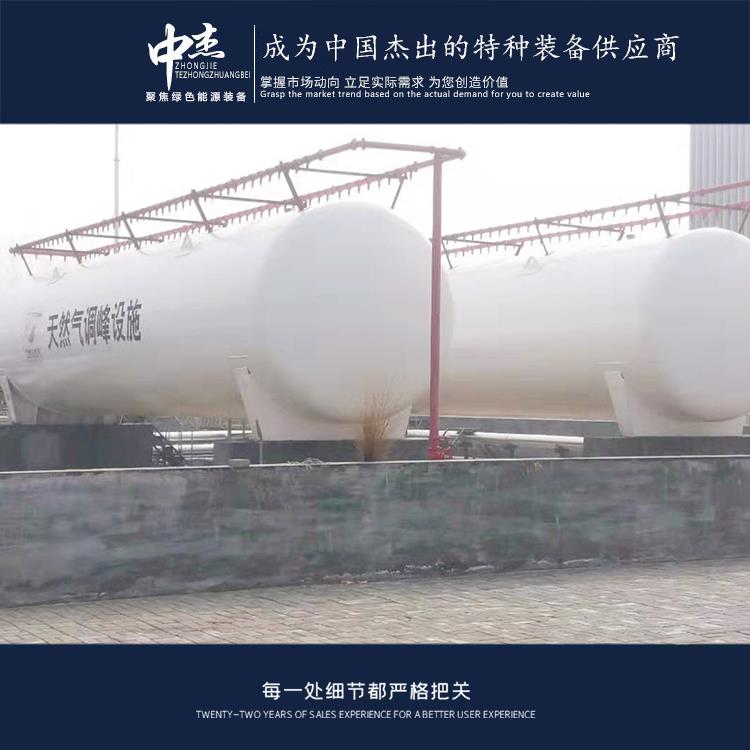


















Shandong Zhongjie Special Equipment (formerly Heze Boiler Factory Co., Ltd.) holds an A-grade boiler manufacturing license, an A2-grade pressure vessel manufacturing license, an A2-grade pressure vessel design license, B-grade boiler installation and GB2, GC2 pressure pipeline installation licenses, as well as an electromechanical installation contracting qualification. It is a member of the China Boiler and Water Treatment Association, the China Chemical Equipment Association, and a director unit of the Shandong Equipment Manufacturing Association. The company has also passed ISO9001 Quality Management System, ISO14001 Environmental Management System, OHSAS18001 Occupational Health and Safety Management System certifications, and the American ASME/U2 certification.
Carbon dioxide tank level gauges are devices used for measuring and monitoring the liquid level of CO2 within the tank. Common types of CO2 tank level gauges, based on different working principles and application requirements, include:
- Buoy Level Gauges: Utilize the buoyancy of a float to indicate liquid level height, measured through mechanical devices or electrical signal sensors connected to the float.
- Pressure Level Gauges: Measure the level using the relationship between liquid pressure and level. Liquid pressure on a pressure sensor is measured to calculate the liquid level height.
- Ultrasonic Level Gauges: Measure the level by the propagation time of ultrasound. An ultrasonic transmitter emits waves, and when the beam hits the liquid surface, part of it is reflected back. The liquid level height is calculated by measuring the reflection time.
- Capillary Level Gauges: Employ the capillary principle to measure the level. By inserting a fine tube into the liquid, it rises inside, and the level height is calculated based on the liquid's rise.
- Wave Reflective Level Gauges: Measure the level by reflecting waves. A transmitter emits waves, and when the beam encounters the liquid surface, part of it is reflected back. The liquid level height is calculated by measuring the reflection time.
The application of these level gauges in CO2 tanks can be chosen based on specific requirements and tank design. When selecting and installing level gauges, consider factors such as liquid properties, working environment, and precision requirements, ensuring they are compatible with the tank's safe operation and monitoring system.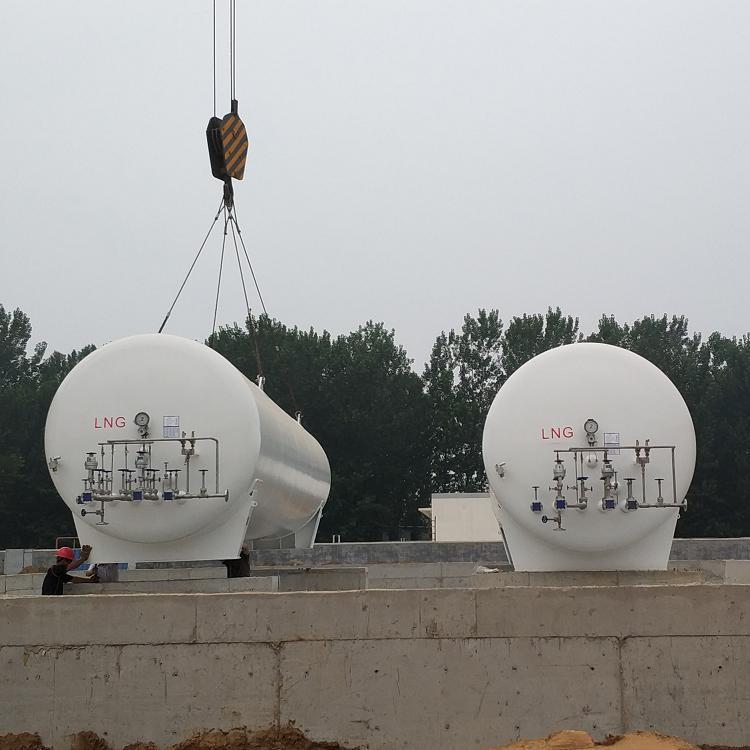
The spacing rules for carbon dioxide storage tanks are typically governed by relevant safety codes and standards, with specific requirements varying due to factors like location, use, and tank capacity. Here are some common spacing regulations:
- Small Spacing Between Tanks: Generally, the small spacing between adjacent tanks should comply with the relevant safety codes and standards. This ensures that neighboring tanks are not affected in case of a leak or accident.
- Spacing Between Tanks and Buildings: The spacing between tanks and buildings must also adhere to the applicable regulations and standards. This ensures that the building is not affected in case of a tank leak or accident.
- Spacing Between Tanks and Equipment: The spacing between tanks and other equipment (such as pipelines, pumps, etc.) must also meet the relevant codes and standards. This ensures the proper operation and maintenance of the equipment.
- Safety and Evacuation Routes: Adequate safety and evacuation routes should be provided around and between tanks to allow for safe evacuation in emergencies.
It's important to note that specific spacing rules may vary by region and industry. Therefore, when installing and using carbon dioxide storage tanks, local safety codes and standards should be referred to, and a professional should be consulted to ensure compliance with the requirements.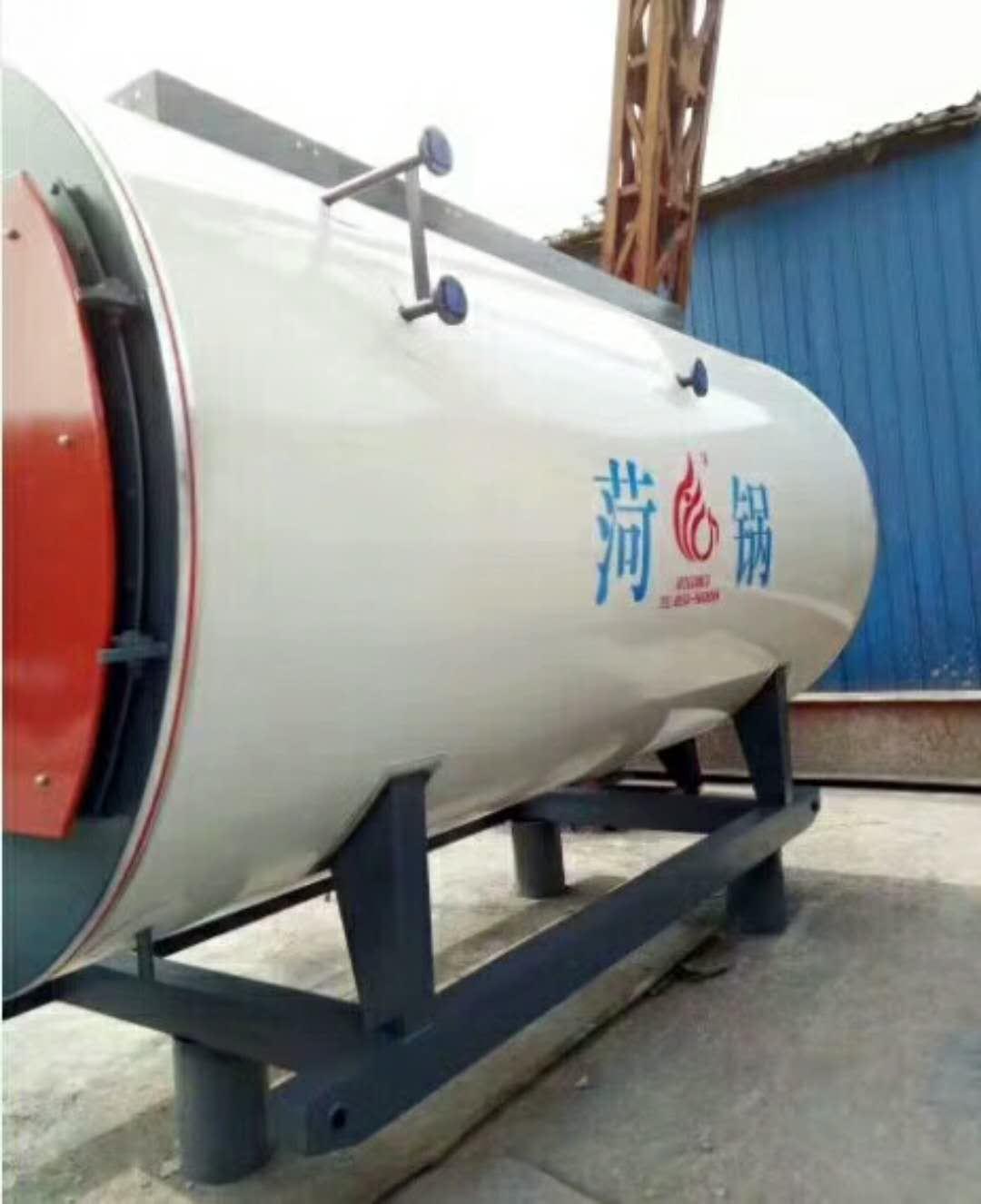
Common drawbacks of corrosion in pressure vessels during use include:
- Chemical media: Certain chemical media are corrosive, such as acids, alkalis, salts, etc. When these media come into contact with the vessel material, corrosion may occur.
- Humidity and moisture: High humidity environments or long-term exposure to moisture can cause corrosion on the vessel surface. Particularly in the presence of oxygen, the corrosion rate may increase.
- Rusting: When the protective layer on the vessel surface (such as coatings or plating) is damaged or destroyed, the vessel may be subject to rusting. Rusting can damage the vessel's surface and may lead to further corrosion.
- Electrochemical corrosion: When different metals or metals and non-metals come into contact, electrochemical corrosion cells may form. This type of corrosion can lead to localized corrosion on the vessel surface.
- Welding defects: Defects such as weld pores and cracks may be introduced during the welding process. These defects may become starting points for corrosion.
Corrosion can weaken the structural strength of the vessel, increasing the risk of leakage or rupture. Therefore, regular inspection and maintenance of the corrosion-resistant coating, coating, or plating on pressure vessels are important. If corrosion issues are found, appropriate measures should be taken to repair or replace the damaged parts.
Additionally, selecting appropriate materials and corrosion prevention measures, as well as proper operation and maintenance methods, can reduce the risk of corrosion in pressure vessels. Adhering to relevant safety operating procedures and standards ensures the safe operation of pressure vessels.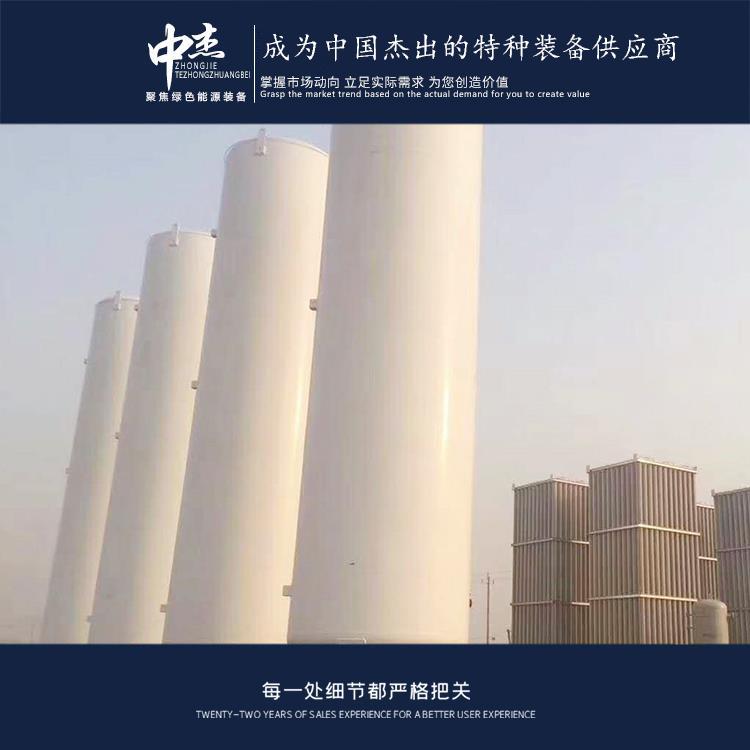
Carbon dioxide storage tanks possess the following safety technical characteristics:
- High-strength materials: These tanks are typically made from high-strength steel or alloy materials to withstand stress and loads under high pressure and low-temperature conditions.
- Safety valves and pressure relief devices: Equipped with safety valves and pressure relief devices to control internal tank pressure and prevent overpressure and explosions. When the internal pressure exceeds the set value, the safety valve will automatically open to release pressure.
- Insulation layer: Internally insulated to reduce heat conduction and liquid evaporation. The insulation is usually a multi-layered structure, including thermal insulation materials and an external protective layer, to maintain stable internal tank temperature.
- Level monitoring and control: Equipped with level monitoring devices to monitor the liquid level within the tank. Timely monitoring and control ensure the liquid stored within the tank is within a safe range.
- Fire and explosion prevention measures: Adopted fire and explosion prevention measures such as fire-resistant coatings, fire-isolation areas, and explosion-proof devices to prevent fires and explosions.
- Leak detection and alarm system: Equipped with a leak detection and alarm system to promptly detect and alert of any leaks. Rapid response and handling can minimize the safety risks caused by leaks.
- Regular inspections and maintenance: Tanks require regular inspections and maintenance, including visual inspections, valve repairs, and pressure tests. Regular maintenance ensures the safety performance and reliability of the tank.
- Note: The specific safety technical characteristics of carbon dioxide storage tanks may vary depending on the type of tank and application. When using a carbon dioxide storage tank, relevant regulations and standards should be followed.
Our company highly values technological innovation and research and development design, boasting one municipal enterprise technology center in Heze City. We have established testing facilities for non-destructive testing, physical and chemical testing, welding testing, hydrostatic testing, etc., and are equipped with over 600 pieces of various equipment, including CNC machine tools, X-ray flaw detectors, digital ultrasonic flaw detectors, mechanical property testing machines, chemical analyzers, spectrometers, tensile testing machines, plasma welding machines, and more. The key products and technologies we have developed, such as welding of temperature and pressure vessels, emissions reduction in biomass boilers, and waste heat recovery, have successively been included in multiple Shandong Provincial Department of Industry and Information Technology science and technology innovation projects, key provincial projects, and Heze City innovative and excellent projects. We have accumulated 27 authorized utility model patents, 16 authorized invention patents, participated in drafting 2 standards, 2 industry standards, and registered 15 trademarks. The technical team of our company, in collaboration with Professor Yajiang Li of Shandong University, has jointly developed deep cryogenic container processing technology, utilizing the internationally recognized plasma arc + wire feeding tungsten inert gas arc welding (PAW-GTAW) technology. The provincial scientific and technological achievement evaluation has determined that our technology level in the deep cryogenic container manufacturing field has reached an international standard. Choose Zhongjie Special Equipment, let's create brilliance together!
WeChat Official Account

Scan to follow Official Account



















