


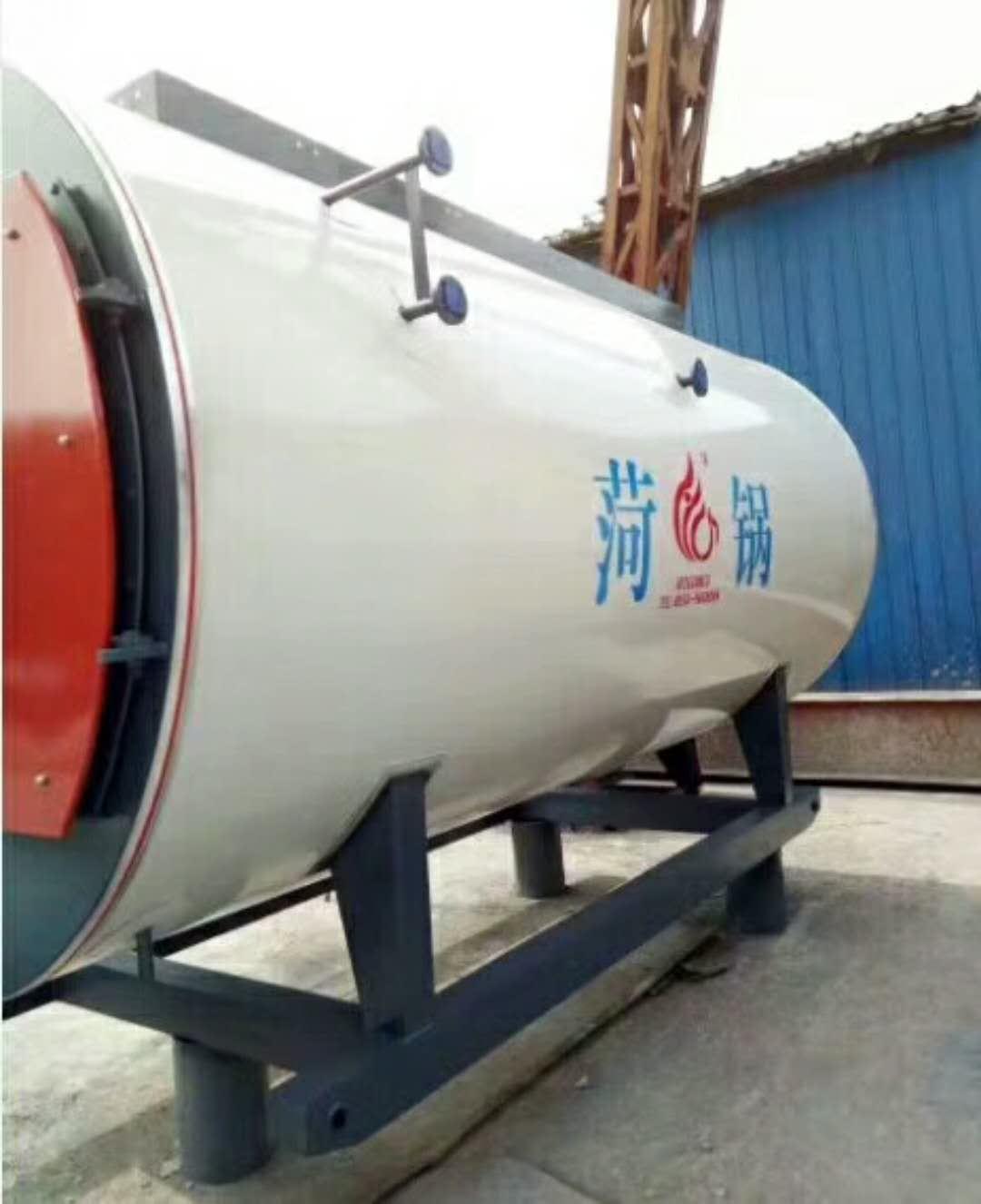

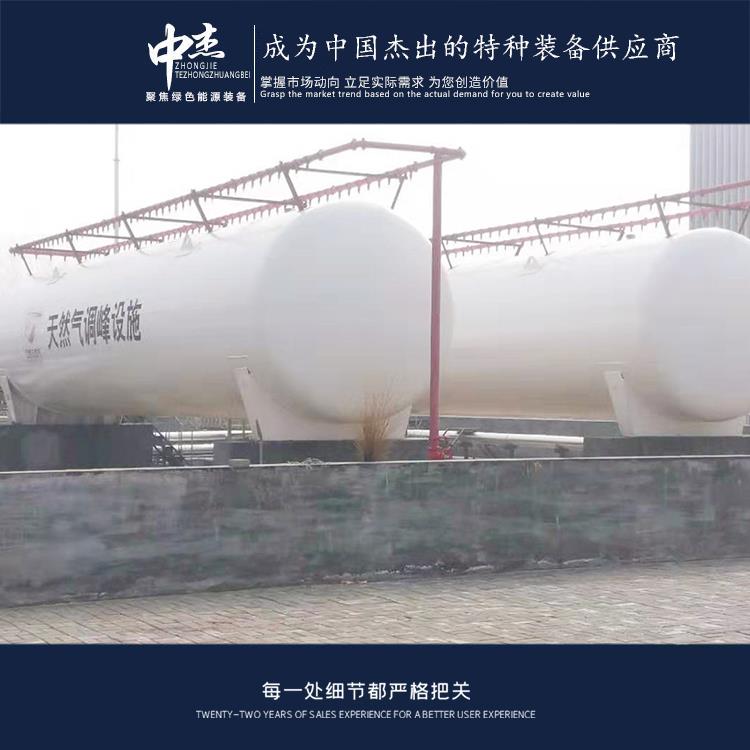
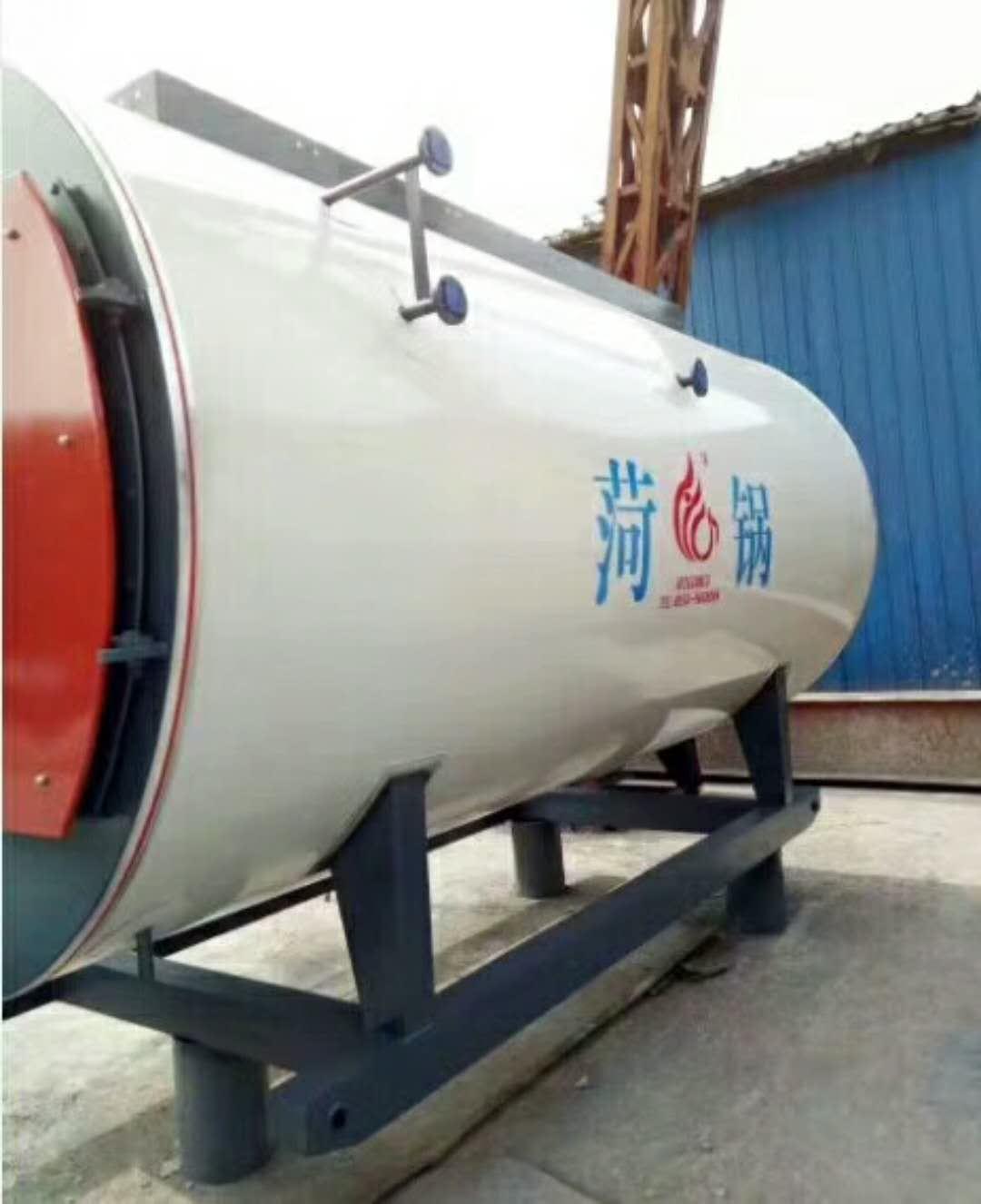


















Shandong Zhongjie Special Equipment (formerly Heze Boiler Factory Co., Ltd.) was established in 2001, located at No. 2218 Jinnan Road, Development Zone, Heze City. With a registered capital of 50 million yuan and total assets of 500 million yuan, the company has 7 business centers: boilers, deep-freezing vessels, pressure vessels, central air conditioning, engineering installation, international trade, and Internet of Things. It operates three factory sites on Jinnan Road, East Changjiang Road, and Bohai Road, covering a total of 200,000 square meters, with the main workshop spanning 83,000 square meters. The company currently employs 710 staff, including 247 engineers and technicians, and 82 intermediate-level technicians. In December 2016, it was recognized as a "High-Tech Enterprise" by the Science and Technology Department. In June 2021, it was identified as a "Specialized and New Enterprise in Shandong Province" by the Ministry of Industry and Information Technology. In June 2022, it was recognized as a "Gazelle Enterprise in Shandong Province" and in August 2022, as a "Specialized and New Small Giant Enterprise" by the Ministry of Industry and Information Technology.
Liquid Oxygen Storage Tanks Offer the Following Advantages:
High Storage Density: Liquid oxygen tanks can store oxygen in liquid form, which offers a higher storage density compared to gas storage. This means more oxygen can be stored in a limited space, providing extended supply times.
High Purity Oxygen Supply: Liquid oxygen tanks can provide high purity oxygen supply. After undergoing refrigeration and purification processes, liquid oxygen can yield high purity oxygen, meeting the requirements of various applications such as industry and scientific research.
User-friendly: The liquid oxygen tank features ease of use. It is equipped with devices such as level gauges and pressure gauges inside, allowing for convenient monitoring of the liquid level and pressure. Additionally, the liquid oxygen tank is fitted with safety devices like pressure relief valves and level alarms to ensure safe operation and usage.
Long-Term Storage: Liquid oxygen tanks are suitable for long-term storage of oxygen. The low-temperature properties of liquid oxygen can slow down the evaporation and oxidation of oxygen, extending its storage life. This is beneficial for applications requiring long-term oxygen storage, such as institutions, laboratories, and industrial production.
Overall, liquid oxygen tanks offer advantages such as high storage density, high purity oxygen supply, ease of use, and long-term storage. This makes liquid oxygen tanks a reliable choice for oxygen supply, widely used in industries and scientific research fields.
The installation of the safety valve on the liquid oxygen storage tank is a crucial component to ensure that the tank can release pressure in a timely manner during overpressure situations, protecting the tank and related equipment. Below are the steps for installing the safety valve on the liquid oxygen storage tank:
Determine the rated pressure of the safety valve: Select an appropriate safety valve based on the design pressure and flow requirements of the liquid oxygen storage tank. Ensure that the rated pressure of the safety valve meets the tank's specifications and complies with relevant safety standards and regulations.
Valve Installation Location: Select an appropriate location for installing the safety valve. Typically, the safety valve should be mounted on the top or side of the liquid oxygen storage tank to ensure timely pressure release in the event of overpressure.
Prepare installation interfaces: Prepare the corresponding interfaces based on the connection method of the safety valve. This may include welding interfaces, threaded interfaces, or flange interfaces, etc. Ensure the sealing and firmness of the connections.
Install the safety valve: Mount the safety valve onto the prepared interface. Follow the installation instructions for the safety valve to ensure proper connection and tightness.
Adjustment and Testing: After installation, adjust and test the safety valve according to its requirements. Ensure that the opening and closing pressures of the safety valve meet the design specifications and conduct a leakage test to verify its sealant properties.
Connect to exhaust pipe: The exhaust pipe of the safety valve should be properly connected to the outlet of the safety valve. The exhaust pipe should have sufficient diameter and flow capacity to ensure effective exhaust of overpressure gas when the safety valve is opened.
Labeling and Documentation: Identify relevant information on safety valves and discharge pipes, such as rated pressure, flow rate, and installation date. Additionally, document the installation details and test results of the safety valves for future reference and maintenance.
When installing the safety valve of the liquid oxygen storage tank, it is imperative to follow the relevant safety regulations and operation guidelines. If you lack the necessary experience and knowledge, it is advisable to seek assistance and guidance from a professional to ensure the correct installation and reliable operation of the safety valve.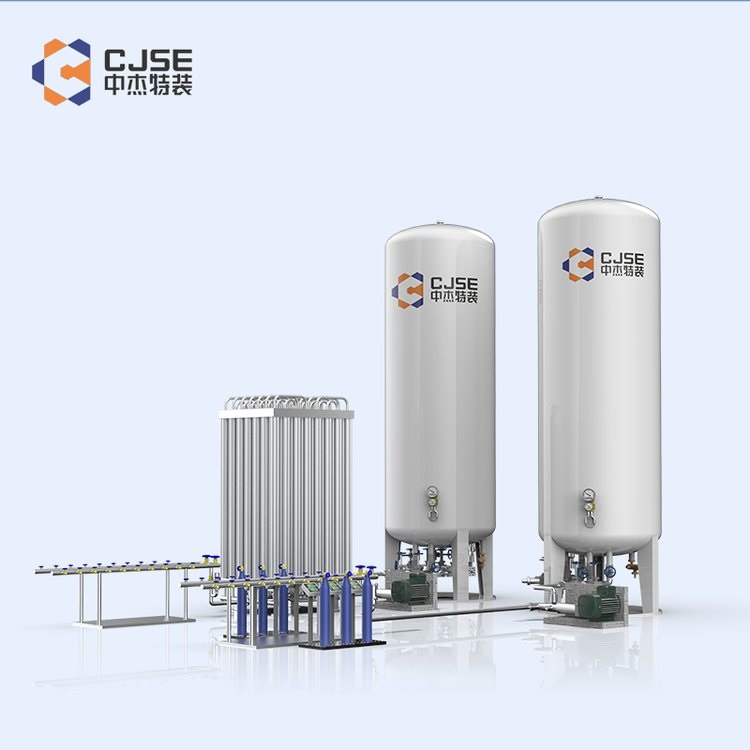
To prevent liquid oxygen tanks from bursting, the following measures can be taken:
Regular Inspections and Maintenance: Conduct regular inspections and maintenance on liquid oxygen tanks, including checking the tank's exterior, welds, valves, and fittings, to ensure they are intact and undamaged. Regularly clean the tank to remove any contaminants or dirt adhering to its surface.
Pressure Control: Storage tanks should be equipped with pressure control devices to ensure the internal pressure of the tank remains within a safe range. Regularly inspect and adjust the pressure control devices to ensure their proper functioning.
Temperature Control: The liquid oxygen tank should be maintained within an appropriate temperature range to prevent excessive heat that could lead to increased pressure. Ensure that the insulating layer of the tank is intact to minimize heat conduction and loss.
Fire Prevention Measures: Liquid oxygen has a high oxygen content and flammability, so strict fire prevention measures must be taken. A fire separation zone should be established around the storage tank, and smoking and open flames are prohibited. Ensure that the storage tank maintains a certain fire separation distance from other facilities.
Pressure Relief Devices and Safety Valves: Liquid oxygen storage tanks should be equipped with pressure relief devices and safety valves to prevent overpressure and sudden pressure increases. Regularly inspect and test the operational status of the pressure relief devices and safety valves to ensure their proper functioning.
Tanks Operation Standards: Adhere strictly to the operation specifications and safety requirements for liquid oxygen tanks. Operators must be trained and familiar with the tank's characteristics and operating techniques. Avoid operational errors and violations.
Emergency Preparedness: Establish emergency response plans and conduct drills to address potential accidents. Train operators in emergency response capabilities to ensure timely and effective handling.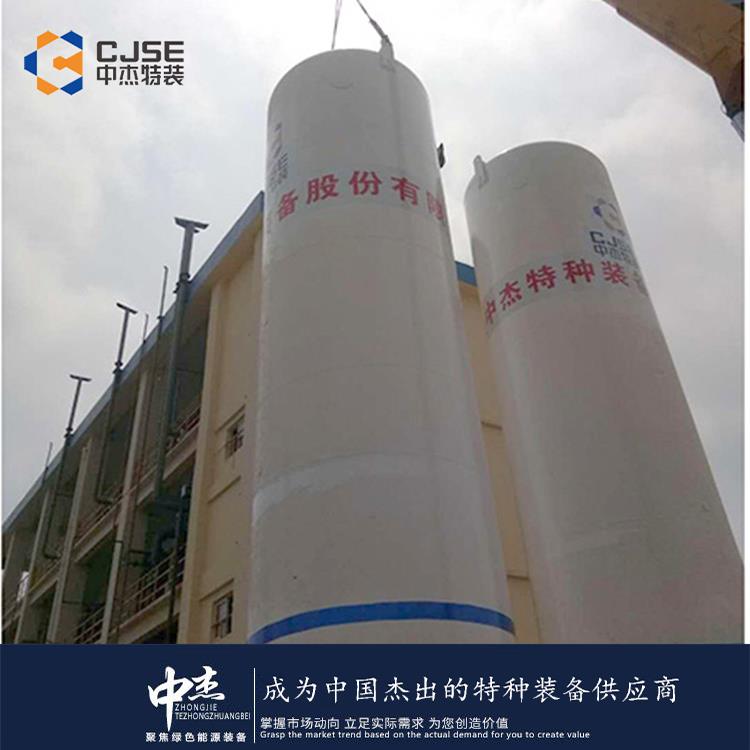
Prior to using the liquid oxygen tank, the following preparations must be made:
Safety Inspection: Ensure the tank and its surrounding environment are safe. Check for any damage, leaks, or other potential hazards. Make sure there are no flammable materials or other dangerous items in the vicinity of the tank.
Tank Preparation: Inspect the tank's exterior, including the shell, welds, valves, and fittings. Ensure the tank has no obvious damage or corrosion. Check that the insulating layer is intact and undamaged.
Liquid Oxygen Filling: Utilize liquid oxygen delivery equipment to fill the tank with liquid oxygen. Ensure that the flow rate and pressure of the liquid oxygen are maintained within safe limits during the filling process.
Pressure Control: Storage tanks should be equipped with pressure control devices to ensure the internal pressure of the tank remains within a safe range. Inspect and adjust the pressure control devices to ensure proper operation.
Valve Operation: Inspect the tank's valves and fittings for proper operation. Ensure the valves open and close smoothly and reliably. Adjust the valves' open and closed positions as required.
Safety Equipment: Inspect the safety equipment around the storage tank, such as fire separation zones and alarm systems, to ensure they are functioning properly.
Operator Training: Ensure operators are knowledgeable in the safe operation of liquid oxygen tanks.
Shandong Zhongjie Special Equipment, welcome customers to our factory for business discussions.
WeChat Official Account

Scan to follow Official Account



















