


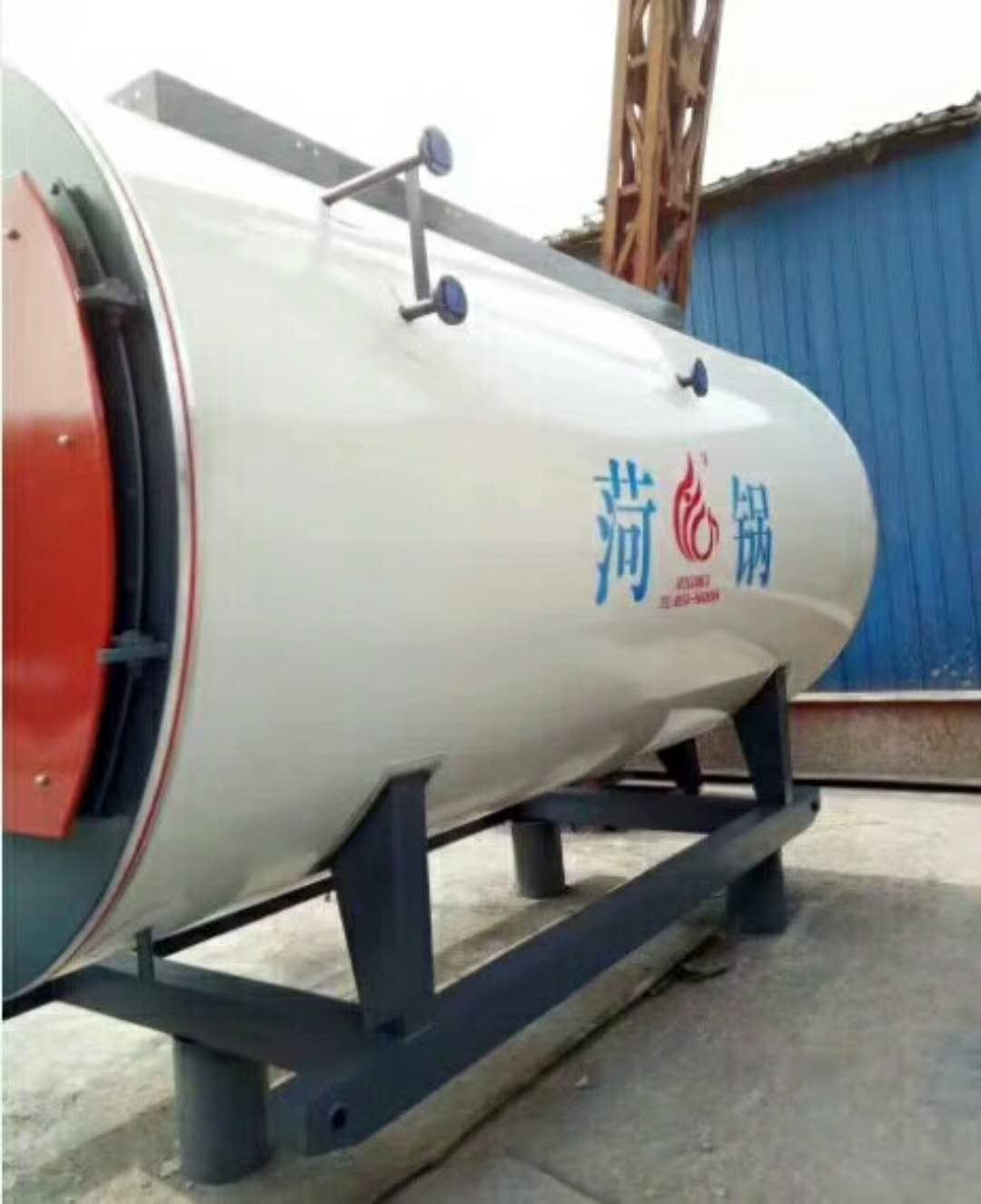

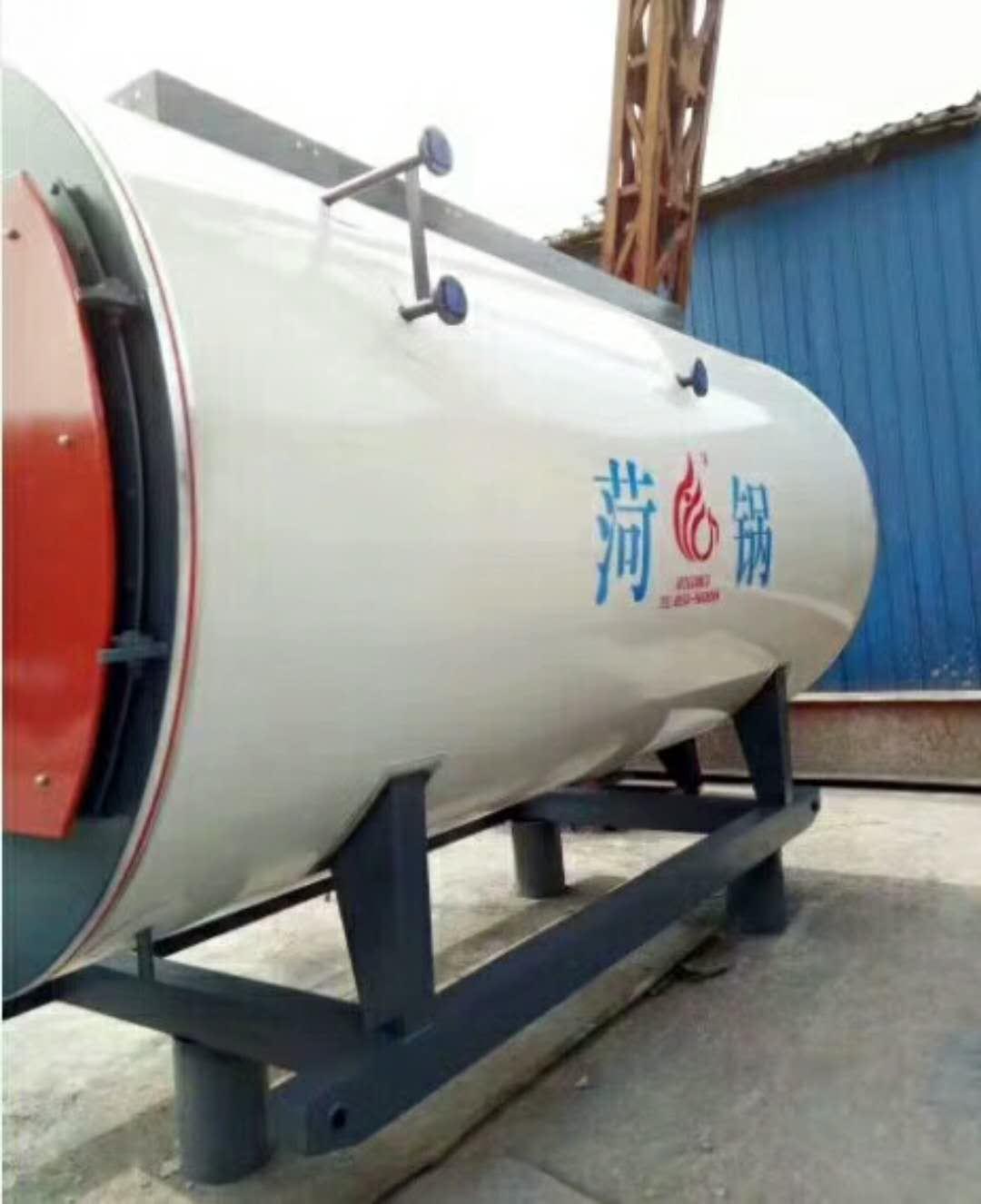
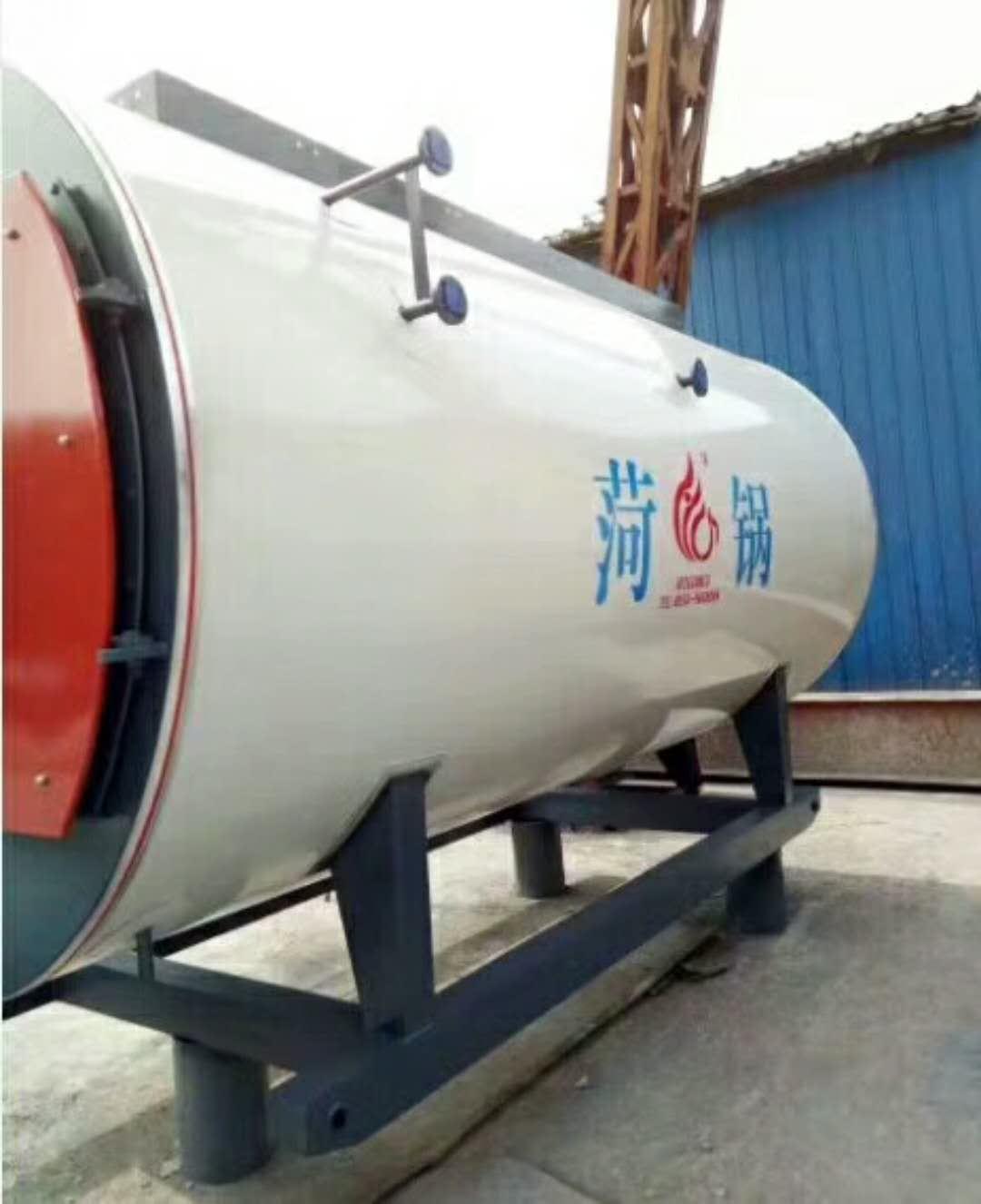


















Shandong Zhongjie Special Equipment (formerly Heze Boiler Factory Co., Ltd.) holds an A-grade boiler manufacturing license, an A2-grade pressure vessel manufacturing license, an A2-grade pressure vessel design license, a B-grade boiler installation license, and GB2/Class, GC2/Class pressure pipeline installation licenses, as well as a mechanical and electrical equipment installation contracting qualification. It is a member of the China Boiler and Water Treatment Association, the China Chemical Equipment Association, and the director unit of the Shandong Equipment Manufacturing Association. The company has also passed the ISO9001 Quality Management System, ISO14001 Environmental Management System, OHSAS18001 Occupational Health and Safety Management System certifications, and the American ASME/U2 certification.
Zhongjie Special Equipment Co., Ltd. is a company specializing in the production of low-temperature liquid storage tanks. They offer a range of specifications and capacities, including liquid nitrogen tanks, liquid oxygen tanks, liquid argon tanks, and more.
The Zhongjie低温 liquid storage tanks are constructed with high-quality materials and advanced manufacturing processes to ensure strength and密封性. The interior is lined with special insulating materials and features a unique structural design, effectively reducing evaporation losses.
The cold liquid storage tanks from Zhongjie feature the following characteristics:
High Safety: The tanks are made of materials with excellent pressure resistance and sealing performance, capable of safely storing low-temperature liquids.
Low Evaporation Loss: The insulation materials and structural design used inside the tank effectively reduce the evaporation loss of the liquid, enhancing the tank's economic efficiency.
A variety of specifications and capacities available: Zhongjie offers a range of low-temperature liquid storage tanks in various specifications and capacities to meet different customer needs.
Customized Design: According to specific customer requirements, ZJET can offer customized design and manufacturing services to cater to various application scenarios.
Volume Manufacturing Process: Zhongjie is equipped with advanced manufacturing equipment and a skilled technical team, ensuring the quality and performance of the storage tanks.
In summary, Zhongjie's customized low-temperature liquid storage tanks offer high safety, low evaporation loss, and a wide range of specifications, making them suitable for storage and transportation needs of low-temperature liquids.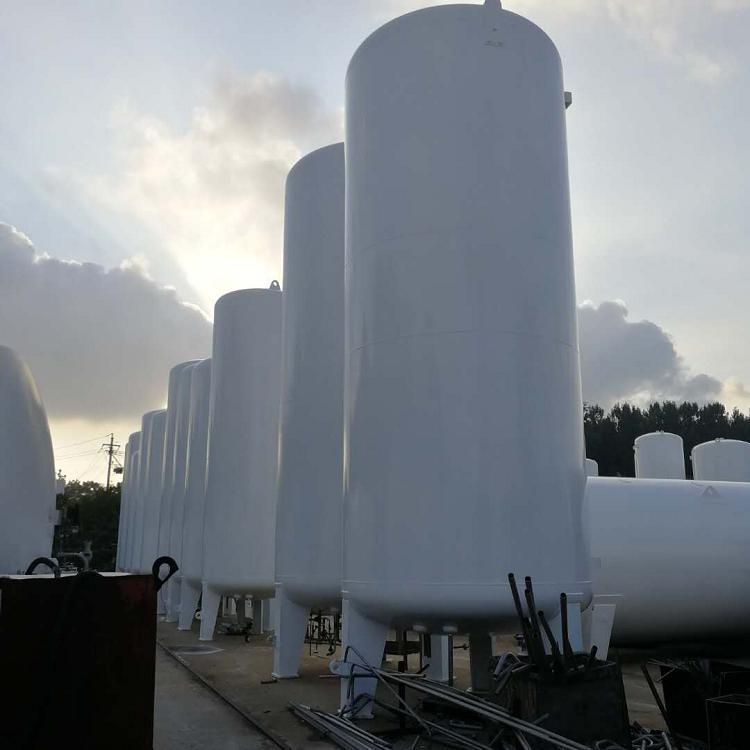
Before using the liquid oxygen tank, the following preparations must be made:
Safety Inspections: Ensure the tank and its surrounding environment are safe. Check for any damage, leaks, or other safety hazards in the tank. Make sure there are no flammable materials or other hazardous items in the vicinity of the tank.
Tank Preparation: Inspect the tank's exterior, including the shell, welds, valves, and fittings. Ensure there are no obvious damages or corrosion. Check that the insulating layer is intact and undamaged.
Liquid Oxygen Filling: Utilize liquid oxygen transfer equipment to fill liquid oxygen into the storage tank. Ensure the flow rate and pressure of liquid oxygen are maintained within a safe range during the filling process.
Pressure Control: Storage tanks should be equipped with pressure control devices to ensure the internal pressure of the tank remains within a safe range. Inspect and adjust the pressure control devices to ensure proper operation.
Valve Operation: Check that the valves and connections on the tank are functioning properly. Ensure the valves open and close smoothly and reliably. Adjust the open and closed states of the valves as needed.
Safety Equipment: Inspect the safety equipment around the storage tank, such as fire separation zones and alarm systems, to ensure they are functioning properly.
Operator Training: Ensure operators are proficient in the safe operation of liquid oxygen storage tanks.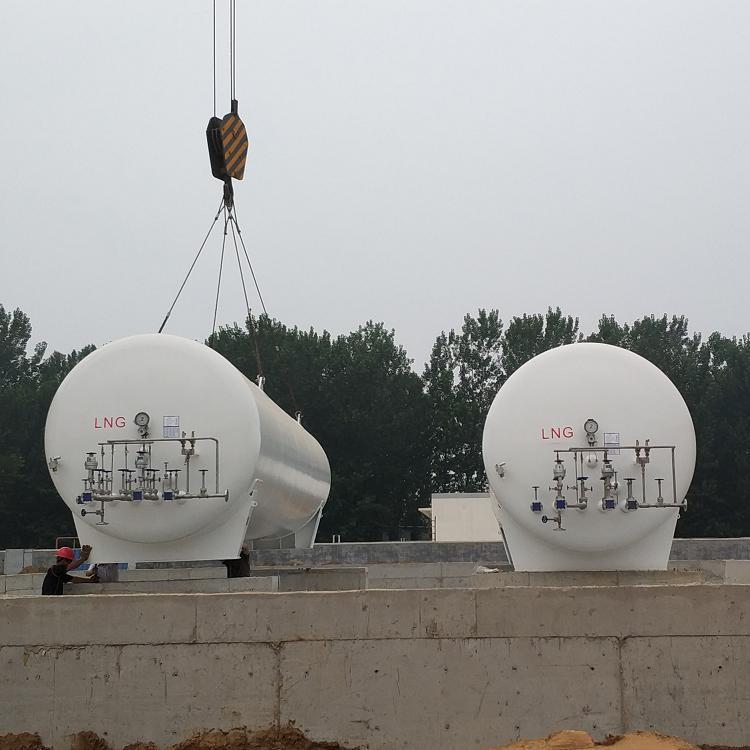
During the operation of low-temperature storage tanks, it is indeed necessary to avoid the occurrence of wrinkling. Wrinkling refers to the phenomenon where the tank wall develops creases or deformation, which can lead to a decrease in the structural strength of the tank and even trigger leaks or ruptures.
Below are some precautions to avoid tank flexing in low-temperature storage:
Tank Design: Select an appropriate tank design to ensure it can withstand the pressure and weight of low-temperature liquids. The tank's wall thickness and support structure should comply with relevant standards and specifications.
Material Selection: Choose materials suitable for low-temperature environments, with sufficient strength and low-temperature resistance. Common materials include low-temperature steel, stainless steel, etc.
Insulation Layer for Storage Tanks: The design and construction of the insulation layer must meet the requirements to ensure effective reduction of heat conduction and temperature variations. The materials and thickness of the insulation layer should be selected based on specific circumstances.
Tank Operation: During the loading and unloading of liquids in the tank, avoid rapid or excessive liquid flow to minimize impact and stress concentration on the tank walls.
Tank Maintenance: Regularly inspect and maintain the structure and insulation of the tanks to ensure they remain intact. Promptly repair or replace any abnormalities or damages found.
Temperature Control: During the operation of low-temperature liquid storage tanks, it is crucial to strictly control the temperature difference between the inside and outside of the tank to avoid excessive temperature changes and thermal stress.
In summary, preventing deformation in low-temperature storage tanks hinges on proper design, material selection, insulation installation and maintenance, as well as strictly controlling temperature variations. Regular inspections and maintenance are crucial for ensuring the safe operation of the tanks.
The primary reason for pre-cooling the liquid oxygen tank before use is to lower the internal temperature of the tank to below the boiling point of liquid oxygen, in order to convert oxygen into a liquid state.
The boiling point of liquid oxygen is -183°C, and at room temperature, oxygen exists in a gaseous state. Liquid oxygen tanks require cooling the oxygen below its boiling point to convert it into a liquid for storage and supply.
The pre-cooling process typically includes the following steps:
Clean Storage Tank: It is necessary to first clean the tank to ensure there are no impurities or contaminants inside, to avoid affecting liquid oxygen.
Drainage and Exhaust: Empty the gas from the storage tank and expel it through the exhaust system to reduce the gas content within the tank.
Add Liquid Nitrogen: Inject liquid nitrogen into the tank, where its low temperature quickly cools the air and walls inside, lowering the tank's temperature.
Wait for cooling: The liquid nitrogen inside the tank will gradually lower the temperature of the tank through the heat conduction until it reaches below the boiling point of liquid oxygen.
The purpose of pre-cooling is to ensure that the temperature inside the storage tank is low enough to meet the storage and supply requirements for liquid oxygen. Pre-cooling can reduce the evaporation and loss of liquid oxygen, and also helps maintain the safety and stability of the tank.
Our company places great emphasis on technological innovation and R&D, boasting 1 municipal-level enterprise technology center in Heze City. We have established testing facilities for non-destructive testing, physical and chemical testing, welding testing, hydrostatic testing, and more. Equipped with over 600 various instruments and equipment such as CNC machines, X-ray flaw detectors, digital ultrasonic flaw detectors, mechanical property testing machines, chemical analyzers, spectrometers, tensile testing machines, and plasma welding machines, our developed key products like temperature-pressure vessels, biomass boiler emission reduction, and waste heat utilization have successively been selected for multiple Shandong Provincial Department of Industry and Information Technology science and technology innovation projects, Shandong Provincial key projects, and Heze City innovation and excellence projects. We have cumulatively obtained 27 authorized utility models, 16 authorized inventions, participated in drafting 2 standards, 2 industry standards, and registered 15 trademarks. The technical team, in collaboration with Professor Yajiang Li from Shandong University, has developed deep cryogenic container processing technology using the internationally recognized plasma arc + filler wire tungsten inert gas arc welding (PAW-GTAW) technique, which has been appraised as reaching international standards in the field of deep cryogenic container manufacturing at the provincial level. Choose Zhongjie Special Equipment, and let's create brilliance together!
WeChat Official Account

Scan to follow Official Account



















