


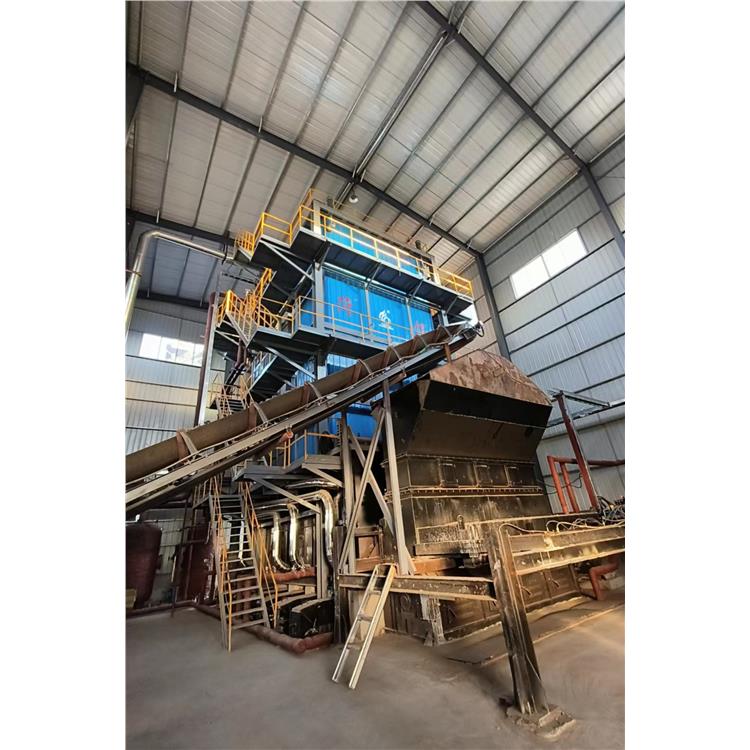



















Shandong Zhongjie Special Equipment (formerly Heze Boiler Factory Co., Ltd.) was established in 2001, located at No. 2218 Jinan Road, Economic and Technological Development Zone, Heze City, with a registered capital of 50 million yuan and total assets of 500 million yuan. The company has 7 major business centers: boiler, deep-freeze containers, pressure vessels, central air conditioning, engineering installation, international trade, and Internet of Things. It operates three factories on Jinan Road, East Yangtze Road, and Bohai Road, covering a total area of 200,000 square meters, with the main workshop spanning 83,000 square meters. Currently, there are 710 employees, including 247 engineers and technicians, and 82 middle-level technicians. In December 2016, it was recognized as a "High-Tech Enterprise" by the Science and Technology Department. In June 2021, it was identified as a "Specialized and New Enterprise of Shandong Province" by the Department of Industry and Information Technology. In June 2022, it was recognized as a "Gazelle Enterprise of Shandong Province," and in August 2022, it was identified as a "Specialized and New Small Giant Enterprise" by the Ministry of Industry and Information Technology.
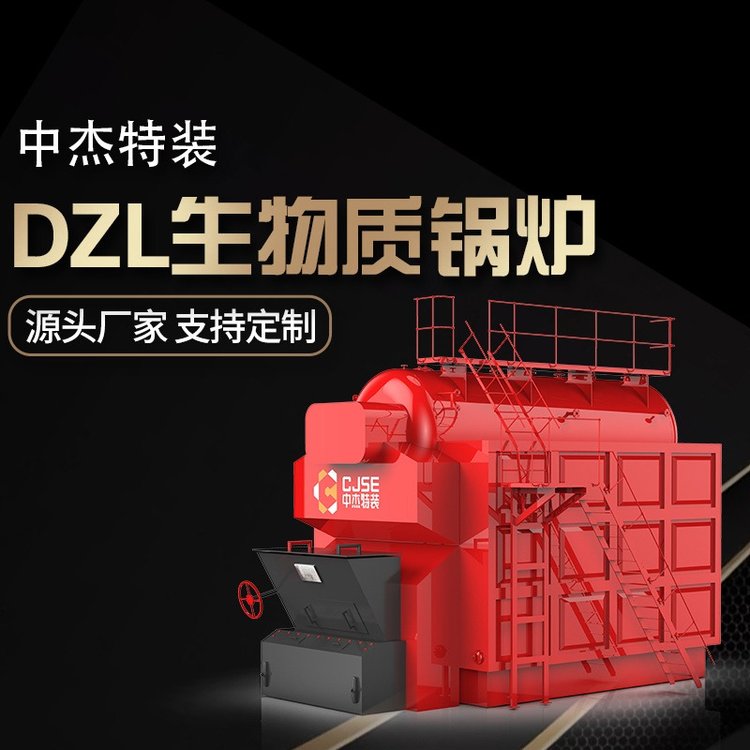
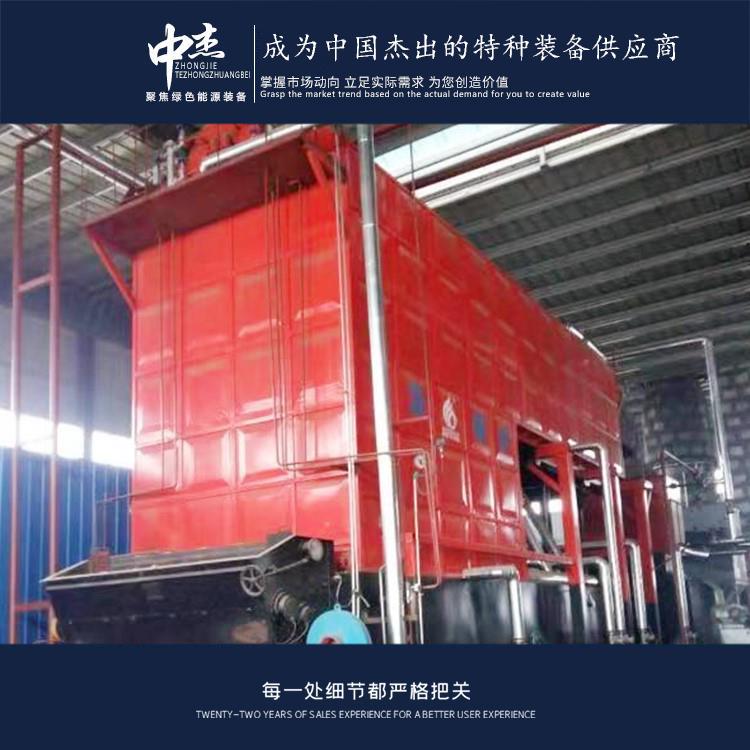
Chain biomass boiler is a common type of biomass boiler, and its working principle and process are as follows:
Fuel Supply: Biomass fuels (such as wood chips, straw, etc.) are conveyed to the combustion chamber of the chain grate boiler through the feeding system.
Combustion Process: Fuel is ignited in the combustion chamber while the chain boiler's chain system begins to operate. The fuel is gradually propelled forward by the chain movement, simultaneously burning within the combustion chamber. During combustion, the fuel is thoroughly mixed with air, and the heat energy produced is transferred to the boiler's water or other working medium.
Flue Gas Emission: The flue gas produced by combustion is channeled through the flue system of the combustion chamber and discharged into the chimney. During the flue gas emission process, treatment with flue gas purification equipment can be employed to reduce the emitted particulate matter and gas pollutants.
Heat Recovery: The heat produced by combustion is transferred to water or other working substances through a heat exchanger in the boiler, thereby heating them. After heat recovery, hot water or steam can be used for heating, hot water supply, or other industrial processes.
Control System: Chain biomass chain boiler typically features an automatic control system for monitoring and adjusting parameters such as temperature, pressure, and fuel supply during the combustion process. The control system can automatically adjust according to actual needs to ensure the safe operation and performance of the boiler.
In summary, the chain biomass boiler gradually pushes biomass fuel into the combustion chamber through a chain system for burning. The thermal energy is transferred to water or other working substances via a heat exchanger, achieving heat recovery and utilization. This boiler boasts high combustion efficiency and strong fuel adaptability, and is widely used in heating, industrial heating, and other fields.
Yes, biomass hot water boilers hold significant implications for energy conservation and emission reduction. Here are some related implications and advantages:
Energy-saving: Biomass hot water boilers burn renewable biomass fuel, achieving higher energy utilization efficiency compared to traditional coal boilers. The heat generated during the combustion of biomass fuel can be more fully utilized, reducing energy waste, and realizing energy-saving effects.
Emission Reduction: Biomass hot water boilers emit relatively fewer pollutants during the combustion process, such as carbon dioxide, nitrogen oxides, and particulates. Compared to coal-fired boilers, biomass hot water boilers can significantly reduce greenhouse gas emissions and air pollutant releases, which is of great importance for improving atmospheric environmental quality.
Sustainability: Biomass fuel is a renewable resource that can be cultivated and recycled within a regeneration cycle. Compared to finite coal resources, the sustainability of biomass fuel can meet long-term energy demands.
Supporting Rural Development: The use of biomass hot water boilers can promote the comprehensive utilization of agricultural and forestry wastes such as crop straw and wood shavings in rural areas. This not only reduces the open burning of crop straw, thereby reducing environmental pollution, but also provides farmers with an additional source of income and boosts rural economic development.
In summary, the energy conservation and emission reduction significance of biomass hot water boilers is substantial. They not only reduce energy consumption and pollutant emissions but also promote sustainable development and the prosperity of rural economies.
Current biomass boilers encounter the following issues in practical application:
Fuel supply instability: The supply of biomass fuel is subject to seasonal and regional limitations, resulting in unstable fuel supply for biomass boilers. This may lead to the biomass boilers not being able to run continuously or requiring frequent fuel switching, which increases operating costs and management difficulties.
Low combustion efficiency: Due to the characteristics of biomass fuel and the complexity of the combustion process, the combustion efficiency of biomass boilers is relatively low. Some fuels have high volatile and ash content, which may produce excessive ash and particulate matter during combustion, reducing combustion efficiency and heat utilization.
NOx emissions issue: Biomass boilers produce a relatively high amount of nitrogen oxides (NOx) during the combustion process, which has a certain impact on the environment. Controlling and reducing NOx emissions is an important issue facing biomass boilers.
Combustion Equipment Wear: The high ash content in biomass fuel causes the ash and slag produced during combustion to wear and clog the combustion equipment. This may lead to a reduced lifespan of the equipment and frequent maintenance and cleaning requirements.
Ash and slag disposal from combustion: The ash and slag produced by biomass boiler combustion must be treated and disposed of properly. Improper handling may lead to environmental pollution and harm.
Lack of unified technical standards and specifications: Currently, there is a lack of unified technical standards and specifications for biomass boilers.
The causes of coking in biomass boilers can be attributed to the following aspects:
Fuel Characteristics: Ash content and ashing properties in biomass fuel are the primary factors causing coking. Ash is the non-combustible inorganic matter in biomass fuel. When burned, ash accumulates in the furnace chamber and forms slag. Fuel with high ash content tends to produce a large amount of slag, while fuel with low ashing temperature is prone to coking in the furnace.
Combustion Temperature: Combustion temperature is a significant factor affecting biomass boiler fouling. An excessively low combustion temperature can lead to incomplete fuel combustion and insufficient melting of ash, increasing the likelihood of fouling.
Air Supply: Insufficient or excessive air supply can affect the combustion process and coking in biomass boilers. Too little air supply leads to incomplete combustion of the fuel, generating a large amount of solid residue, increasing the risk of coking. On the other hand, too much air supply can lower the combustion temperature, extend the fuel's residence time in the furnace, and also increase the likelihood of coking.
Furnace Design: The design of the furnace significantly impacts the combustion process and coking conditions. The air flow and temperature distribution within the furnace affect fuel combustion and ash expulsion. An unreasonable furnace design can lead to excessive fuel residence time inside the furnace, increasing the risk of coking.
Ash Cleaning System: The performance and operation of the ash cleaning system can also affect the fouling of biomass boilers. Regular cleaning of the ash inside the furnace.
ZJ Special Equipment adheres to the great vision of "realizing employees' dreams, creating value for customers, and striving for the prosperity and strength of our motherland," focusing solely on the development of green energy equipment. We dedicate products and services with high performance and affordability to society!
WeChat Official Account

Scan to follow Official Account



















