


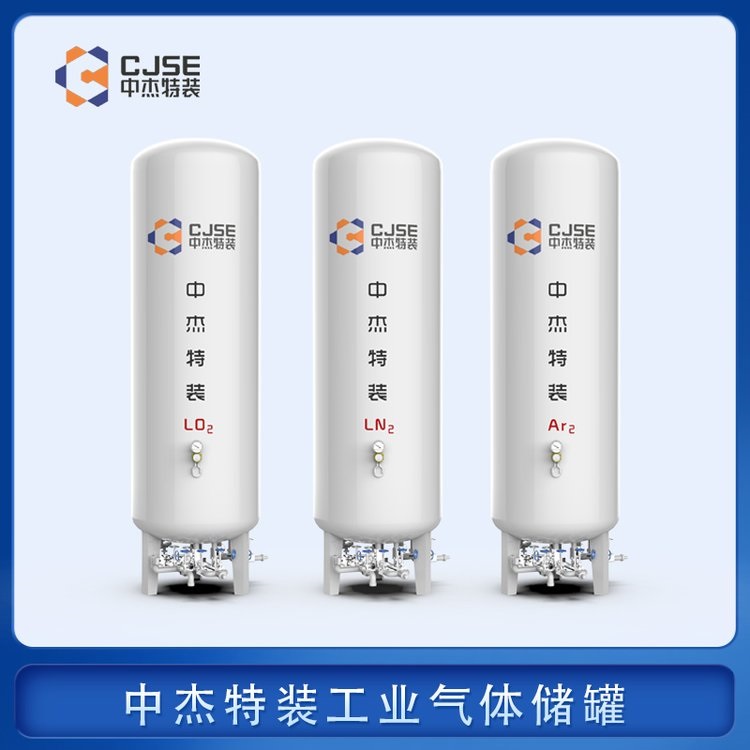

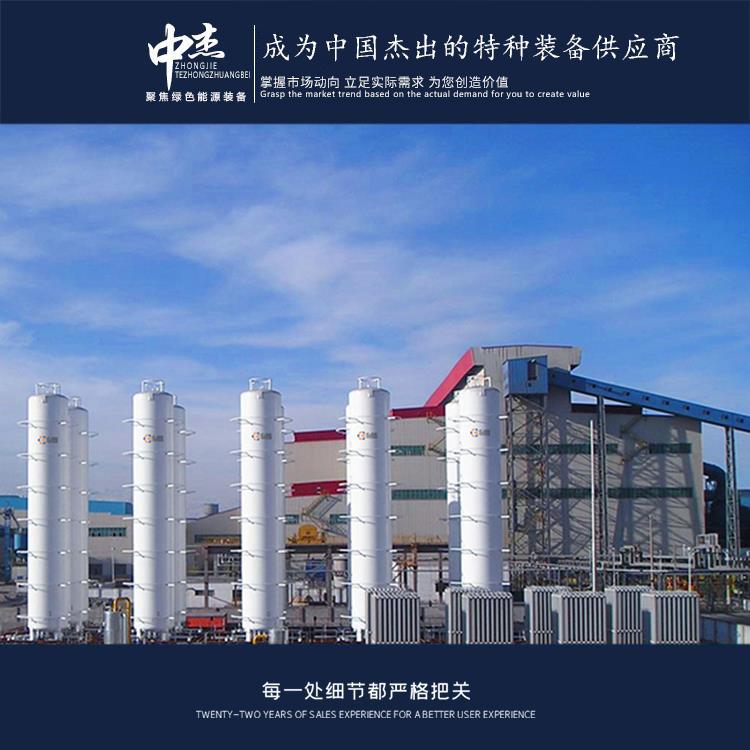


















Shandong Zhongjie Special Equipment (formerly Heze Boiler Factory Co., Ltd.) holds an A-grade boiler manufacturing license, A2-grade pressure vessel manufacturing license, A2-grade pressure vessel design license, B-grade boiler installation and GB2/Class, GC2/Class pressure pipeline installation licenses, as well as equipment and mechanical installation contracting qualifications. It is a member of the China Boiler and Water Treatment Association, the China Chemical Equipment Association, and the council member of the Shandong Equipment Manufacturing Association, and has passed ISO9001 Quality Management System, ISO14001 Environmental Management System, OHSAS18001 Occupational Health and Safety Management System certifications, and the U.S. ASME/U2 certification.
When storing liquid nitrogen in low-temperature storage tanks, the following points should be noted:
Protective Gear: When operating low-temperature storage tanks, appropriate protective gear must be worn, including gloves, protective suits, and non-slip shoes. This equipment safeguards the skin from the low temperatures of liquid nitrogen and other hazards.
Avoid direct contact: Liquid nitrogen is extremely cold and can cause chilling. Therefore, it is essential to avoid direct contact with liquid nitrogen, especially with the skin. Use tools or instruments for handling to prevent direct hand contact with liquid nitrogen.
Ventilation Requirements: Ensure adequate ventilation in the operational area of low-temperature tanks to expel gases produced by the evaporation of liquid nitrogen. Maintain air circulation to avoid excessive oxygen concentration, reducing the risk of fire and explosion.
Prevent Leaks: Regularly inspect the leakage conditions of low-temperature storage tanks and equip with leak detectors and alarm systems. In case of detected leaks, take immediate measures to control the leakage and carry out repairs. Avoid the hazards of liquid nitrogen leaks to personnel and the environment.
Fire Prevention Measures: Liquid nitrogen has a low boiling and freezing point, which makes it prone to fires. Measures such as installing fire barriers around low-temperature storage tanks and using fire-resistant coatings are taken to prevent fires from occurring and spreading.
Electrostatic Protection: Electrostatic buildup in low-temperature storage tanks may cause sparks, increasing the risk of fire. Measures should be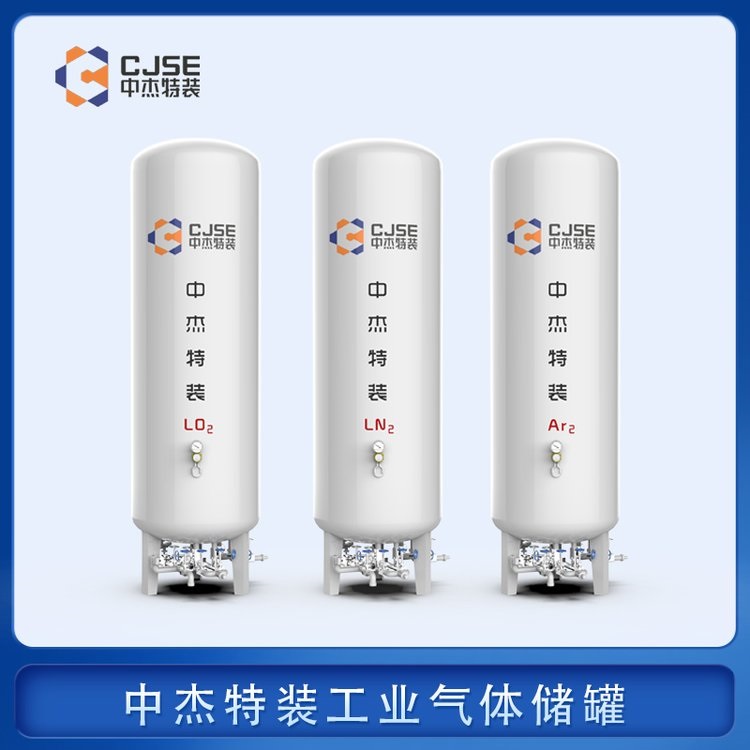
Several factors must be considered when determining the design pressure and calculated pressure of a liquid oxygen storage tank:
Design Pressure: Design pressure refers to the maximum pressure a tank can withstand under normal operating conditions. When determining the design pressure, factors such as the working pressure range of liquid oxygen, the material strength of the tank, and safety factors need to be considered. Generally, the design pressure should be slightly higher than the high working pressure of liquid oxygen to ensure the tank's safety and reliability within the normal operating range.
Calculation Pressure: The calculation pressure refers to the actual working pressure of the tank under its design pressure. It is determined by calculating factors such as the properties of liquid oxygen, the geometric shape of the tank, and the material strength. The calculation pressure should take into account factors like the expansion coefficient of liquid oxygen, temperature changes, and pressure fluctuations to ensure the safety and stability of the tank under actual operating conditions.
Determining the design and calculated pressures for liquid oxygen storage tanks usually requires referencing relevant standards and specifications, such as Standard GB150 for "Steel Pressure Vessels" and GB18442 for "Technical Conditions for Storage Tanks of Liquid Oxygen, Liquid Nitrogen, and Liquid Argon." These standards and specifications provide detailed design and calculation methods to ensure the safety and reliability of the tanks.
In practical applications, the design pressure and calculated pressure of liquid oxygen storage tanks should be calculated and determined by the pressure vessel designer. They will take comprehensive considerations of specific engineering requirements, tank dimensions, materials, and other factors to ensure the tank's design and use comply with relevant safety standards and regulations.
Liquid Oxygen Storage Tanks Feature the Following Safety Technical Characteristics:
High-pressure Vessel: Liquid Oxygen Storage Tanks are high-pressure vessels capable of withstanding high pressure. Their design and manufacturing must comply with relevant standards and regulations to ensure the tank's strength and sealing integrity.
Low Temperature Storage: Liquid oxygen tanks are used for storing liquid oxygen, with operating temperatures typically around -183 degrees Celsius. The material and insulation of the tank must be capable of withstanding low-temperature environments to prevent evaporation of the liquid oxygen and the infiltration of external heat.
Fireproof Design: Liquid oxygen has a high oxygen content, which is prone to cause fires. The design of liquid oxygen storage tanks must incorporate fire prevention measures, such as installing fire walls and using fire-resistant coatings, to prevent the occurrence and spread of fires.
Leakage Control: Leaks in liquid oxygen tanks can lead to increased oxygen concentration, heightening the risk of fire and explosion. Tanks must be equipped with leak detection and alarm systems to promptly detect and control leaks, and to implement appropriate emergency measures.
Electrostatic Protection: The accumulation of static electricity in liquid oxygen storage tanks can cause sparks, increasing the risk of fire. Tanks must be equipped with electroconductive materials and antistatic devices to reduce the buildup and discharge of static electricity.
Safety Valves and Pressure Control: Liquid oxygen storage tanks must be equipped with safety valves and pressure control devices to ensure the internal pressure of the tank remains within a safe range. When the pressure exceeds the set value, the safety valve will automatically release pressure to protect the tank's safety.
Regular inspections and maintenance: Liquid oxygen tanks require regular inspections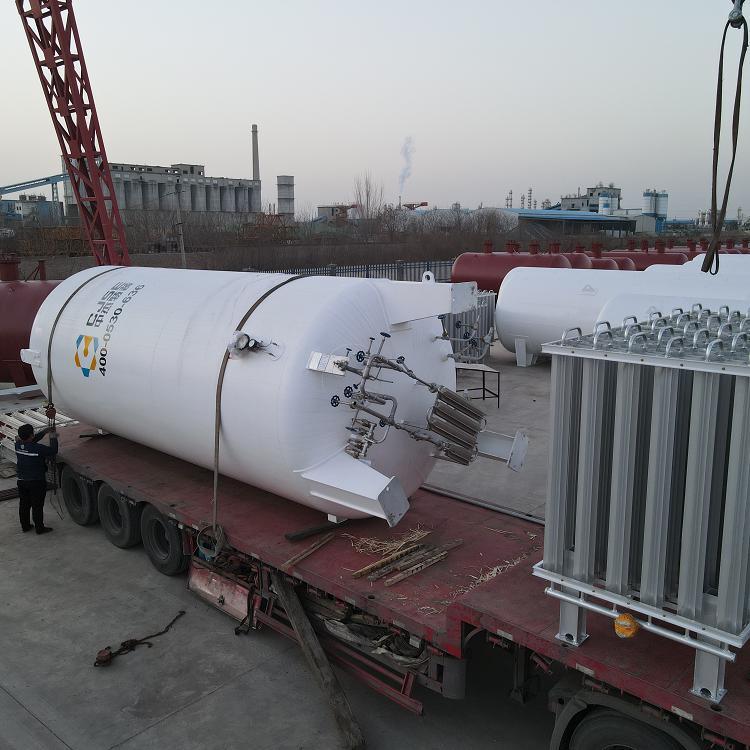
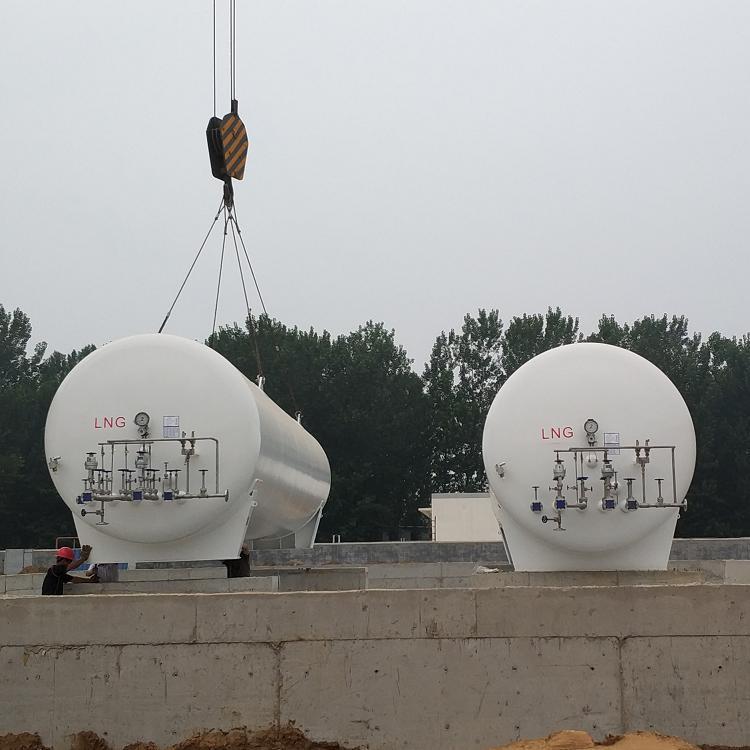
During the installation process of the central oxygen supply low-temperature liquid oxygen storage tank, it is essential to pay particular attention to the following aspects:
Safety Operation: Strict adherence to safety procedures and standards is mandatory during the storage tank installation process. Operators must be trained, familiar with the properties and safety requirements of liquid oxygen, and knowledgeable about the equipment and operational procedures to ensure safe operation.
Fire Prevention Measures: Liquid oxygen contains a high oxygen concentration and is prone to causing fires. During the installation process, necessary fire prevention measures should be taken, such as setting up firewalls, using fire-resistant coatings, and prohibiting open flames, to prevent the occurrence and spread of fires.
Leakage Control: Pay attention to leakage control during the assembly process. Oxygen concentration may increase due to the leakage of liquid oxygen, which can increase the risk of fire and explosion. Leak detectors and alarm systems should be equipped to detect and control leaks in a timely manner, and appropriate emergency measures should be taken.
Oxygen Concentration Monitoring: During the installation process, the oxygen concentration around the liquid oxygen storage tank should be monitored regularly. High oxygen concentrations can intensify the combustion of flammable materials, increasing the risk of fire and explosion. Take timely measures to ensure the oxygen concentration remains within a safe range.
Grounding and Static Electricity Protection: During the liquid oxygen plant process, ensure proper grounding of the storage tank and related equipment to minimize static accumulation and discharge. Utilize static-conductive materials and anti-static equipment to reduce the dangers caused by static electricity.
Regular Inspections and Maintenance: After the installation is completed, the liquid oxygen tank should be regularly inspected and maintained. This includes visual inspections, pressure tests, and leak detection, to ensure the tank's safety and stability.
It is crucial that the operation of the central oxygen supply low-temperature liquid oxygen storage tank be conducted by experienced personnel, adhering to relevant safety operation procedures and standards. During the installation process, safety risks should be closely monitored, and timely measures should be taken to ensure the safety and stability of the installation.
Shandong Zhongjie Special Equipment, welcome customers to our factory for business discussions.
WeChat Official Account

Scan to follow Official Account



















