


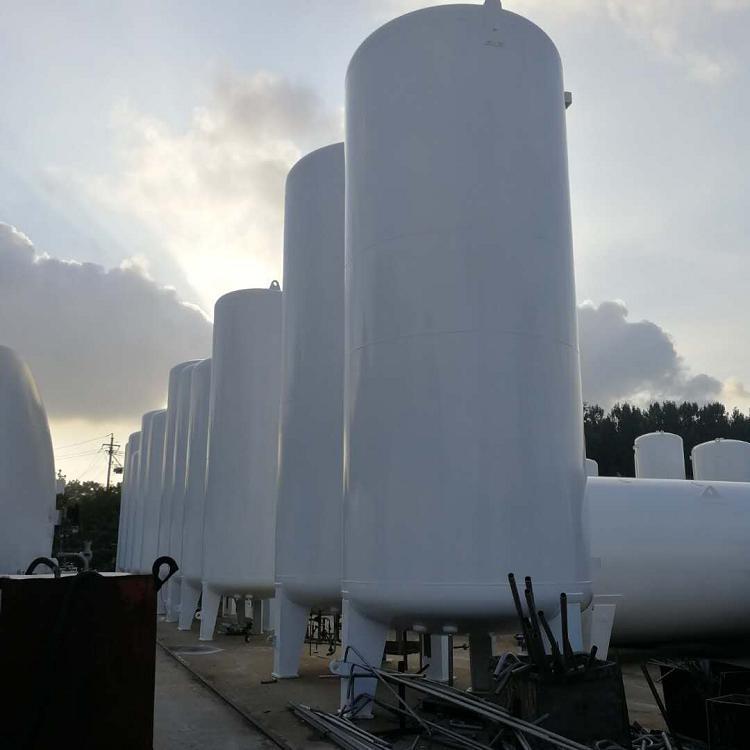

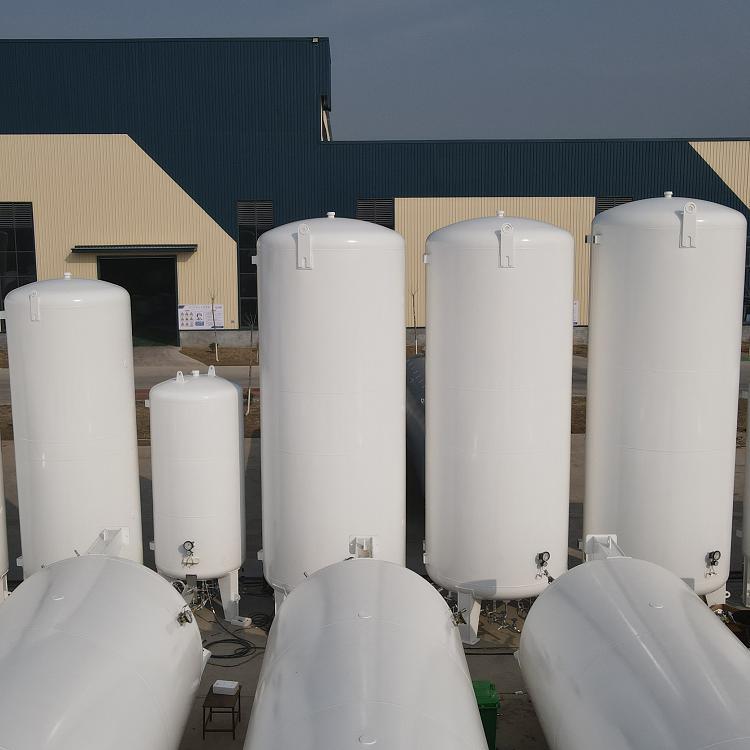
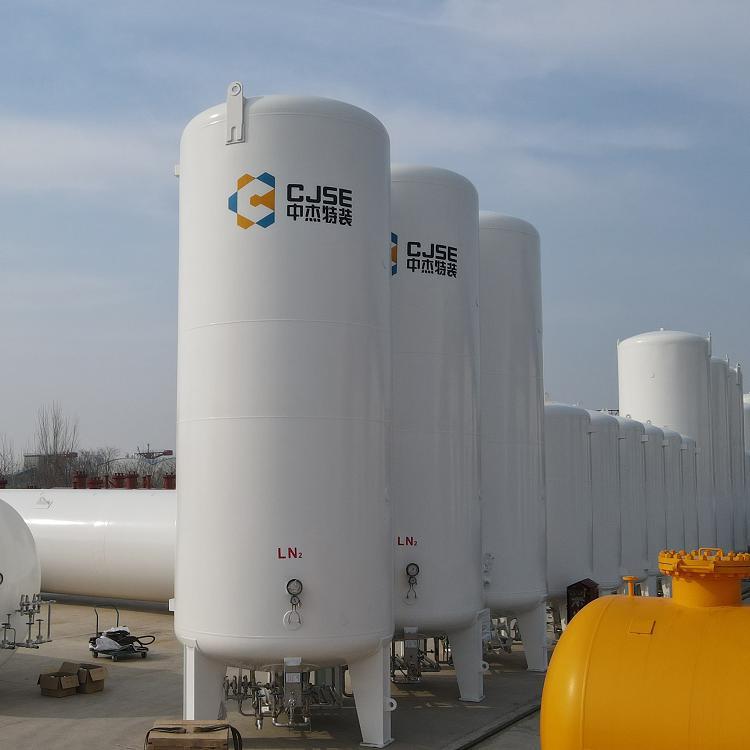


















Shandong Zhongjie Special Equipment (formerly Heze Boiler Factory Co., Ltd.) was established in 2001, located at No. 2218 Jinnan Road, Development Zone, Heze City, with a registered capital of 50 million yuan and total assets of 500 million yuan. The company has 7 business centers: boilers, deep-freeze containers, pressure vessels, central air conditioning, engineering installation, international trade, and Internet of Things. It has three factory sites on Jinnan Road, East Changjiang Road, and Bohai Road, covering a total of 200,000 square meters, with the main workshop spanning 83,000 square meters. It currently employs 710 people, including 247 engineers and technicians and 82 intermediate-level technicians. In December 2016, it was recognized as a "High-tech Enterprise" by the Science and Technology Department. In June 2021, it was identified as a "Specialized and New Enterprise in Shandong Province" by the Ministry of Industry and Information Technology. In June 2022, it was recognized as a "Gazelle Enterprise in Shandong Province" and in August 2022, it was identified as a "Specialized and New Small Giant Enterprise" by the Ministry of Industry and Information Technology.
Liquid nitrogen tanks are widely used in meat freezing. The following are several main applications of liquid nitrogen tanks in meat freezing:
Quick Freezing: Liquid nitrogen tanks can provide low temperatures for rapidly freezing meat to the required temperature. Due to the low-temperature characteristics of liquid nitrogen, the temperature of the meat can be quickly reduced in a short time, effectively preserving its quality and texture.
Chilled Storage: Liquid nitrogen tanks are suitable for long-term freezing storage of meat products. Placing meat in a liquid nitrogen tank maintains it at low temperatures, preventing bacterial and microbial growth, and extending the meat's shelf life.
Chilled Transportation: Liquid nitrogen tanks are suitable for the cold transport of meat products. Placing meat in a liquid nitrogen tank maintains its低温 state, ensuring the quality and freshness of the meat during transportation.
Chilling Process: Liquid nitrogen tanks can be used for meat chilling. By exposing the meat to liquid nitrogen, the surface of the meat can be quickly frozen, forming a chilling layer, thereby preserving the meat's moisture and nutritional content.
Chilled Processing: Liquid nitrogen tanks can be used for meat freezing processing. Placing meat in liquid nitrogen makes it harder and crispier, facilitating cutting, slicing, and processing.
Be mindful that when using liquid nitrogen tanks for meat freezing, it is crucial to adhere to the relevant safety operation procedures and guidelines. Ensure that operators possess the necessary safety awareness and operational skills to prevent accidental incidents. Additionally, consult with food safety experts.
Maintaining and caring for liquid nitrogen tanks is crucial for ensuring their safe operation and extending their lifespan. Here are the maintenance methods for liquid nitrogen tanks:
Regular Inspections: Conduct regular inspections of the liquid nitrogen tank's exterior and interior, including checking for leaks, corrosion, wear, or other damage. Pay special attention to the tank's interfaces, valves, and piping, ensuring they are functioning properly.
Cleaning and Defrosting: Regularly clean the exterior of the liquid nitrogen storage tank to remove dust and dirt. If there is ice or frost buildup inside the tank, defrosting is required to maintain the normal operation of the tank.
Level Monitoring: Regularly monitor the liquid nitrogen tank's level to ensure the storage quantity of liquid nitrogen stays within a safe range. If an abnormal level is detected, adjustments or top-ups of liquid nitrogen are required promptly.
Regular maintenance and component replacement: Conduct regular maintenance and replacement of critical components of liquid nitrogen storage tanks, such as safety valves, pressure sensors, and temperature sensors, to ensure their proper operation and accuracy.
Inspect the Insulation Layer: Regularly check the liquid nitrogen tank's insulation layer to ensure its integrity and insulating performance. If any damage or aging is found in the insulation layer, it should be repaired or replaced promptly.
Regular Calibration: Regularly calibrate the gauges and sensors of liquid nitrogen tanks to ensure accuracy and reliability. Calibration should be conducted in accordance with relevant standards and regulations.
Safety Training and Operating Procedures: Conduct regular safety training for liquid nitrogen storage tanks to ensure operators are familiar with the safe operating procedures and emergency response measures.
Note that maintenance of liquid nitrogen tanks should be conducted by trained and authorized personnel. Adhere to relevant safety standards and operational guidelines to ensure the safety and effectiveness of maintenance work.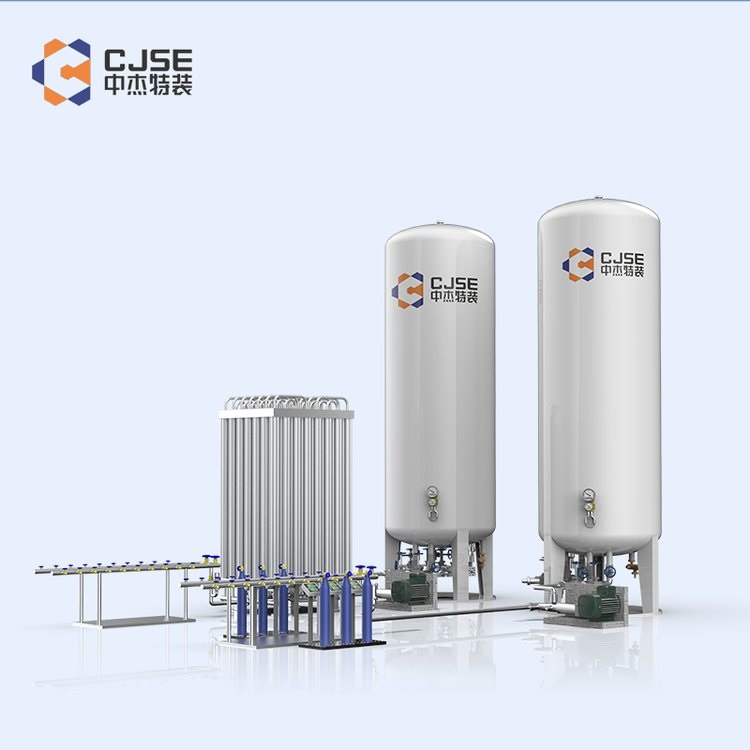
To prevent the dangers caused by static electricity in liquid oxygen tanks, the following measures can be taken:
Ensure proper grounding of the liquid oxygen storage tank and related equipment. Grounding discharges static electricity to the ground, reducing the likelihood of static buildup. Metal components such as tanks and pipes should be connected to a reliable grounding system.
Electrostatic Conductive Materials: Utilize electrostatic conductive materials to reduce the accumulation of static electricity. For instance, apply conductive coatings or materials to the insulating layer of liquid oxygen tanks and pipelines to discharge static electricity to the ground.
Anti-static Equipment: Utilize anti-static equipment such as static-conductive pipes and hoses to minimize the accumulation and release of static electricity. These devices assist in grounding static electricity, reducing the occurrence of static sparks.
Static grounding wire: Install static grounding wires on liquid oxygen storage tanks and related equipment to discharge static electricity to the ground. These grounding wires should be connected to a reliable grounding system and be checked and maintained regularly.
Static Eliminators: Utilize static eliminators to neutralize static electricity. These devices can neutralize static by releasing opposite charges, reducing static buildup and the occurrence of sparks.
Electrostatic Safety Training: Provide electrostatic safety training for personnel using liquid oxygen tanks to enhance their understanding and awareness of electrostatic hazards. The training content can include the principles of electrostatic formation, preventive measures, and emergency response procedures.
It is important to note that the electrostatic protection measures for liquid oxygen tanks should be designed and implemented by personnel, following relevant safety operation procedures and standards. During operation, strict adherence to the prescribed procedures is required to prevent the generation of static sparks, ensuring the safety of the tank.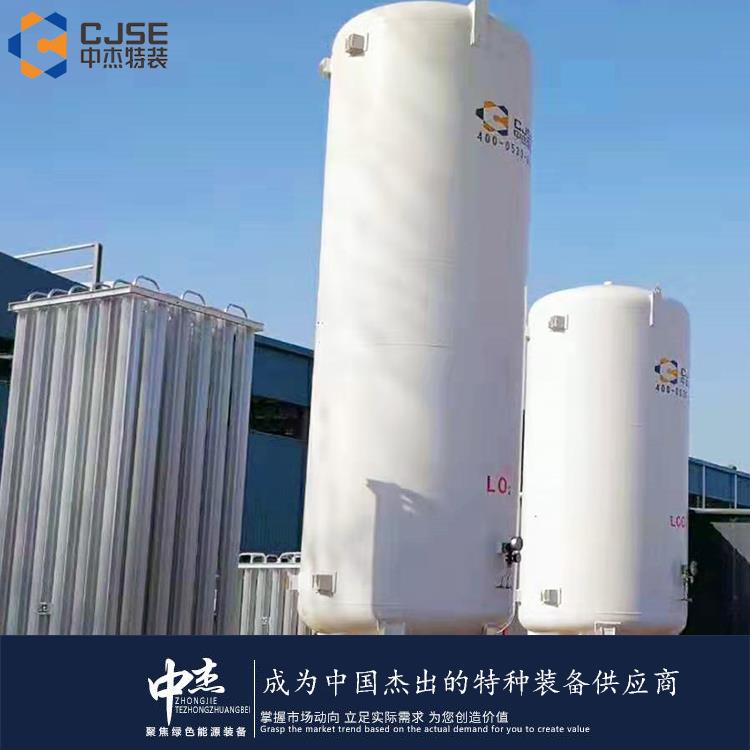
Oxygen storage tanks and liquid oxygen storage tanks are devices used for storing oxygen, but they have some distinctions: Storage Form: Oxygen storage tanks are typically used for storing gaseous oxygen, whereas liquid oxygen storage tanks are for storing liquid oxygen. Oxygen is in a gaseous state at room temperature but is cooled to a liquid state at low temperatures for more efficient storage and use. Storage Pressure: Oxygen storage tanks usually store high-pressure oxygen, with pressures around 200-300 bar. Liquid oxygen storage tanks store liquid oxygen at lower pressures, generally around 2-5 bar. Storage Capacity: Oxygen storage tanks usually have smaller capacities, suitable for personal or small-scale use. Liquid oxygen storage tanks have larger capacities, suitable for industrial or large-scale use. Storage Method: Oxygen storage tanks store oxygen in a gaseous form, via compressed gas storage. Liquid oxygen storage tanks store oxygen in a liquid form, converting it to a liquid state by cooling it below its boiling point. Safety Requirements: Due to the high oxidizing nature of liquid oxygen, liquid oxygen storage tanks require stricter safety standards in design and use. They typically need to have good thermal insulation, leak control, and fire prevention measures to ensure safe operation. It should be noted that the specific design and specifications of oxygen storage tanks and liquid oxygen storage tanks may vary depending on different regions and application sites. When using these tanks, it is essential to follow applicable regulations, standards, and safety guidelines, and to cooperate with local regulatory authorities and personnel to ensure the safety and reliability of the tanks.
Shandong Zhongjie Special Equipment, welcome customers to visit our factory for cooperation discussions.
WeChat Official Account

Scan to follow Official Account



















