


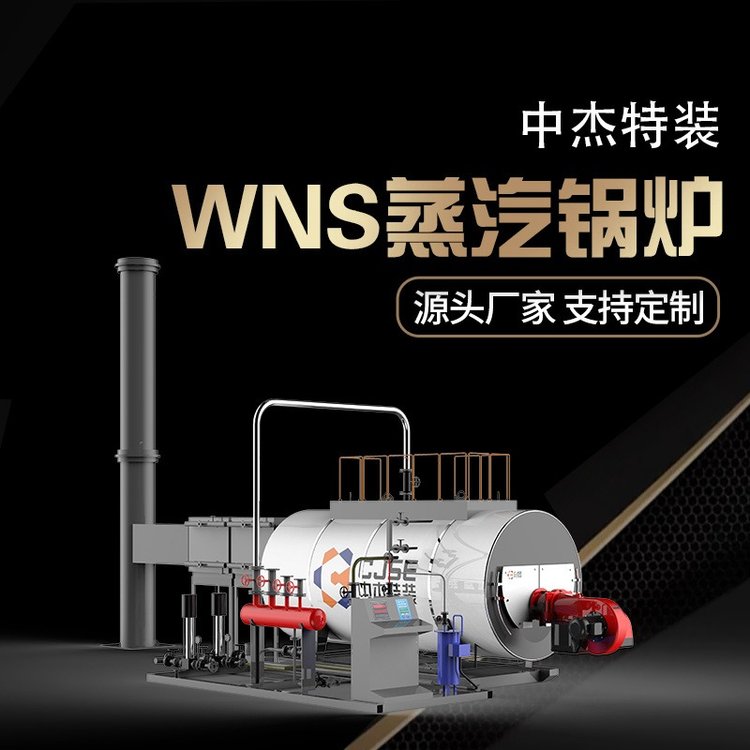

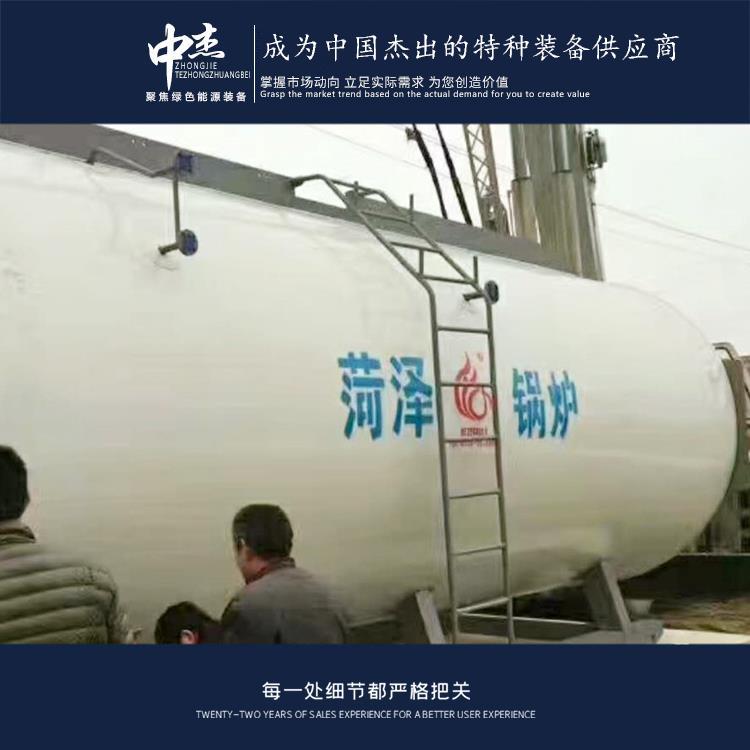
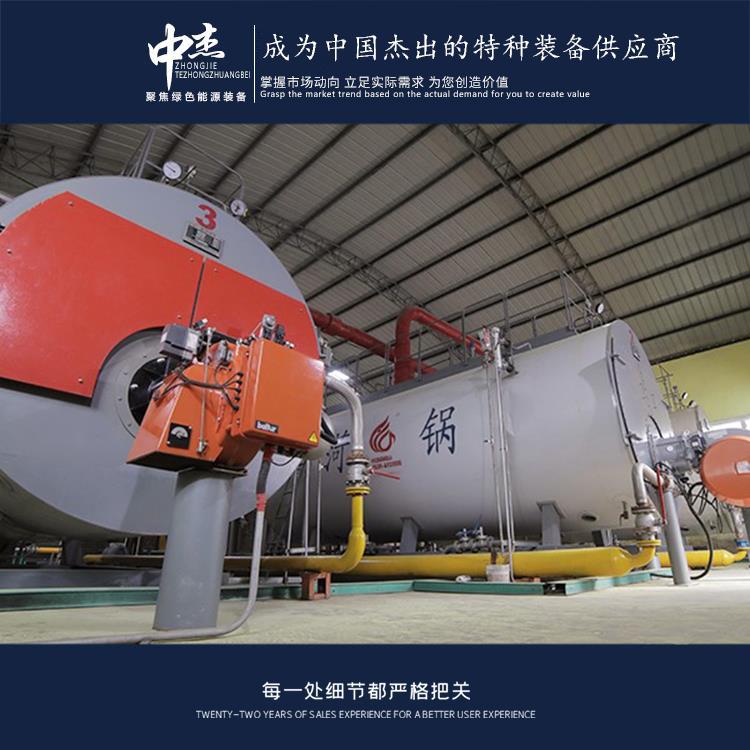


















Shandong Zhongjie Special Equipment (formerly Heze Boiler Factory Co., Ltd.) holds an A-grade boiler manufacturing license, an A2-grade pressure vessel manufacturing license, an A2-grade pressure vessel design license, a B-grade boiler installation license, and GB2/Class and GC2/Class pressure pipeline installation licenses, as well as a qualification for the installation and construction of electromechanical equipment. It is a member of the China Boiler and Water Treatment Association, the China Chemical Equipment Association, and a council member of the Shandong Equipment Manufacturing Association. The company has also passed certifications for the ISO9001 Quality Management System, ISO14001 Environmental Management System, OHSAS18001 Occupational Health and Safety Management System, and the American ASME/U2 certification.
Yes, thermal oil boilers typically come with some self-protection features to ensure safe operation and prolong their service life. Here are some common self-protection functions:
- Overheat Protection: Thermal oil boilers are equipped with an overheat protection device that automatically shuts off the burner's gas supply when the thermal oil temperature exceeds the set safe range, preventing overheating of the thermal oil and avoiding equipment damage and safety incidents.
- Overpressure Protection: The boilers also have an overpressure protection device that automatically cuts off the burner's gas supply when the thermal oil pressure exceeds the set safe range, preventing explosions or leaks in the thermal oil system.
- Burner Automatic Control: The burners of thermal oil boilers are usually fitted with automatic control systems that can automatically adjust the gas supply and combustion effect based on set operating parameters, maintaining a stable combustion state and avoiding incomplete combustion or excessive burning.
- Temperature Control and Adjustment: Thermal oil boilers are typically equipped with temperature control and adjustment devices that automatically regulate the circulation and heating of the thermal oil based on the set operating temperature, maintaining a stable working temperature and avoiding excessive or insufficient temperatures.
- Water Level Protection: For some thermal oil boilers, particularly water tube boilers, water level protection devices are also included to monitor the water and thermal oil levels. When the level is abnormal, the protection device automatically shuts off the burner's gas supply to prevent dry burning and oil leakage.
It is important to note that while thermal oil boilers have self-protection features, they still require regular inspections and maintenance to ensure the proper functioning and reliability of these protection devices. Moreover, operators need to understand and master the working principles and operation methods of these self-protection features to ensure safe operation.
To reduce the heat loss of gas-fired boilers, the following measures can be taken:
- Enhance insulation: Insulate the outer shell and pipes of the gas-fired boiler to minimize heat loss. Use insulating materials like rock wool or glass wool to wrap the boiler and pipes.
- Install heat recovery systems: Install heat recovery devices in the flue of the gas-fired boiler to utilize the excess heat in flue gases for energy recovery. This can improve thermal efficiency and reduce heat loss.
- Control the combustion process: Properly control the combustion process to ensure complete, stable, and efficient combustion. Adjust the burner parameters such as air flow and gas supply to enhance combustion efficiency and reduce heat loss.
- Clean heat exchangers: Regularly clean the heat exchangers of the gas-fired boiler to remove dirt and deposits on the surface. This maintains the heat transfer efficiency of the heat exchangers and reduces heat loss.
- Control flue gas temperature: Reasonably control the flue gas temperature of the gas-fired boiler to avoid excessive temperatures causing significant heat loss. This can be achieved by adjusting burner parameters and flue design.
- Regular inspection and maintenance: Conduct regular inspections and maintenance on the gas-fired boiler to ensure the normal operation of the equipment. This includes checking the combustion system, water level control, safety valves, and other critical components, and promptly repairing or replacing damaged parts.
- Rational use of waste heat: Utilize the excess heat generated by the gas-fired boiler for other processes requiring heat, such as water heating and heating. Through the use of waste heat, reduce energy waste and improve energy utilization efficiency.
- By implementing these measures, heat loss in gas-fired boilers can be effectively reduced, enhancing energy efficiency and decreasing energy consumption.
To optimize and improve the planning of gas boilers, consider the following aspects:
1. Energy Audit and Assessment: Conduct a comprehensive energy audit and assessment to understand the energy consumption of the gas boiler system and potential energy-saving opportunities. Through data analysis and energy measurement, determine the main sources of energy consumption and bottlenecks, providing a basis for subsequent optimization.
2. Combustion System Optimization: Optimize the combustion system of the gas boiler, including adjustments and cleaning of burners, control of the gas-to-air ratio, and maintenance of the combustion chamber. Ensure high combustion efficiency and high gas utilization, reducing energy waste.
3. Heat Recovery Utilization: Consider installing heat recovery devices such as waste heat recovery units or flue gas heat exchangers. These devices can utilize the excess heat in the flue gas emitted by the gas boiler to heat water or other equipment requiring heat energy, improving energy efficiency.
4. Pipeline Insulation and Leak Inspection: Ensure that the insulation performance of gas pipelines and hot water pipelines is good, reducing energy loss. Regularly check for pipeline leaks and repair them promptly to avoid energy waste and safety hazards.
5. Control System Upgrade: Consider upgrading the control system of the gas boiler with automated control technology. Through precise control and adjustment, achieve optimized operation of the gas boiler.
In industrial boiler systems, the critical functional parameters of pumps include the following aspects:
- Flow Rate: The flow rate of a pump refers to the volume of liquid pumped per unit of time. In industrial boilers, pumps must provide sufficient flow to meet the boiler's water demands. The size of the flow rate depends on the boiler's rated evaporation capacity and the design requirements of the circulating water system.
- Head: The head of a pump refers to its ability to overcome liquid resistance and lift the liquid to a certain height. In industrial boilers, pumps must have adequate head to ensure water flows smoothly to all parts of the boiler, including the feedwater and circulating water systems.
- Power: The power of a pump is the electrical or mechanical energy required to drive the pump. In industrial boilers, the power of the pump must be determined based on the flow rate and head to meet the system's requirements.
- Efficiency: The efficiency of a pump is the ratio of the input energy to the output fluid energy. High-efficiency pumps can reduce energy consumption and operating costs. In industrial boilers, selecting high-efficiency pumps can improve the system's energy efficiency performance.
- Stability and Reliability: Pumps in industrial boiler systems must have good operating stability and reliability. They should be able to run stably for long periods without being affected by external disturbances or fluctuations and should be adaptable to different operating conditions.
- It is necessary to select the appropriate pump based on the specific industrial boiler system and design requirements, ensuring that the pump's functional parameters meet the system's needs. Additionally, the selection and operation of the pump must adhere to relevant standards and regulations to ensure safe and reliable operation.
Shandong Zhongjie Special Equipment, welcome customers to visit our factory for cooperation negotiations.
WeChat Official Account

Scan to follow Official Account



















