


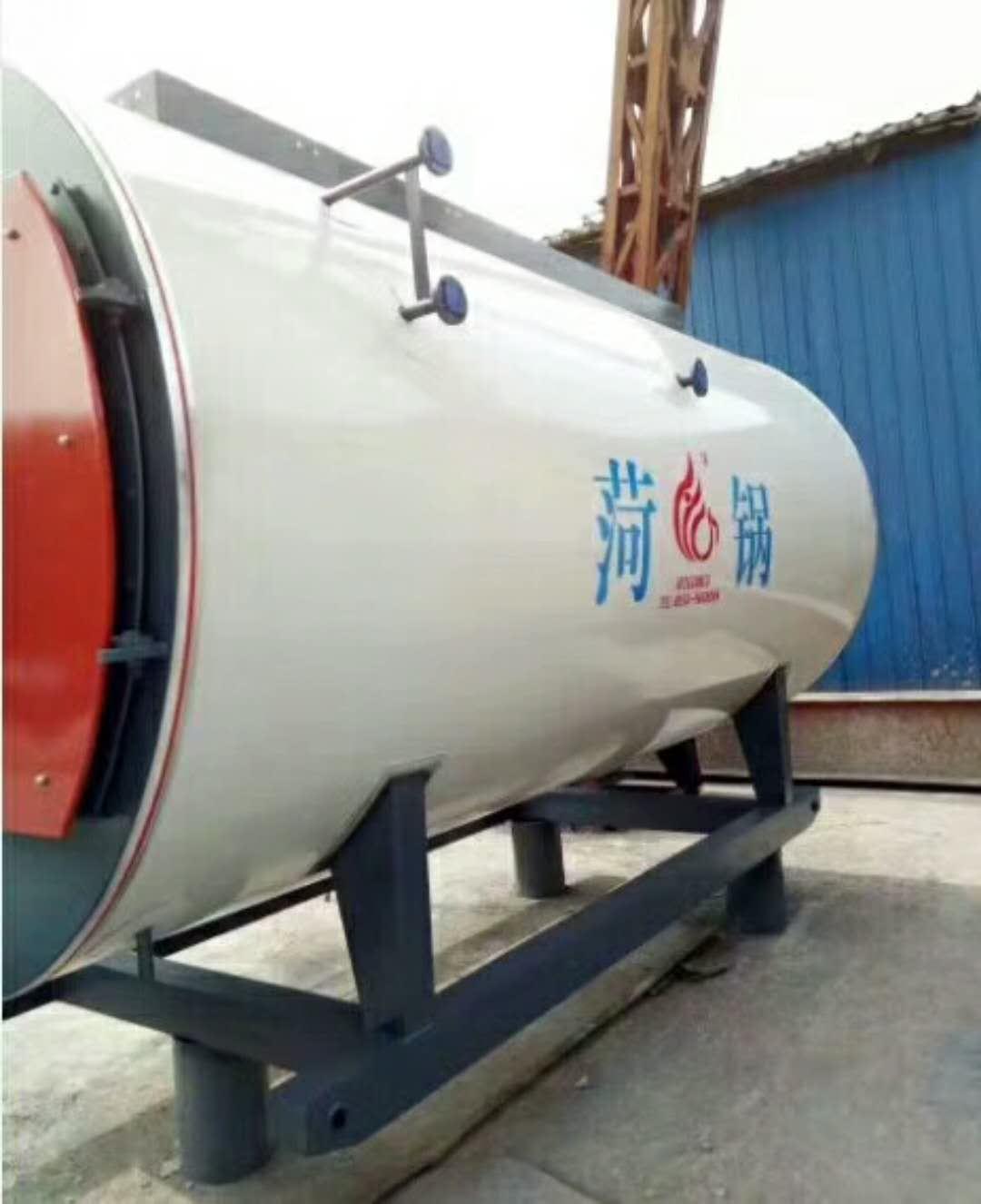

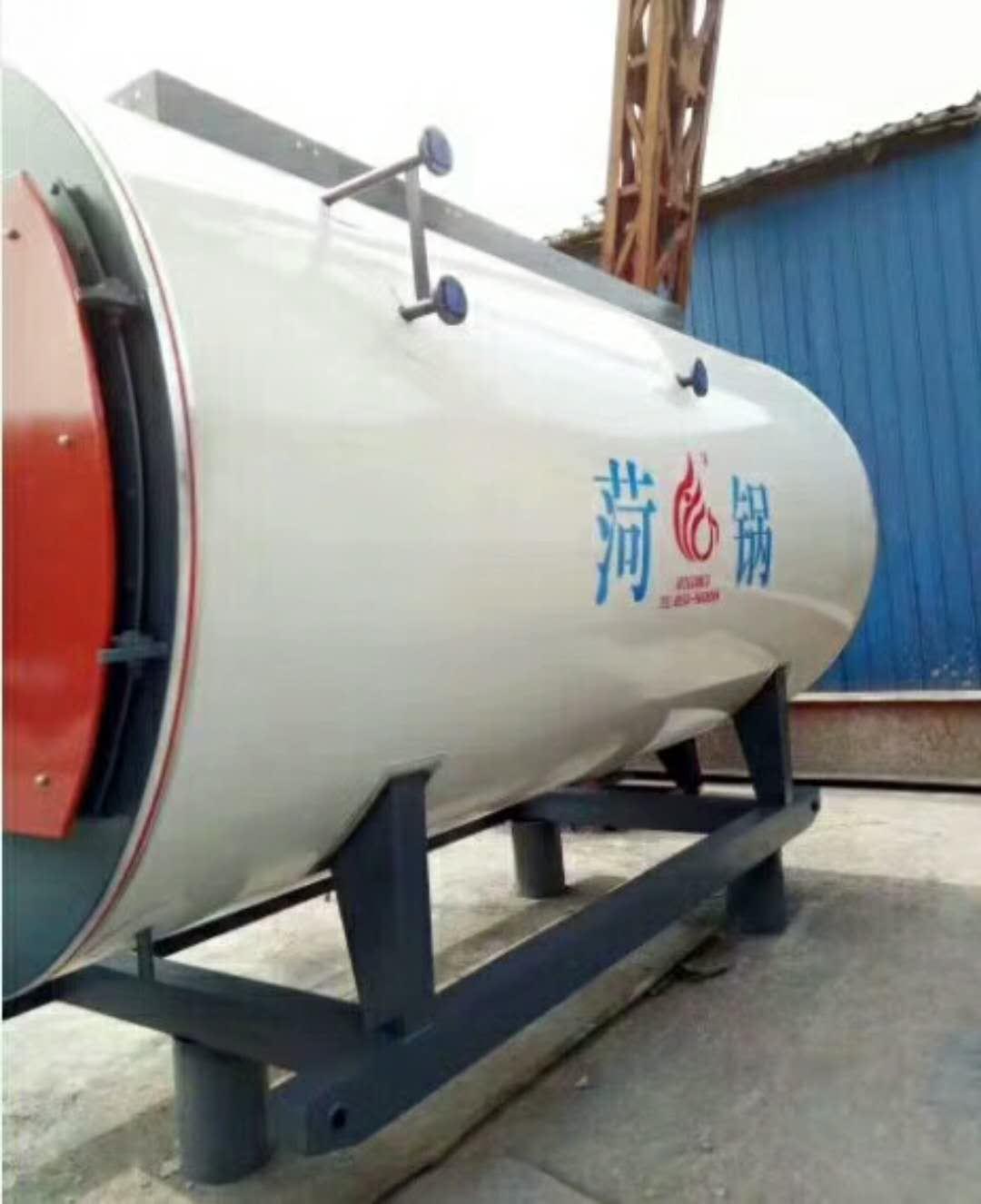
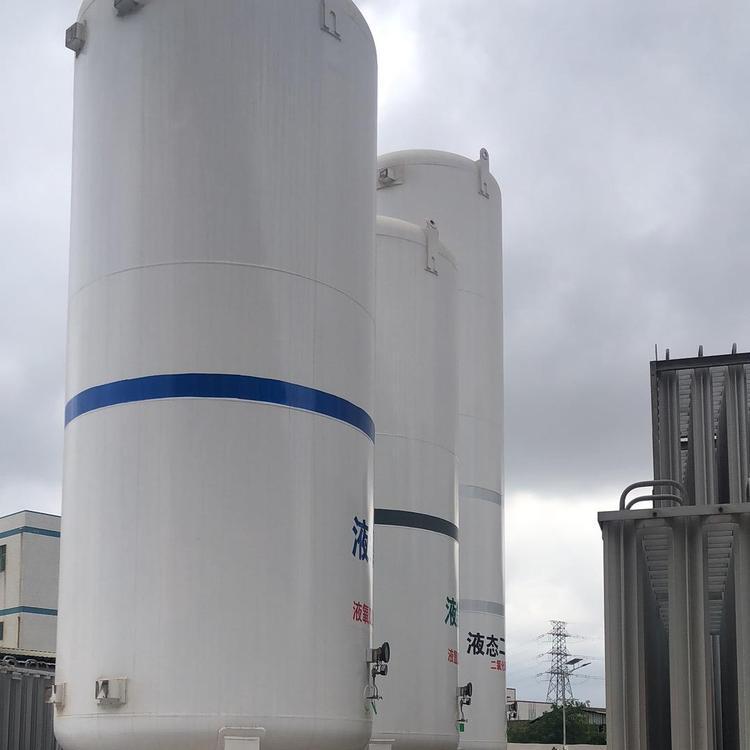


















Shandong Zhongjie Special Equipment's main products include: fuel (gas) boilers, organic heat carrier boilers, biomass boilers, waste heat boilers, and other boiler products; vacuum insulation cryogenic pressure vessels such as LNG tanks, oxygen-nitrogen-aragonite tanks, and CO2 tanks; pressure vessel products like denitrification engineering equipment, heat storage and energy storage equipment, and complete chemical equipment; as well as central air conditioning and HVAC equipment such as ground (water) source heat pumps, air source units, water-cooled screw units, and air-cooled modular units. Planned products include large-scale energy centers, LNG transport vehicles, LNG tank containers, and other green energy equipment.
When using CO2 storage tanks, attention should be given to the following aspects:
Safety Operation: Operators must undergo training to understand the properties, operational requirements, and safety measures of CO2 storage tanks. Adhere to relevant safety operating procedures and standards to ensure operation safety.
Tank Inspection: Regularly inspect the tank's appearance, sealing, valves, and pipe connections before use. Address any abnormalities or damages promptly by repairing or replacing them.
Tank Placement: Place the tank in a well-ventilated, dry, and fire-free area. Avoid direct sunlight and high-temperature environments to prevent overheating.
Leak Protection: Ensure that the valves and pipe connections are sealed properly to prevent CO2 leaks. Regularly check and replace seals, and address leaks promptly.
Pressure Control: Maintain internal tank pressure within safe limits. Check the tank's pressure gauge and safety valve before use to ensure proper function. Avoid excessive or low pressure to prevent safety accidents.
Fire Prevention Measures: CO2 is flammable; take fire prevention precautions when in use. Smoking, open flames, or placing flammable items near the tank are prohibited.
Emission of Exhaust Gas: Properly dispose of exhaust gases produced during CO2 tank use to prevent CO2 buildup in confined spaces, which could lead to asphyxiation and safety risks.
Emergency Response Plan: Develop and implement an emergency response plan, including leak incident management, evacuation, and first aid measures. Operators should be familiar with the plan and conduct regular drills.
Note that CO2 storage tanks should be operated by trained personnel following relevant safety operating procedures and standards. Seek advice and guidance from knowledgeable experts.
Carbon dioxide cylinder filling involves injecting liquid carbon dioxide into the cylinder. Here are some considerations for carbon dioxide cylinder filling:
- Safe Operation: Adhere to relevant safety protocols during cylinder filling. Operators should be trained to understand the characteristics and safety precautions of the cylinder to ensure safe operations.
- Cylinder Capacity Control: Ensure that the filling does not exceed the cylinder's rated capacity. Overfilling can lead to excessive pressure and increased safety risks.
- Filling Rate Control: Maintain a moderate filling rate to avoid being too fast or too slow. Excessive speed can cause excessive internal pressure, while slow speed may result in extended filling time.
- Temperature Control: Monitor the temperature of the liquid carbon dioxide during filling. High temperatures can cause rapid evaporation, and low temperatures can lead to solidification.
- Pressure Control: Control the internal pressure of the cylinder during filling. Excessive pressure can cause the cylinder to rupture or leak, while low pressure may result in inadequate filling.
- Level Monitoring: Regularly monitor the liquid level during filling to ensure accurate measurements and avoid overfilling or underfilling.
- Pressure Relief Devices: The cylinder should be equipped with pressure relief devices, such as safety valves, to control internal pressure. The set pressure should meet relevant requirements and be regularly inspected and maintained.
- Environmental Protection: Be mindful of environmental protection during filling to prevent leaks and pollution of liquid carbon dioxide. Take appropriate protective measures, such as using sealed connections and protective devices.
The above are some considerations for carbon dioxide cylinder filling. When conducting filling operations, follow relevant safety regulations and standards, and consult experts to ensure safety and effectiveness.
Carbon dioxide tanks offer several advantages: High storage density: These tanks can compress carbon dioxide gas into a liquid, significantly increasing storage density. Compared to gas storage, liquid carbon dioxide can hold more CO2 in smaller tanks, saving space and costs. Versatile applications: Carbon dioxide tanks are widely used across various fields, including food and beverage industry, manufacturing, firefighting, and gas supply. CO2 serves as a food preservative, beverage carbonator, gas, and fire extinguisher, with extensive uses and market demand. Environmental and renewable: Carbon dioxide is an eco-friendly gas; its increased concentration in the atmosphere contributes to warming and climate change. By storing and utilizing CO2, we can reduce its emissions into the atmosphere, promoting environmental protection and sustainable development. Safe and reliable: These tanks are designed and manufactured with high-strength materials (like carbon steel or stainless steel), ensuring excellent pressure resistance and safety. They typically come with safety valves, pressure gauges, and level indicators for secure operation. Moreover, CO2 is non-flammable and non-explosive, making it relatively safe. Supply: The tanks provide a stable supply of CO2. Through tank design and control systems, precise measurement and supply of CO2 can be achieved, meeting industrial and application needs. These advantages make carbon dioxide tanks an essential storage and supply equipment, widely used in numerous industries. However, safety operating procedures and standards must be followed when using carbon dioxide tanks to ensure safe operation and usage.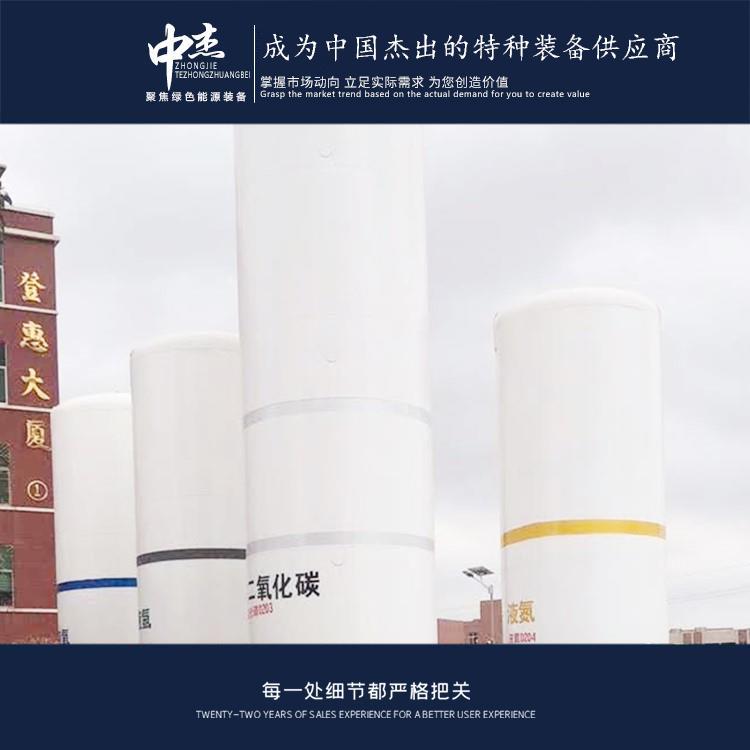
Carbon dioxide tank level gauges are devices used to measure and monitor the liquid level of carbon dioxide within the tank. Depending on different working principles and application requirements, common carbon dioxide tank level gauges include the following types:
- Buoy Level Gauge: Uses the buoyancy of a float to reflect the level of liquid. The liquid level is measured through a mechanical device or an electrical signal sensor connected to the float.
- Pressure Level Gauge: Utilizes the relationship between liquid pressure and level to measure the level. The liquid level height is calculated by measuring the pressure change on the pressure sensor.
- Ultrasonic Level Gauge: Measures the level using the propagation time of ultrasound. An ultrasonic transmitter emits ultrasound, and when the beam encounters the liquid surface, part of the beam is reflected back. The liquid level height is calculated by measuring the reflection time.
- Capillary Level Gauge: Uses the capillary principle to measure the level. By inserting a thin tube into the liquid, the liquid rises within the tube, and the liquid level height is calculated based on the rise height.
- Level Gauge: Measures the level by reflecting waves. A transmitter emits waves, and when the beam encounters the liquid surface, part of the beam is reflected back. The liquid level height is calculated by measuring the reflection time.
These level gauges can be applied in carbon dioxide tanks based on specific needs and tank design. When selecting and installing level gauges, factors such as liquid properties, working environment, and precision requirements should be considered, and they must be ensured to match the tank's safe operation and monitoring system.
Shandong Zhongjie Special Equipment, welcome customers to our factory for business discussions.
WeChat Official Account

Scan to follow Official Account



















