





















Shandong Zhongjie Special Equipment Co., Ltd. specializes in the following products: fuel (gas) boilers, organic heat carrier boilers, biomass boilers, waste heat boilers, and other boiler products; vacuum insulated cryogenic pressure vessels such as LNG storage tanks, oxygen-nitrogenargon storage tanks, and CO2 storage tanks; pressure vessel products including denitrification engineering equipment, heat storage and energy storage equipment, and complete chemical equipment; central air conditioning and HVAC equipment such as ground (water) source heat pumps, air source units, water-cooled screw units, and air-cooled modular units. Planned products include large-scale energy centers, LNG transport vehicles, LNG tank containers, and other green energy equipment.
Possible reasons for incomplete combustion of fuel in biomass boilers may include the following aspects:
Inappropriate combustion conditions: In the combustion process, if the combustion temperature is too low, oxygen supply is insufficient, or the combustion time is inadequate, incomplete combustion of the fuel may occur. This could be due to improper burner settings, an unreasonable ventilation system, or inaccurate adjustment of combustion parameters, among other reasons.
Fuel Quality Issues: The quality of fuel also affects combustion efficiency. If fuel contains excessive moisture, impurities, or ash, it can impact the calorific value and combustion properties during the combustion process, leading to incomplete combustion.
Impractical combustion chamber design: The design of the combustion chamber significantly affects the combustion efficiency. An unreasonably structured combustion chamber, insufficient combustion space, or uneven airflow distribution within the chamber can all lead to incomplete fuel combustion.
Combustion System Failure: A failure in the combustion system can also lead to incomplete fuel combustion. For instance, issues like a clogged nozzle in the burner, a malfunctioning ignition system, or abnormal operation of the combustion fan can all affect the combustion efficiency.
Lack of maintenance and cleaning: Regular maintenance and cleaning of biomass boilers are crucial for maintaining combustion efficiency. Accumulation of ash, slagging, or blockages inside the boiler can affect the normal combustion of fuel, leading to incomplete combustion.
To address incomplete fuel combustion, the following measures can be taken: adjust combustion parameters to ensure appropriate combustion temperature, oxygen supply, and duration; select the right amount of fuel and ensure it is stored and handled properly; schedule regular maintenance and cleaning of the boiler to keep the combustion system running smoothly. Additionally, depending on the specific situation, it may be necessary to consult with boiler maintenance personnel or manufacturers for more detailed and accurate solutions.
Biomass boilers are prone to corrosion at high temperatures, primarily due to the following reasons:
Fuel Composition: Biomass fuel contains certain amounts of ash and elements such as chlorine, which, during combustion, form corrosive substances under high temperatures, such as chlorides and salts. These substances react with the metal surface, leading to metal corrosion.
Combustion Conditions: Factors such as combustion temperature, oxygen content, and combustion rate during biomass combustion affect the occurrence of corrosion. High temperatures, excessive oxygen, and rapid combustion rates accelerate the corrosion process.
Smoke Composition: The smoke produced by biomass combustion contains certain acidic substances, such as... These acidic substances can react with the metal surface, causing corrosion.
Flue Gas Condensation: During the flue gas condensation process in biomass boilers, water vapor in the flue gas condenses into liquid water, forming acidic condensate. This acidic condensate comes into contact with metal surfaces, causing corrosion.
Material Selection for Metal: The corrosion resistance of the metal materials used in biomass boilers also affects their performance. Different metal materials exhibit varying corrosion resistance to different corrosive mediums.
In summary, the primary causes of high-temperature corrosion in biomass boilers include fuel composition, combustion conditions, flue gas composition, flue gas condensation, and material selection. To alleviate corrosion issues,
In the technical aspect of biomass boilers, the following three issues need to be addressed with emphasis:
Enhanced Combustion Efficiency: Biomass fuel has different characteristics from traditional fossil fuels, which tend to produce particulate matter like straw and wood shavings during combustion, leading to lower efficiency. Therefore, it is necessary to develop and improve combustion systems, optimize the combustion process, enhance efficiency, and reduce energy waste.
High-Temperature Corrosion Issue: Ash and elements like chlorine in biomass fuels are prone to cause corrosion at high temperatures, damaging the metal components of boilers. To address the high-temperature corrosion problem, it's necessary to develop and apply corrosion-resistant materials, control combustion conditions, and minimize corrosion.
Ash management and utilization: Biomass fuel combustion generates a large amount of ash, including waste, ash content, and unburnt materials. The management and disposal of ash is a significant issue, requiring the development and application of ash management technologies, including ash recycling, resource utilization, and chemical treatment.
By addressing these three issues, the combustion efficiency of biomass boilers can be further enhanced, corrosion risks reduced, and effective handling and utilization of ash and slag achieved, promoting the sustainable development of biomass energy.
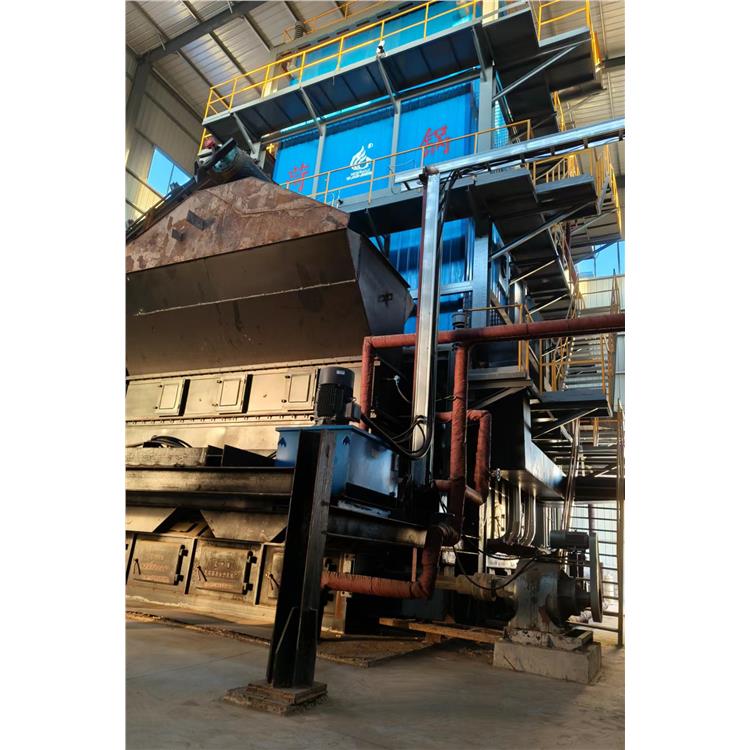
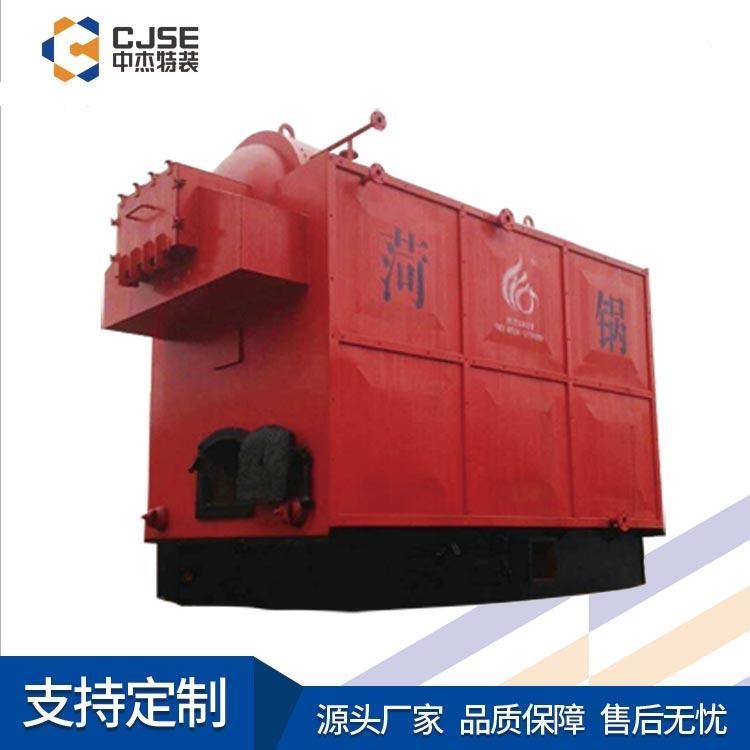
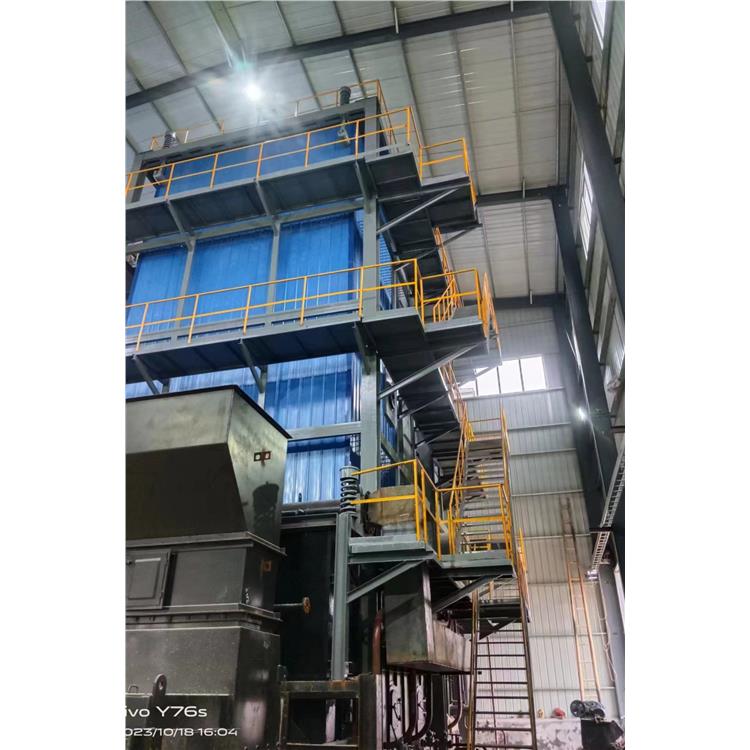
The SZL biomass chain grate steam boiler is a specific type of biomass boiler that utilizes chain grate technology to burn biomass fuel and produce steam. Below are some features and characteristics of the SZL biomass chain grate steam boiler:
Briquette Design: The SZL biomass chain grate steam boiler employs a chain grate design, where fuel is progressively pushed through the grate layers for a continuous combustion process. The chain grate offers ample combustion space and extended burning time, ensuring thorough combustion of biomass fuel.
Multi-fuel Adaptability: The SZL biomass chain grate steam boiler is suitable for various biomass fuels such as wood chips, straw, rice husks, etc. It boasts strong fuel adaptability and can choose the appropriate fuel for combustion based on actual conditions.
Heat Exchanger: The heat exchanger equipped with the SZL biomass chain steam boiler effectively utilizes the thermal energy in flue gas to enhance thermal efficiency. The design and material selection of the heat exchanger have been optimized for optimal heat conduction and exchange.
The control system: The control system of the SZL biomass chain steam boiler is capable of accurately controlling and adjusting parameters such as temperature, pressure, and fuel supply. The control system is equipped with safety protection functions, such as overheat protection and low water level protection, ensuring the safe operation of the boiler.
Environmental-friendly low emissions: The SZL biomass chain grate steam boiler utilizes
Zhongjie Special Equipment upholds the grand vision of "realizing employees' dreams, creating value for customers, and striving for the prosperity and strength of our motherland," and is dedicated to the development of the green energy equipment industry. We offer society high-quality products and services at competitive prices!
WeChat Official Account

Scan to follow Official Account



















