





















Shandong Zhongjie Special Equipment (formerly Heze Boiler Factory Co., Ltd.) was established in 2001, located at No. 2218 Jinnan Road, Economic and Technological Development Zone, Heze City. With a registered capital of 50 million yuan and total assets of 500 million yuan, the company has seven business centers: boilers, deep-freezing vessels, pressure vessels, central air conditioning, engineering installation, international trade, and the Internet of Things. It operates three factory sites on Jinnan Road, East Changjiang Road, and Bohai Road, covering a total area of 200,000 square meters, with the main workshop spanning 83,000 square meters. It currently employs 710 people, including 247 engineering and technical staff and 82 intermediate-level technicians. In December 2016, it was recognized as a "High-Tech Enterprise" by the Science and Technology Department. In June 2021, it was identified as a "Specialized and New Enterprise in Shandong Province" by the Department of Industry and Information Technology. In June 2022, it was recognized as a "Gazelle Enterprise in Shandong Province" and in August 2022, it was identified as a "Specialized and New Small Giant Enterprise" by the Ministry of Industry and Information Technology.
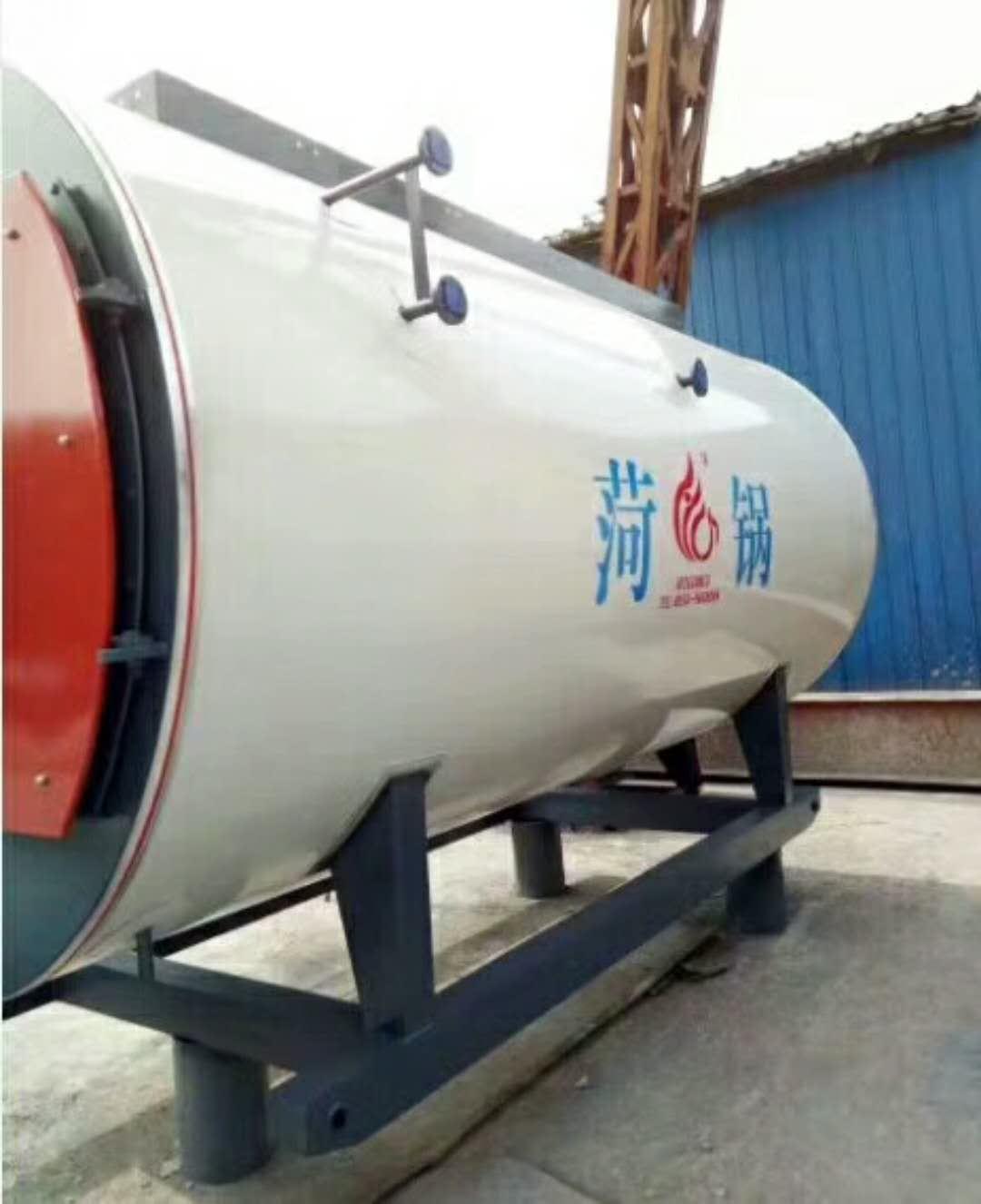
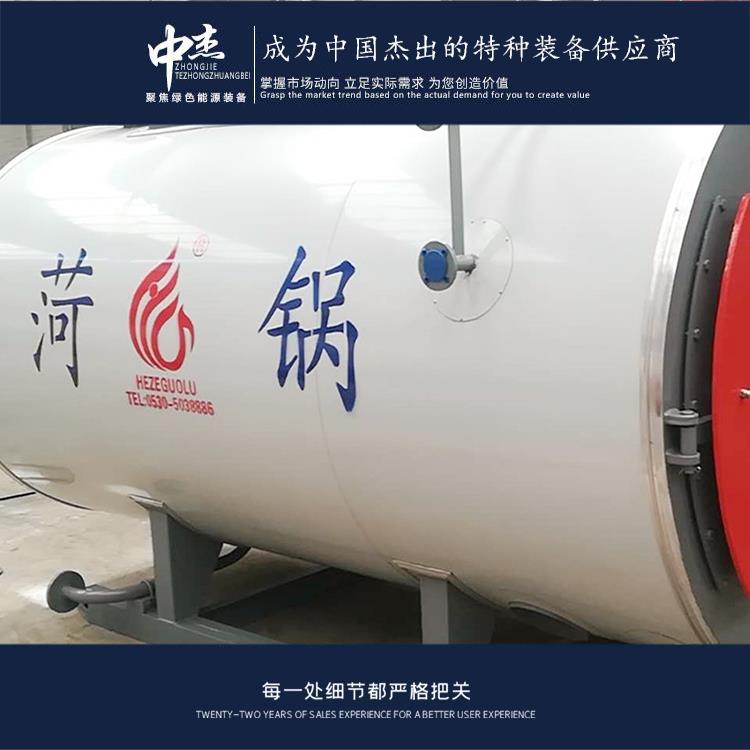
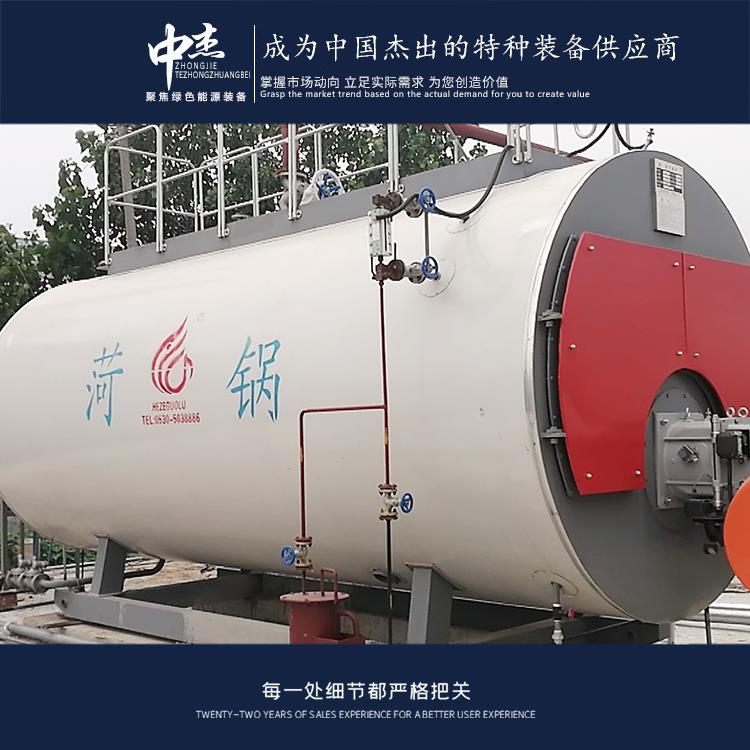
A thermal oil furnace uses gas as fuel and transfers heat energy through thermal oil. Its features include:
- High thermal efficiency: The thermal oil furnace uses thermal oil as the heat transfer medium, offering high heat transfer efficiency. Thermal oil boasts high thermal conductivity and stability, enabling rapid heat transfer and enhancing energy utilization.
- Temperature control: The furnace can control working temperature by regulating gas supply and thermal oil circulation. This temperature control meets various process and production requirements, boosting efficiency and product quality.
- Safety and reliability: The furnace employs a closed-loop system, with combustion occurring in an enclosed environment, reducing the risk of gas leaks. Additionally, the thermal oil has a high flash point and ignition point, making the combustion process relatively safe and reliable.
- Flexibility: Suitable for various industrial fields such as chemical, textile, and food processing, the furnace can adapt to different process needs and working conditions, offering strong flexibility.
- Environmental protection and energy-saving: The furnace emits relatively low exhaust during combustion, causing minimal environmental pollution. Thanks to its high thermal efficiency and temperature control, it saves energy consumption and reduces energy costs.
- It's important to note that regular maintenance and inspection are required for the thermal oil furnace to ensure proper operation and extend its lifespan. Moreover, selecting the appropriate model and supplier is crucial for ensuring its features and performance.
Chemical cleaning of industrial boilers is a common method used to effectively remove dirt and deposits inside the boiler, enhancing heat exchange efficiency and extending the boiler's lifespan. Below are the general steps and methods for industrial boiler chemical cleaning:
Preparation: Turn off the boiler's power and gas supply, drain the water and steam inside the boiler, ensuring the boiler is in a safe condition. Prepare the required chemical cleaning agents and equipment.
Cleaning Agent Selection: Choose the appropriate chemical cleaning agent based on the boiler's material and the nature of the dirt. Common cleaning agents include acidic cleaners, alkaline cleaners, and chelating agents.
Cleaning Agent Circulation: Dissolve the cleaning agent in a sufficient amount of water and circulate it into the boiler using a pump. Determine the circulation time and temperature based on the boiler's size and the extent of dirt.
Cleaning Agent Action: During circulation, the cleaning agent reacts chemically with the dirt inside the boiler, dissolving and decomposing it. Acidic cleaners can remove rust and scale, while alkaline cleaners can remove grease and organic matter.
Rinsing and Neutralization: After the cleaning agent circulation is complete, rinse the boiler with clean water to flush out the cleaning agent and dissolved dirt. Simultaneously, use a neutralizer to neutralize any remaining acidic or alkaline substances, ensuring the boiler's neutrality.
Inspection and Maintenance: After cleaning, inspect the boiler to ensure the cleaning effect and normal operation. Perform necessary maintenance and upkeep as required.
Points to Note When Conducting Industrial Boiler Chemical Cleaning:
1. Adhere strictly to the instructions for the use of chemical cleaning agents and safety operation procedures to ensure the safety of the operators.
2. Select the appropriate cleaning agent and method based on the boiler's material and the cleaning agent's properties.
3. Control the concentration, temperature, and circulation time of the cleaning agent to avoid unnecessary damage to the boiler.
4. Monitor the concentration and pH of the cleaning agent in a timely manner during the cleaning process and adjust the cleaning conditions accordingly.
5. Flush the boiler after cleaning to ensure that all cleaning agents and dirt are completely removed.
6. Perform boiler maintenance and upkeep promptly after cleaning to ensure normal operation and long-term use.
Steam boiler blowdown devices mainly include the following types:
- Blowdown Valve: Typically installed on steam boilers, the blowdown valve is used to discharge wastewater and impurities from the boiler. Located at the bottom or side of the boiler, opening the valve allows for the removal of wastewater to maintain internal cleanliness.
- Blowdown Pump: For large steam boilers or situations requiring long-distance wastewater discharge, a blowdown pump may be used. The pump can extract wastewater from the boiler and transport it through pipes to designated discharge points.
- Automatic Blowdown System: Some steam boilers may be equipped with an automatic blowdown system. These systems can automatically discharge wastewater from the boiler based on set time intervals or wastewater concentration, enhancing efficiency and accuracy in blowdown.
- Wastewater Treatment Equipment: In certain cases, steam boilers may require wastewater treatment equipment. These units process the discharged wastewater to remove impurities and pollutants, meeting environmental protection standards.
- It is important to note that the selection and use of steam boiler blowdown devices should be determined based on the specific type, scale, and operating environment of the boiler. When using blowdown devices, it is necessary to follow relevant operational procedures and safety requirements to ensure a safe and effective blowdown process.
When designing a fuel-gas boiler room, the following considerations should be taken into account:
Safety Considerations: Ensure that the design of the boiler room complies with relevant safety standards and regulations. Consider fire risks and install appropriate firewalls, fire doors, and isolation devices. Ensure good ventilation in the boiler room, with suitable ventilation equipment and flue systems to expel harmful gases produced by combustion.
Space and Layout: Plan the space and layout of the boiler room according to the number and size of the boilers. Ensure there is sufficient space for operation, maintenance, and cleaning. Arrange the boilers, fuel storage equipment, flue systems, and pipeline layout in a manner convenient for operation and maintenance.
Fuel Supply and Storage: Consider the needs for fuel supply and storage. Ensure the safety and reliability of fuel supply pipelines and equipment to prevent leaks and contamination. Plan the capacity and location of fuel storage equipment rationally to ensure an adequate fuel supply and compliance with relevant safety requirements.
Emission and Exhaust Gas Treatment: Consider the emission and treatment of exhaust gases produced by combustion. Install suitable flue systems and exhaust gas treatment equipment to reduce the impact of exhaust emissions on the environment. Ensure that the design and layout of the flue system are reasonable and can effectively expel smoke and exhaust gases.
Control and Monitoring Systems: Design appropriate control and monitoring systems to ensure the safety and operation of the boilers. This includes monitoring and control equipment for parameters such as temperature, pressure, and flow, as well as alarm and automatic shutdown devices. Ensure that operators can promptly understand the operating status of the boilers and take necessary actions.
Our company attaches great importance to technological innovation and R&D design. We have one municipal-level enterprise technology center in Heze City, equipped with testing facilities for non-destructive testing, physical and chemical tests, welding tests, hydrostatic tests, etc. We have over 600 units of various equipment, including CNC machine tools, X-ray flaw detectors, digital ultrasonic flaw detectors, mechanical property testing machines, chemical analyzers, spectrometers, tensile testing machines, plasma welding machines, and more. The key products and technologies we have developed, such as temperature and pressure vessel welding, biomass boiler emission reduction, and waste heat utilization, have successively been selected for multiple Shandong Provincial Department of Industry and Information Technology science and technology innovation projects, Shandong Provincial key projects, and Heze City innovation and excellence projects. We have accumulated a total of 27 authorized utility models, 16 authorized inventions, participated in drafting 2 standards, 2 industry standards, and registered 15 trademarks. The technical team of our company, in collaboration with Professor Yajiang Li of Shandong University, has developed deep cryogenic container processing technology using the international plasma arc + filler wire tungsten inert gas arc welding (PAW-GTAW) technology. After provincial-level scientific and technological achievement evaluation, the technology level has reached an international standard in the field of deep cryogenic container manufacturing.
Choose ZJET Customized Solutions, let's create brilliance together!
WeChat Official Account

Scan to follow Official Account



















