


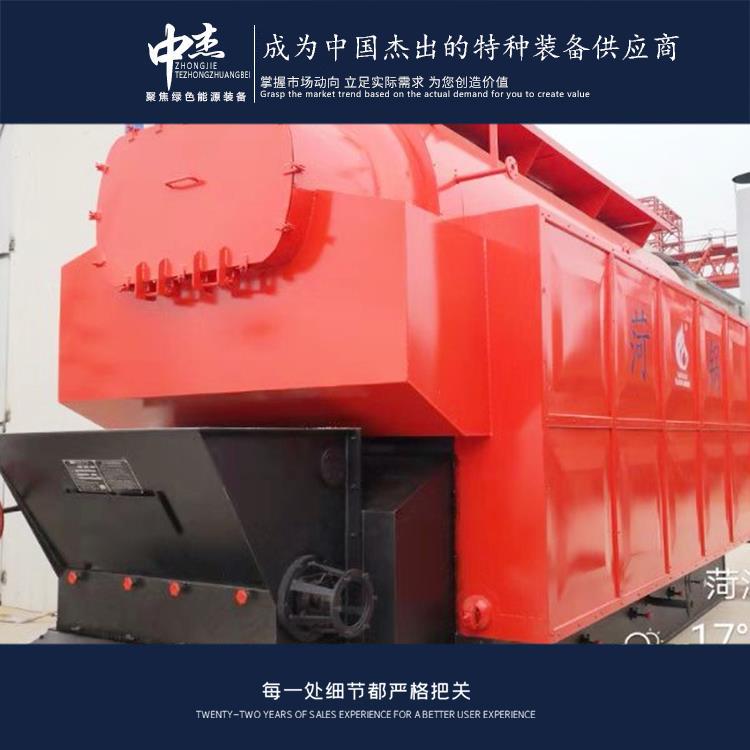

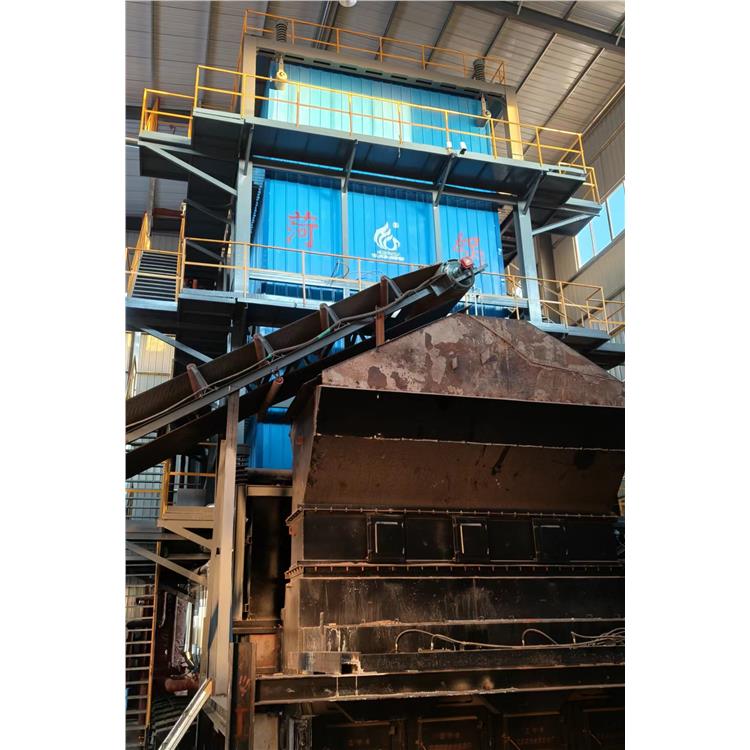
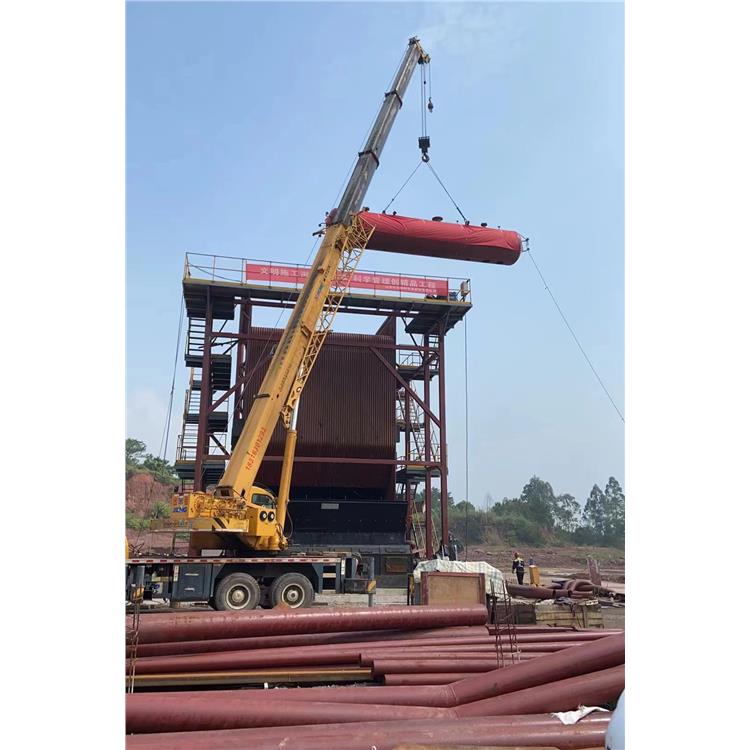


















Shandong Zhongjie Special Equipment Co., Ltd. (formerly Heze Boiler Factory Co., Ltd.) was established in 2001 and is located at No. 2218 Jinnan Road, Economic Development Zone, Heze City. With a registered capital of 50 million yuan and total assets of 500 million yuan, the company operates 7 business centers: boiler manufacturing, deep-freezing vessels, pressure vessels, central air conditioning, engineering installation, international trade, and Internet of Things. It has three manufacturing sites on Jinnan Road, East Changjiang Road, and Bohai Road, covering a total of 200,000 square meters, with the main workshop spanning 83,000 square meters. The company currently employs 710 people, including 247 engineering technicians and 82 middle-level technicians. It was recognized as a "High-Tech Enterprise" by the Science and Technology Department in December 2016, as a "Specialized, Focused, and New Enterprise in Shandong" by the Department of Industry and Information Technology in June 2021, as a "Deer Enterprise in Shandong" in June 2022, and as a "Specialized, Focused, and New Small Giant Enterprise" by the Ministry of Industry and Information Technology in August 2022.
The biomass boiler combustion technology refers to the process of burning biomass fuel to release heat energy. The following are common biomass boiler combustion technologies:
Fuel Burning Methods: Biomass boilers can utilize various burning methods, including direct combustion, gasification combustion, and liquefaction combustion. Direct combustion involves burning biomass fuel directly in the furnace; gasification combustion converts biomass fuel into combustible gases at high temperatures before burning; liquefaction combustion burns biomass fuel after converting it into liquid fuel.
Combustion Control: Biomass boilers require a combustion control system to regulate fuel supply, air supply, and the combustion process. By adjusting the ratio of fuel to air, the combustion temperature and efficiency are controlled to achieve a stable combustion process.
Combustion Equipment: The combustion equipment of biomass boilers includes the furnace chamber, grate, and combustion chamber, etc. The furnace chamber is the main area for combustion, the grate is used for supporting and burning the fuel, and the combustion chamber is for providing a suitable combustion environment.
Combustion Equipment: To enhance the combustion efficiency and environmental performance of biomass boilers, combustion equipment such as preheaters, dust collectors, and desulfurization devices are often installed. Preheaters are used to increase the combustion temperature and thermal efficiency of the fuel, dust collectors to remove particulates from flue gas, and desulfurization devices to remove sulfur compounds.
Combustion control and monitoring: Biomass boilers require the installation of combustion
To improve the thermal efficiency of biomass boilers, the following measures can be taken:
Optimize the combustion system: Ensure the biomass boiler's combustion system operates effectively and efficiently. Adoptable combustion technologies, such as fluidized bed combustion and chain grate combustion, can enhance combustion efficiency and heat energy utilization.
Control Fuel Quality: Select biomass fuel quantities like dry wood chips, straw, etc., avoiding fuels with high moisture content. High moisture fuels consume extra heat for water evaporation, reducing combustion efficiency.
Properly Adjust Fuel Supply: Adjust the fuel supply quantity according to actual needs, avoiding both excess and deficiency. Excess supply leads to fuel waste, while insufficient supply affects combustion efficiency.
Control combustion temperature: Maintain an appropriate range of combustion temperature to avoid excessively high or low temperatures. Excessively high combustion temperatures can lead to heat loss of the fuel, while excessively low temperatures may affect the combustion efficiency.
Regular Cleaning and Maintenance: Regularly clean the combustion chamber, flue, heat exchanger, and other components of the biomass boiler to keep them clean and unobstructed. Accumulated ash and dirt can affect heat conduction and heat exchange efficiency, reducing thermal efficiency.
Utilize waste heat recovery technology: Employ waste heat recovery units to harness the residual heat generated from combustion for heating systems or other applications.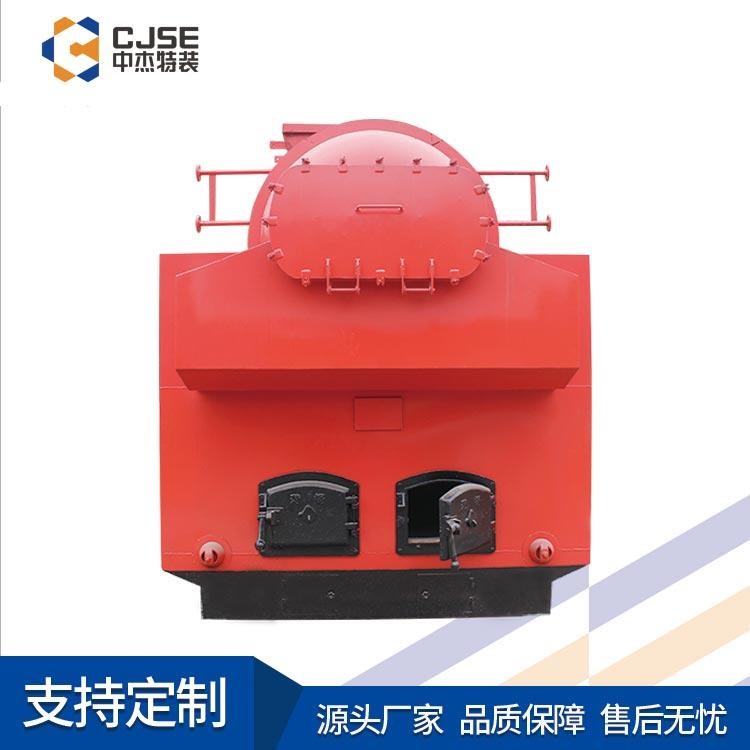
Blowing ash refers to the process of removing dust and scale from the flue, furnace, and heat exchange surfaces of a boiler during its operation, by means of injecting high-pressure steam or compressed air. The function of blowing ash and its impact on the operation of biomass boilers are as follows:
Function:
Dust and dirt: During biomass combustion, a significant amount of dust and dirt is produced, which adheres to the flue, furnace, and heat exchange surfaces of the boiler, affecting the efficiency of heat transfer. Blowing dust can remove these accumulations, keeping the boiler clean.
Enhance heat transfer efficiency: Ash and dirt on boiler flues, fireboxes, and heat exchange surfaces create thermal resistance, hindering heat transfer. Blowing off the dust can eliminate this resistance, improve heat transfer efficiency, and reduce energy waste.
Prevent焦结和Corrosion: Accumulated dust and dirt on the boiler flue and furnace can lead to excessively high local temperatures, causing焦结and corrosion issues. Blowing away the dirt can reduce local temperatures and prevent焦结and corrosion from occurring.
Impact:
Boiler Heat Efficiency: Blowing ash can remove scale and dirt from the flue, furnace, and heat exchange surfaces, improving heat transfer efficiency, thereby enhancing the boiler's heat efficiency.
Boiler Safety: Blowing ash prevents scaling and corrosion in the boiler flue and furnace, reducing safety hazards, and ensuring the safe operation of the boiler.
Boiler Stability: Blowing ash helps maintain the boiler's cleanliness, reducing the impact of accumulated dust and dirt on its operation, and enhancing boiler efficiency.
Fully automatic biomass boilers refer to biomass boilers equipped with a fully automatic control system. Here are some points to note:
Regular Maintenance: Although fully automatic biomass boilers come with an automatic control system, regular maintenance is still necessary. This includes cleaning the combustion chamber, heat exchanger, flue, and other components, inspecting and replacing worn-out parts, to ensure the normal operation of the boiler.
Water Treatment: The quality of water in biomass boilers is crucial for their normal operation. Regularly inspect and treat water quality, including water hardness, alkalinity, and impurities. Take appropriate water treatment measures based on the water quality to prevent scale and corrosion, and protect the boiler's heat exchangers and pipes.
Fuel Quality Control: The quality of fuel for biomass boilers is crucial for combustion efficiency and stable operation. Select the appropriate amount of biomass fuel and conduct proper quality control, including moisture content and particle size. Ensure the fuel quality meets the boiler's requirements to avoid incomplete combustion and blockages.
Regular Cleaning of the Combustion System: The combustion system of fully automatic biomass boilers requires regular cleaning, including the combustion chamber, burners, and burner nozzles. Accumulated soot, sediments, and dirt maintain the system's unobstructed flow, preventing incomplete combustion and unstable flames.
Regular system inspections: The control system of fully automatic biomass boilers requires regular inspections and testing to ensure proper operation. This includes checking the accuracy of sensors and the stability of controllers. Promptly identify and resolve issues with the control system to ensure stable boiler operation.
Maintain records and monitor: Document and monitor operating parameters and fault conditions of all active biomass boilers, and conduct analysis. Identify and address issues promptly to prevent faults from occurring or escalating.
The above are some precautions when using fully automatic biomass boilers. With proper maintenance, care, and quality control, the stable operation and performance of the boiler can be ensured.
Shandong Zhongjie Special Equipment, welcome customers to our factory for business talks.
WeChat Official Account

Scan to follow Official Account



















