


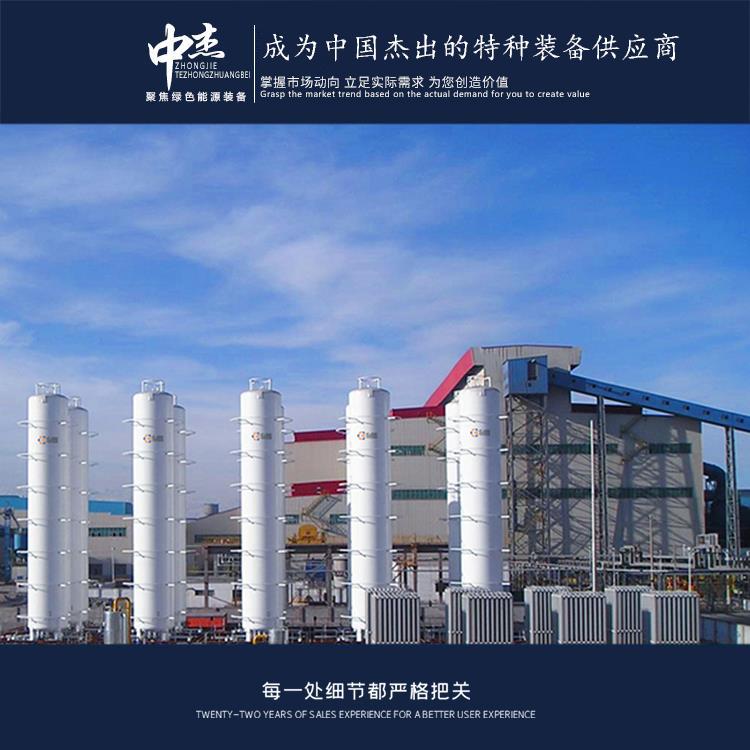

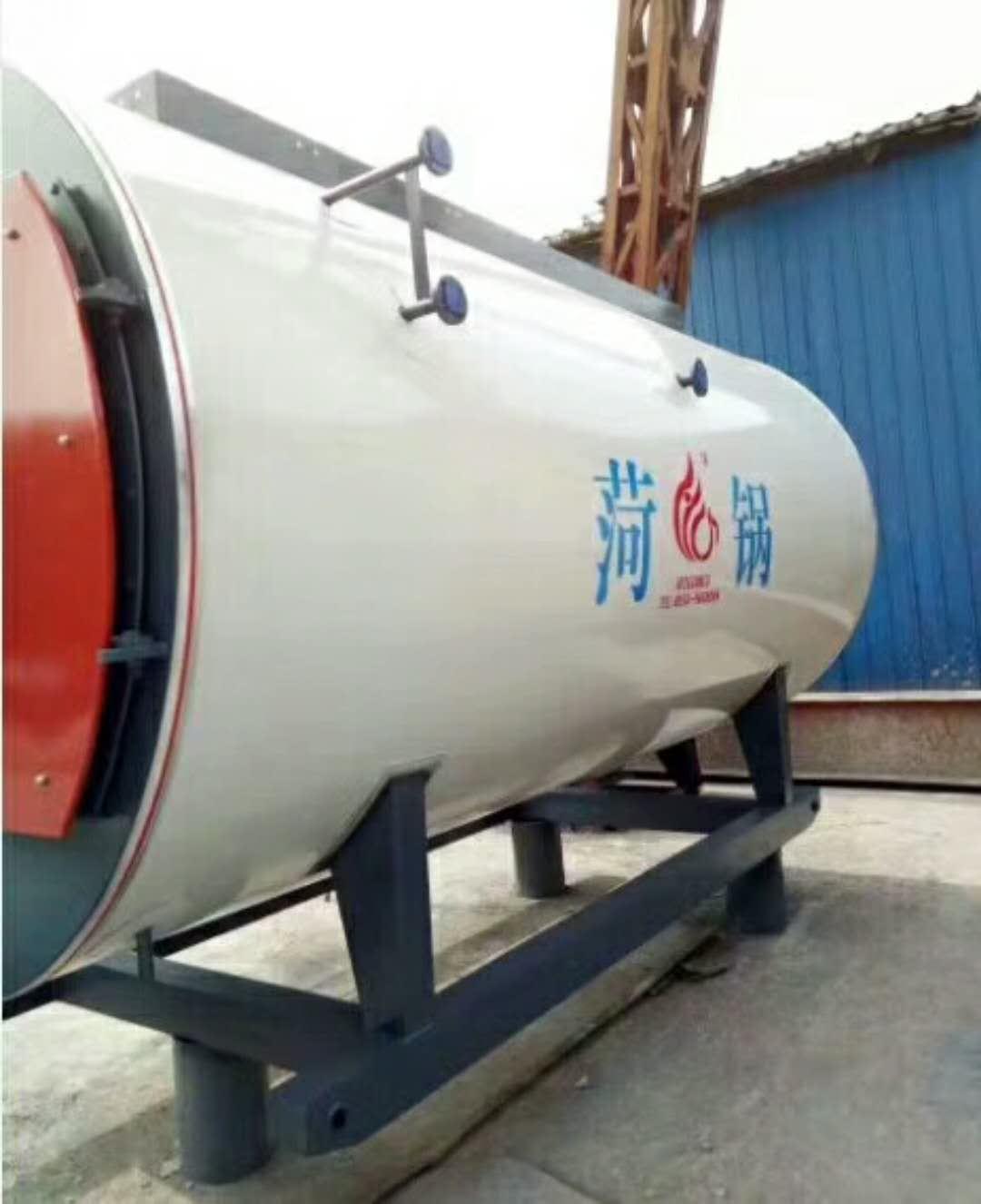
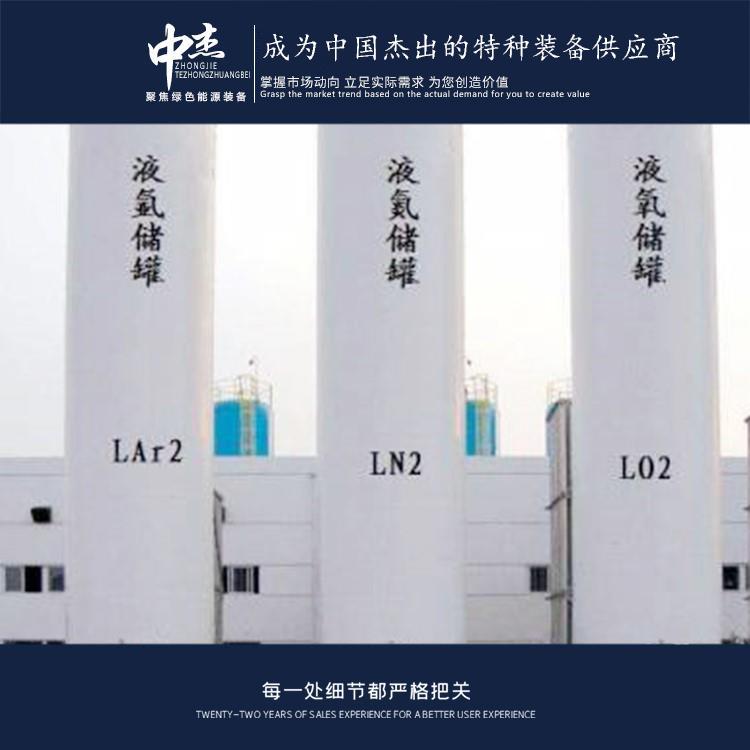


















Shandong Zhongjie Special Equipment (formerly Heze Boiler Factory Co., Ltd.) holds an A-grade boiler manufacturing license, an A2-grade pressure vessel manufacturing license, an A2-grade pressure vessel design license, a B-grade boiler installation license, and GB2/Class, GC2/Class pressure pipeline installation licenses, as well as a mechanical and electrical equipment installation contracting qualification. It is a member of the China Boiler and Water Treatment Association, the China Chemical Equipment Association, and the council member of the Shandong Equipment Manufacturing Association. The company has also passed certifications for the ISO9001 Quality Management System, ISO14001 Environmental Management System, OHSAS18001 Occupational Health and Safety Management System, and the American ASME/U2 certification.
Oxygen storage tanks and liquid oxygen storage tanks are equipment used for storing oxygen, but they have some distinctions: Storage form: Oxygen storage tanks are typically used for storing gaseous oxygen, while liquid oxygen storage tanks are for storing liquid oxygen. Oxygen is in a gaseous state at room temperature but can be cooled to a liquid state at low temperatures for more efficient storage and use. Storage pressure: Oxygen storage tanks usually store high-pressure oxygen, with pressures around 200-300 bar. Liquid oxygen storage tanks store liquid oxygen at lower pressures, generally around 2-5 bar. Storage capacity: Oxygen storage tanks usually have smaller capacities, suitable for personal or small-scale use. Liquid oxygen storage tanks have larger capacities, suitable for industrial or large-scale use. Storage method: Oxygen storage tanks store oxygen in a gaseous form, via compressed gas storage. Liquid oxygen storage tanks store oxygen in a liquid form, by cooling it to temperatures below its boiling point to convert it to a liquid. Safety requirements: Due to the high oxidizing nature of liquid oxygen, liquid oxygen storage tanks require stricter safety requirements in design and use. Liquid oxygen storage tanks typically need to have good thermal insulation, leak control, and fire prevention measures to ensure safe operation. It should be noted that the specific design and specifications of oxygen storage tanks and liquid oxygen storage tanks may vary depending on different regions and application sites. When using these tanks, it is necessary to follow applicable regulations, standards, and safety guidelines, and to cooperate with local regulatory authorities and personnel to ensure the safety and reliability of the tanks.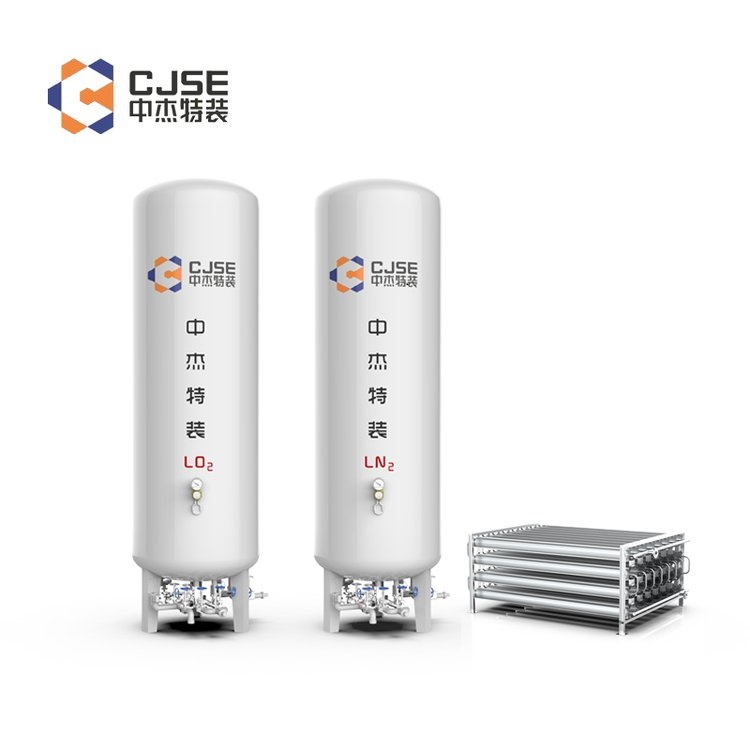
Prior to filling the liquid nitrogen tank, the following checks must be conducted:
Tank exterior inspection: Check for any obvious damage, deformation, corrosion, etc., on the tank's exterior, including the tank wall, valves, pipes, and joints.
Sealability Inspection: Verify the tank's sealing performance, including checking for any leakage at valves and pipe connections, to ensure the tank maintains good sealing integrity.
Pressure Check: Verify that the tank's pressure gauge is functioning properly and that the pressure is within the normal range to ensure the tank operates normally.
Level Check: Inspect the tank's liquid level to ensure it's within the normal range, avoiding issues caused by excessive or insufficient levels.
Insulation Layer Inspection: Verify the integrity of the storage tank's insulation layer, checking for any damage or signs of detachment to ensure optimal insulation performance and minimize evaporation losses of liquid nitrogen.
Leakage Inspection: Check for signs of liquid nitrogen leakage around the storage tank, including any frost, freezing, or liquid nitrogen residue on the ground.
Safety Equipment Inspection: Verify that the storage tank's safety equipment, such as leak detectors, alarm systems, and safety valves, are functioning properly to ensure the tank's safety.
Clean Inspection: Ensure the interior of the tank is clean, free of accumulated impurities and dirt, to maintain the tank's cleanliness and hygiene.
Above are the inspection requirements prior to filling liquid nitrogen tanks, to ensure the safe operation of the tank and the normal storage of liquid nitrogen. During the inspection process, strict adherence to the relevant operational procedures and safety operation requirements is essential to ensure operational safety.
Proper maintenance and precautions for liquid nitrogen tanks are crucial. Here are some key points:
Maintenance:
Regular Inspections: Regularly inspect the exterior, valves, pipelines, and other components of the liquid nitrogen tank to ensure they are in perfect condition. Pay special attention to check for any leaks, corrosion, or other damage.
Clean Storage Tanks: Regularly clean liquid nitrogen storage tanks to remove internal dirt and sediments. Use appropriate cleaning agents and tools, and follow the cleaning procedures and safety operation protocols.
Liquid Nitrogen Refill: Refill liquid nitrogen regularly as needed. Ensure that the storage tank maintains an adequate supply of liquid nitrogen to meet usage requirements.
Maintain Pressure: Regularly inspect the liquid nitrogen tank's pressure to ensure it remains within the safe range. Conduct pressure tests and adjustments as necessary.
Corrosion Treatment: Implement appropriate anti-corrosion measures based on the material and usage environment of the storage tank to extend its service life. For example, apply anti-corrosion coatings, carry out regular anti-corrosion treatments, etc.
Cautionary Notes:
Safe Operation: Adherence to strict safety procedures and standards is mandatory when using liquid nitrogen tanks. Operators should be trained to understand the properties and safety requirements of liquid nitrogen, familiarize themselves with the tank equipment and operation procedures.
Protective Measures: When using liquid nitrogen tanks, necessary protective measures must be taken, such as wearing protective gloves and suits. Avoid direct contact with liquid nitrogen to prevent coldness.
Leak Control: Regularly inspect the liquid nitrogen storage tank for leaks and equip with leak detection and alarm systems. In case of a leak, immediate measures should be taken to control the leak and carry out repairs.
Ventilation Requirements: In enclosed spaces where liquid nitrogen tanks are used, it must be ensured that there is adequate ventilation.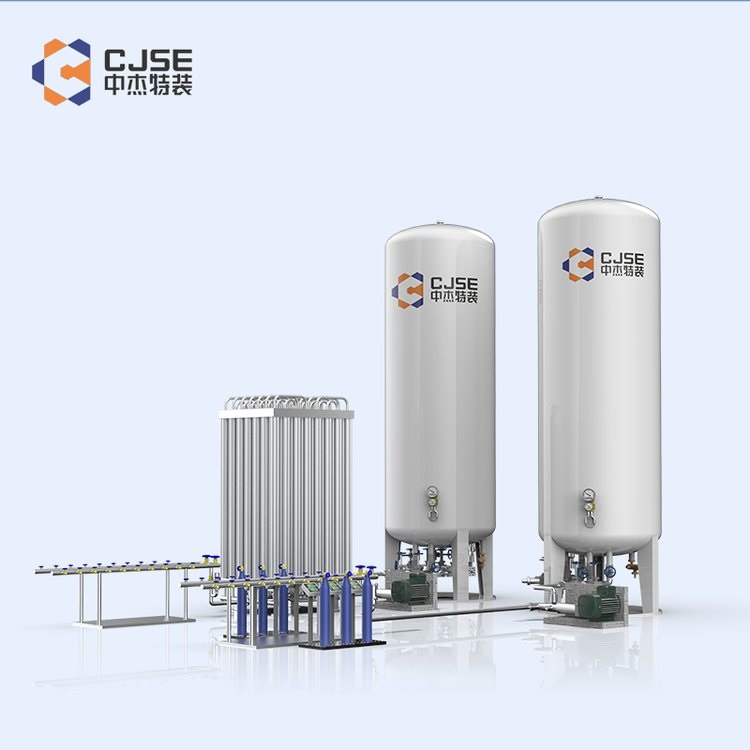
Liquid nitrogen tanks are widely used in meat freezing. Here are several main applications of liquid nitrogen tanks in meat freezing:
Quick Freezing: Liquid nitrogen tanks can provide low temperatures to rapidly freeze meat to the required temperature. Due to the low-temperature characteristics of liquid nitrogen, the temperature of the meat can be quickly reduced in a short period, effectively preserving the quality and texture of the meat.
Chilled Storage: Liquid nitrogen tanks are suitable for long-term freezing storage of meat products. Placing meat in a liquid nitrogen tank can maintain it at low temperatures, preventing the growth of bacteria and microorganisms, and extending the shelf life of the meat.
Refrigerated Transport: Liquid nitrogen tanks are suitable for the freezing transportation of meat products. Placing meat in a liquid nitrogen tank maintains its low temperature, ensuring the quality and freshness of the meat throughout the transportation process.
Chilled Processing: Liquid nitrogen tanks can be used for meat chilling. By exposing meat to liquid nitrogen, the surface can be quickly frozen, forming a chilled layer, thereby preserving the meat's moisture and nutritional content.
Chilled Processing: Liquid nitrogen tanks are suitable for meat chilling processing. Placing meat in liquid nitrogen makes it harder and crispier, facilitating cutting, slicing, and processing.
It is important to note that when using liquid nitrogen tanks for meat freezing, you should adhere to the relevant safety operation procedures and guidelines. Ensure that the operators are equipped with the necessary safety awareness and operational skills to prevent any accidents. Additionally, consult the food safety regulations.
Shandong Zhongjie Special Equipment, welcome customers to visit our factory for business discussions.
WeChat Official Account

Scan to follow Official Account



















