


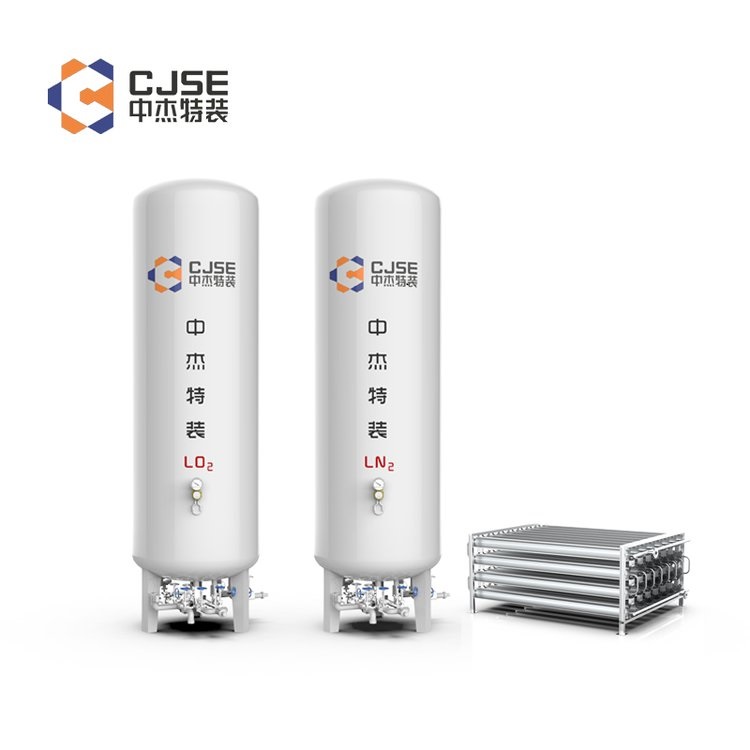

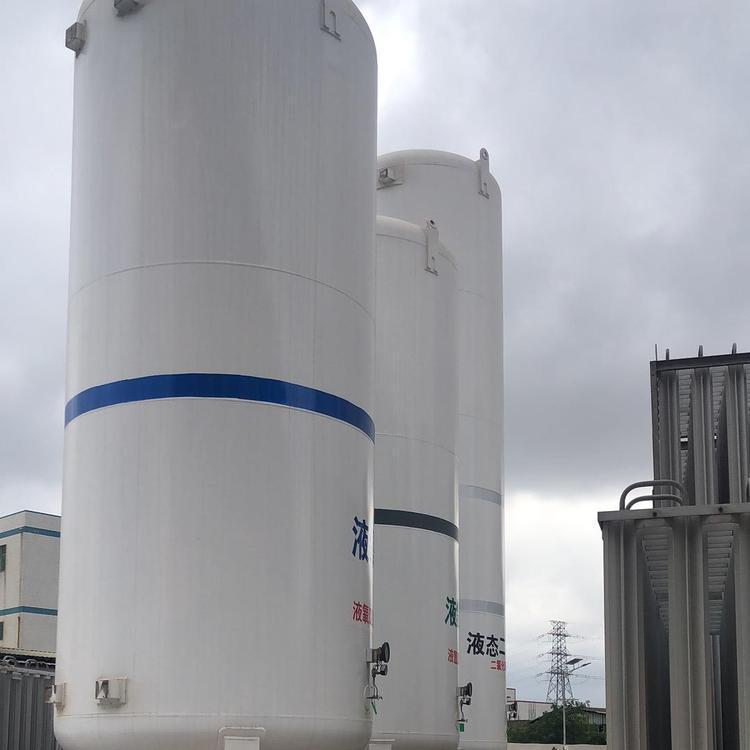
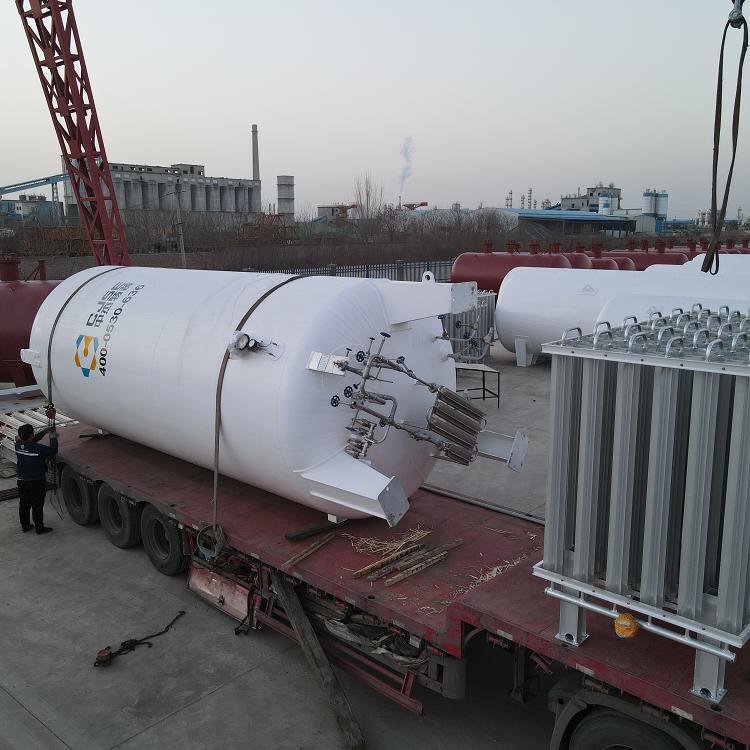


















Shandong Zhongjie Special Equipment (formerly Heze Boiler Factory Co., Ltd.) was established in 2001, located at No. 2218 Jinnan Road, Economic and Technological Development Zone, Heze City. With a registered capital of 50 million yuan and total assets of 500 million yuan, the company has 7 business centers: boilers, deep-freeze containers, pressure vessels, central air conditioning, engineering installation, international trade, and Internet of Things. It has three factory sites on Jinnan Road, East Changjiang Road, and Bohai Road, covering a total of 200,000 square meters, with the main workshop spanning 83,000 square meters. The company currently employs 710 people, including 247 engineers and technicians, and 82 intermediate-level technical personnel. In December 2016, it was recognized as a "High-tech Enterprise" by the Science and Technology Department. In June 2021, it was identified as a "Specialized and New Enterprise in Shandong Province" by the Ministry of Industry and Information Technology. In June 2022, it was recognized as a "Gazelle Enterprise in Shandong Province" and in August 2022, as a "Specialized and New Small Giant Enterprise" by the Ministry of Industry and Information Technology.
When filling liquid carbon dioxide into storage tanks, attention should be given to the following aspects:
Safety Operation: During the filling process, it is mandatory to adhere to relevant safety operating procedures and standards. Operators must receive training to understand the operational requirements and safety measures of the filling equipment and operate strictly according to the procedures.
Tank Inspection: Prior to filling, the tank must be inspected to ensure its integrity and safety. Check the tank's appearance, sealing, valves, and pipeline connections, and promptly repair or replace any abnormalities or damages found.
Filling Equipment: Select appropriate filling equipment, ensuring it complies with relevant standards and requirements. The filling equipment should have a safe and reliable design and operational functionality to ensure the safety and efficiency of the filling process.
Filling Speed Control: Controlling the filling speed is crucial. Excessive filling speed can lead to high tank pressure, increasing safety risks. The filling speed should be controlled based on the tank's capacity and design requirements to ensure safe filling.
Pressure Control: During the filling process, the tank's pressure must be strictly controlled. The filling equipment should be equipped with pressure sensors and safety valves to ensure the internal pressure of the tank remains within a safe range.
Leak Protection: During the filling process, ensure the sealing of valves and pipelines to prevent carbon dioxide leakage. Regularly inspect and replace sealing components and promptly address any leakage issues.
Monitoring and Recording: Real-time monitoring and recording of key parameters, such as pressure, temperature, and liquid level, should be conducted during the filling process. This helps in promptly identifying abnormalities and making corresponding adjustments and treatments.
It is important to note that filling carbon dioxide storage tanks should be carried out by trained operators who follow relevant safety operating procedures and standards. Seek advice and guidance from knowledgeable individuals.
Key measures to ensure the quality of CO2 storage tanks include the following aspects:
- Selecting qualified suppliers: Choose suppliers with a good reputation and experience, ensuring their tanks meet relevant quality standards and regulations. This can be achieved by assessing the supplier's qualifications, referencing customer reviews, and conducting on-site inspections.
- Strict quality control: Implement rigorous quality control measures during the manufacturing process. This includes selecting and inspecting raw materials, controlling production processes, monitoring process parameters, and conducting product testing and inspections to ensure the tank quality meets requirements.
- Compliance with standards and regulations: The design, manufacturing, and installation of the tanks should comply with relevant standards and regulations, such as industry standards and specifications. These include the structural design of the tank, material selection, welding processes, corrosion prevention measures, and the configuration of safety valves and pressure sensors.
- Regular inspections and maintenance: Tanks require regular inspections and maintenance during use to ensure safety and reliability. This involves checking the tank's appearance, seals, valves, and pipeline connections, conducting pressure tests and leak detection regularly, and addressing abnormal situations promptly.
- Establishing a quality management system: Establish a comprehensive quality management system, including quality control processes, documentation, quality training, and internal audits. By establishing a quality management system, tank quality control and continuous improvement can be ensured.
- Third-party testing and certification: Delegate tank testing and certification to third-party institutions to verify quality and compliance. Third-party testing and certification bodies are typically independent and impartial, providing objective evaluation and certification results.
- Through the implementation of these measures, the quality of CO2 storage tanks can be effectively ensured, enhancing their safety and reliability.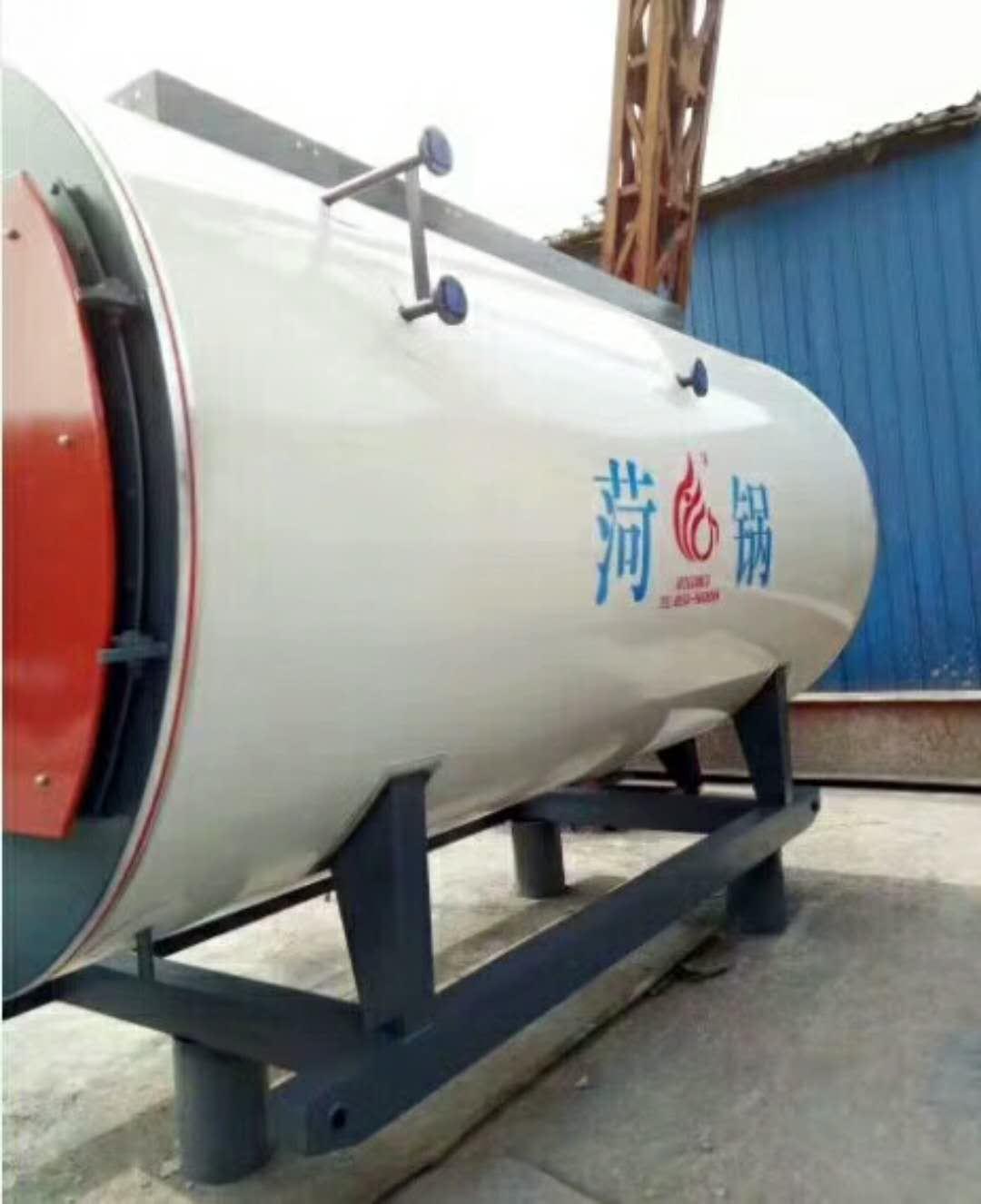
CO2 Enhanced Oil Recovery (CO2 EOR) is a commonly used technology to increase oilfield production. It involves injecting CO2 gas into the reservoir to alter its physical and chemical properties, thereby promoting flow and enhancing recovery rates. The working principle of CO2 EOR is as follows:
Dissolution Principle: CO2 has a high solubility in oil. When CO2 gas is injected into the reservoir, it dissolves within the oil, reducing viscosity and surface tension, making it more fluid.
Expulsion Drive Principle: After CO2 gas is injected into the reservoir, it expands to form a gas phase, increasing the internal pressure and pushing oil towards the wellbore. Additionally, CO2's high permeability can improve reservoir permeability, enhancing fluidity.
Chemical Reaction Principle: CO2 reacts with certain components in the oil, producing soluble substances that further reduce viscosity and improve fluidity.
CO2 EOR technology offers certain advantages in oilfield development, such as:
Environmental Protection: CO2 is a clean, non-toxic, and renewable gas. Using CO2 for enhanced oil recovery can reduce environmental pollution.
Economic Efficiency: CO2 EOR can increase oil recovery rates and production, thereby enhancing economic benefits.
Sustainability: CO2 can be separated from air or captured and stored from industrial flue gases, allowing for the recycling of CO2 and promoting sustainability.
It should be noted that the application of CO2 EOR technology requires consideration of reservoir characteristics, geological conditions, and economic feasibility. Before implementing CO2 EOR, comprehensive reservoir evaluation and engineering design are necessary to ensure the effectiveness and safety of the technology.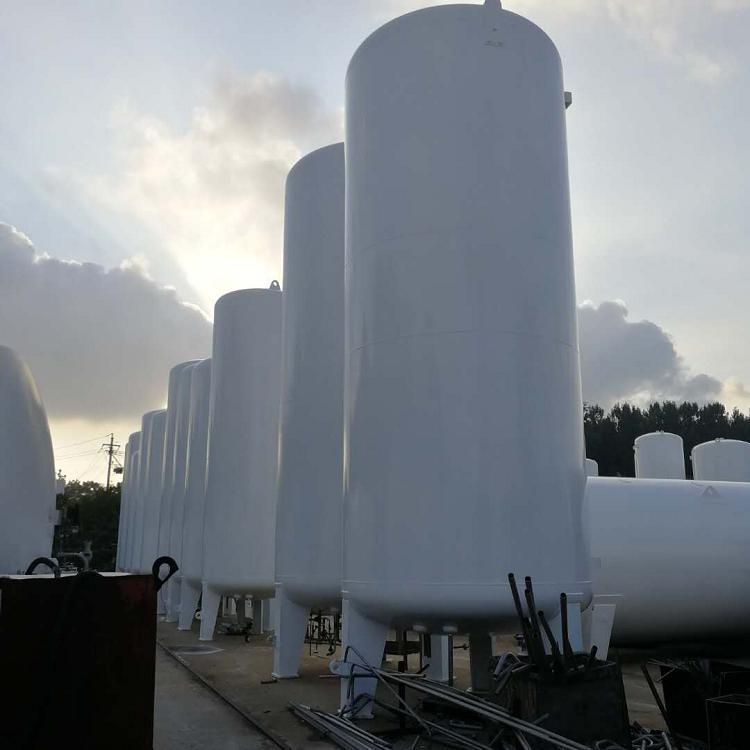
Carbon dioxide is widely used as a protective gas in metal welding processes during welding. The following are the main applications of carbon dioxide in welding:
Gas Metal Arc Welding (GMAW): Carbon dioxide is commonly used as the protective gas in the GMAW welding process. In GMAW welding, the arc generates high temperatures in the welding area, which can also cause oxidation reactions with oxygen and water vapor, leading to reduced weld quality. By injecting carbon dioxide gas into the welding area, a protective atmosphere is formed, preventing oxygen and water vapor from entering, thereby improving the quality and strength of the weld.
Mixed Gas Protection Welding (GMAW): Carbon dioxide is also often mixed with other gases (such as argon) to form mixed gas protection welding. The use of mixed gases can adjust the arc stability, molten pool formation, and weld quality during the welding process, enhancing the welding effect.
Gas Shielded Brazing: Carbon dioxide can also be used in the gas shielded brazing process. During brazing, the carbon dioxide gas provides a protective atmosphere, preventing oxidation and contamination in the brazing area, ensuring the quality of the brazed joint.
Gas Shielded Cutting: Carbon dioxide can also be used in the gas shielded cutting process. In gas shielded cutting, injecting carbon dioxide gas into the cutting area forms a protective atmosphere, preventing oxidation and contamination in the cutting area, improving the quality and speed of cutting.
It should be noted that the application of carbon dioxide in the welding process needs to be adjusted and optimized according to the specific welding material, method, and requirements. When using carbon dioxide for welding, it is necessary to follow relevant safety operation procedures and guidelines to ensure the safety and quality of the welding process.
Shandong Zhongjie Special Equipment, welcome customers to our factory for business discussions.
WeChat Official Account

Scan to follow Official Account



















