


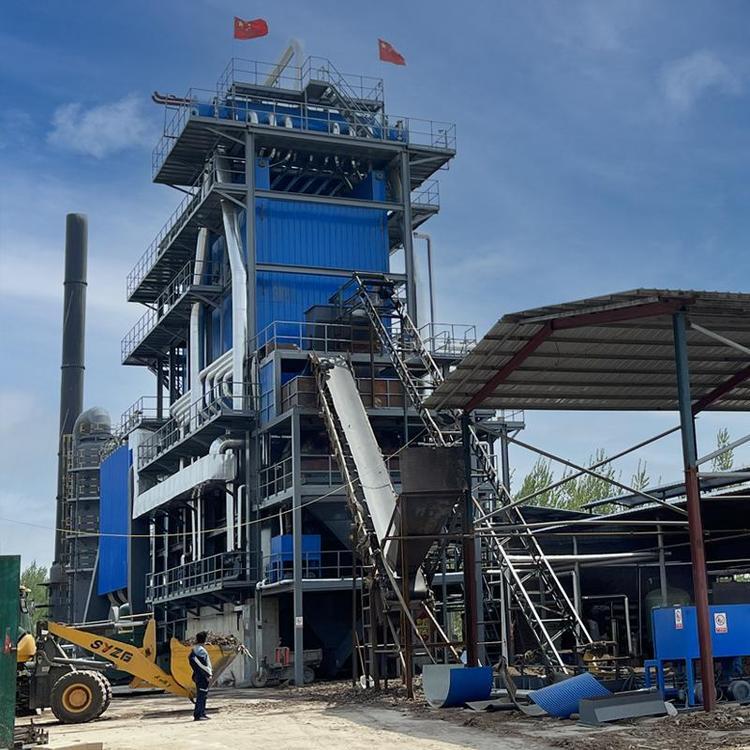

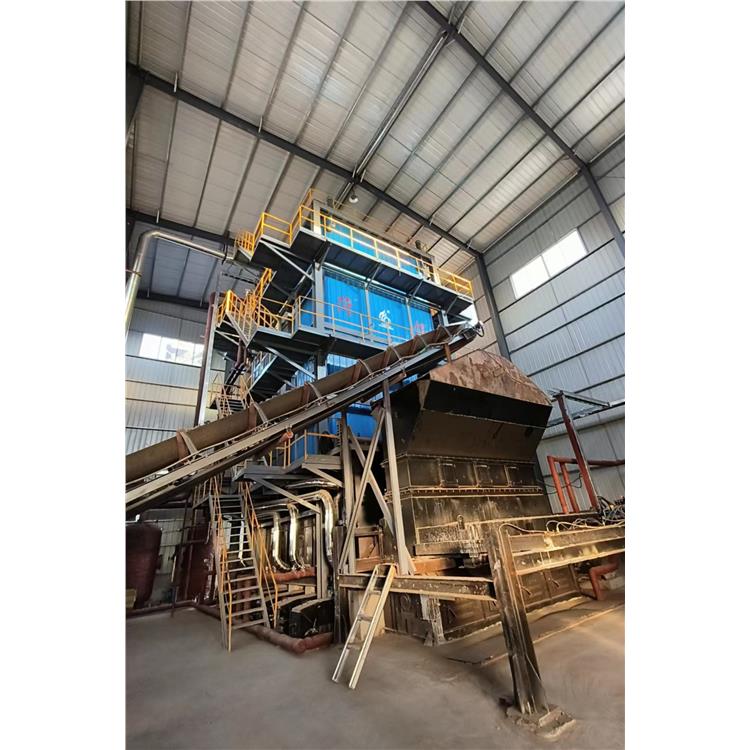
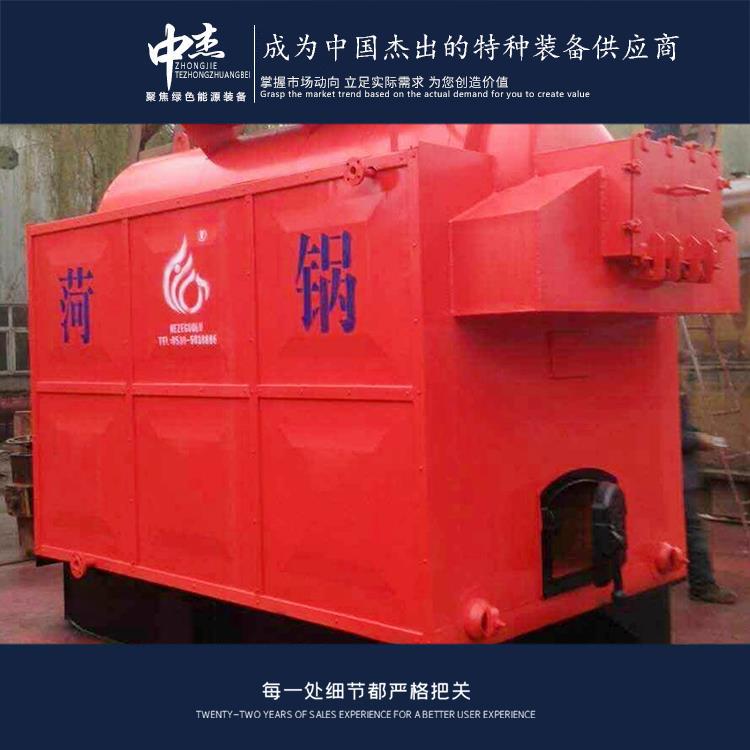


















Shandong Zhongjie Special Equipment's main products include: fuel (gas) boilers, organic heat carrier boilers, biomass boilers, waste heat boilers, and other boiler products; vacuum insulation cryogenic pressure vessels such as LNG tanks, oxygen-nitrogenargon tanks, and CO2 tanks; pressure vessel products such as denitrification engineering equipment, heat storage and energy storage equipment, and complete chemical equipment sets; central air conditioning and HVAC equipment like ground (water) source heat pumps, air source units, water-cooled screw units, and air-cooled modules. Planned products include large-scale energy centers, LNG transport vehicles, LNG tank containers, and other green energy equipment.
Biomass boilers may experience issues with ash accumulation and slagging during long-term operation. These problems can affect the boiler's combustion efficiency and safety. Here are methods for dealing with ash accumulation and slagging in biomass boilers:
Regular Cleaning: Regularly cleaning the ash and carbon buildup within the boiler is crucial for preventing slagging and fouling. A cleaning schedule can be established based on the boiler's usage, including the combustion chamber, flue, and heat exchanger. During the cleaning process, appropriate tools and cleaning agents should be used to ensure the removal of ash and carbon buildup.
Adjust combustion parameters: Properly adjusting the combustion parameters of biomass boilers can reduce the occurrence of ash accumulation and slagging. For instance, adjusting combustion temperature, oxygen supply, and combustion time can enhance combustion efficiency and decrease ash and slag formation.
Additives Usage: During biomass combustion, special additives such as ash inhibitor and slagging inhibitor can be added. These additives can reduce the formation of ash and carbon deposits, enhancing the boiler's cleanliness and combustion efficiency. The use of additives should be based on specific conditions and manufacturer recommendations.
Regular Inspections and Maintenance: Regularly inspect and maintain all components of the biomass boiler, including burners, fans, flues, and heat exchangers, to promptly identify and address issues like ash accumulation and fouling. During inspections, you can clear clogged parts and repair damaged components, ensuring the boiler operates smoothly.
Note that addressing biomass boiler ash and slagging issues should be tailored to the specific situation. Consultation with boiler maintenance personnel or manufacturers can provide more detailed and accurate advice. Additionally, regular cleaning and maintenance are crucial for preventing ash and slagging problems.
Biomass fuel boilers feature the following product characteristics:
Fuel Diversity: Biomass fuel boilers can accommodate a variety of biomass fuels, such as wood chips, straw, rice husks, etc. This diversity makes biomass fuel boilers more flexible and sustainable in energy utilization.
Environmental Low Emission: Biomass fuel boilers burn biomass fuel, resulting in relatively low emissions during combustion, such as particulate matter and nitrogen oxides. Consequently, biomass fuel boilers have lower carbon emissions and environmental pollution.
Energy-saving: The biomass fuel boiler utilizes advanced combustion technology and heat recovery techniques, enabling efficient combustion and heat utilization. High combustion and thermal efficiency maximize the energy potential of biomass fuel.
Automated Control: The biomass fuel boiler is equipped with an automated control system that can accurately control and adjust parameters such as temperature, pressure, and fuel supply. The control system features safety protection functions to ensure the safe operation of the boiler.
High Reliability and Stability: The materials and processes used in biomass fuel boilers offer excellent durability and stability. Rigorous quality control and testing ensure the high reliability and long-term stable operation of the boilers.
Flexible Application: Biomass fuel boilers are widely applicable in industrial, commercial, and residential sectors, including heating, heating systems, and steam generators. They offer flexible installation methods and capacity options to meet various user requirements.
When selecting an appropriate atmospheric pressure hot water boiler, consider the following factors:
Heating Area: First, determine the size of the area to be heated, which will decide the heat power required for the hot water boiler. Generally, the larger the heating area, the greater the required heat power.
Heat Load Calculation: Conduct a heat load calculation, taking into account factors such as the insulation performance of the heating area, indoor temperature requirements, and external climatic conditions to determine the required heat power. You can request a heat load calculation to ensure the selected hot water boiler meets the heating needs.
Fuel Type: Atmospheric pressure hot water boilers can use various fuels, such as gas, coal, etc. Choose the appropriate fuel type based on local fuel supply and cost considerations.
Boiler Efficiency: Focus on the energy efficiency level of hot water boilers and choose products with higher efficiency. High-efficiency hot water boilers can provide better heating effects while reducing energy consumption and operational costs.
Boilers and Quality: Choose hot water boilers produced by reputable manufacturers to ensure reliable product quality and comprehensive after-sales service.
Safety and Environmental Protection: Focus on the safety and environmental performance of hot water boilers, selecting products with safety protection features and low emissions.
Budget Considerations: Select a suitable hot water boiler based on budget constraints. In addition to the purchase cost, consider the ongoing operation and maintenance expenses.
Considering the above factors, an appropriate atmospheric pressure hot water boiler can be selected to meet heating needs and achieve good performance in terms of energy efficiency, safety, and environmental protection. It is recommended to consult professionals or hot water boiler experts during the selection process.
Biomass boilers can be categorized according to various classification criteria. The following are some common methods of classification:
By type of combustion:
Direct Combustion Boilers: Directly burn biomass fuel to generate heat energy.
Gasification boiler: Converts biomass fuel into combustible gases, which are then burned.
Pyrolysis Boiler: Converts biomass fuel through pyrolysis to produce combustible gases and solid carbon, which are then burned.
By fuel type:
Wood biomass boiler: Utilizes wood chips, sawdust, cassava residue, and other wood-based fuels.
Crop biomass boiler: Utilizes crop residues such as straw, rice husk, wheat straw, etc., as fuel.
Industrial waste biomass boiler: Utilizes industrial waste such as sawdust and pulp sludge as fuel.
Categorized by boiler type:
Water-tube biomass boiler: Heat is transferred through water pipes arranged within the combustion chamber.
Fire-tube biomass boiler: The combustion chamber is equipped with fire tubes, which transfer heat energy.
Hybrid biomass boiler: Combines the features of both water-tube and fire-tube designs, featuring both water tubes and fire tubes.
By power scale classification:
Small biomass boiler: Power typically ranges from 1 to 10 MW, suitable for small buildings and rural heating.
Medium-sized biomass boiler: Power typically ranges from 10 to 50 MW, suitable for medium-sized industrial plants and large buildings.
Large Biomass Boilers: Power over 50MW, suitable for large industrial buildings and centralized heating.
These categorization methods only provide a general overview of biomass boilers; in reality, there are more detailed and combined forms. Different types of biomass boilers may vary in application scenarios and technical characteristics.
Shandong Zhongjie Special Equipment, welcome clients to visit our factory for business discussions.
WeChat Official Account

Scan to follow Official Account



















