


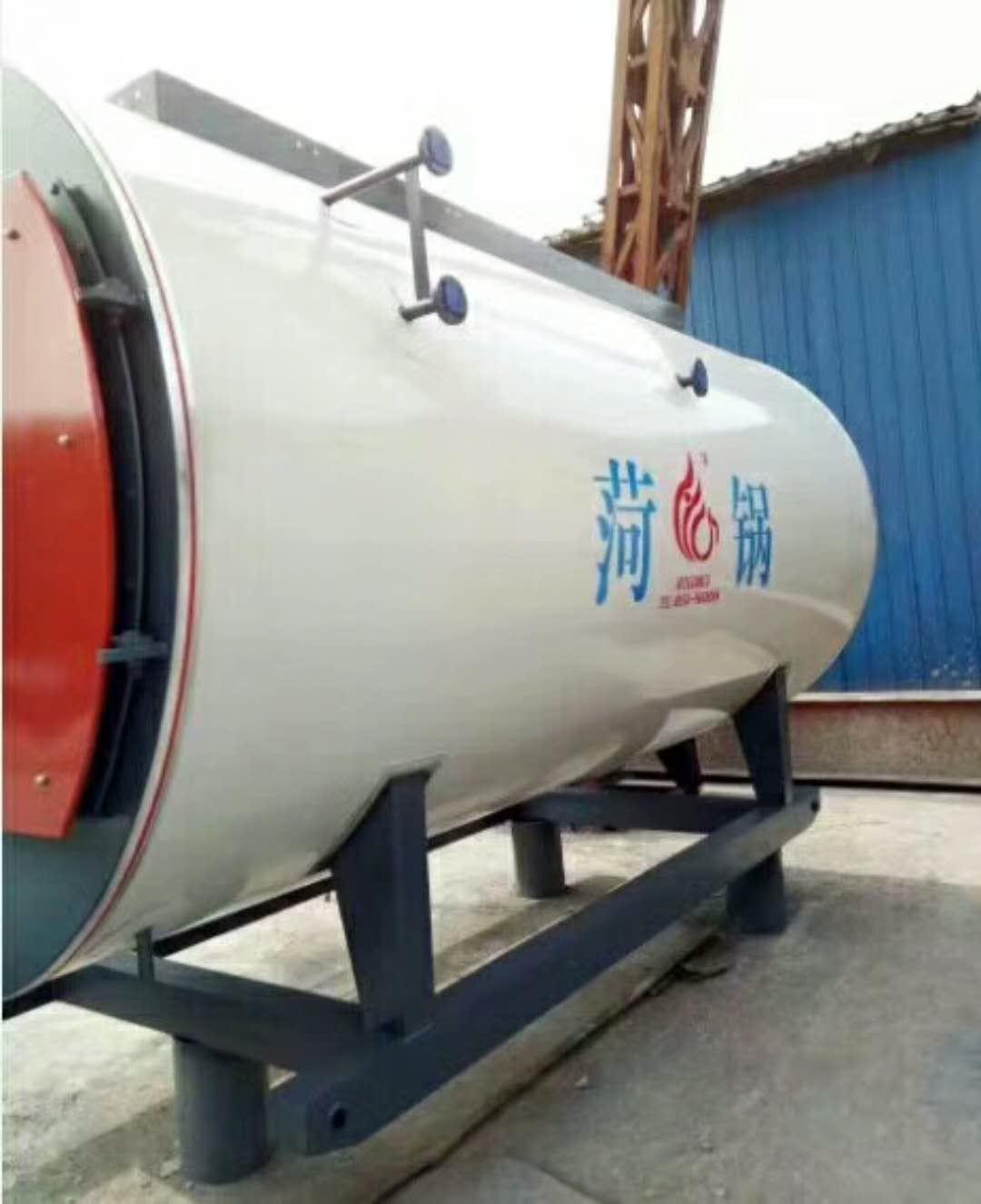

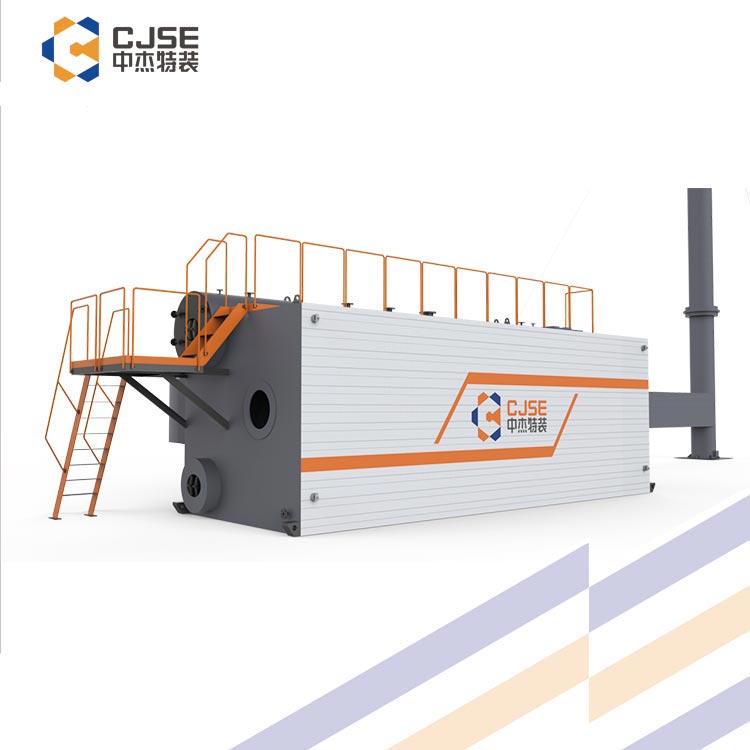
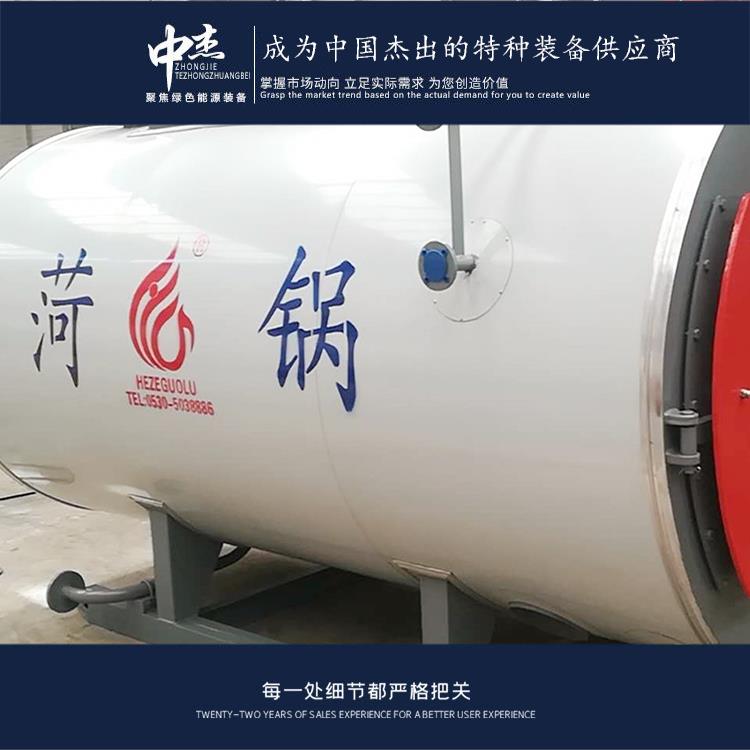


















Shandong Zhongjie Special Equipment (formerly Heze Boiler Factory Co., Ltd.) holds an A-grade boiler manufacturing license, an A2-grade pressure vessel manufacturing license, an A2-grade pressure vessel design license, a B-grade boiler installation license, and GB2/Class, GC2/Class pressure pipeline installation licenses, as well as a mechanical and electrical equipment installation contracting license. It is a member of the China Boiler and Water Treatment Association, the China Chemical Equipment Association, and the council member of the Shandong Equipment Manufacturing Association, and has passed certifications for the ISO9001 Quality Management System, ISO14001 Environmental Management System, OHSAS18001 Occupational Health and Safety Management System, and the American ASME/U2 certification.
When using a thermal oil furnace with gas, the following points should be noted:
- Safe Operation: A thermal oil furnace is a high-temperature equipment, and safety must be prioritized during operation. Operators should be familiar with the equipment's operation procedures and safety precautions, wear necessary personal protective equipment, and ensure safe operation.
- Gas Supply: A stable gas supply is required for the thermal oil furnace. Before use, check if the gas pipeline is clear and the gas valve is open to ensure normal gas supply.
- Thermal Oil Circulation: The thermal oil furnace needs to circulate the thermal oil through a circulating pump to the heat source equipment. Before use, inspect the operation of the circulating pump to ensure it is functioning properly.
- Temperature Control: A thermal oil furnace typically requires a temperature control system to regulate the temperature of the thermal oil. Before use, check the settings and adjustments of the temperature control system to ensure accurate and reliable temperature control.
- Regular Maintenance: Regular maintenance and upkeep are necessary for a gas thermal oil furnace, including cleaning the burner, checking the tightness of pipelines and valves, and replacing worn parts. Regular maintenance ensures the normal operation of the equipment and extends its service life.
- Environmental Protection: During combustion, gas thermal oil furnaces produce exhaust gases, and emissions must be ensured. Appropriate exhaust gas treatment measures, such as flue gas purification equipment, can be taken to reduce environmental impact.
- The above are some precautions when using a gas thermal oil furnace. To ensure safety and the normal operation of the equipment, it is recommended to follow relevant operation procedures and safety requirements, and to perform regular maintenance and inspections. If necessary, consult the manufacturer or engineer of the gas thermal oil furnace.
The temperature control methods for gas boilers typically include:
Manual Adjustment: The temperature of a gas boiler is controlled by manually operating valves or regulators. Adjust the valve opening or regulator settings as needed to achieve the desired temperature.
Automatic Adjustment: Gas boilers can be equipped with an automatic control system that utilizes sensors and controllers for automatic temperature regulation. Sensors detect the boiler's temperature and send signals to the controller, which then automatically adjusts the gas supply and burner status within a set temperature range to maintain the desired temperature.
Proportional Control: The temperature regulation of a gas boiler can also be done using proportional control. Adjust the valve or regulator opening to perform proportional adjustments based on temperature changes, ensuring a certain proportional relationship between the gas supply and burner status.
PID Control: PID control is a commonly used temperature regulation method. The PID controller adjusts the gas supply and burner status based on temperature deviations, rates of change, and integral values to achieve temperature control.
It should be noted that different gas boilers may employ different temperature control methods. The specific adjustment methods and procedures should be determined based on the boiler model and control system. When adjusting the temperature, follow safety operation procedures to ensure normal boiler operation and safety.
The key to maintaining a hot water boiler is regular maintenance and inspection. Here are some common maintenance steps and precautions:
Clean the burner and flue: Regularly clean the burner and flue to remove accumulated ash and dirt, maintaining combustion and heat exchange efficiency. Use cleaning tools and equipment as instructed in the manual.
Check water level and pressure: Regularly inspect the water level and pressure of the hot water boiler to ensure safe operation within the designated range. Refill water and adjust pressure to avoid issues caused by low or high water levels.
Inspect water quality: Regularly conduct water quality tests to check for hardness, alkalinity, oxygen content, and other indicators. Take appropriate water treatment measures based on test results, such as descaling and replenishing missing chemicals, to prevent scale and corrosion from damaging the boiler.
Check safety devices: Regularly inspect the safety devices of the hot water boiler, including safety valves, pressure switches, and water level controllers, to ensure proper functioning and safe operation.
Inspect the electrical system: Regularly check the boiler's electrical system, including power connections, controllers, and sensors, to ensure proper operation of electrical equipment and avoid electrical faults.
Regularly drain: Regularly drain the wastewater and impurities from the boiler to prevent their impact on the boiler. Develop a reasonable drainage plan based on the boiler's usage and water quality conditions.
Keep records and monitor: Record the boiler's operating parameters, maintenance records, and fault situations, and regularly monitor and analyze them to identify and address issues promptly.
Train operators: Ensure that operators are adequately trained.
Chemical cleaning of industrial boilers is a common method used to effectively remove dirt and sediments inside the boiler, enhancing heat exchange efficiency and extending the boiler's lifespan. Below are the general steps and procedures for industrial boiler chemical cleaning:
Preparation: Turn off the boiler's power and gas supply, drain the water and steam from the boiler, and ensure the boiler is in a safe condition. Prepare the required chemical cleaning agents and equipment.
Cleaning Agent Selection: Choose a suitable chemical cleaning agent based on the boiler's material and the nature of the dirt. Common cleaning agents include acidic cleaners, alkaline cleaners, and chelating agents.
Cleaning Agent Circulation: Dissolve the cleaning agent in an appropriate amount of water and circulate it into the boiler through a pump. Determine the circulation time and temperature based on the size of the boiler and the extent of the dirt.
Cleaning Agent Action: During circulation, the cleaning agent reacts chemically with the dirt inside the boiler, dissolving and decomposing it. Acidic cleaners can remove rust and scale, while alkaline cleaners can remove oils and organic matter.
Rinsing and Neutralizing: After the cleaning agent circulation is complete, rinse the boiler with clean water to flush out the cleaning agent and dissolved dirt. Simultaneously, use a neutralizing agent to neutralize any remaining acidic or alkaline substances, ensuring the boiler's neutrality.
Inspection and Maintenance: After cleaning, inspect the boiler to ensure the cleaning effectiveness and normal operation. Perform the necessary maintenance and repair work as needed.
Points to note when conducting industrial boiler chemical cleaning:
- Adhere strictly to the usage instructions and safety operation procedures for chemical cleaning agents to ensure the safety of operators.
- Select the appropriate cleaning agent and method based on the boiler's material and the properties of the cleaning agent.
- Control the concentration, temperature, and circulation time of the cleaning agent to avoid unnecessary damage to the boiler.
- Monitor the concentration and pH of the cleaning agent in a timely manner during the cleaning process, adjusting the cleaning conditions as needed.
- After cleaning, flush the boiler to ensure that the cleaning agent and dirt are completely removed.
- Perform boiler maintenance and repair promptly after cleaning to ensure normal operation and long-term use.
Zhejiang JieTe Zhuang adheres to the great vision of "realizing employees' dreams, creating value for customers, and striving for the prosperity and strength of our motherland," focusing on the development of green energy equipment. We dedicate high-value products and services to society!
WeChat Official Account

Scan to follow Official Account



















