


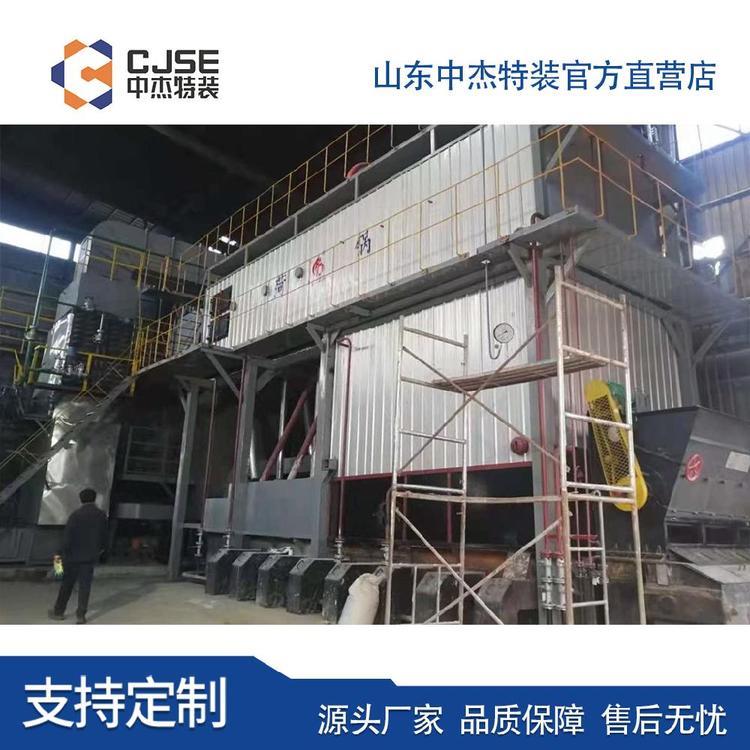

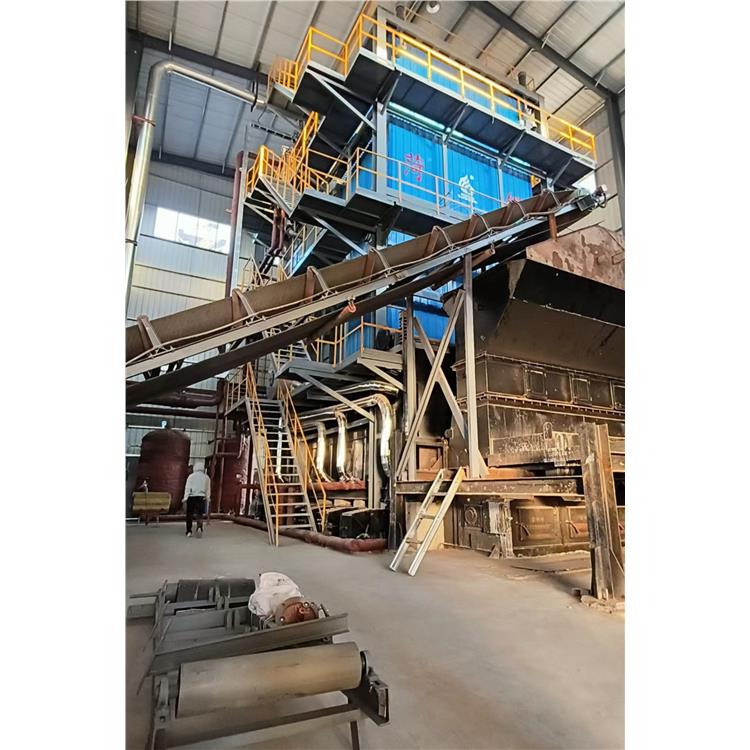


















Shandong Zhongjie Special Equipment specializes in products such as fuel (gas) boilers, organic heat carrier boilers, biomass boilers, waste heat boilers, and other boiler products; vacuum insulation cryogenic pressure vessels like LNG, oxygen-nitrogen argon, and CO2 tanks; pressure vessel products including denitrification engineering equipment, heat storage equipment, and complete chemical equipment sets; central air conditioning and ventilation equipment like ground (water) source heat pumps, air-source units, water-cooled screw units, and air-cooled modular units. Planned products include large-scale energy centers, LNG transport vehicles, and LNG tank containers, among other green energy equipment.
The causes of coking in biomass boilers can be attributed to the following aspects:
Fuel Characteristics: Ash content and ashing properties in biomass fuel are the primary factors causing coking. Ash is the non-combustible inorganic substance in biomass fuel. When burned, ash accumulates in the furnace chamber and forms slag. Fuel with high ash content tends to produce a large amount of slag, while fuel with low ashing temperatures is prone to coking in the furnace.
Combustion Temperature: Combustion temperature is a significant factor affecting biomass boiler fouling. An excessively low combustion temperature can lead to incomplete fuel combustion and insufficient melting of ash, increasing the likelihood of fouling.
Air Supply: Insufficient or excessive air supply can affect the combustion process and fouling of biomass boilers. Too little air supply leads to incomplete combustion of fuel, producing a large amount of solid residue, and increases the risk of fouling. On the other hand, too much air supply can lower the combustion temperature, extend the fuel's residence time in the furnace, and also increase the likelihood of fouling.
Furnace Design: The design of the furnace significantly impacts the combustion process and coking conditions. The air flow and temperature distribution within the furnace affect fuel combustion and slag discharge. An不合理 furnace design can lead to excessive fuel residence time in the furnace, increasing the risk of coking.
Ash Cleaning System: The performance and operation of the ash cleaning system also affect the slagging condition of biomass boilers. Regularly cleaning the ash inside the furnace.
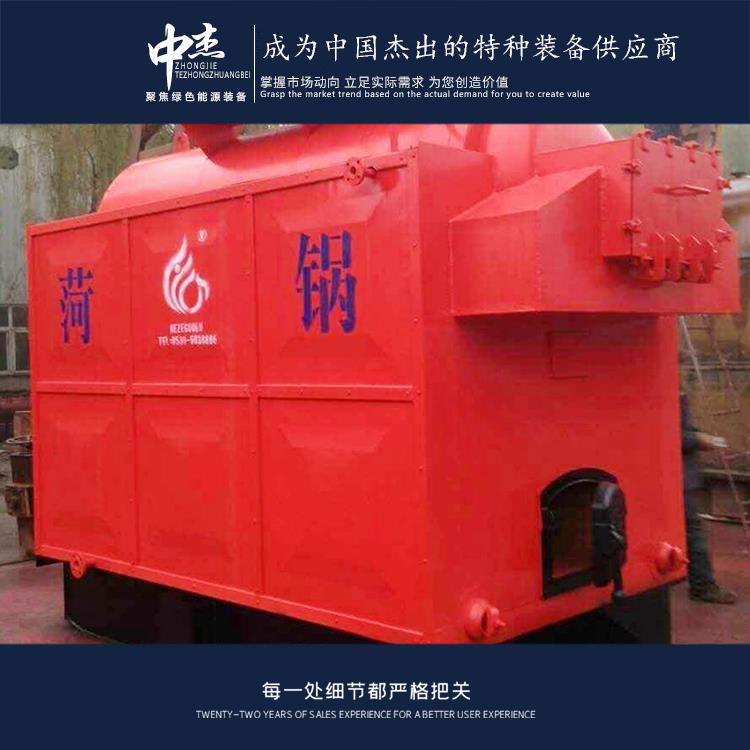
The DZL type rapid assembly biomass boiler is a common biomass boiler model, featuring the following characteristics:
Quick Installation: The DZL type quick-install biomass boiler features a modular design, with the boiler body and equipment pre-assembled in the factory. On-site, only simple connections and adjustments are required, significantly reducing installation time and project duration.
High combustion efficiency: Equipped with a special combustion chamber design and combustion system, biomass fuel is fully combusted within the furnace, resulting in high thermal efficiency. Additionally, features a economizer and flue gas recirculation unit to further enhance thermal efficiency.
Automation Control: The DZL type quick-install biomass boiler is equipped with an automated control system that allows for the control and monitoring of the combustion process. Through a PLC controller and a touch screen, parameters such as fuel supply, air supply, and combustion temperature can be adjusted to ensure the stable operation of the boiler.
Multiple Fuel Adaptability: The DZL type quick-assembly biomass boiler is suitable for various biomass fuels such as wood chips, straw, etc. Different fuels can be chosen according to actual conditions, enhancing the substitutability and flexibility of the fuel.
Environmental Protection and Energy Saving: The DZL type quick-assembly biomass boiler uses biomass fuel, resulting in relatively low emissions and waste during the combustion process. The pollutants released during combustion are minimal. The biomass fuel itself is characterized by low sulfur and low nitrogen content, and the waste after combustion can be reused as organic fertilizer or biomass fuel, reducing environmental pollution.
Tightly Structured: DZL Type Quick-Assembly Biomass Boiler
High evaporation rate in biomass pellet boiler fuel may lead to the following issues:
Incomplete combustion: High volatility fuels release a large amount of steam during combustion, which lowers the combustion temperature and affects the completeness of combustion. Incomplete combustion leads to heat loss and increased emissions, reducing the boiler's thermal efficiency and environmental performance.
Poor combustion stability: Fuels with high volatility are prone to instability in the combustion process, which may result in flameout and uneven combustion. This can lead to unstable operation of the boiler and affect the stability of hot water supply.
To address issues caused by high-evaporation fuel, the following measures can be taken:
Combustion System Optimization: Optimize the combustion system of biomass pellet boilers, covering aspects such as combustion chamber design, combustion air supply, and mixing. By increasing combustion temperature and enhancing oxygen supply, promote the completeness and stability of combustion.
Combustion Control: Utilizes a combustion control system that monitors and adjusts parameters such as temperature and oxygen content in real-time during the combustion process. Adjusts the supply of combustion air based on actual conditions to maintain stability and completeness of combustion.
Fuel Pretreatment: Pre-treat biomass pellets with high volatile matter content, such as drying and crushing. By reducing the moisture content and particle size of the fuel, the volatile matter content is decreased, enhancing the combustion efficiency and stability.
Combustion Parameter Adjustment: Adjust the boiler's combustion parameters, such as combustion temperature and time, based on actual conditions. Through reasonable parameter adjustments, make the combustion process better suited to the characteristics of high-evaporation fuel.
In summary, by optimizing the combustion system, adjusting control measures, pre-treating fuel, and fine-tuning combustion parameters, issues related to high fuel evaporation in biomass pellet boiler can be reduced, thereby improving the boiler's
When selecting an appropriate atmospheric pressure hot water boiler, consider the following factors:
Heating Area: First, determine the size of the area that requires heating, which will decide the required heat output of the hot water boiler. Generally, the larger the heating area, the higher the required heat output.
Thermal Load Calculation: Perform thermal load calculations, taking into account factors such as the insulation performance of the heating area, indoor temperature requirements, and external climatic conditions to determine the required heat power. You can request a thermal load calculation to ensure the selected hot water boiler meets the heating needs.
Fuel Type: Atmospheric pressure hot water boilers can use various fuels such as gas, coal, etc. Select the appropriate fuel type based on local fuel supply conditions and cost considerations.
Boiler Efficiency: Focus on the energy efficiency of hot water boilers and choose products with higher efficiency. High-efficiency hot water boilers can provide excellent heating performance while reducing energy consumption and operating costs.
Boilers and Quality: Choose hot water boilers produced by reputable manufacturers to ensure reliable product quality and comprehensive after-sales service.
Safety and Environmental Protection: Focus on the safety and environmental performance of hot water boilers, choosing products with safety protection devices and low emissions.
Budget Consideration: Select an appropriate hot water boiler based on budget constraints. In addition to the purchase cost, consider the subsequent operational and maintenance costs.
Considering the above factors, a suitable atmospheric pressure hot water boiler can be chosen to meet heating requirements, while achieving good performance in terms of energy efficiency, safety, and environmental protection. It is recommended to consult with experts or hot water boiler professionals during the selection process.
Zhongjie Special Equipment upholds the grand vision of "realizing employees' dreams, creating value for customers, and striving for the prosperity and strength of our motherland," and is dedicated to the development of the green energy equipment industry. We offer society products and services with high cost-performance!
WeChat Official Account

Scan to follow Official Account



















