


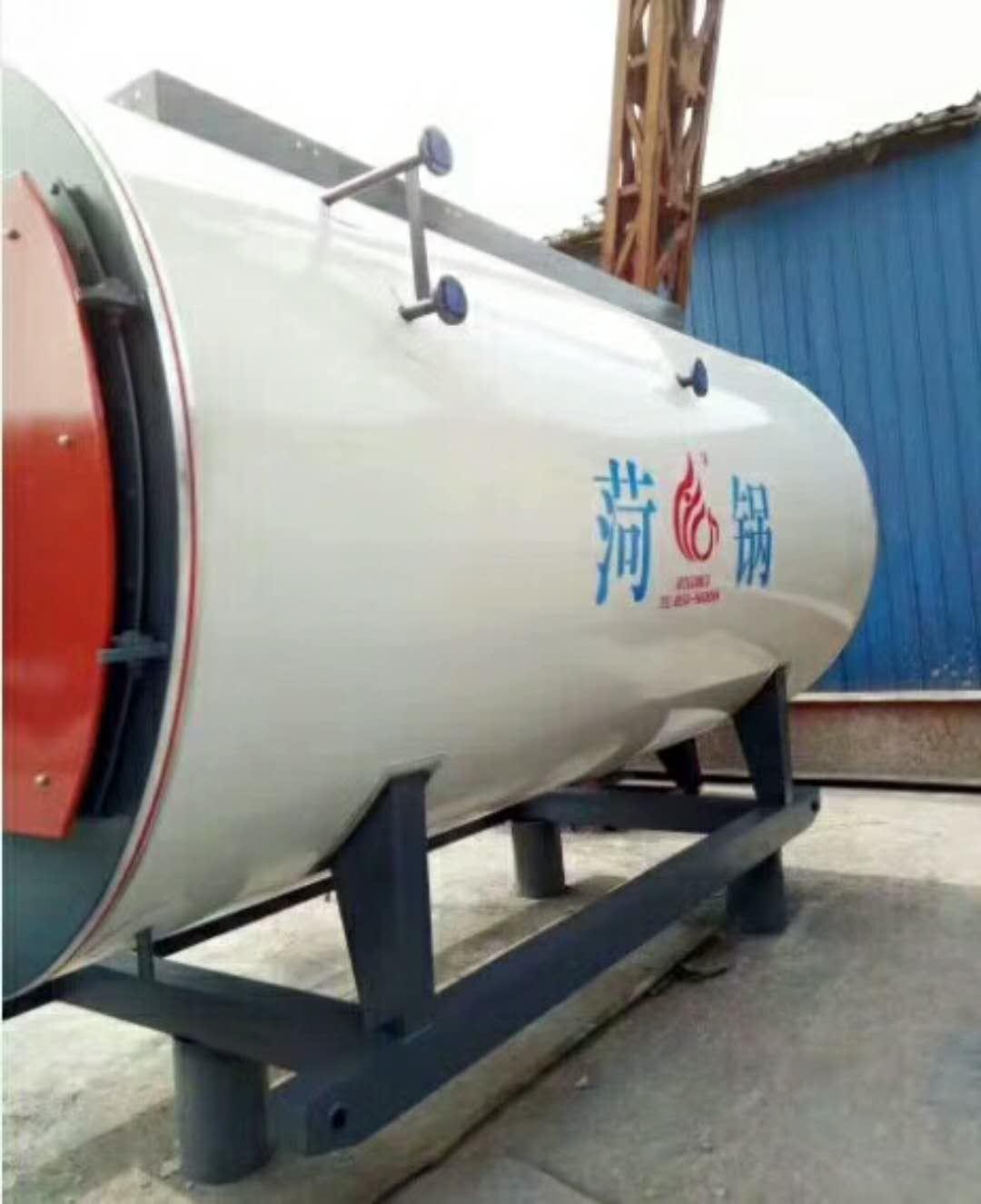

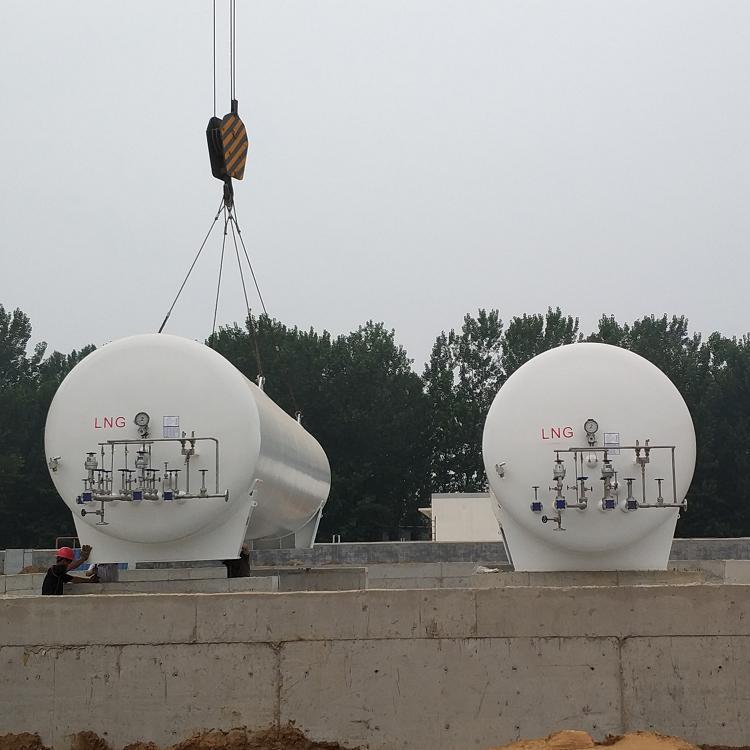


















Shandong Zhongjie Special Equipment's main products include: fuel (gas) boilers, organic heat carrier boilers, biomass boilers, waste heat boilers, and other boiler products; vacuum insulation cryogenic pressure vessels such as LNG tanks, oxygen/nitrogen/argon tanks, and CO2 tanks; pressure vessel products such as denitrification engineering equipment, heat storage and energy storage equipment, and complete chemical equipment; central air conditioning and ventilation equipment such as ground (water) source heat pumps, air source units, water-cooled screw units, and air-cooled modular units. Planned products include large-scale energy centers, LNG transport vehicles, LNG tank containers, and other green energy equipment.
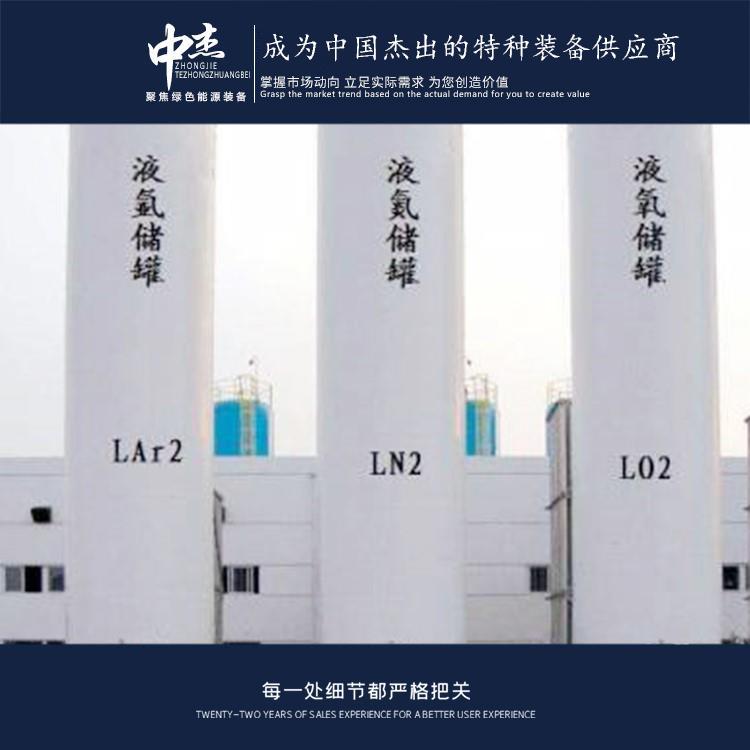
Liquid oxygen storage tanks are widely used in various industries, primarily in the following aspects:
Industry: Liquid Oxygen Tanks are widely used in various fields for storing and supplying liquid oxygen as fuel and oxidizer. Liquid Oxygen Tanks play a crucial role in engine, propulsion systems, and oxygen supply systems.
Chemical Industry: Liquid oxygen storage tanks are used in chemical processes for storing and supplying liquid oxygen, employed in oxidation reactions, combustion reactions, and oxygen supply, etc. Chemical plants, refineries, and chemical product manufacturers may all utilize liquid oxygen storage tanks.
Industry: Liquid Oxygen Tanks are used in the field for storing and supplying liquid oxygen, utilized for oxygen therapy, respiratory support, and surgery, etc. Liquid Oxygen Tanks are widely used in clinics and nursing institutions, among other facilities.
Experimental Research: Liquid Oxygen Tanks are used in scientific research and laboratories to provide liquid oxygen as experimental materials and fuel. Liquid Oxygen Tanks play a significant role in experimental research across various fields, including physics, chemistry, biology, and materials science.
Metalworking Industry: Liquid oxygen storage tanks are used in the metalworking and welding industries to provide high-purity oxygen for processes such as metal cutting, welding, and heat treatment.
Other Industries: Liquid Oxygen Storage Tanks are also utilized in various other sectors such as the energy, environmental protection, and food industries. These tanks are used in energy production, environmental management, and food processing, among other applications.
It's important to note that the use of liquid oxygen tanks must strictly adhere to relevant safety regulations and operating guidelines to ensure safe operation and usage of the tanks.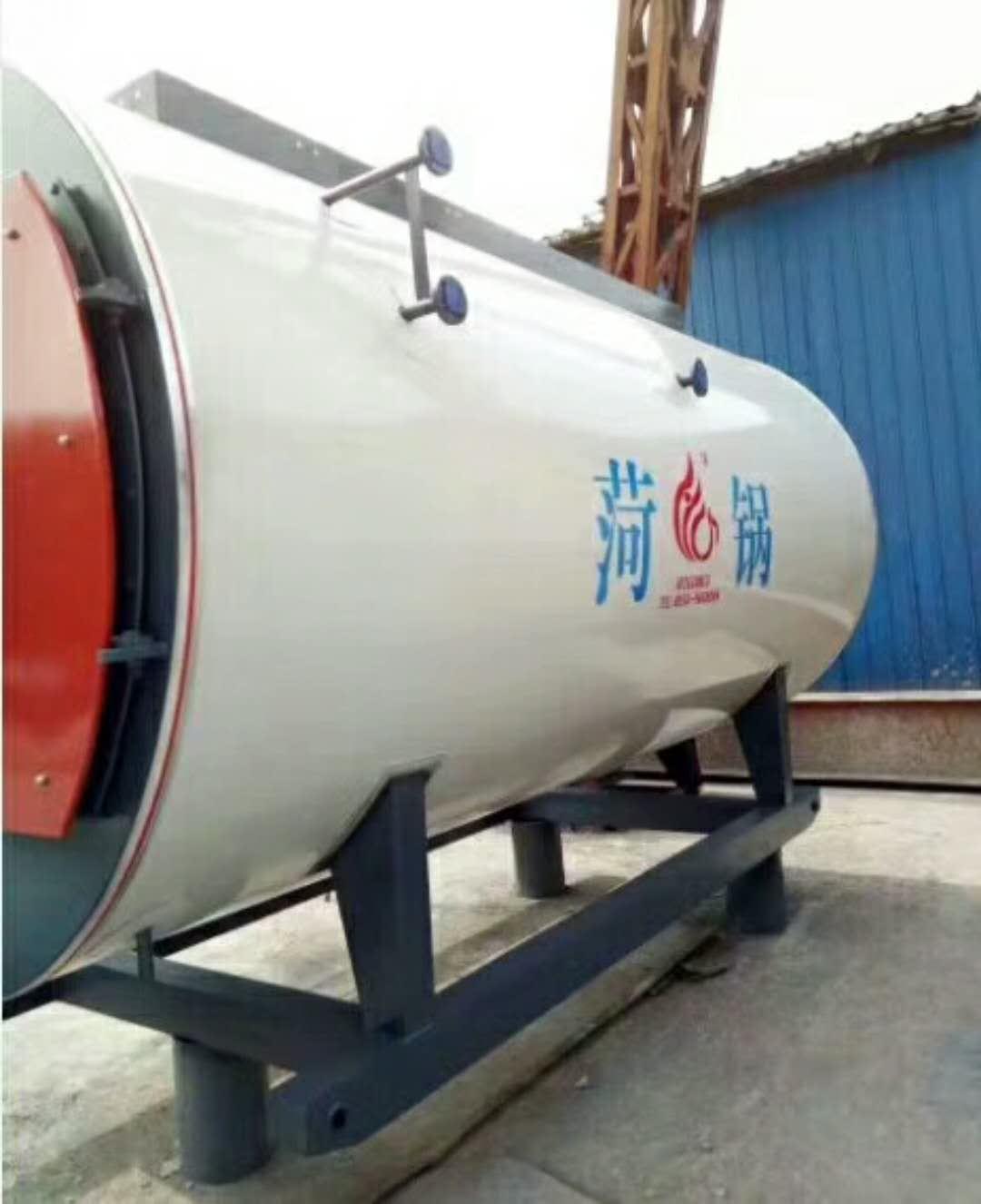
Prior to using the liquid oxygen tank, the following preparations must be made:
Safety Inspection: Ensure the tank and its surrounding environment are safe. Check for any damage, leaks, or other safety hazards in the tank. Make sure there are no flammable materials or other hazardous items around the tank.
Tank Preparation: Inspect the tank's exterior, including the shell, welds, valves, and fittings. Ensure there are no visible damages or corrosion. Check that the insulation layer is intact and undamaged.
Liquid Oxygen Filling: Utilize liquid oxygen supply equipment to fill liquid oxygen into the tank. Ensure that the flow rate and pressure of liquid oxygen during the filling process are maintained within safe limits.
Pressure Control: Storage tanks should be equipped with pressure control devices to ensure internal pressure is within the safe range. Inspect and adjust the pressure control devices to ensure they are functioning properly.
Valve Operation: Inspect the valves and connections on the storage tank to ensure proper functioning. Ensure that the valves operate smoothly and reliably. Adjust the opening and closing status of the valves as required.
Safety Equipment: Inspect the safety equipment around the storage tank, such as fire separation zones and alarm systems, to ensure they are functioning properly.
Operator Training: Ensure operators are proficient in the safe operation of liquid oxygen tanks.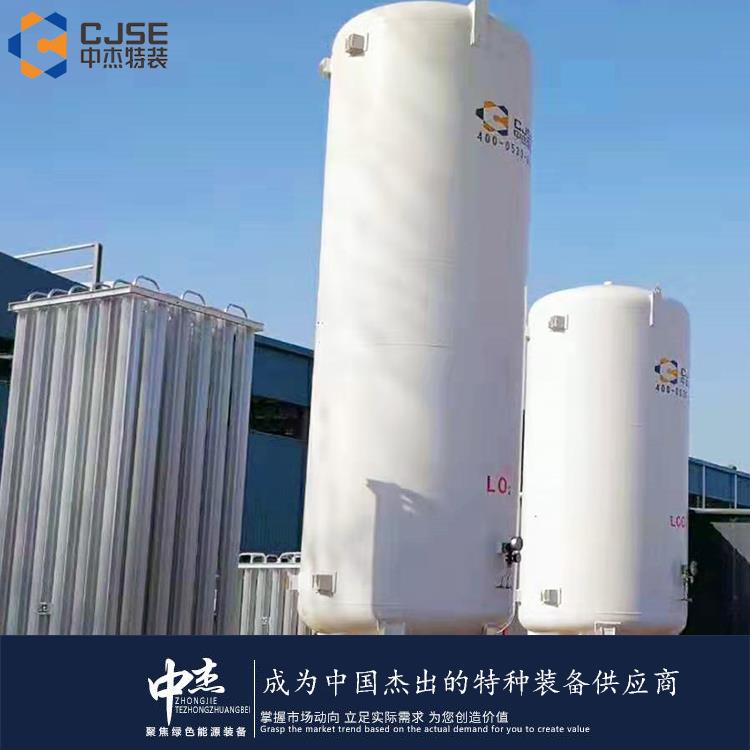
Protective tips for liquid nitrogen tanks include the following:
Wear Protective Gear: When handling liquid nitrogen tanks, it is mandatory to wear appropriate protective gear, including gloves, protective clothing, and non-slip shoes. This gear can protect the skin from the low temperature of liquid nitrogen and other hazards.
Avoid direct contact: Liquid nitrogen is extremely cold and can cause chilling. Therefore, avoid direct contact with liquid nitrogen, especially with the skin. Use tools or utensils for handling to prevent hand contact with liquid nitrogen.
Ensure adequate ventilation: In the operation area of the liquid nitrogen storage tank, proper ventilation is mandatory to expel gases produced by the evaporation of liquid nitrogen. Maintain air circulation to avoid high oxygen concentrations and reduce the risk of fire and explosion.
Prevent Leaks: Regularly inspect the liquid nitrogen storage tank for leaks and equip with leak detectors and alarm systems. In case of a leak, take immediate action to control and repair it. Avoid hazards to personnel and the environment caused by the leakage of liquid nitrogen.
Fire Prevention Measures: Liquid nitrogen has a low boiling and freezing point, which is prone to cause fires. Measures such as setting up fire barriers around liquid nitrogen storage tanks and using fire-resistant coatings are taken to prevent the occurrence and spread of fires.
Static protection: The accumulation of static electricity in liquid nitrogen tanks may cause sparks, increasing the risk of fire. Measures such as using static-conductive materials and anti-static equipment should be taken to reduce the accumulation and release of static electricity.
Regular inspections and maintenance: Conduct regular checks on the condition of liquid nitrogen tanks and related equipment, including valves, pipes, pressure gauges, etc. Ensure the equipment is in perfect condition, and promptly repair or replace any damaged parts.
Waste Gas Treatment: Liquid nitrogen storage tanks produce waste gas during operation, proper waste gas treatment must be implemented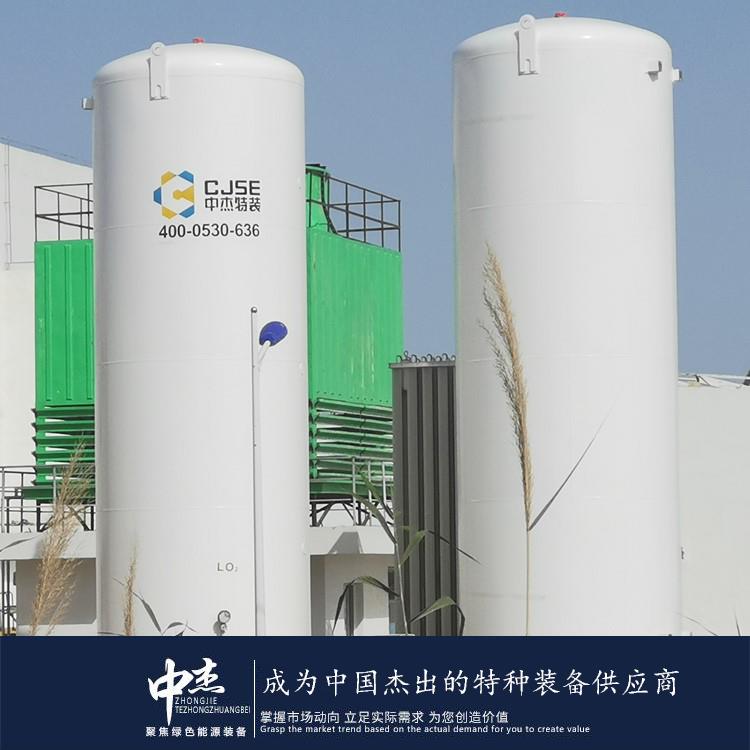
Liquid nitrogen storage tanks are widely used in meat freezing. The following are several main applications of liquid nitrogen storage tanks in meat freezing:
Quick Freezing: Liquid nitrogen tanks can provide low temperatures to rapidly freeze meat to the required temperature. Due to the low-temperature properties of liquid nitrogen, the temperature of the meat can be quickly reduced in a short period, effectively preserving the quality and texture of the meat.
Cold Storage: Liquid nitrogen tanks are suitable for long-term freezing storage of meat products. Placing meat in a liquid nitrogen tank helps maintain low temperatures, preventing the growth of bacteria and microorganisms, thereby extending the shelf life of the meat.
Refrigerated Transport: Liquid nitrogen tanks are suitable for the freezing transport of meat products. Placing meat in a liquid nitrogen tank preserves its低温 state, ensuring the quality and freshness of the meat during transportation.
Chilling Processing: Liquid nitrogen tanks are suitable for meat chilling. By exposing the meat to liquid nitrogen, the surface of the meat can be quickly frozen, forming a frost layer, thereby preserving the meat's moisture and nutritional content.
Chilled Processing: Liquid nitrogen tanks can be used for meat chilling processing. Placing meat in liquid nitrogen makes it harder and crisper, facilitating cutting, slicing, and processing.
Note that when using liquid nitrogen tanks for meat freezing, it is essential to follow the relevant safety operating procedures and guidelines. Ensure that operators have the necessary safety awareness and operating skills to prevent accidents. Additionally, consult with food safety authorities.
Our company places great emphasis on technological innovation and R&D, boasting one city-level enterprise technology center in Heze City. We have established testing facilities for non-destructive testing, physical and chemical testing, welding testing, hydrostatic testing, etc. Equipped with over 600 units of various equipment including CNC machine tools, X-ray flaw detectors, digital ultrasonic flaw detectors, mechanical property testing machines, chemical analyzers, spectrometers, tensile testing machines, plasma welding machines, and more, our key products such as welding for temperature and pressure vessels, biomass boiler emission reduction, and waste heat utilization have successively been shortlisted for multiple Shandong Provincial Department of Industry and Information Technology science and technology innovation projects, Shandong Provincial key projects, and Heze City innovative and excellent projects. We have accumulated a total of 27 authorized utility models, 16 authorized inventions, participated in drafting 2 standards, 2 industry standards, and registered 15 trademarks. Our technical team, in collaboration with Professor Yajiang Li from Shandong University, has developed deep cryogenic container processing technology using the international plasma arc + filler wire tungsten inert gas arc welding (PAW-GTAW) technology. The provincial-level scientific and technological achievement identification has confirmed that our technology level in deep cryogenic container manufacturing has reached an international standard. Choose Zhongjie Special Equipment, let's join hands to create brilliance!
WeChat Official Account

Scan to follow Official Account



















