


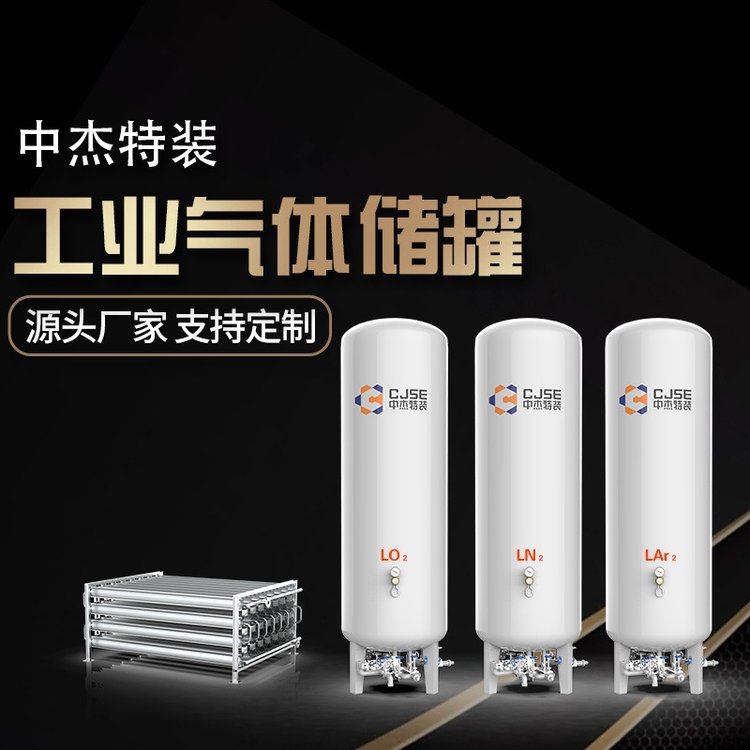

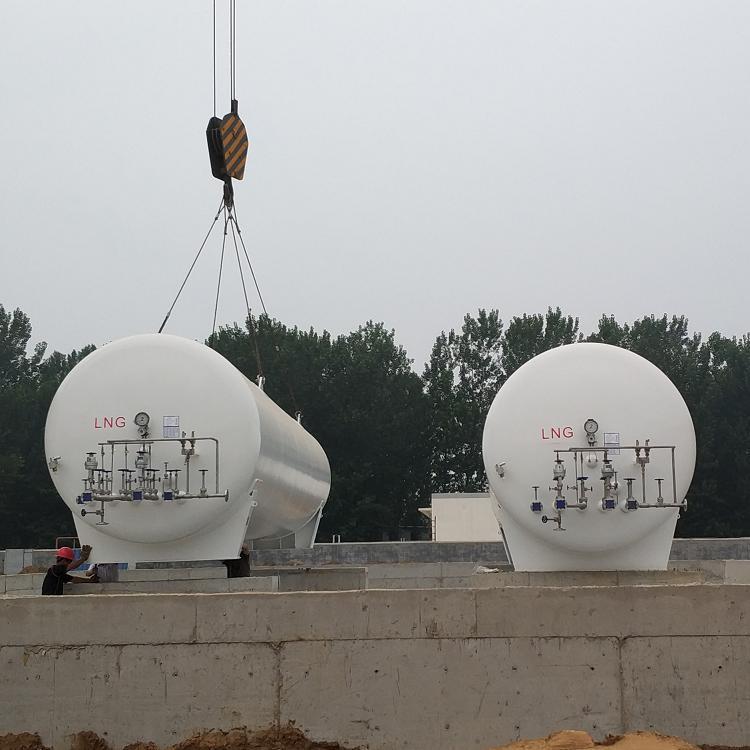
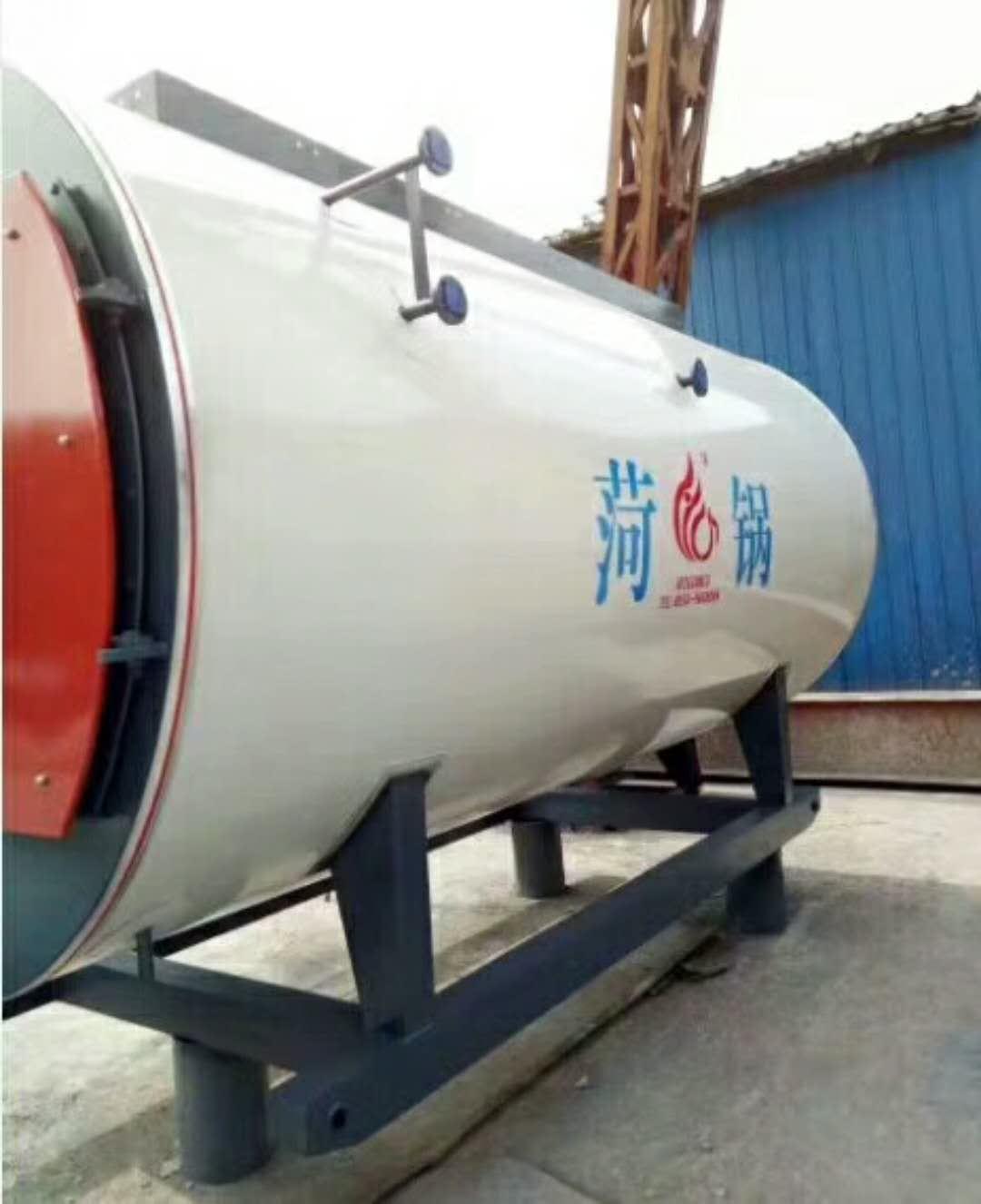


















Shandong Zhongjie Special Equipment (formerly Heze Boiler Factory Co., Ltd.) was established in 2001, located at No. 2218 Jinnan Road, Development Zone, Heze City. With a registered capital of 50 million yuan and total assets of 500 million yuan, the company has 7 business centers: boilers, deep-freezing containers, pressure vessels, central air conditioning, engineering installation, international trade, and Internet of Things. It has three factory sites on Jinnan Road, East Changjiang Road, and Bohai Road, covering a total area of 200,000 square meters, with the main workshop spanning 83,000 square meters. The company currently employs 710 people, including 247 engineers and technicians and 82 intermediate-level technical personnel. In December 2016, it was recognized as a "High-tech Enterprise" by the Science and Technology Department. In June 2021, it was identified as a "Specialized and New Enterprise in Shandong Province" by the Ministry of Industry and Information Technology. In June 2022, it was recognized as a "Gazelle Enterprise in Shandong Province" and in August 2022, as a "Specialized and New Small Giant Enterprise" by the Ministry of Industry and Information Technology.
Urea synthesis from carbon dioxide is a significant chemical reaction with several applications:
- Urea Production: Urea is a vital nitrogen fertilizer and chemical, widely used in both agricultural and industrial sectors. Carbon dioxide-based urea synthesis is one of the commonly used methods for producing urea. In this process, carbon dioxide reacts under high temperature and pressure to produce urea. This method utilizes carbon dioxide resources, reducing dependence on fossil fuels used in traditional urea production methods.
- Urea Fuel: Urea can also serve as a urea fuel for internal combustion engines and combustion equipment. By heating and decomposing urea, it releases energy, which then reacts with oxygen in the air to produce combustion heat. This combustion process only yields water vapor and nitrogen as byproducts, minimizing environmental pollution.
- Chemical Synthesis: Urea is an essential raw material for the synthesis of many chemicals. Carbon dioxide-based urea synthesis provides a sustainable supply of urea for the chemical industry, used in the production of other chemicals such as plastics, resins, coatings, and more.
- Energy Storage: Urea can also act as a medium for energy storage. By synthesizing urea from carbon dioxide, energy can be stored in the form of chemical bonds. When energy is needed, the urea can be decomposed to release energy, which then reacts with oxygen in the air to produce combustion heat, releasing the stored energy.
The development of carbon dioxide-based urea synthesis technology aims to reduce dependence on fossil fuels used in traditional urea production methods, lower greenhouse gas emissions, and promote the development of sustainable agriculture and the chemical industry. However, this technology is still under development and research, requiring further technical breakthroughs and practical validation to achieve large-scale application.
Standard parameters for carbon dioxide storage tanks can vary depending on design and application requirements. Here are some common standard parameters:
- Tank Capacity: The capacity of carbon dioxide storage tanks is typically expressed in kiloliters (L) or cubic meters (m). Common capacity ranges vary from a few thousand to tens of thousands of liters.
- Operating Pressure: The operating pressure of carbon dioxide storage tanks is usually around 20 to 25 MPa (megapascals) at room temperature, with specific pressure determined by application needs and design standards.
- Design Temperature: The design temperature of carbon dioxide storage tanks is usually within a low-temperature range, generally between -40℃ and -60℃, to accommodate the liquefaction and storage requirements of carbon dioxide.
- Material: Carbon dioxide storage tanks are commonly made of high-strength steel or alloy materials to withstand stress and loads under high pressure and low-temperature environments.
- Insulation: The interior of the tank is equipped with an insulation layer to reduce heat transfer and liquid evaporation. The insulation layer is typically a multi-layer structure, including thermal insulation materials and an external protective layer.
- Safety Valves and Pressure Relief Devices: Tanks are equipped with safety valves and pressure relief devices to control internal pressure and prevent overpressure and explosions.
- Level Monitoring and Control: Tanks are fitted with level monitoring devices to monitor the liquid level inside. Timely monitoring and control of the level ensure that the liquid storage within the tank remains within a safe range.
It should be noted that specific standard parameters for carbon dioxide storage tanks may vary due to different design standards, application requirements, and manufacturers. When selecting and using carbon dioxide storage tanks, it is important to consider these factors.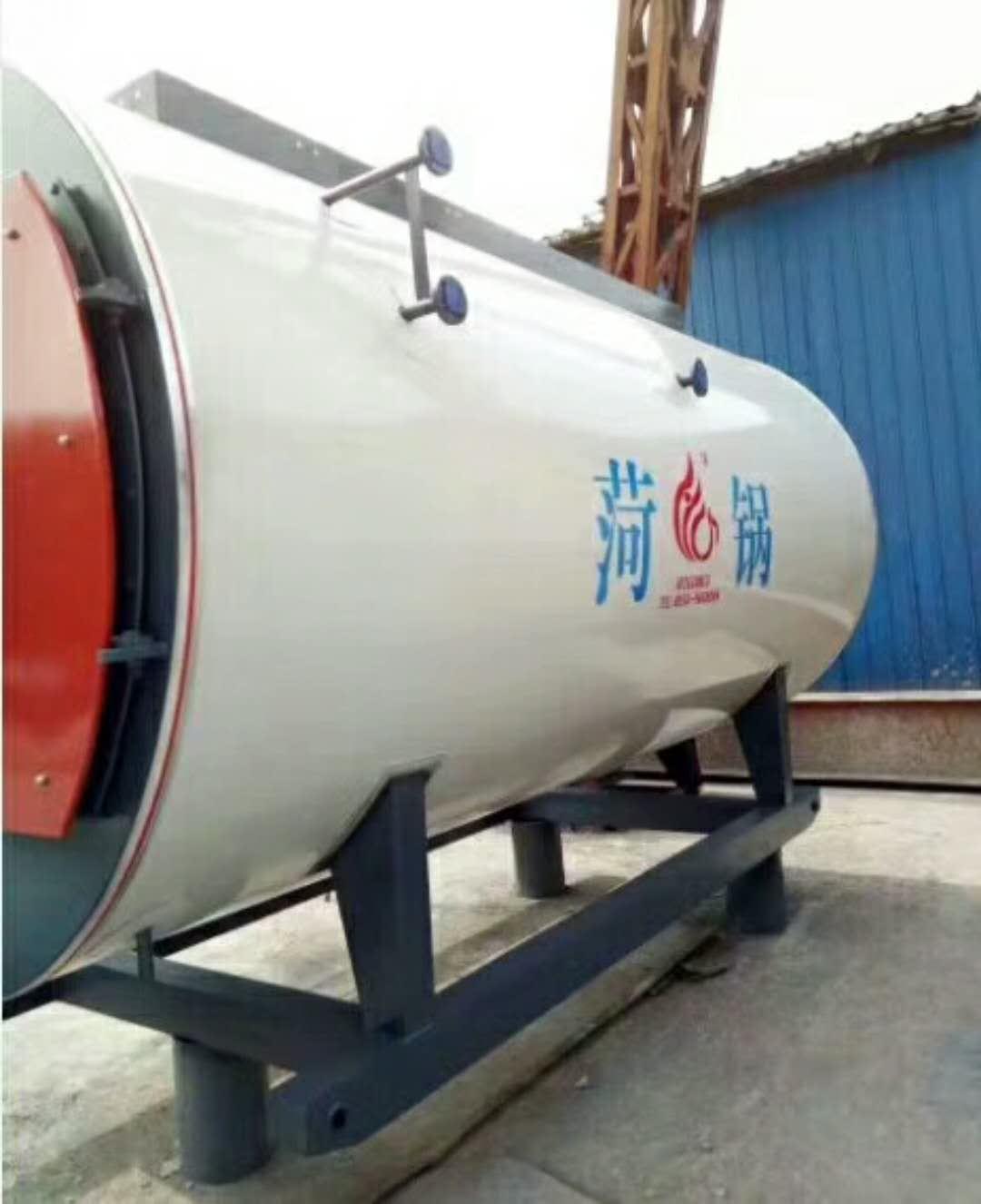
The automatic maintenance system for CO2 storage tanks typically includes the following main components:
- Pressure Maintenance System: Monitors and adjusts the internal pressure of the tank to ensure that the CO2 within remains within a safe and stable pressure range. The system includes pressure sensors, control systems, pressure regulating valves, and pressure reserve devices.
- Temperature Control System: Monitors and adjusts the internal temperature of the tank to maintain the CO2 within an appropriate temperature range. The system includes temperature sensors, control systems, and temperature regulating devices.
- Level Monitoring System: Measures and monitors the liquid level within the tank to ensure the CO2 level is within a safe range. The system can utilize float level gauges, pressure level gauges, and ultrasonic level gauges.
- Leak Detection System: Monitors leaks in the tank and pipeline systems, enabling timely detection and alarms. The system can employ gas sensors, liquid sensors, and leak detectors.
- Fire Detection and Extinguishing System: Monitors fire conditions in the tank area and implements appropriate extinguishing measures. The system includes fire detectors, alarms, and extinguishing equipment.
- Remote Monitoring and Control System: Remotely monitors and controls the operational status and parameters of the tank, enabling remote operation and management. The system can connect via network to provide real-time data and remote control functions.
These components are the main parts of a typical CO2 storage tank automatic maintenance system. The specific configuration and functions can be customized according to the tank's design requirements and application scenarios. These automatic maintenance systems enhance the tank's safety, stability, and reliability, reducing the need for manual intervention and operational risks.
Carbon dioxide has a wide range of applications in the field of food freezing. Here are some common uses of carbon dioxide in food freezing:
1. Frozen Food Processing: Carbon dioxide is commonly used in the processing of frozen foods. By exposing the food to liquid carbon dioxide, temperatures can be rapidly reduced, enabling quick freezing. This rapid freezing effectively preserves the quality, texture, and nutritional content of the food.
2. Frozen Storage: Carbon dioxide is also utilized in the frozen storage of foods. During the storage process, foods are placed in a低温 environment, and their temperatures are lowered below the freezing point using the refrigerating action of carbon dioxide, thereby extending the shelf life of the food.
3. Frozen Transportation: Carbon dioxide plays a crucial role in the frozen transportation of foods. By employing carbon dioxide freezing technology during transportation, the low-temperature state of the food is maintained, preventing quality and nutritional loss.
4. Frozen Display: In the retail food industry, carbon dioxide is also used in frozen display cabinets. By injecting carbon dioxide gas into the display cabinets, the low-temperature state of the food is preserved, ensuring that the food remains fresh and maintains its quality while on display.
Compared to traditional freezing techniques, carbon dioxide freezing offers advantages such as faster freezing rates, better freezing effects, and minimal impact on food quality. However, safety operations must be observed when using carbon dioxide freezing technology to avoid leaks and potential harm to humans. Therefore, it is necessary to follow relevant safety operation procedures and guidelines when using carbon dioxide for food freezing.
Shandong Zhongjie Special Equipment, welcome clients for factory negotiations and cooperation.
WeChat Official Account

Scan to follow Official Account



















