


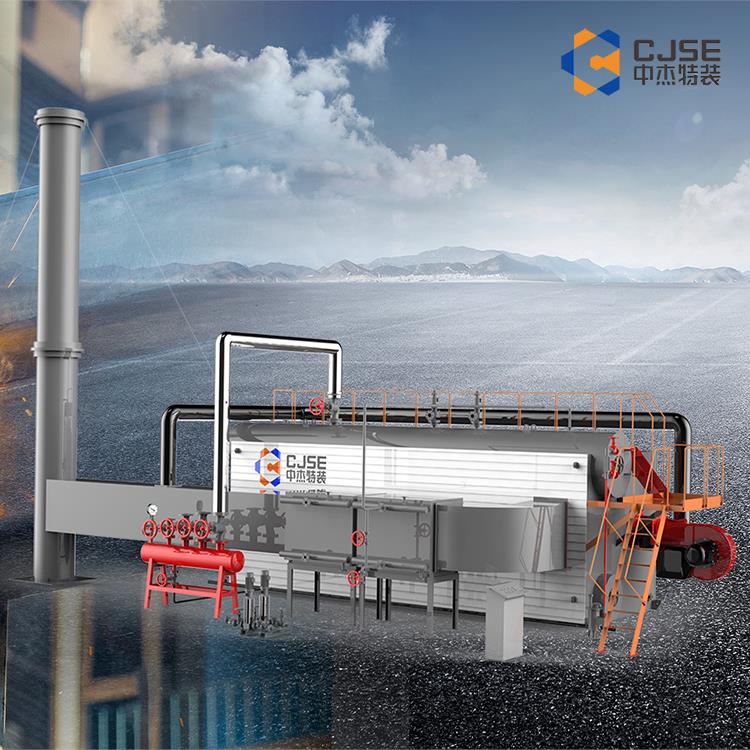

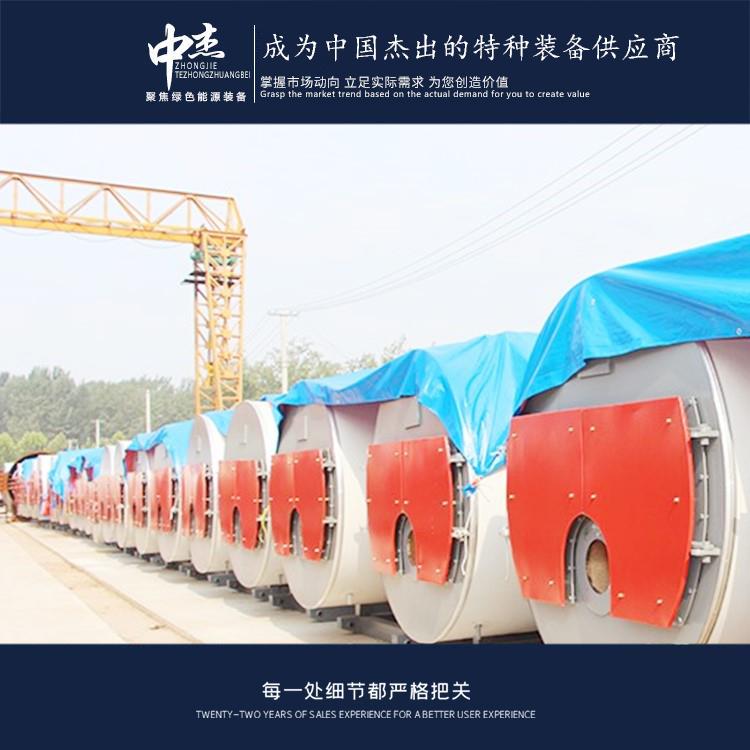
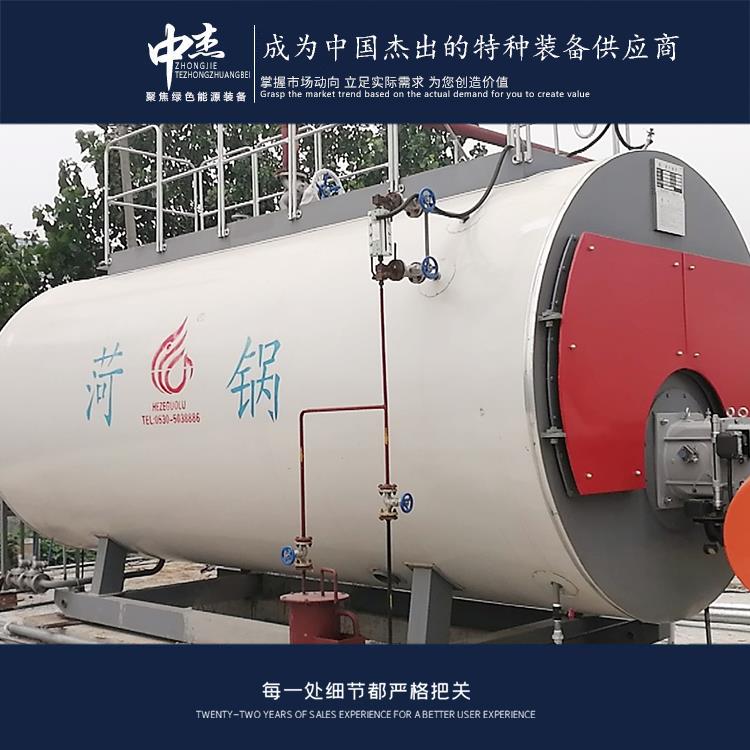


















Shandong Zhongjie Special Equipment (formerly Heze Boiler Factory Co., Ltd.) holds an A-grade boiler manufacturing license, A2-grade pressure vessel manufacturing license, A2-grade pressure vessel design license, B-grade boiler installation, and GB2/Class, GC2/Class pressure pipeline installation licenses, as well as equipment and machinery installation contracting qualifications. It is a member of the China Boiler and Water Treatment Association, the China Chemical Equipment Association, and a council member of the Shandong Equipment Manufacturing Association. The company has also passed ISO9001 Quality Management System, ISO14001 Environmental Management System, OHSAS18001 Occupational Health and Safety Management System certifications, and the American ASME/U2 certification.
Chemical cleaning of industrial boilers is a common method that effectively removes dirt and sediment inside the boiler, enhancing heat exchange efficiency and extending the boiler's lifespan. The following are general steps and methods for industrial boiler chemical cleaning:
Preparation: Turn off the boiler's power and gas supply, drain the water and steam inside the boiler, and ensure the boiler is in a safe condition. Prepare the required chemical cleaning agents and equipment.
Cleaning Agent Selection: Choose a suitable chemical cleaning agent based on the boiler's material and the nature of the dirt. Common cleaning agents include acidic, alkaline, and chelating agents.
Cleaning Agent Circulation: Dissolve the cleaning agent in an appropriate amount of water and circulate it into the boiler using a pump. Determine the circulation time and temperature based on the boiler's size and the extent of dirt.
Cleaning Agent Action: During the circulation, the cleaning agent reacts chemically with the dirt inside the boiler, dissolving and decomposing it. Acidic cleaning agents can remove rust and scale, while alkaline cleaning agents can remove oils and organic matter.
Rinsing and Neutralizing: After the cleaning agent circulation, rinse the boiler with clean water to flush out the cleaning agent and dissolved dirt. At the same time, use a neutralizer to neutralize any remaining acidic or alkaline substances, ensuring the boiler's neutrality.
Inspection and Maintenance: After cleaning, inspect the boiler to ensure the cleaning effect and normal operation. Perform maintenance and repair as needed.
Points to note when performing industrial boiler chemical cleaning:
- Adhere strictly to the usage instructions and safety operating procedures for chemical cleaning agents to ensure the safety of operators.
- Choose the appropriate cleaning agent and method based on the boiler's material and the properties of the cleaning agent.
- Control the concentration, temperature, and circulation time of the cleaning agent to avoid unnecessary damage to the boiler.
- Monitor the concentration and pH of the cleaning agent in a timely manner during the cleaning process and adjust the cleaning conditions.
- Flush the boiler after cleaning to ensure that the cleaning agent and dirt are completely removed.
- Perform maintenance and repair on the boiler promptly after cleaning to ensure normal operation and long-term use.
When addressing issues with gas boilers during the heating process, consider the following aspects:
- Check gas supply: Ensure a normal gas supply and inspect for any blockages or leaks in the gas pipeline. If any issues are found, repair or replace the gas pipeline promptly.
- Clean burners and combustion chambers: Regularly clean burners and combustion chambers to remove soot and dirt. This enhances combustion efficiency and reduces gas waste.
- Check and adjust the gas-to-air ratio: Ensure the proper ratio of gas to air for optimal combustion. An incorrect ratio can lead to incomplete combustion or excessive exhaust emissions.
- Check and clean heat exchangers: Regularly inspect and clean heat exchangers to remove soot and dirt. This boosts heat exchange efficiency and ensures effective heat transfer to the heating system.
- Check and maintain circulating pumps and valves: Ensure the proper operation of circulating pumps and valves to allow smooth flow of hot water or steam into the heating system.
- Check and maintain the control system: Ensure the control system of the gas boiler operates correctly, accurately controlling parameters such as temperature, pressure, and flow. If problems are detected, repair or replace the controller promptly.
- Regular maintenance: Conduct regular maintenance on gas boilers, including cleaning, lubrication, and securing bolts. This extends the lifespan of the boiler and reduces the occurrence of malfunctions.
- Training and awareness: Provide employee training to enhance awareness of operating and maintaining gas boilers. Improved knowledge and skills among staff help in effective management and problem-solving during the heating process.
- If issues cannot be resolved or there are safety concerns, consult a professional.
Industrial boilers, during their long-term operation, can accumulate scale and sediments, affecting heat exchange efficiency and the normal operation of the boiler. Here are some effective descaling methods:
1. Mechanical Cleaning: Utilizing cleaning equipment and tools, this method employs high-pressure water or mechanical brushes to remove scale and sediments from within the boiler. It is suitable for lighter scale and sediment build-up.
2. Chemical Cleaning: This involves using chemical cleaning agents to dissolve scale and sediments through chemical reactions. Select an appropriate cleaning agent based on the composition and nature of the scale, and follow the instructions provided. Chemical cleaning requires safe operation to prevent damage to equipment and the environment.
3. Acid Cleaning: Acid cleaning is a common descaling method for difficult-to-dissolve scale and sediments. Common acid cleaning agents include (list specific agents), and the appropriate agent and concentration should be chosen based on the situation. Safety operation is crucial to avoid harm to equipment and personnel.
4. Alkaline Cleaning: Alkaline cleaning is a descaling method for specific types of scale, suitable for alkaline scales. Common alkaline cleaning agents include (list specific agents), and the appropriate agent and concentration should be selected based on the situation. Safety operation is necessary to prevent damage to equipment and personnel.
5. Physical Descaling: Physical descaling methods include ultrasonic cleaning and electro-dissolution. Ultrasonic cleaning uses the vibration of ultrasound to shake the scale loose. Electro-dissolution utilizes the principle of electrolysis to dissolve scale with the application of electricity. These methods are suitable for special cases and specific types of scale.
When selecting a descaling method, it is necessary to consider the specific conditions of the boiler.
In the burner of a thermal oil furnace, adjusting the air shutter under low flame conditions is crucial. Here are some common sense tips and注意事项: The function of the air shutter: The air shutter is a key component in the burner that controls the supply of combustion air. By adjusting the opening of the air shutter, the flow of combustion air can be controlled, thereby affecting the oxygen supply and combustion effect during the combustion process. Adjusting under low flame conditions: Under low flame conditions, the burner needs to maintain stable combustion to ensure combustion efficiency and heat output. In this case, it is necessary to adjust the opening of the air shutter appropriately to maintain an adequate supply of combustion air. Generally, the opening of the air shutter is relatively small under low flame conditions to maintain an appropriate oxygen supply and avoid incomplete combustion or instability. The ratio of combustion air to fuel: Under low flame conditions, it is necessary to ensure that the ratio of combustion air to fuel is appropriate. Too much combustion air can lead to incomplete combustion and energy waste, while too little can cause instability and the production of harmful gases. By adjusting the opening of the air shutter, the ratio of combustion air to fuel can be controlled to achieve a stable combustion effect. Burner tuning and optimization: During the installation and tuning of the burner of a thermal oil furnace, appropriate tuning and optimization are required. Through actual operation and monitoring, adjust the opening of the air shutter and other parameters to achieve the best combustion effect and energy efficiency performance. This requires...
Shandong Zhongjie Special Equipment, welcome customers to our factory for business discussions.
WeChat Official Account

Scan to follow Official Account



















