


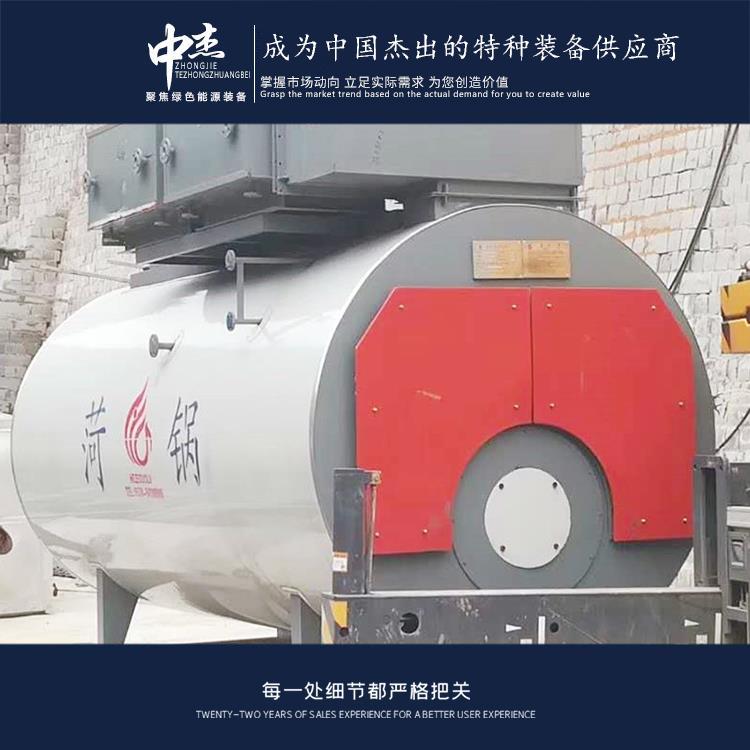

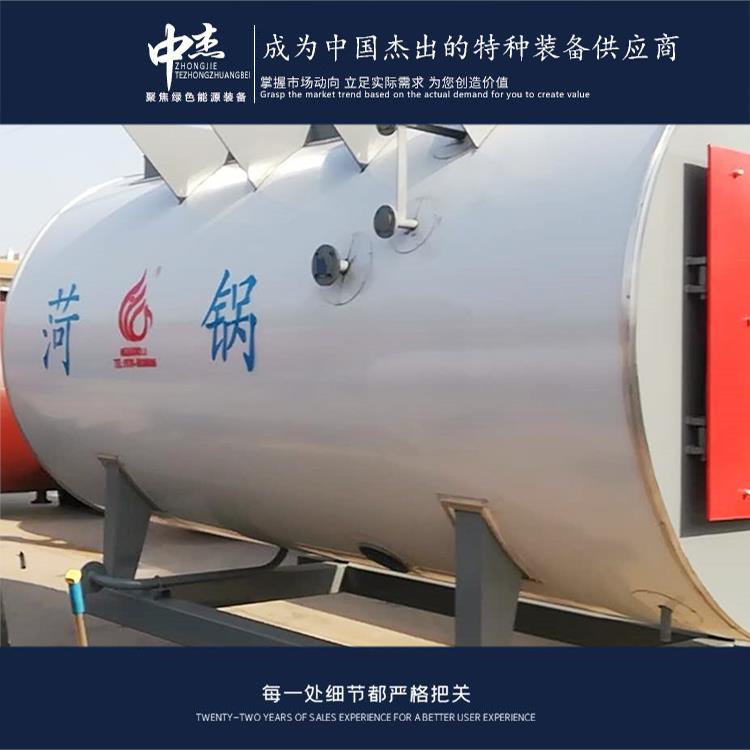
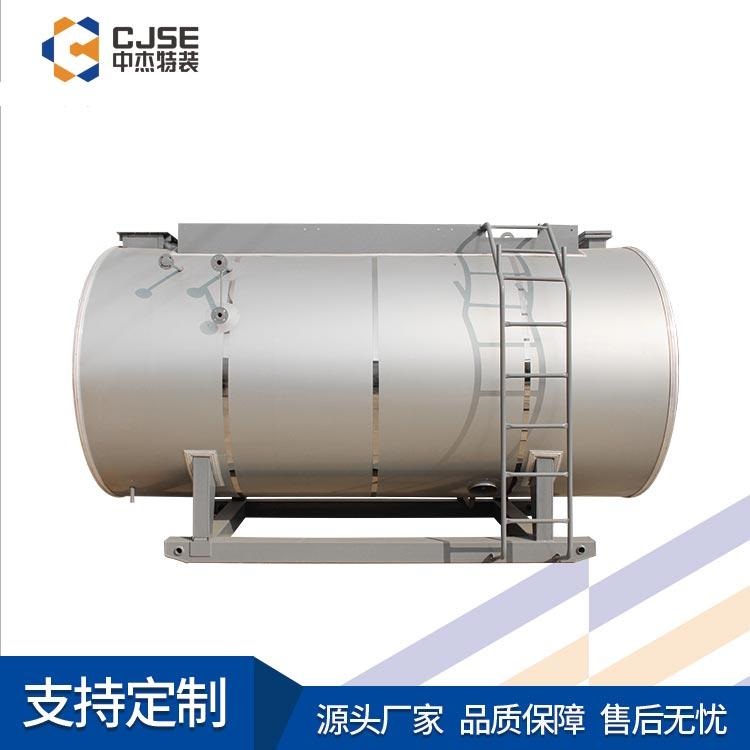


















Shandong Zhongjie Special Equipment (formerly Heze Boiler Factory Co., Ltd.) holds an A-grade boiler manufacturing license, A2-grade pressure vessel manufacturing license, A2-grade pressure vessel design license, B-grade boiler installation, and GB2/Class, GC2/Class pressure pipeline installation licenses, as well as equipment and machinery installation contracting qualifications. It is a member of the China Boiler and Water Treatment Association, the China Chemical Equipment Association, and the council unit of the Shandong Equipment Manufacturing Association. The company has also passed certifications for the ISO9001 Quality Management System, ISO14001 Environmental Management System, OHSAS18001 Occupational Health and Safety Management System, and the American ASME/U2 certification.
Prior to starting the heating gas hot water boiler, the following correct procedures must be followed:
- Check the gas supply system: Ensure the gas supply system is operating normally, inspect gas pipelines, valves, and pressure regulators, ensuring there are no leaks or obstructions in the gas supply.
- Inspect the water system: Check the water circulation system of the heating system, including pumps, valves, and pipes, ensuring the waterway is clear, with no leaks or obstructions.
- Check the electrical system: Inspect the boiler's electrical system, including power connections, controllers, and sensors, ensuring electrical equipment operates properly.
- Check the safety devices: Inspect the boiler's safety devices, including safety valves, pressure switches, and water level controllers, ensuring they function normally and ensure the safe operation of the boiler.
- Prepare for ignition: Prepare the tools and equipment required for ignition according to the boiler's operating instructions, including an igniter and ignition electrode.
- Open the gas valve: Gradually open the gas valve, ensuring a steady gas supply and avoiding gas surges.
- Ignition start-up: Follow the boiler's operating instructions for ignition start-up. Perform the appropriate operations based on the boiler model and control system to ensure smooth ignition.
- Monitor operational status: After startup, closely monitor the boiler's operational status, including combustion, water level, and pressure. Ensure normal operation and no abnormal conditions.
- Adjust parameters: Adjust the boiler's parameters as needed, including temperature, pressure, and water level, to meet the heating system requirements.
- Regular maintenance: After startup, perform regular maintenance, including cleaning the burner, checking water level and pressure, and replacing worn parts, to ensure normal and safe operation of the boiler.
- It is recommended to refer to the boiler's operation manual and the manufacturer's guidelines before starting the heating gas hot water boiler to ensure correct and safe operation. If necessary, personnel can be requested for operation and maintenance.
The flow rate standard for heat-conducting oil in the oil tubes of a thermal oil heater is typically determined based on specific applications and equipment requirements, without a unified fixed value. Generally speaking, the flow rate of the heat-conducting oil within the tubes should be maintained within a reasonable range to ensure proper equipment operation and heat transfer efficiency. Excessive flow rates of heat-conducting oil can lead to the following issues: increased pressure loss in the system, higher energy consumption by the pump. Increased friction loss in the pipes, leading to energy loss. Increased system noise and vibration. Low flow rates of heat-conducting oil can result in: insufficient heat transfer, affecting the equipment's thermal efficiency. Extended residence time of the heat-conducting oil in the pipes, prone to oxidation and thermal decomposition, impacting the oil's lifespan. Carbon accumulation in the pipes, increasing resistance and affecting fluid flow. Therefore, when designing and operating a thermal oil heater system, it is necessary to consider specific equipment parameters, the properties of the heat-conducting oil, and pipeline layout, among other factors, to determine an appropriate flow rate. Typically, the flow rate should be within the range of 0.5-2.0 m/s, but the specific figure should be adjusted and optimized based on actual conditions. In practice, the flow rate can be controlled by monitoring and adjusting the pump flow and pipeline resistance to meet the equipment's heat energy needs and operational requirements.
During the operation of a thermal oil furnace, several important points should be noted:
- Temperature Control: During the operation of the thermal oil furnace, it is essential to closely monitor and control the temperature of the thermal oil. Ensure the temperature remains within a safe range to avoid decomposition due to excessive heat or condensation and scaling due to low heat. Regularly check and calibrate temperature sensors to ensure the accuracy of temperature measurement.
- Pressure Control: Maintain an appropriate working pressure during the operation of the thermal oil furnace. Excessive pressure can lead to equipment damage or leaks, while insufficient pressure can reduce heat transfer efficiency. Regularly inspect and maintain pressure gauges and safety valves to ensure accurate and safe pressure control.
- Oil Quality and Cleanliness: The quality and cleanliness of the thermal oil are crucial for the normal operation of the furnace. Regularly inspect and replace the thermal oil to ensure it meets the required quality and performance standards. Regularly clean and maintain heat exchangers, burners, and flues to prevent the accumulation of dust and dirt, which can affect heat transfer efficiency.
- Regular Maintenance and Inspection: Regular maintenance and inspections are necessary for thermal oil furnaces to ensure their proper operation and extended lifespan. Regularly inspect and clean burners, flues, and heat exchangers, check and replace seals and valves, inspect and calibrate safety devices to ensure the equipment's safety and reliability.
- Safe Operation: Adhere strictly to operating procedures and safety protocols during the operation of the thermal oil furnace. Operators must possess the relevant skills and knowledge.
When installing a gas boiler unit, the following points should be noted:
Safety: Gas boilers are equipment that uses gas as fuel, so safety must be ensured during installation. First, choose an appropriate installation location, away from flammable materials and combustible gases, ensuring good ventilation. Second, install according to relevant safety regulations, including the connection of gas pipes and the installation of gas valves.
Pipe Connection: Gas boilers require connection to gas pipes to ensure a smooth gas supply. During the connection process, use appropriate pipes and joints to ensure a secure fit and prevent gas leaks. Also, conduct a leak test to ensure there are no leaks.
Exhaust Duct: Gas boilers produce exhaust gases during combustion and require a suitable exhaust duct. The exhaust duct must be kept clear to avoid the accumulation of exhaust gases indoors, which can pose safety hazards and cause air pollution.
Electrical Connection: Gas boilers typically require electricity, so electrical connections must be made during installation. Ensure the electrical connections are correct and secure, avoiding circuit shorts or other electrical issues.
Water System: Gas boilers usually need to be connected to the water system, including water supply and drain pipes. During the connection process, ensure the water pipes are securely connected to prevent leaks or unstable water pressure.
Commissioning and Testing: After installation, commissioning and testing of the gas boiler should be carried out. This includes ignition tests, combustion efficiency tests, and temperature control tests to ensure the boiler operates normally and safely.
It is recommended to follow relevant installation specifications and requirements when installing a gas boiler unit. If you do not have the necessary technical knowledge, it is best to have a qualified installer perform the operation to ensure the installation process is safe and reliable.
Shandong Zhongjie Special Equipment, welcome customers to our factory for business discussions.
WeChat Official Account

Scan to follow Official Account



















