


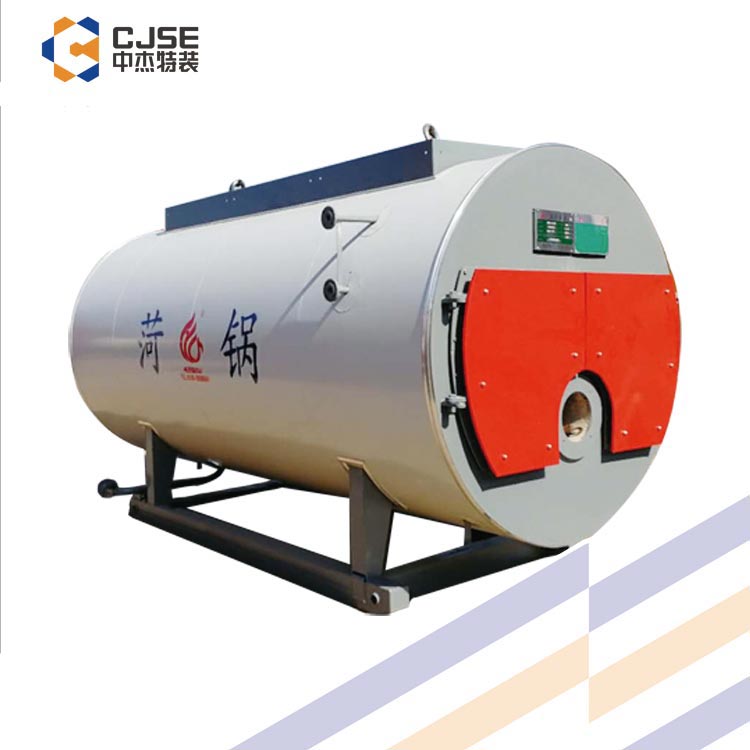

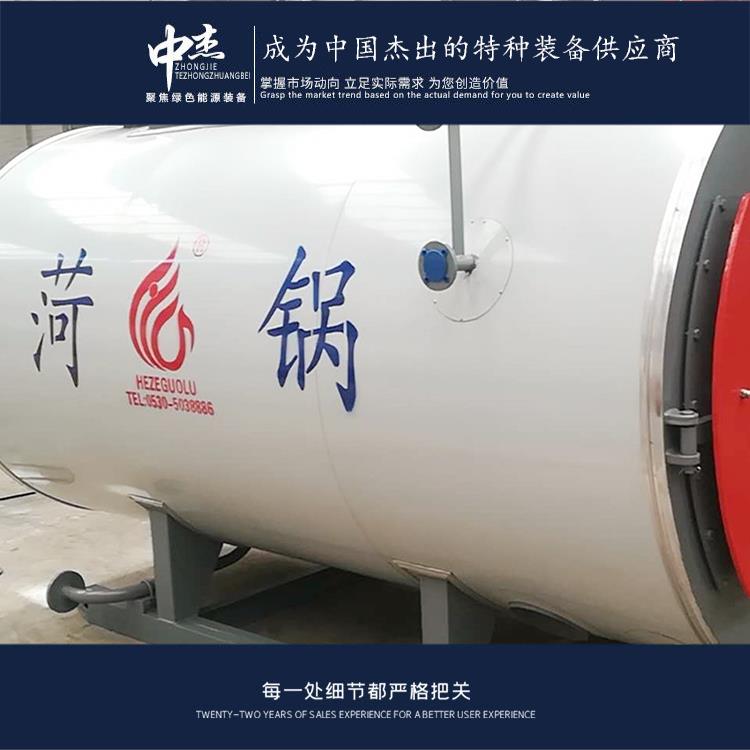
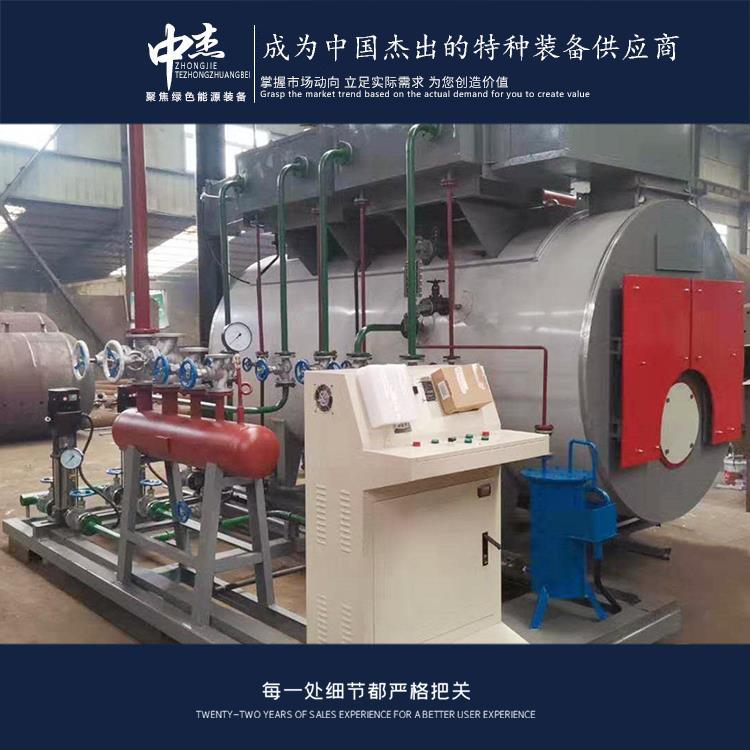


















Shandong Zhongjie Special Equipment (formerly Heze Boiler Factory Co., Ltd.) was established in 2001, located at No. 2218 Jinnan Road, Economic and Technological Development Zone, Heze City. With a registered capital of 50 million yuan and total assets of 500 million yuan, the company has seven business centers: boilers, deep-freezing containers, pressure vessels, central air conditioning, engineering installation, international trade, and Internet of Things. It has three factory areas on Jinnan Road, East Changjiang Road, and Bohai Road, covering a total of 200,000 square meters, with the main workshop spanning 83,000 square meters. It currently employs 710 staff, including 247 engineers and technicians, and 82 intermediate-level technicians. In December 2016, it was recognized as a "High-Tech Enterprise" by the Science and Technology Department. In June 2021, it was identified as a "Specialized and New Enterprise in Shandong Province" by the Ministry of Industry and Information Technology. In June 2022, it was recognized as a "Gazelle Enterprise in Shandong Province" and in August 2022, it was identified as a "Specialized and New Small Giant Enterprise" by the Ministry of Industry and Information Technology.
Regular inspections of industrial boilers are crucial for ensuring safe operation, improving efficiency, and extending their lifespan. Here are the importance of regular inspections for industrial boilers:
Safety Assurance: Industrial boilers are high-temperature, high-pressure equipment. Without regular inspections, there may be safety hazards. Regular inspections can identify and rectify potential issues within the boiler, such as malfunctions in the combustion system, failure of water level control, and malfunctioning safety valves, ensuring the safe operation of the boiler.
Efficiency Enhancement: Regular inspections can uncover dirt and deposits inside the boiler, maintaining the cleanliness of heat exchangers and thermal conduction efficiency, thus improving the boiler's thermal and energy utilization efficiency. This helps reduce energy consumption and operating costs.
Extending Lifespan: Regular inspections allow for the timely detection and treatment of corrosion, wear, and fatigue issues within the boiler, preventing further damage and faults, and extending the boiler's lifespan. Regular maintenance and care can also help prevent and reduce damage and faults to the boiler.
Legal and Regulatory Requirements: Many regions have established laws and regulations and standards for boiler safety management, requiring regular inspections and maintenance of industrial boilers. Regular inspections are a critical aspect of complying with legal and regulatory requirements.
Insurance Requirements: Some insurance companies have specified insurance requirements for industrial boilers, mandating regular inspections and maintenance. Regular inspections can meet insurance company requirements and protect the insurance rights of the enterprise.
In summary, regular inspections of industrial boilers are important for ensuring safety, improving efficiency, extending lifespan, complying with laws and regulations, and meeting insurance requirements. Regular inspections should be conducted by institutions or individuals with the appropriate qualifications, following relevant laws, regulations, and standards. Timely regular inspections and maintenance can ensure the safe operation of industrial boilers.
For the maintenance of industrial gas-fired boilers, here are some common methods and precautions:
- Clean the burner: Regularly clean the interior and nozzle of the burner to ensure normal combustion of the gas, avoid carbon buildup and blockages.
- Inspect the gas supply system: Regularly check the gas supply system, including gas pipelines, valves, and pressure regulators, to ensure normal supply, no leaks, or blockages.
- Clean the flue and heat exchanger: Regularly clean the flue and heat exchanger to remove dust and dirt, maintain heat exchange efficiency, and prevent overheating and energy loss.
- Check water level and pressure: Regularly inspect the boiler's water level and pressure to ensure operation within a safe range. Top up water and adjust pressure to avoid issues caused by low or high water levels.
- Inspect safety devices: Regularly check the boiler's safety devices, including safety valves, pressure switches, and water level controllers, to ensure proper operation and ensure safe boiler operation.
- Check the control system: Regularly inspect the boiler's control system, including automatic controllers, sensors, and gauges, to ensure accuracy and reliability, and to detect and repair faults in a timely manner.
- Regular maintenance: Conduct regular maintenance, including lubricating components, replacing worn parts, and checking electrical connections, to extend the boiler's lifespan and stability.
- Keep records: Record the boiler's operating parameters, maintenance logs, and fault conditions to help identify problems and analyze operating status.
- Train operators: Ensure that operators have sufficient
Choose a reliable gas boiler supplier—it's crucial. Consider the following factors:
- Reputation: Understand the reputation and market feedback of the gas boiler supplier. You can gather relevant information by reviewing customer reviews, industry reports, and certifications from institutions.
- Quality and Performance: The quality and performance of the gas boiler directly impact its reliability and efficiency. Learn about the supplier's quality control system, product certifications, and technical support capabilities to ensure their products meet standards and fulfill factory requirements.
- Technical Support and After-Sales Service: It's vital to select a supplier that offers comprehensive technical support and after-sales service. Ensure the supplier can provide training, installation guidance, maintenance, and troubleshooting support to ensure the smooth operation of the gas boiler.
- Cost-Effectiveness: Besides product quality and performance, consider the cost-effectiveness of the gas boiler. Take into account the purchase, operational, and maintenance costs to choose a supplier that offers a reasonable price and cost-performance ratio.
Ultimately, choosing a trustworthy gas boiler supplier requires considering these factors and making decisions based on the specific needs and conditions of your factory. It is recommended to communicate and compare with multiple suppliers to gather more information and advice for an informed choice.
Common problems and solutions for gas boiler burners:
- No flame or unstable flame: Check the gas supply for proper operation and ensure the gas valve is open. Clean the burner nozzle to ensure the passage is clear. Inspect the ignition electrode for cleanliness, carbon buildup, or dirt. Adjust the gas-to-air ratio for proper mixture.
- Incomplete combustion or black smoke: Verify adequate gas supply and adjust the gas pressure. Clean the burner nozzle and combustion chamber to ensure passage is clear. Adjust the gas-to-air ratio for proper mixture. Check for carbon buildup or dirt on the burner and clean or replace damaged parts.
- Difficulty in点火 or点火 failure: Inspect the ignition electrode for cleanliness, carbon buildup, or dirt. Adjust the position and gap of the ignition electrode to ensure normal spark production. Check if the ignition transformer or controller is functioning properly and repair or replace damaged parts.
- Abnormal noise from the burner: Ensure proper gas supply by checking the gas valve is open. Inspect for loose parts on the burner and combustion chamber, secure or replace damaged parts. Clean the burner and combustion chamber to ensure no carbon buildup or dirt.
- If the above methods do not resolve the issue, recommend contacting a gas boiler maintenance professional for inspection and maintenance. Also, to ensure safety, follow relevant safety operating procedures when using the gas boiler.
Shandong Zhongjie Special Equipment, welcome customers to visit our factory for business discussions.
WeChat Official Account

Scan to follow Official Account



















