


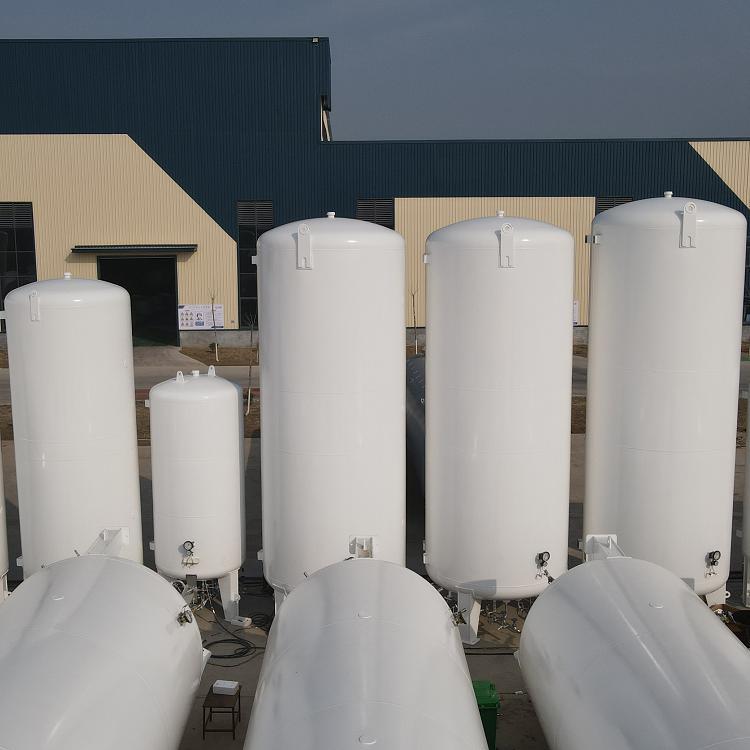

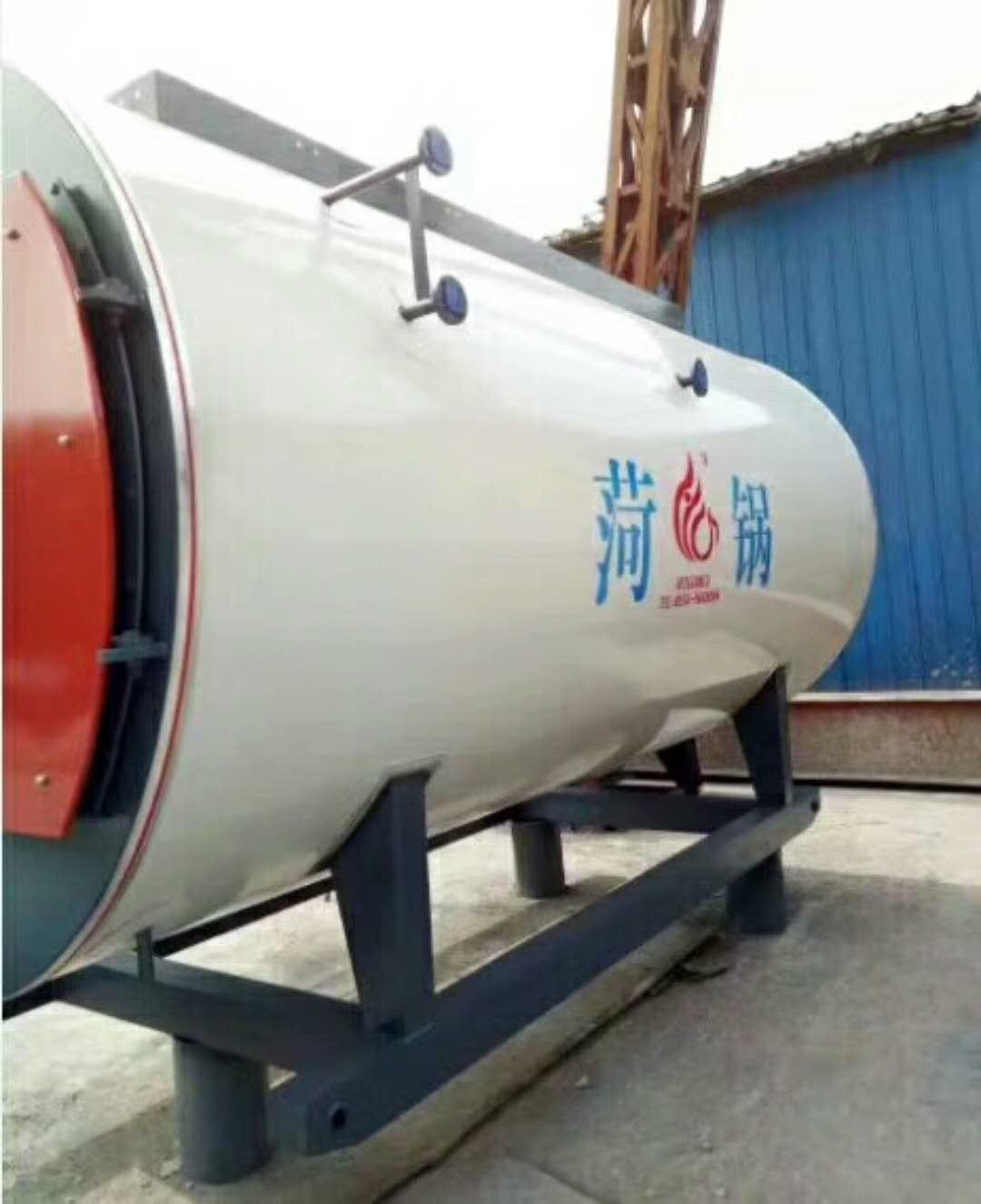


















Shandong Zhongjie Special Equipment (formerly Heze Boiler Factory Co., Ltd.) was established in 2001, located at No. 2218 Jinnan Road, Development Zone, Heze City. With a registered capital of 50 million yuan and total assets of 500 million yuan, the company operates seven business centers: boilers, deep-freeze containers, pressure vessels, central air conditioning, engineering installation, international trade, and the Internet of Things. It has three factory sites on Jinnan Road, East Changjiang Road, and Bohai Road, covering a total of 200,000 square meters, with the main workshop spanning 83,000 square meters. It currently employs 710 people, including 247 engineers and technicians and 82 intermediate-level technical personnel. In December 2016, it was recognized as a "High-Tech Enterprise" by the Science and Technology Department. In June 2021, it was identified as a "Specialized and New Enterprise in Shandong Province" by the Ministry of Industry and Information Technology. In June 2022, it was recognized as a "Gazelle Enterprise in Shandong Province" and in August 2022, as a "Specialized and New Small Giant Enterprise" by the Ministry of Industry and Information Technology.
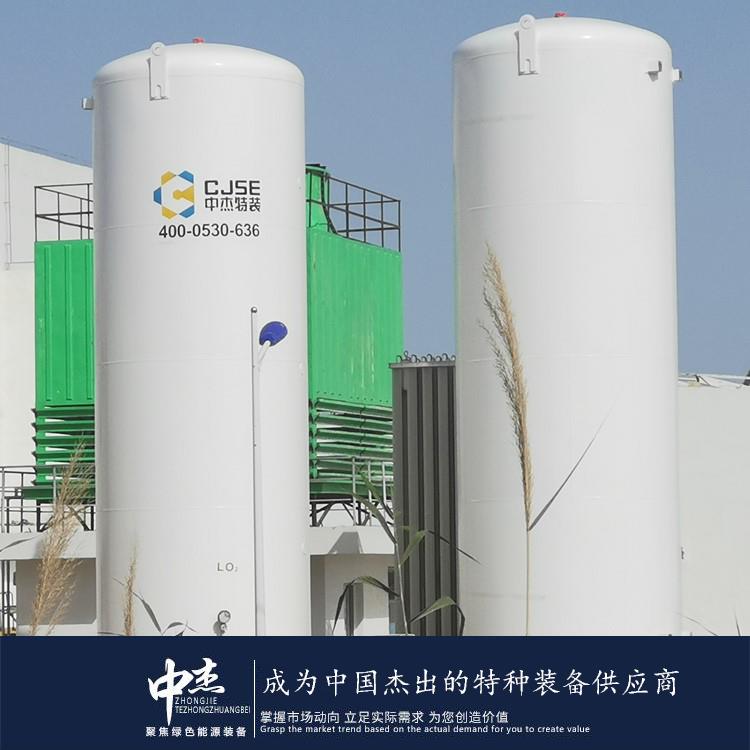
The reason for occasional venting of liquid oxygen tanks is primarily to maintain the safe pressure range within the tank and prevent excessive pressure buildup. The following are several situations where liquid oxygen tanks may be vented occasionally:
Pressure Control: During the operation of the liquid oxygen tank, due to the evaporation of liquid oxygen and temperature changes, the pressure inside the tank will fluctuate. To maintain the safe pressure range within the tank, regular venting is required to control the tank's pressure within the safe limits.
Prevent Overpressure Accumulation: During oxygen filling or usage, external factors or operational errors may cause the pressure inside the liquid oxygen tank to exceed the safe limit. To prevent overpressure accumulation, timely venting is required to reduce the pressure within the tank.
Prevent Gas Accumulation: There may be some gas impurities in liquid oxygen tanks, such as air and water vapor. These gases can condense into liquids or solids at the low temperatures of liquid oxygen, blocking pipelines or affecting the normal operation of the tank. Regularly releasing gas can expel these impurities, maintaining the tank's cleanliness and unobstructed flow.
Note that the degassing operation of liquid oxygen should be performed by authorized personnel and strictly adhere to the relevant operational procedures and safety measures. During the degassing process, attention must be given to prevent leaks of liquid oxygen and contact with it, ensuring the safety and reliability of the operation.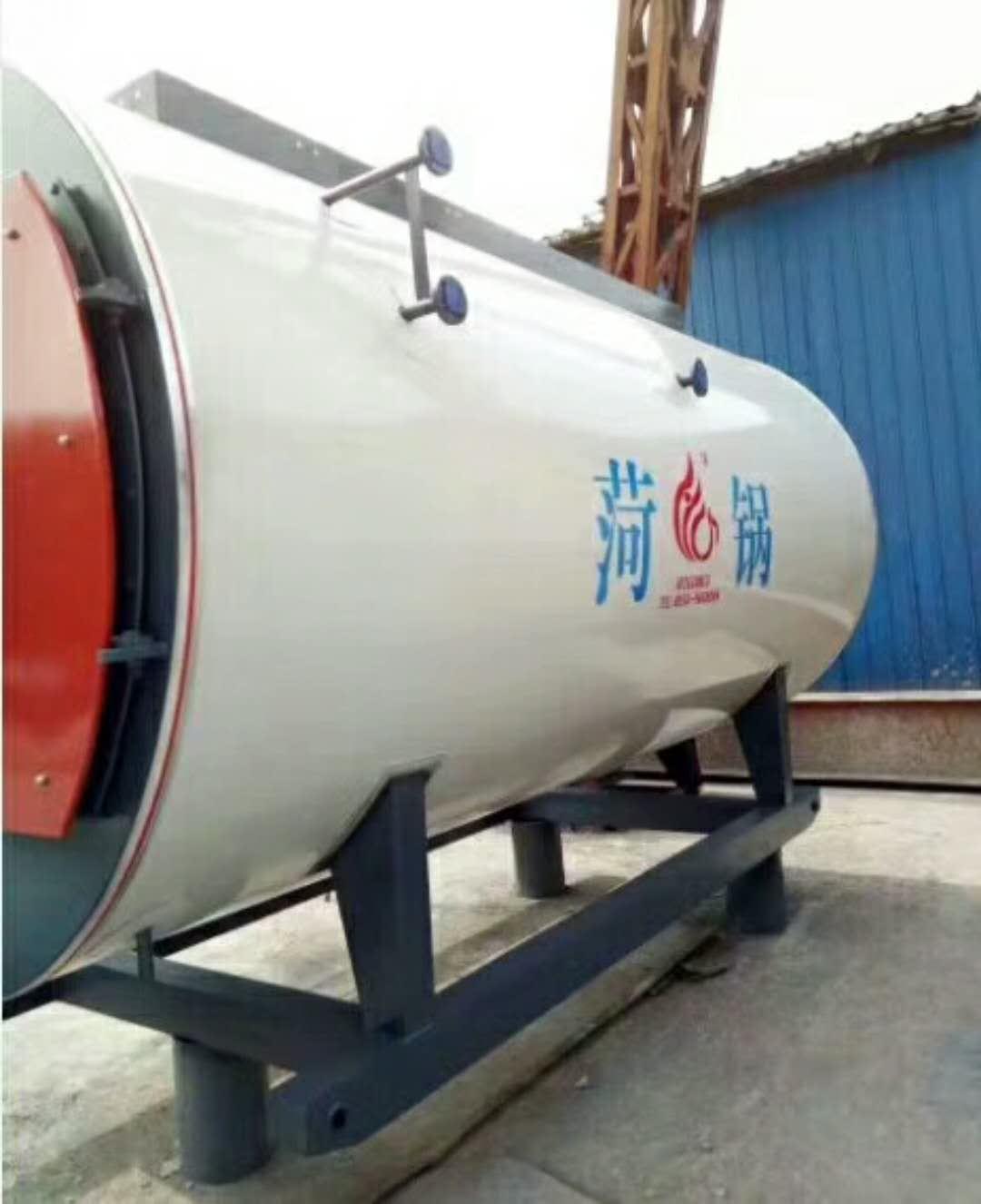
The reasons for the peak popularity of low-temperature liquid storage tanks in recent years are as follows:
Rising Demand: With the development of industries such as manufacturing and scientific research, the demand for low-temperature liquids is continuously increasing. Low-temperature liquid storage tanks can effectively store and supply liquefied oxygen, nitrogen, and other low-temperature liquids, meeting the needs of various fields.
Technical Advancements: In recent years, the manufacturing and material technologies for low-temperature liquid storage tanks have continuously improved and innovated. The application of new insulating materials, advanced refrigeration systems, and safety control devices has enhanced the performance and safety of the tanks, making them more reliable and secure.
Enhanced Environmental Awareness: Low-temperature liquid storage tanks can effectively store and utilize low-temperature liquids, reducing energy waste and environmental pollution. Amidst the rise in environmental awareness, low-temperature liquid storage tanks, as an environmentally friendly and energy-saving device, have gained more attention and application.
Emerging Application Fields: There is a growing demand for low-temperature liquid storage tanks in emerging application fields. For instance, the application of liquid nitrogen in frozen food, biopharmaceuticals, and semiconductor manufacturing is increasingly widespread, driving the development of low-temperature liquid storage tanks.
Policy Support: The government has provided support and encouragement for the development of low-temperature liquid storage tanks. Through policy guidance and financial support, the industry has been promoted and expanded.
In summary, the reasons for the peak popularity of low-temperature liquid storage tanks in recent years mainly include increasing demand, technological advancements, heightened environmental awareness, the development of new application areas, and policy support. These factors have collectively spurred the rapid growth of the low-temperature liquid storage tank industry.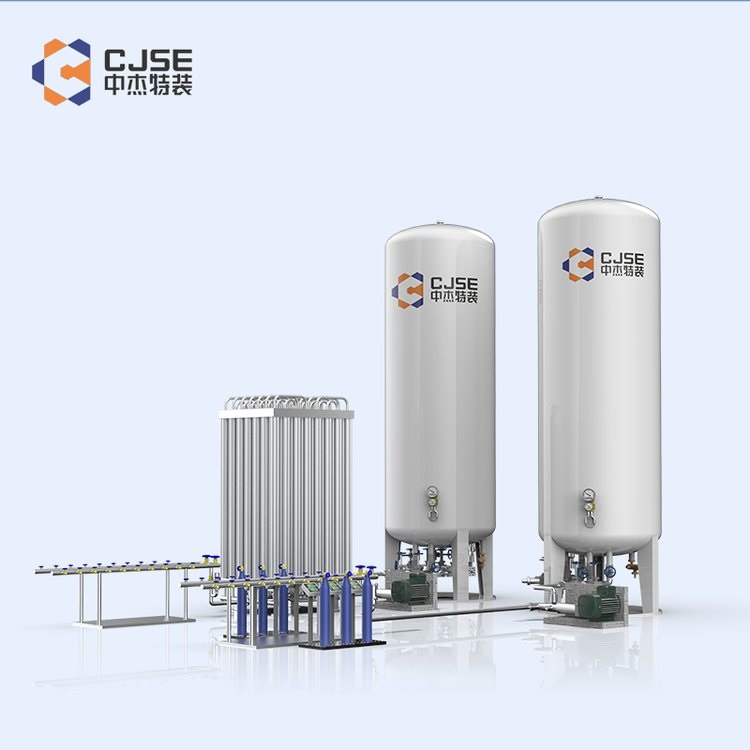
The manufacturing process for the heads and cylinders of low-temperature storage tanks typically includes the following steps:
Material Preparation: Select suitable materials, such as low-temperature alloy steel or stainless steel, based on design requirements and specifications. Inspect and verify the materials to ensure they meet quality standards.
Sheet Cutting: Sheets are cut to the specified dimensions and shapes. Common cutting methods include flame cutting, plasma cutting, or laser cutting, among others.
Bending and Shaping: Cut sheets are bent and shaped to form heads and cylindrical shapes. Common shaping methods include cold bending, hot bending, or hydraulic forming, etc.
Welding: The formed sheets are welded together to create the structural components of the head and cylinder. Common welding methods include manual arc welding, gas shielded welding, or laser welding, etc.
Weld Seam Treatment: Processes the weld seams after welding, such as sanding, polishing, or applying corrosion protection coatings, to enhance the quality and appearance of the seams.
Inspection and Acceptance: Conduct inspections and acceptances on the finished caps and cylinders to ensure their quality and compliance with design specifications. Common inspection methods include ultrasonic testing, radiographic testing, or liquid penetrant testing, etc.
Reinforcement and Support: As required, processing and installation of reinforcement and support on the heads and cylinders to enhance the structural strength and stability.
Surface Treatment: The heads and cylinders undergo surface treatment, such as applying anti-corrosion coatings, hot-dip galvanizing, or polishing, to enhance their corrosion resistance and aesthetic quality.
It's important to note that the manufacturing process for low-temperature storage tanks must comply with relevant standards and regulations to ensure the quality and safety of the production. During the manufacturing process, strict adherence to safety operation procedures and the implementation of necessary protective measures are essential to ensure the safety of the operators.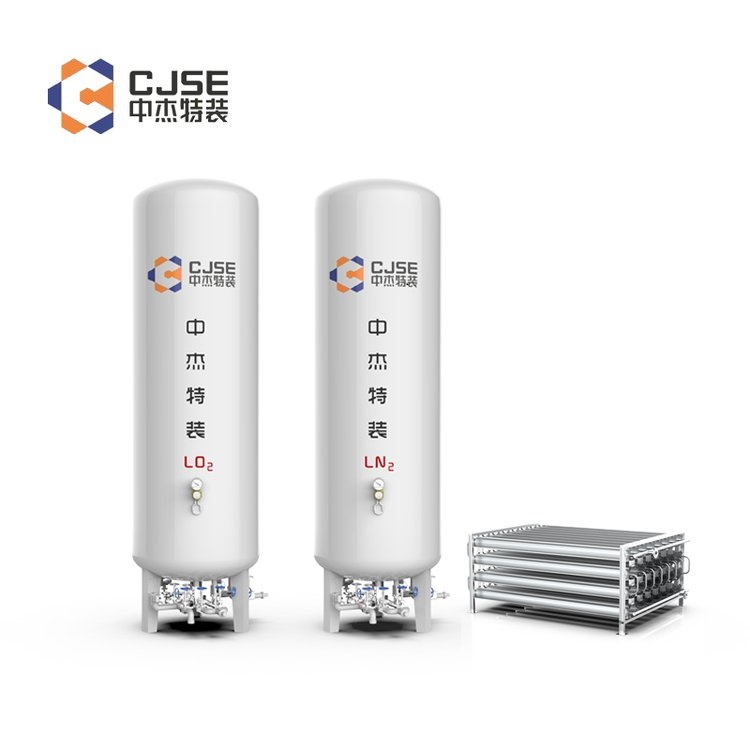
The oxygen-filling process for liquid oxygen tanks must adhere to specific operational procedures and safety measures. Here are the steps for filling liquid oxygen tanks:
Preparation: Ensure the tanks and oxygen-filling equipment are in good working condition, check the tank's seal integrity and the proper operation of the safety valves.
Connect equipment: Link the aeration equipment to the storage tank, ensuring the connection is sealed reliably.
Prepare liquid oxygen: Transfer liquid oxygen from the storage container to the oxygen storage tank of the filling equipment. During the transfer, be cautious to avoid any leakage or contact with the liquid oxygen.
Oxygen Filling Operation: Open the valve of the oxygen filling equipment and fill liquid oxygen into the storage tank. During the filling process, control the filling speed and pressure to prevent excessive pressure and temperature increase in the tank.
Monitoring and Control: During the aeration process, the tank's pressure and temperature must be monitored to ensure they remain within safe limits. In case of any anomalies, the aeration should be halted immediately and appropriate actions taken.
Oxygen Filling Completed: Close the valve of the oxygen filling equipment and cease the filling operation once the tank reaches the required oxygen content or pressure.
Safety Processing: After the aeration is completed, safety processing is required, including closing related valves and emptying the remaining liquid oxygen from the aeration equipment.
Note that liquid oxygen is highly oxidizing and flammable; the oxygen-filling process must strictly adhere to relevant safety operation procedures and standards. Operators should receive training and strictly follow the operational procedures and safety measures to ensure the safety and reliability of the oxygen-filling process.
Shandong Zhongjie Special Equipment, welcome customers to our factory for business discussions.
WeChat Official Account

Scan to follow Official Account



















