


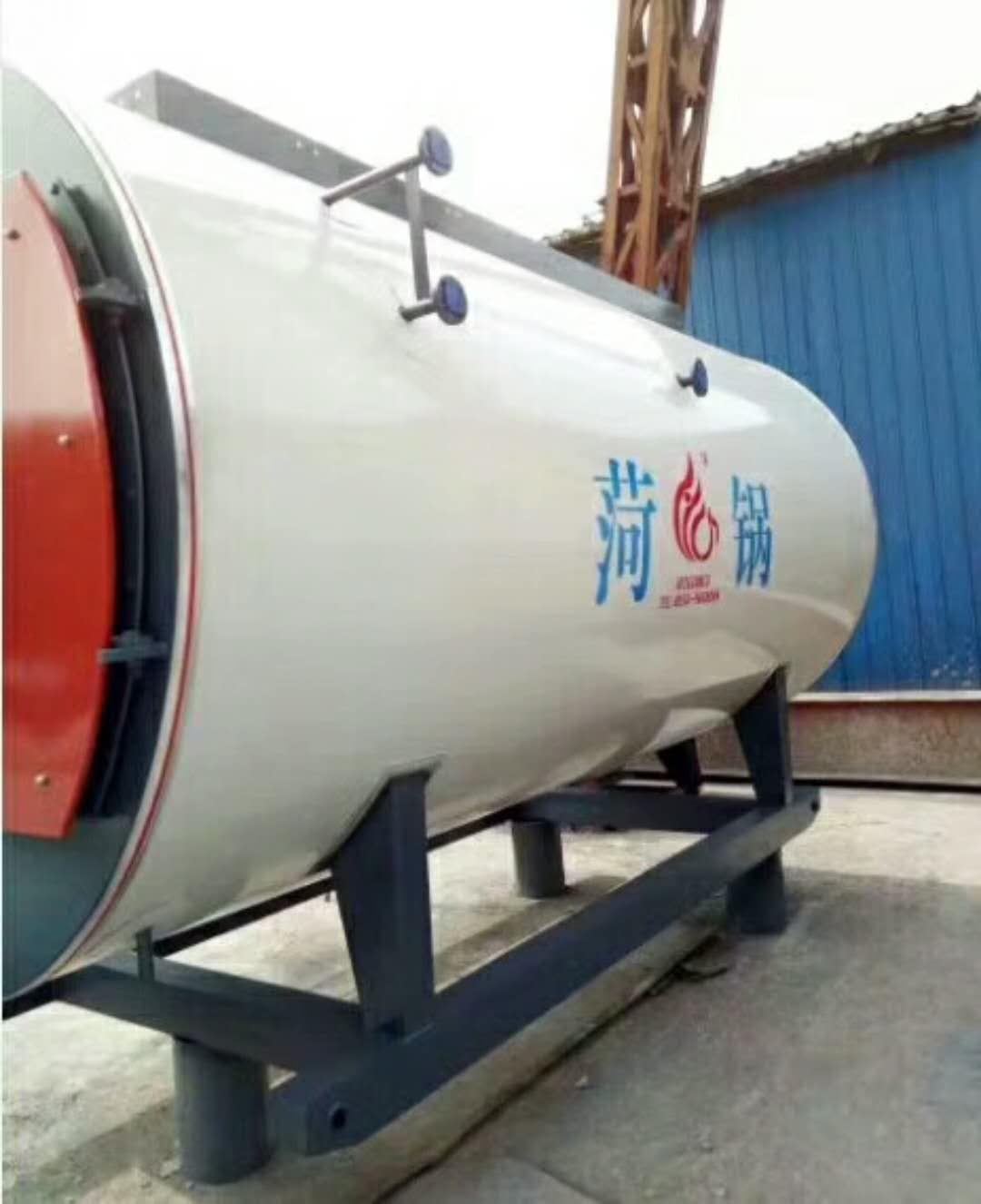

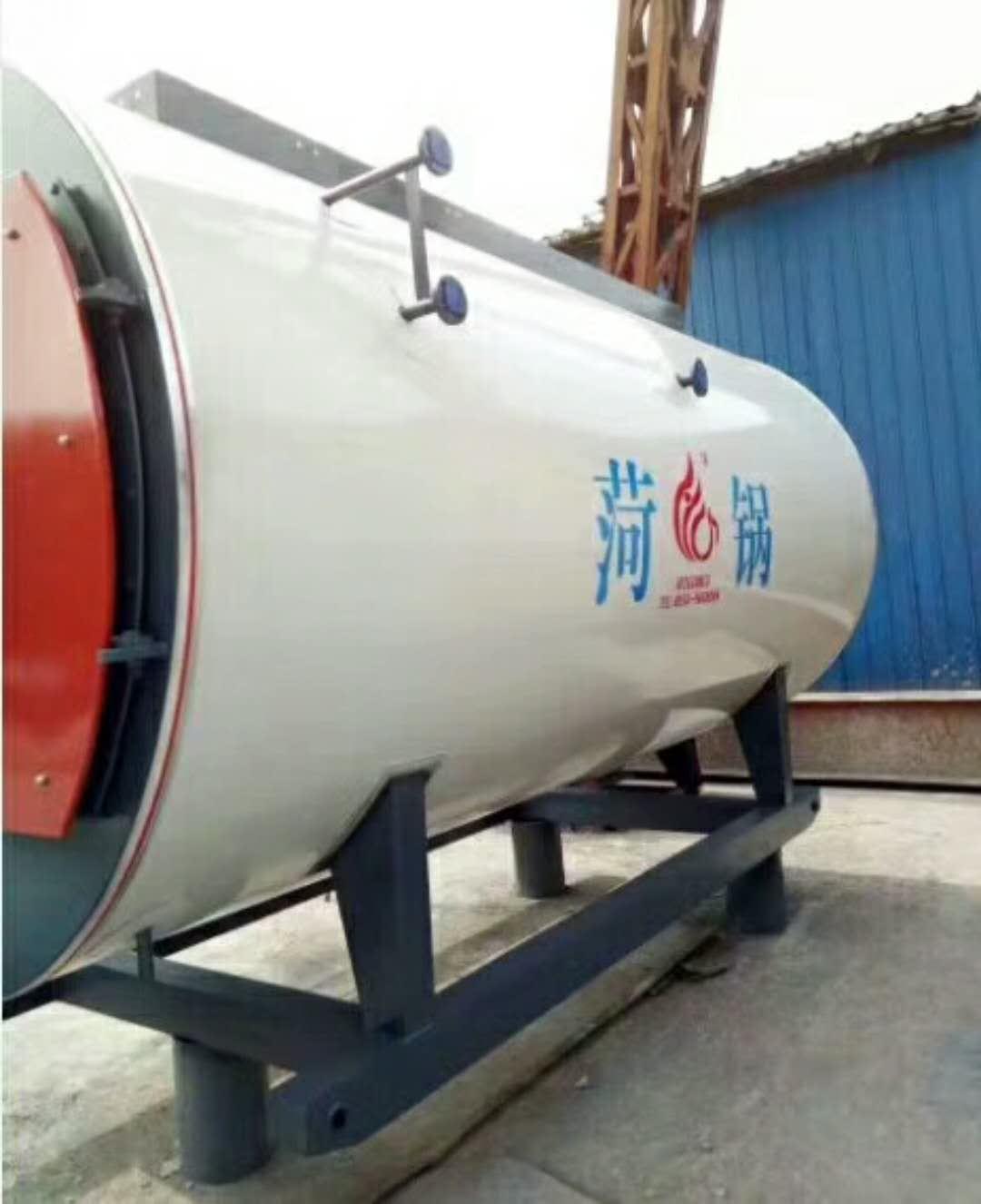
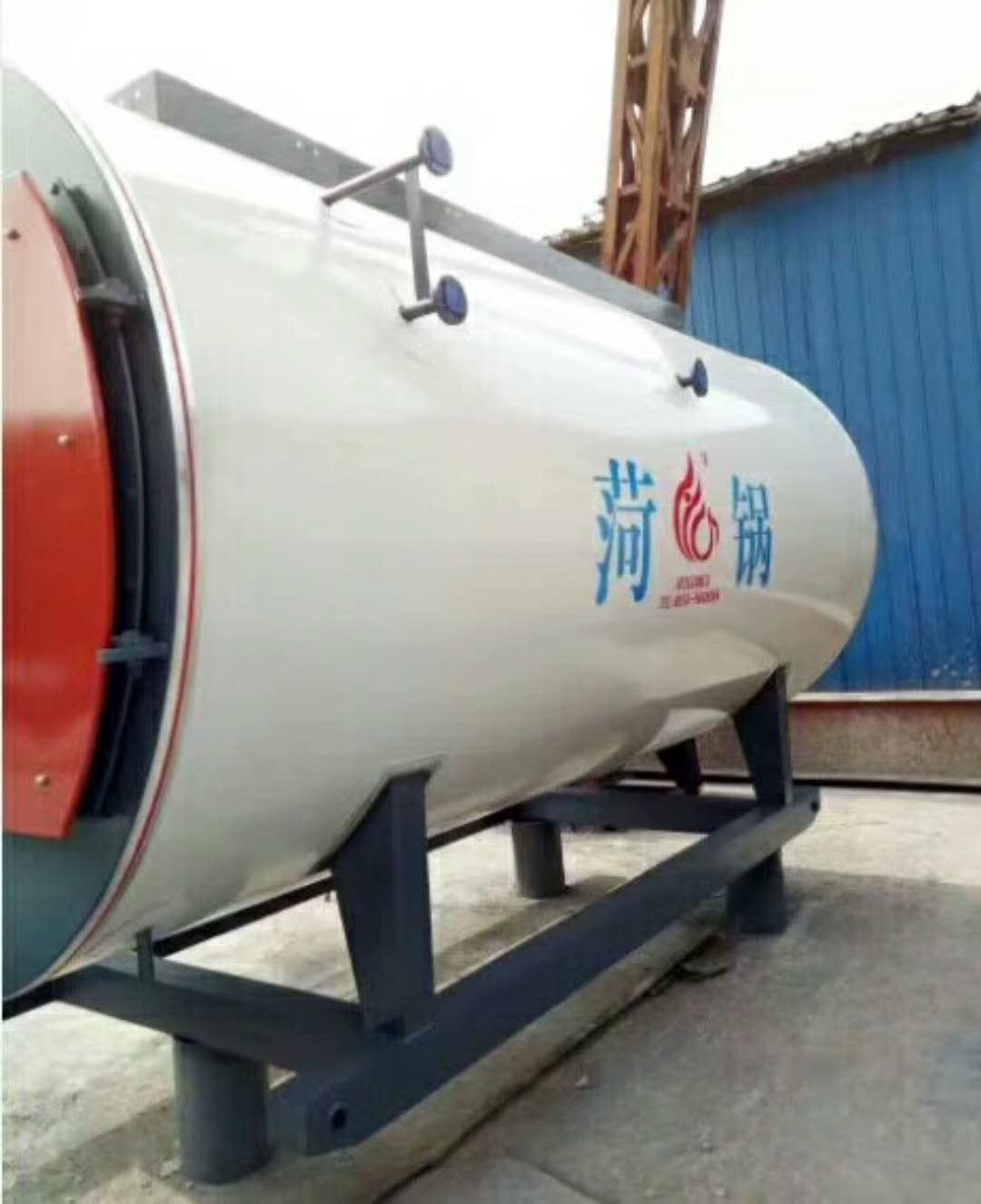


















Shandong Zhongjie Special Equipment (formerly Heze Boiler Factory Co., Ltd.) holds an A-grade boiler manufacturing license, A2-grade pressure vessel manufacturing license, A2-grade pressure vessel design license, B-grade boiler installation, and GB2/Class, GC2/Class pressure pipeline installation licenses, as well as an equipment and machinery installation contracting qualification. It is a member of the China Boiler and Water Treatment Association, the China Chemical Equipment Association, and the council member of the Shandong Equipment Manufacturing Association. The company has also passed certifications for the ISO9001 Quality Management System, ISO14001 Environmental Management System, OHSAS18001 Occupational Health and Safety Management System, and the American ASME/U2 certification.
Tanks are specialized storage equipment that requires regular inspections and maintenance to ensure safe operation. The following are common inspection methods for tanks:
Appearance Inspection: Regularly inspect the exterior of the storage tank for any leaks, corrosion, deformation, cracks, and other issues. Pay special attention to the integrity of the tank's interfaces, welds, and valves.
Pressure Test: Conduct pressure tests to check the tank's sealing performance and pressure resistance. Use a pressure gauge or pressure sensor to perform pressure tests on the tank to ensure it can withstand the designed pressure.
Ultrasonic Testing: Ultrasonic testing can be used to detect corrosion and cracks in storage tank walls. By scanning the tank with ultrasonic detection equipment, potential defects and issues are identified.
Magnetic Particle Inspection: Magnetic particle inspection is used to detect cracks in storage tank walls and the quality of welds. By applying magnetic particles to the surface of the tank and then using a magnetic particle inspection device to observe for particle accumulation, it can be determined if there are any cracks or weld issues.
Environmental Monitoring: Regularly monitor the surrounding environment of the storage tanks, including gas concentrations and temperature parameters, to ensure the safety of the surrounding environment.
Note that tank inspections should be conducted by a certified inspection agency or qualified inspectors. The frequency and methods of inspection should be determined based on the tank's usage, size, and relevant regulations. Regular inspections and maintenance can help identify potential issues early on, ensuring the safe operation of the tank.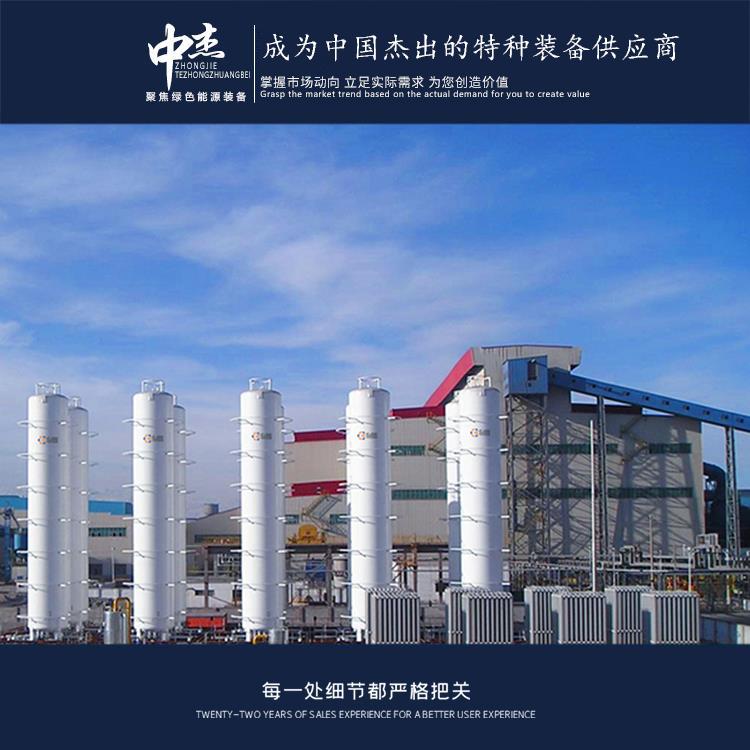
The testing and maintenance procedures for liquid oxygen storage tanks encompass the following aspects:
Visual Inspection: Conduct regular visual inspections of the liquid oxygen storage tank, checking for issues such as corrosion, wear, and leakage on the tank's surface, to ensure the tank's appearance remains intact.
Pressure Testing: Regular pressure tests of the liquid oxygen storage tank are conducted to assess the tank's pressure resistance. The tests should be carried out in accordance with relevant standards and regulations, ensuring the tank can withstand the designed working pressure.
Leak Detection: Conduct regular leak detection on liquid oxygen storage tanks, including using leak detection equipment to inspect the tanks, to ensure their sealing performance is good and no leakage issues are present.
Cleanliness and Coating Protection: Regularly clean and coat the liquid oxygen storage tank to prevent corrosion and oxidation. Use appropriate cleaning agents during cleaning and avoid substances that react with liquid oxygen. Protective coatings or coating agents can be applied for coating protection.
Regular Maintenance: Conduct regular maintenance on liquid oxygen tanks, including inspections and replacement of seals, valves, safety devices, etc., to ensure normal operation and safety reliability.
Safety Training and Operating Procedures: Conduct safety training for personnel using liquid oxygen storage tanks to ensure they are aware of the safe operating procedures and precautions, to prevent operational errors and accidents.
Documentation and Record Management: Establish test and maintenance records for liquid oxygen storage tanks, including test results, maintenance logs, and inspection records, for traceability and management purposes.
Note that the testing and maintenance of liquid oxygen storage tanks should be conducted by trained personnel, following the relevant safety operating procedures and standards. Additionally, a corresponding testing and maintenance plan should be developed based on the specific conditions and usage requirements of the tank, and executed as per the plan.
The oxygen-filling process for liquid oxygen tanks must adhere to specific operational procedures and safety measures. Here are the steps for filling liquid oxygen tanks:
Preparation: Ensure the tanks and oxygen-filling equipment are in good working condition, and check the tank's seal integrity and the proper functioning of the safety valves.
Connect equipment: Link the oxygenation equipment to the storage tank, ensuring a reliable seal at the connection point.
Prepare liquid oxygen: Transfer liquid oxygen from the storage container to the oxygen storage tank of the filling equipment. During the transfer, be cautious to avoid any leakage or contact with the liquid oxygen.
Oxygen Filling Operation: Open the valve of the oxygen filling equipment and fill liquid oxygen from the oxygen storage tank into the storage tank. During the filling process, control the filling speed and pressure to avoid excessive pressure and temperature rise in the storage tank.
Monitoring and Control: During the aeration process, the tank's pressure and temperature must be monitored to ensure they remain within safe limits. In case of any abnormalities, the aeration should be stopped immediately and appropriate measures should be taken.
Oxygen Filling Completed: Close the valve of the oxygen filling equipment and cease the filling operation once the tank reaches the required oxygen level or pressure.
Safety Handling: After oxygenation is complete, safety handling is required, including closing relevant valves and emptying any remaining liquid oxygen from the oxygenation equipment.
Note that liquid oxygen is highly oxidizing and flammable. The oxygen filling process must strictly adhere to relevant safety operating procedures and standards. Operators should receive training and strictly follow the operational procedures and safety measures to ensure the safety and reliability of the oxygen filling process.
During the degreasing process in high vacuum pipelines of low-temperature liquid storage tanks, the following steps can be taken:
Preparation: Ensure the cleanliness and readiness of the defatting equipment and tools. Check the pipeline system's connections and sealing, ensuring there are no leaks.
Pipe Cleaning: Clean pipes using suitable detergents and tools to remove surface dirt and grease. Methods may include mechanical brushing, high-pressure water jetting, or chemical cleaning.
De-greasing Treatment: Select an appropriate degreaser and inject it into the pipeline system. The degreaser can be an organic solvent or an alkaline solution, the specific choice depending on the pipeline material and type of dirt. Ensure that the degreaser thoroughly covers the interior pipeline wall and maintains a certain contact time.
Flush Pipeline: Drain the degreaser from the pipeline system and flush with clean water to remove any remaining degreaser and dirt. During the flushing process, high-pressure water or gas can be used for rinsing to ensure the cleanliness of the pipeline interior.
Drying Pipeline: Utilize drying equipment or ventilation systems to evaporate or exhaust moisture within the pipeline, ensuring the inner surface is dry. Drying can be achieved using hot air or nitrogen.
Inspection and Testing: After degreasing, inspect and test the pipeline to ensure cleanliness and seal integrity. Visual inspections, pressure tests, or other relevant tests can be conducted.
It's important to follow the relevant safety operating procedures and guidelines during the degreasing process of high vacuum pipelines for low-temperature liquid storage tanks. Ensure that the operators are equipped with the necessary safety awareness and operational skills to prevent any accidents.
Changjie Special Equipment adheres to the great vision of "realizing employees' dreams, creating value for customers, and striving for the prosperity and strength of our motherland," wholeheartedly committed to the development of green energy equipment. We dedicate products and services with high performance-to-price ratios to society!
WeChat Official Account

Scan to follow Official Account



















