


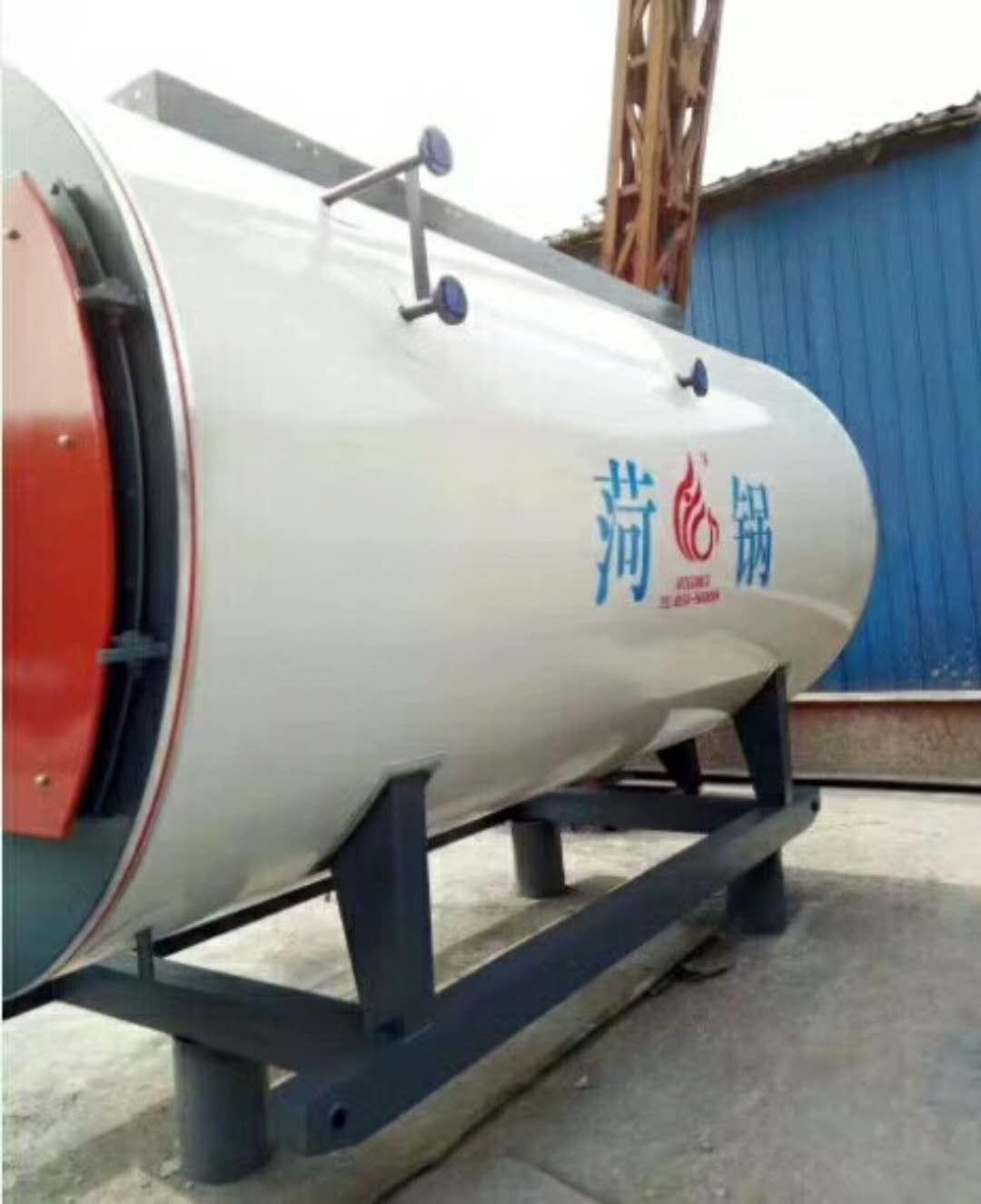

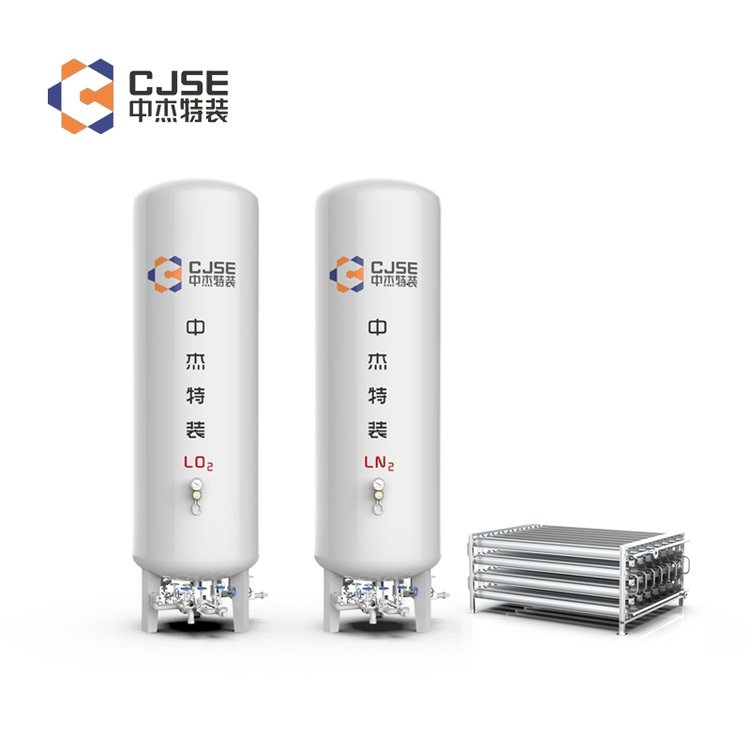
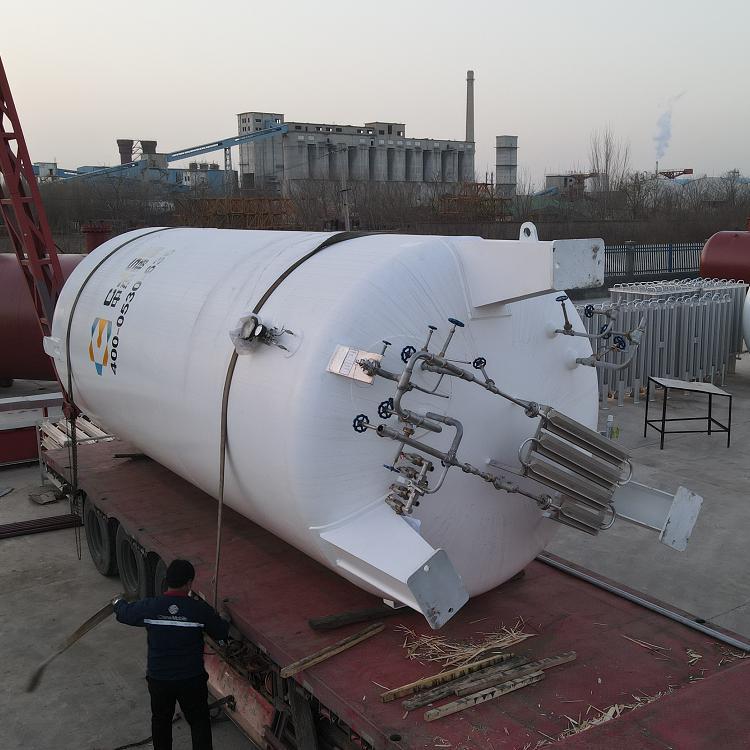


















Shandong Zhongjie Special Equipment (formerly Heze Boiler Factory Co., Ltd.) holds an A-grade boiler manufacturing license, an A2-grade pressure vessel manufacturing license, an A2-grade pressure vessel design license, a B-grade boiler installation license, and GB2/Class and GC2/Class pressure pipeline installation licenses, as well as a mechanical and electrical equipment installation contracting qualification. It is a member of the China Boiler and Water Treatment Association, the China Chemical Equipment Association, and the council unit of the Shandong Equipment Manufacturing Association. The company has also passed the ISO9001 Quality Management System, ISO14001 Environmental Management System, OHSAS18001 Occupational Health and Safety Management System certifications, and the American ASME/U2 certification.
Low-temperature liquid storage tanks feature the following characteristics and advantages for use:
Features:
Low-Temperature Storage: Low-temperature liquid storage tanks can store low-temperature liquids (such as liquid nitrogen, liquid oxygen, etc.) at low temperatures, maintaining their liquid state. Liquid storage significantly enhances storage density and saves space.
Insulation: The low-temperature liquid storage tanks are equipped with special insulation materials and structural design, effectively reducing heat conduction and maintaining a stable temperature for the low-temperature liquids. This helps minimize energy loss and liquid evaporation.
Safety: Low-temperature liquid storage tanks feature excellent safety performance. The tanks are made with special materials and structural design to withstand low temperatures and high-pressure environments. Additionally, the tanks are equipped with safety devices such as pressure relief valves and level alarms to ensure safe operation and use.
Usage Advantages:
High Purity Supply: Low-temperature liquid storage tanks can provide high-purity liquid substance supply. Through refrigeration and purification processes, high-purity liquid gases can be obtained to meet application requirements in industries such as industrial and scientific research.
Long-term Storage: Low-temperature liquid storage tanks are designed for long-term storage of low-temperature liquids, extending their service life. By controlling the temperature within the tank and the performance of the insulation layer, evaporation and oxidation of the liquid can be slowed down, maintaining its stability and purity.
Broad Applications: Low-temperature liquid storage tanks are widely used in various fields such as industrial, scientific research, and others. They can be used for storing liquid oxygen, providing oxygen supply; in the industrial field, they can store liquid gases (LNG) and liquid nitrogen, among other process gases; in the scientific research field, they can store low-temperature experimental samples, etc.
Environmental Protection and Energy Saving: Low-temperature liquid storage tanks enable efficient storage and utilization of low-temperature liquids, reducing energy waste and environmental pollution. Storage of liquid substances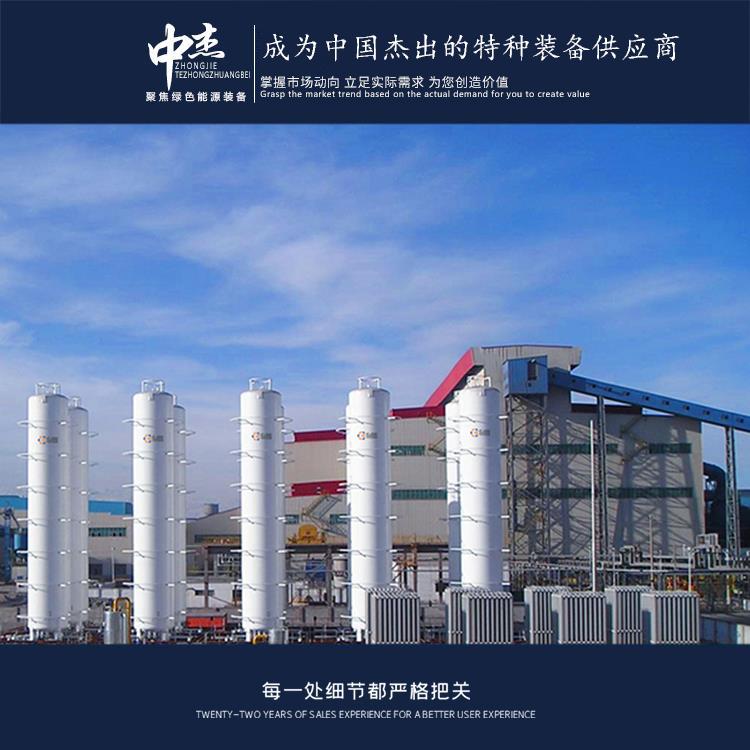
The oxygen-filling process for liquid oxygen tanks must adhere to specific operational procedures and safety measures. Here are the steps for filling liquid oxygen tanks:
Preparation: Ensure the tank and oxygen-filling equipment are in good working condition, check the tank's sealing and the proper functioning of the safety valve.
Connect equipment: Link the oxygenation equipment to the tank, ensuring a secure and sealed connection.
Prepare liquid oxygen: Transfer liquid oxygen from the storage container to the oxygen storage tank of the oxygenation equipment. During the transfer, be cautious to avoid leaks and contact with liquid oxygen.
Oxygen Filling Operation: Open the valve of the oxygen filling equipment and fill liquid oxygen from the oxygen storage tank into the storage tank. During the filling process, control the filling speed and pressure to avoid excessive pressure and temperature rise in the storage tank.
Monitoring and Control: During the aeration process, it is necessary to monitor the tank's pressure and temperature to ensure they remain within safe limits. In the event of any anomalies, the aeration should be stopped immediately and appropriate actions taken.
Oxygen Filling Completed: Close the valve of the oxygen filling equipment and stop the filling operation once the tank reaches the required oxygen level or pressure.
Safety Handling: After oxygenation is complete, safety handling is required, including closing relevant valves and emptying the remaining liquid oxygen from the oxygenation equipment.
Note that liquid oxygen is highly oxidizing and flammable; the oxygen-filling process must strictly adhere to relevant safety operation procedures and standards. Operators should receive training and strictly follow the operational procedures and safety measures to ensure the safety and reliability of the oxygen-filling process.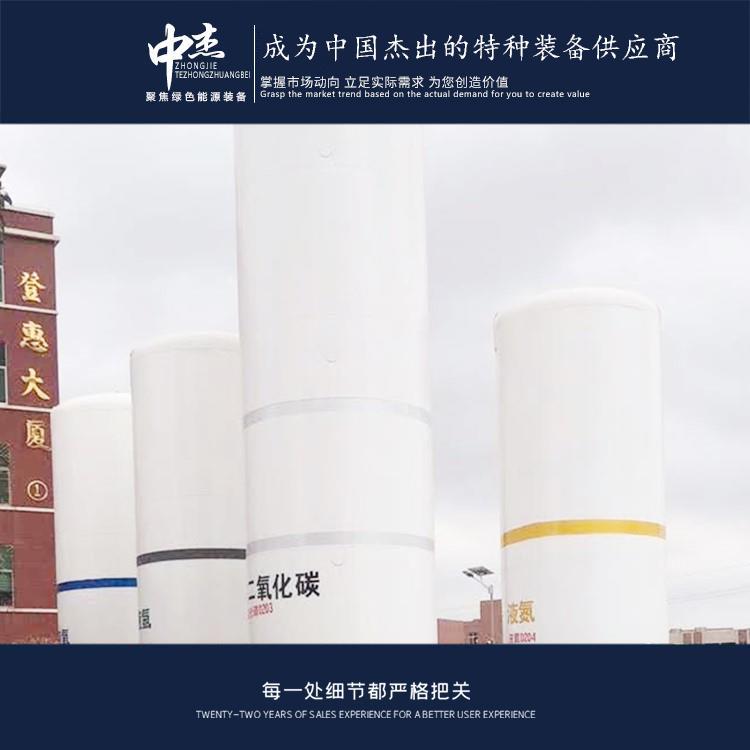
Nitrogen purge in liquid nitrogen tanks refers to the injection of nitrogen gas into the tank to increase the nitrogen concentration and pressure inside, in order to meet certain safety requirements and operational objectives. Here are some precautions to consider when nitrogen purging in liquid nitrogen tanks:
Safe Operation: Prior to nitrogen charging operations on liquid nitrogen tanks, it is mandatory that operators possess relevant safety knowledge and skills. Operators should wear appropriate personal protective equipment, such as safety goggles, gloves, and protective clothing.
Nitrogen Quality: Utilize high-purity nitrogen for nitrogen blanketing to ensure its quality and purity. Low-purity nitrogen may contain impurities or oxygen, which could adversely affect the liquid nitrogen within the storage tank.
Nitrogen flushing speed control: During the nitrogen flushing process, the speed should be controlled to avoid being too fast or too slow. Too fast a flushing speed can lead to excessive internal pressure in the storage tank, while too slow a flushing speed can result in extended flushing time.
Pressure Monitoring: During the nitrogen filling process, the internal pressure of the tank should be regularly monitored. Ensure the tank's internal pressure remains within the safe range and adjust as necessary.
Temperature Control: During the nitrogen charging process, attention should be paid to controlling the temperature of the storage tank. The low temperature of liquid nitrogen can lead to condensation and dew on the tank and pipelines. Appropriate measures, such as heating or insulation, should be taken to prevent condensation and dew from occurring.
Post-nitrogen flushing treatment: After the nitrogen flushing operation is completed, the flushing unit should be promptly turned off, and the tank should be inspected and cleaned. Ensure that there is no residual nitrogen or impurities inside the tank.
Note: Nitrogen charging operations for liquid nitrogen tanks must strictly adhere to relevant safety standards.
The installation of the safety valve on the liquid oxygen tank is a critical component to ensure the tank can release pressure in a timely manner during overpressure situations, protecting the tank and related equipment. Below are the steps for installing the safety valve on the liquid oxygen tank:
Confirm the rated pressure of the safety valve: Select an appropriate safety valve based on the design pressure and flow requirements of the liquid oxygen storage tank. Ensure that the rated pressure of the safety valve meets the tank's specifications and complies with relevant safety standards and regulations.
Valve Installation Location Selection: Choose a suitable location for installing the safety valve. Typically, the safety valve should be mounted on the top or side of the liquid oxygen storage tank to ensure timely pressure release in case of overpressure conditions.
Ready for installation interfaces: Prepare the corresponding interfaces based on the type of safety valve connection. This may include welding joints, threaded joints, or flange joints, etc. Ensure the sealing integrity and secure connection of the interfaces.
Install the safety valve: Mount the safety valve onto the prepared interface. Follow the installation instructions for the safety valve to ensure proper connection and tightening.
Adjustment and Testing: After installation, adjust and test according to the requirements of the safety valve. Ensure that the opening and closing pressures of the safety valve meet the design specifications, and conduct a leak test to ensure its sealing.
Connect exhaust pipes: The exhaust pipe of the safety valve should be properly connected to the outlet of the safety valve. The exhaust pipe should have sufficient diameter and flow capacity to ensure effective exhaust of overpressure gas when the safety valve is opened.
Identification and Record Keeping: Label safety valves and discharge pipes with relevant information such as rated pressure, flow rate, and installation date. Additionally, document the installation details and test results of the safety valves for future reference and maintenance.
When installing the liquid oxygen storage tank safety valve, it is imperative to adhere to the relevant safety regulations and operational guidelines. If you lack the necessary experience and knowledge, it is advisable to seek assistance and guidance from a professional to ensure the correct installation and reliable operation of the safety valve.
Zhongjie Special Equipment upholds the grand vision of "realizing employees' dreams, creating value for customers, and striving for the prosperity and strength of our motherland," and is dedicated to the development of the green energy equipment industry. We offer society high-quality products and services at competitive prices!
WeChat Official Account

Scan to follow Official Account



















