


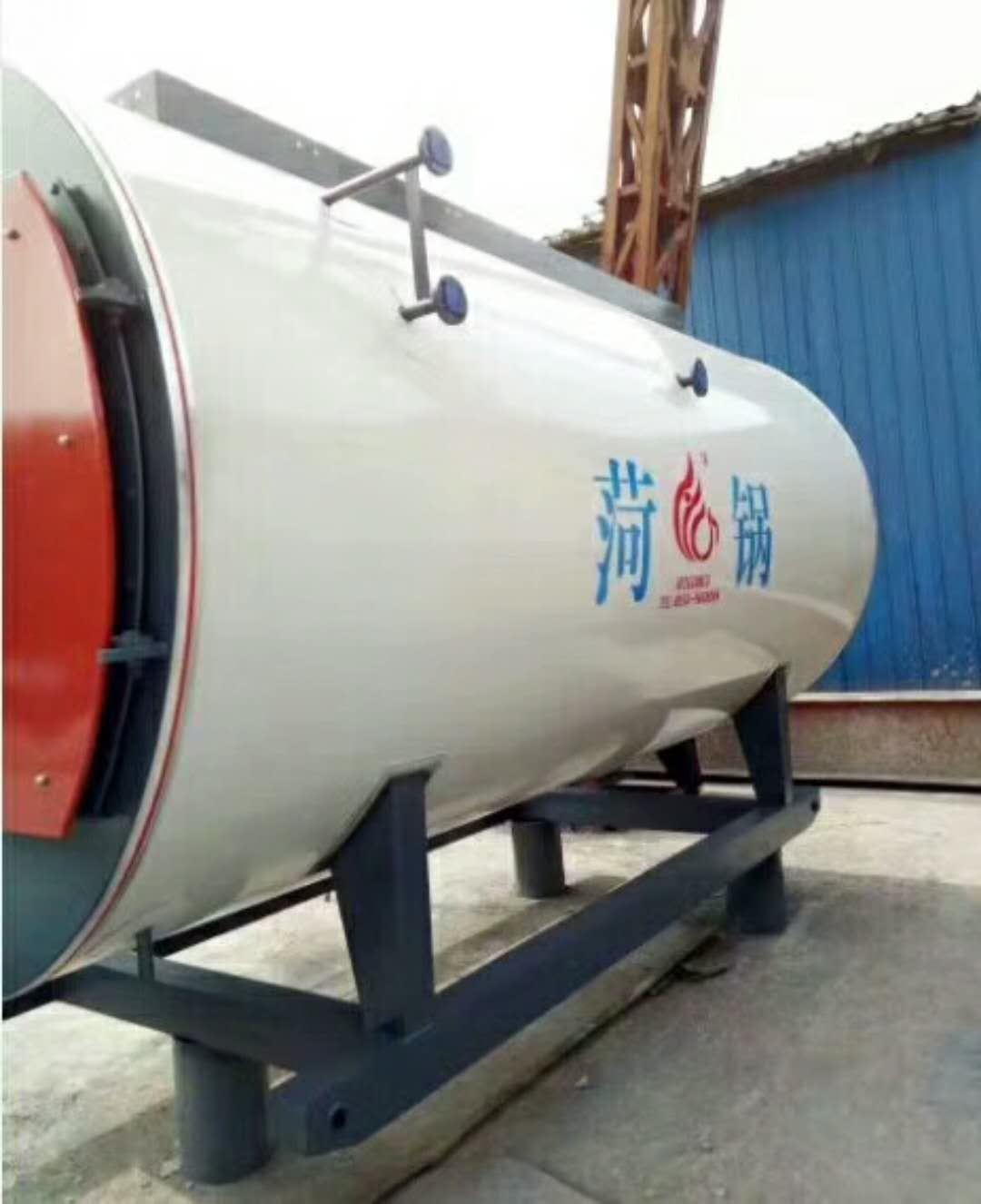

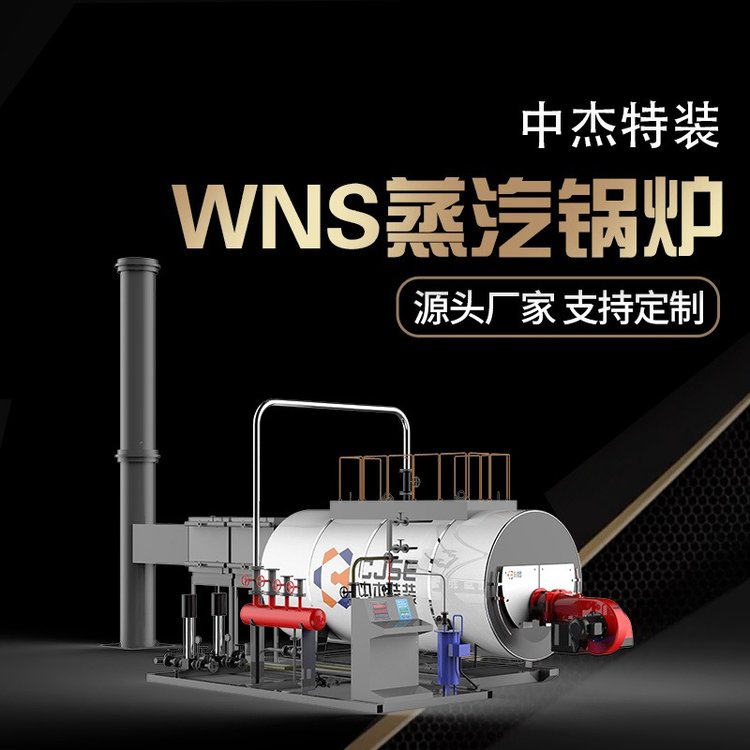
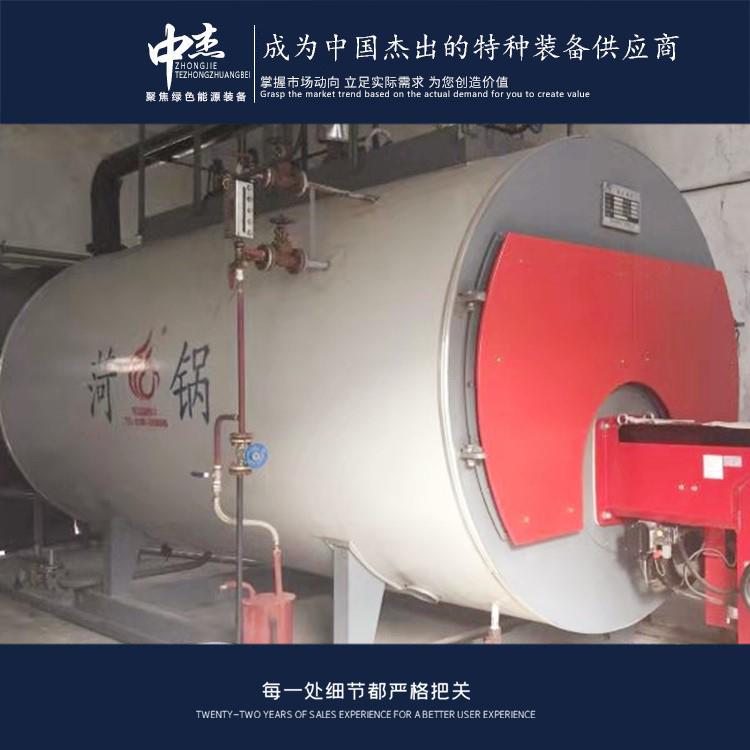


















Shandong Zhongjie Special Equipment (formerly Heze Boiler Factory Co., Ltd.) was established in 2001, located at No. 2218 Jinnan Road, Development Zone, Heze City, with a registered capital of 50 million yuan and total assets of 500 million yuan. The company has 7 business centers: boilers, deep-freeze containers, pressure vessels, central air conditioning, engineering installation, international trade, and Internet of Things. It has three factory sites on Jinnan Road, East Changjiang Road, and Bohai Road, covering a total of 200,000 square meters, with the main workshop spanning 83,000 square meters. It currently employs 710 people, including 247 engineers and technicians and 82 intermediate-level technical personnel. In December 2016, it was recognized as a "High-tech Enterprise" by the Science and Technology Department. In June 2021, it was identified as a "Specialized and New Enterprise in Shandong Province" by the Ministry of Industry and Information Technology. In June 2022, it was recognized as a "Gazelle Enterprise in Shandong Province" and in August 2022, it was identified as a "Specialized and New Small Giant Enterprise" by the Ministry of Industry and Information Technology.
The inspection of heat-conducting oil boiler tube plates is to ensure the safe operation of the boiler and to prevent potential issues. Below are the general steps for inspecting heat-conducting oil boiler tube plates:
Visual Inspection: Conduct a visual inspection to check for any obvious corrosion, cracks, deformation, or other anomalies on the tube plate surface. Pay special attention to inspect for cracks or leaks at the welds and joints.
Cleaning the Tube Plate: Clean the surface of the tube plate thoroughly, removing dirt and deposits to facilitate inspection.
Ultrasound Testing: Use ultrasound testing equipment to inspect the tube plates to detect any possible cracks or other defects. Ultrasound testing helps determine the integrity and reliability of the tube plates.
Pressure Testing: Perform a pressure test to verify the sealing and pressure resistance of the tube plates. During the test, gradually increase the pressure, observe for any leakage, and ensure the tube plates can withstand the design pressure.
Tube Plate Thickness Measurement: Use an ultrasonic thickness gauge to measure the thickness of the tube plates to determine if the thickness meets the design requirements. Pay particular attention to the corrosion situation of the tube plates, ensuring they are within a safe range.
Weld Inspection: Inspect the welds of the tube plates to ensure the quality of the welds meets relevant standards and specifications. Check for the integrity of the welds, the quality of the welds, and whether the welding process meets requirements.
Documentation and Reporting: Document and report the inspection results of the tube plates, including any issues found, remedial measures, and recommendations. These records and reports can serve as references for subsequent maintenance and management.
It is important to note that the inspection of heat-conducting oil boiler tube plates should be carried out by qualified personnel and conducted strictly in accordance with relevant standards and specifications. If any issues or anomalies are identified, appropriate repair and maintenance measures should be taken promptly to ensure the safe operation of the boiler.
The Zhongjie Portable Heat Transfer Oil Furnace is a common industrial thermal energy equipment featuring the following product characteristics: High thermal efficiency: The Zhongjie Portable Heat Transfer Oil Furnace utilizes advanced combustion technology and heat exchanger design, effectively transferring the heat energy generated by fuel combustion to the heat transfer oil, achieving energy utilization and improving thermal efficiency. Stable and reliable: Made with materials and precision manufacturing processes, the furnace boasts excellent high-temperature resistance and stable operational status, ensuring long-term stable operation with high reliability. Temperature control: Equipped with a temperature control system, the Zhongjie Portable Heat Transfer Oil Furnace can monitor and adjust the temperature of the heat transfer oil in real time, guaranteeing temperature accuracy and stability during the process. Multiple safety protection devices: The furnace is equipped with multiple safety features such as overheat protection, pressure protection, and burner fault protection, effectively preventing accidents. Additionally, the furnace uses clean combustion technology, resulting in minimal emissions and environmental friendliness. Easy operation: The Zhongjie Portable Heat Transfer Oil Furnace features an intelligent control system with a user-friendly interface and convenient parameter adjustment, making operation simple and reducing the difficulty and labor costs associated with operation. Overall, the Zhongjie Portable Heat Transfer Oil Furnace is characterized by stability and reliability, suitable for various industrial fields such as chemicals, textiles, and food processing, providing users with reliable thermal energy supply and process temperature control.
Converting a standard boiler to a gas boiler can significantly enhance energy utilization efficiency and energy-saving effects. Here's some insight into the energy-saving efficiency of switching to a gas boiler:
- High combustion efficiency: Gas boilers use gas as fuel, typically with higher combustion efficiency. Compared to traditional coal or oil-fired boilers, gas boilers can achieve a higher combustion efficiency, reducing energy waste.
- Low emissions: The exhaust emissions during the combustion process of gas boilers are relatively low, causing less environmental pollution. The combustion technology and emission control devices commonly used in gas boilers can effectively reduce emissions of harmful substances such as nitrogen oxides.
- Fast startup and shutdown: Gas boilers can start and stop quickly, allowing for flexible adjustments based on actual needs. Compared to coal-fired boilers, gas boilers have shorter startup and shutdown times, avoiding prolonged preheating and cooling processes, and reducing energy waste.
- High thermal efficiency: Gas boilers usually have high thermal efficiency, achieving a high level of heat energy conversion. The heat exchange technology and energy-saving design used in gas boilers maximize the use of the heat energy from gas, enhancing heating performance.
- Intelligent control and management: Gas boilers are often equipped with intelligent control systems that can automatically adjust operating conditions based on actual needs. Through control and regulation, gas boilers can achieve stable heating and avoid unnecessary energy waste.
- It is important to note that switching to a gas boiler requires considering the reliability and safety of the gas supply, as well as the suitability and installation requirements of the gas boiler. Before making the conversion, it is recommended to consult engineers or relevant agencies to ensure
To extend the service life of steam boilers, the following measures can be taken:
Regular maintenance: Conduct regular maintenance on the boiler, including cleaning the burner, flue, and heat exchanger, inspecting and replacing worn parts, to ensure normal operation and efficiency.
Water quality control: Maintain good water quality in the boiler to prevent scale and corrosion from damaging the boiler. Regularly test water quality and take appropriate water treatment measures based on test results, such as descaling and replenishing missing chemicals.
Control the combustion process: Reasonably control the combustion process to ensure the normal operation and efficiency of the burner. Regularly check the working condition of the burner, adjust combustion parameters, and avoid overheating or underheating issues.
Regularly clean flues and heat exchangers: Regularly clean the flues and heat exchangers to remove accumulated dust and dirt, maintain heat exchange efficiency, and avoid overheating and energy loss.
Regularly inspect safety devices: Regularly inspect the safety devices of the boiler, including safety valves, pressure switches, and water level controllers, to ensure normal operation and guarantee safe boiler operation.
Keep records and monitor: Record the operating parameters, maintenance records, and fault conditions of the boiler, regularly monitor and analyze them, and promptly identify and address problems.
Train operators: Ensure that operators have sufficient knowledge of boiler operation and maintenance, operate and maintain the boiler correctly, and avoid damage caused by operation errors and improper maintenance.
Regularly perform inspections: Based on the boiler's usage and the manufacturer's recommendations, regularly perform major repairs and inspections, replace worn-out components, and extend the service life of the boiler.
These measures can help extend the service life of steam boilers, but please note that for safety and effectiveness, maintenance and inspections should be performed by qualified personnel.
Shandong Zhongjie Special Equipment, welcome customers to visit our factory for business talks.
WeChat Official Account

Scan to follow Official Account



















