


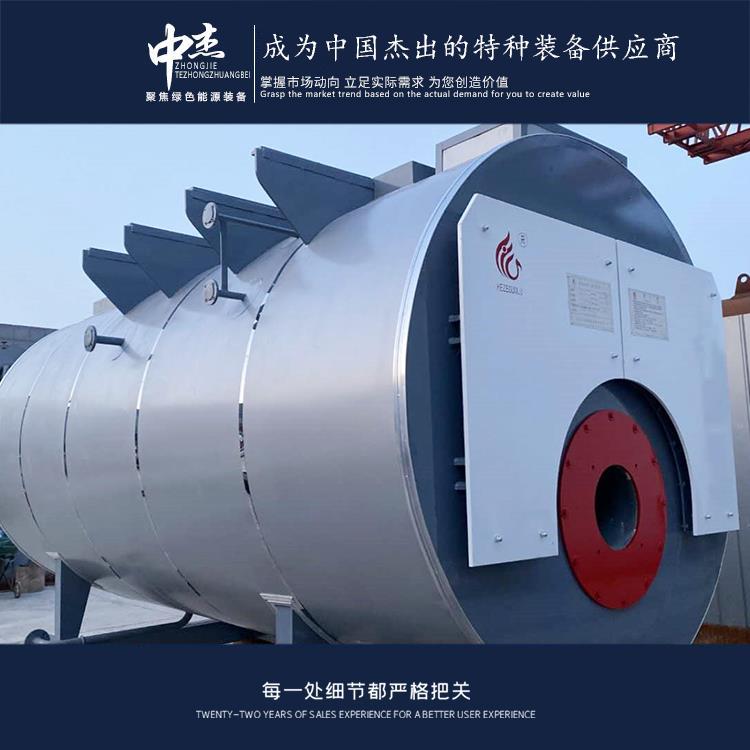

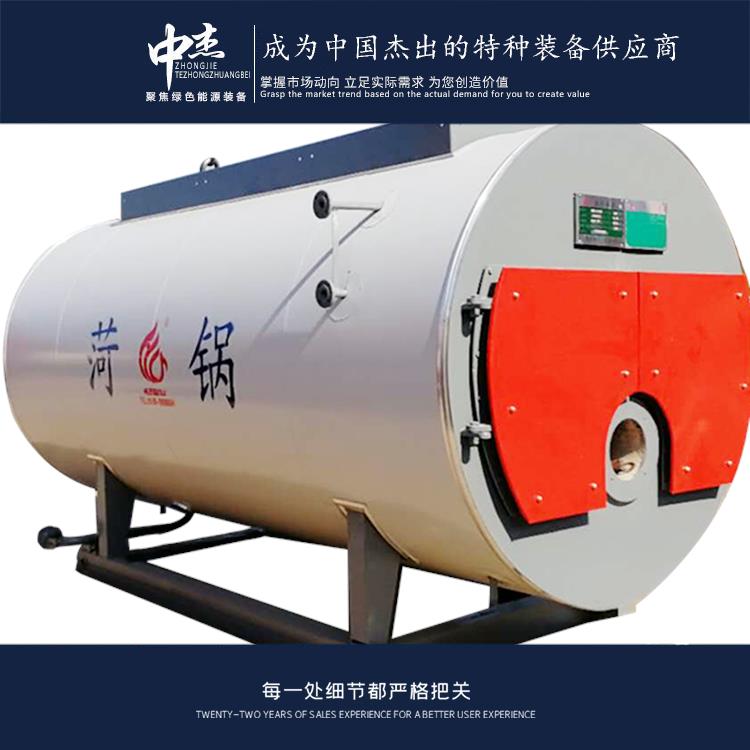
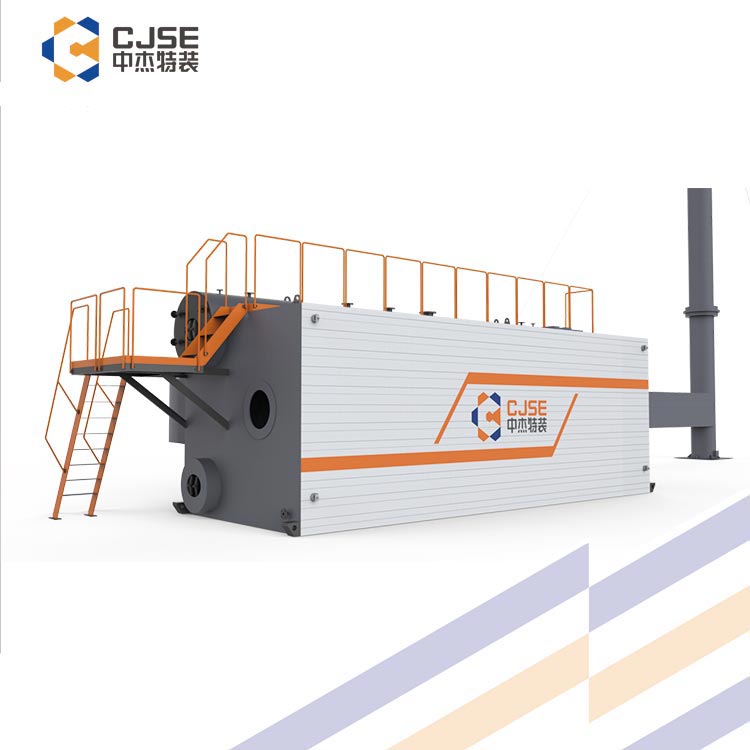


















Shandong Zhongjie Special Equipment (formerly Heze Boiler Factory Co., Ltd.) holds an A-grade boiler manufacturing license, an A2-grade pressure vessel manufacturing license, an A2-grade pressure vessel design license, a B-grade boiler installation license, and GB2/GB3-grade pressure pipeline installation licenses, as well as a qualification for electromechanical equipment installation contracts. It is a member of the China Boiler and Water Treatment Association, the China Chemical Equipment Association, and a board member of the Shandong Equipment Manufacturing Association. The company has also passed certifications for the ISO9001 Quality Management System, ISO14001 Environmental Management System, OHSAS18001 Occupational Health and Safety Management System, and the U.S. ASME/U2 certification.
The flow rate standard for thermal oil in the oil tubes of a thermal oil furnace typically varies according to specific applications and equipment requirements, without a unified fixed value. Generally, the flow rate of thermal oil within the oil tubes should be maintained within a reasonable range to ensure proper equipment operation and heat transfer efficiency. Excessive flow rates of thermal oil can lead to issues such as increased system pressure loss, higher pump power consumption, increased pipeline friction loss, resulting in energy loss, and increased system noise and vibration. Low flow rates of thermal oil can cause problems like insufficient heat transfer, affecting equipment thermal efficiency, prolonged residence time of thermal oil in the pipeline, leading to oxidation and thermal decomposition, reducing the lifespan of the thermal oil, and the formation of scale in the pipeline, increasing resistance and affecting fluid flow. Therefore, when designing and operating a thermal oil furnace system, it is necessary to consider specific equipment parameters, the properties of the thermal oil, and pipeline layout factors to determine an appropriate flow rate. Typically, the flow rate should be within the range of 0.5-2.0 m/s, but the specific value should be adjusted and optimized based on actual conditions. In practice, flow rate control can be achieved by monitoring and adjusting the pump flow rate and pipeline resistance to meet the thermal energy demands and operational requirements of the equipment.
The importance of energy-saving in steam boilers is significant for the following reasons: Energy Costs: Steam boilers typically use fuels (such as coal, gas, oil, etc.) to generate steam, with energy costs accounting for a substantial portion of the boiler's operational expenses. Energy-saving measures can reduce energy consumption and lower costs. Environmental Protection: The combustion process of steam boilers produces exhaust gases and dust, polluting the environment. Energy-saving can decrease fuel consumption and reduce emissions, having a positive impact on environmental protection. Sustainable Development: Energy-saving is one of the key aspects of sustainable development. By reducing energy consumption and extending the boiler's lifespan, resources can be conserved and waste minimized, contributing to sustainable practices. Measures for energy-saving include: Improving Boiler Thermal Efficiency: Enhancing the boiler's combustion system, optimizing combustion parameters, and increasing heat exchange efficiency can raise the boiler's thermal efficiency, reducing energy waste. Heat Recovery Utilization: Employing heat recovery systems to capture and utilize the excess heat from the flue gases emitted by the boiler, which can be used for heating water or other processes requiring heat, thus improving energy utilization efficiency. Application of Energy-Saving Equipment: Using energy-saving equipment like variable-frequency drives, energy-saving burners, and heat pumps can lower energy consumption and enhance efficiency.
The decline in the consumption of thermal oil boilers can be attributed to several factors:
1. Combustion Technology: Modern thermal oil boilers utilize advanced combustion techniques, such as premixed combustion and afterburning, to ensure complete fuel combustion, enhance thermal energy utilization, and thereby reduce energy consumption.
2. Heat Recovery: Thermal oil boilers often generate a significant amount of excess heat during flue gas emissions. By employing heat recovery systems like flue gas heat recovery boilers or flue gas heat exchangers, the excess heat can be recovered and utilized, improving energy efficiency and reducing consumption.
3. Intelligent Control Systems: Contemporary thermal oil boilers are equipped with intelligent control systems capable of real-time monitoring and adjustment of operating parameters such as temperature, pressure, and flow. This control and regulation ensure optimal boiler operation, preventing energy waste and loss.
4. Energy-saving Retrofitting and Optimization: For older thermal oil boilers, energy-saving retrofitting and optimization can be performed. This includes installing energy-saving equipment like variable-frequency drives and modified burners to enhance energy efficiency. Additionally, optimizing the boiler system, such as improving pipe insulation and reducing leaks, can further reduce energy loss.
5. Energy Management and Maintenance: Effective energy management and regular equipment maintenance are crucial factors in reducing energy consumption. Rational energy management measures, such as energy monitoring, metering, and fostering energy-saving awareness, can identify and resolve energy waste issues. Regular equipment maintenance ensures smooth operation and prevents unnecessary energy loss.
In summary, the decline in consumption of thermal oil boilers can be achieved through combustion technology, heat recovery, intelligent control, energy-saving retrofitting, and effective energy management.
To optimize and improve the planning of gas boiler systems, consider the following aspects:
1. Energy Audit and Assessment: Conduct a comprehensive energy audit and assessment to understand the energy consumption of the gas boiler system and identify potential energy-saving opportunities. Through data analysis and energy measurement, determine the main sources of energy consumption and bottlenecks, providing a basis for subsequent optimization.
2. Combustion System Optimization: Optimize the combustion system of the gas boiler, including adjustments and cleaning of burners, control of the ratio of gas to air, and maintenance of the combustion chamber. Ensure high combustion efficiency and gas utilization, reducing energy waste.
3. Heat Recovery Utilization: Consider installing heat recovery devices such as waste heat recovery units or flue gas heat exchangers. These devices can utilize the excess heat from the flue gas emitted by the gas boiler to heat water or other equipment requiring heat, improving energy efficiency.
4. Pipe Insulation and Leak Inspection: Ensure that the insulation of gas and hot water pipes is effective to reduce energy loss. Regularly inspect for pipe leaks and repair them promptly to avoid energy waste and safety hazards.
5. Control System Upgrade: Consider upgrading the control system of the gas boiler to adopt automated control technology. Through control and adjustment, achieve optimal operation of the gas boiler.
Our company places great emphasis on technological innovation and R&D, boasting one municipal-level enterprise technology center in Heze City. We have established testing facilities for non-destructive testing, physical and chemical testing, welding testing, hydrostatic testing, and more. We are equipped with over 600 various instruments and equipment, including CNC machine tools, X-ray flaw detectors, digital ultrasonic flaw detectors, mechanical property testing machines, chemical analyzers, spectrometers, tensile testing machines, plasma welding machines, and others. The key products and technologies we have developed, such as welding for temperature and pressure vessels, biomass boiler emission reduction, and waste heat utilization, have successively been selected for multiple Shandong Provincial Department of Industry and Information Technology science and technology innovation projects, key provincial projects, and Heze City innovation and excellence projects. We have accumulated 27 authorized utility model patents, 16 authorized invention patents, participated in drafting 2 standards, 2 industry standards, and registered 15 trademarks. Our technical team, in collaboration with Professor Yajiang Li of Shandong University, has jointly developed deep cryogenic container processing technology, utilizing the internationally recognized plasma arc + filler wire tungsten inert gas arc welding (PAW-GTAW) technique. The provincial-level scientific and technological achievement evaluation has determined that our technology level in deep cryogenic container manufacturing has reached international standards.
Choose ZJET Customization, let's create brilliance together!
WeChat Official Account

Scan to follow Official Account



















