


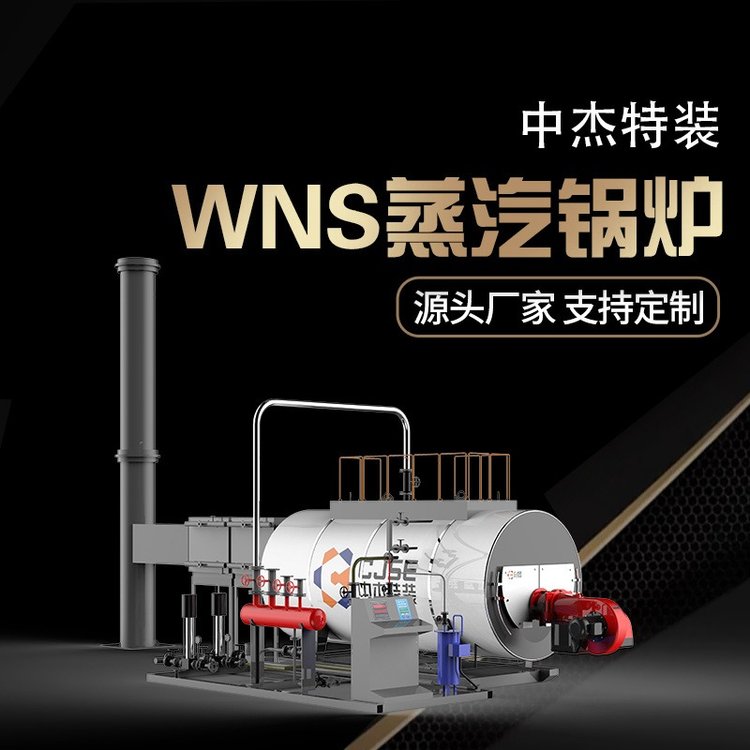

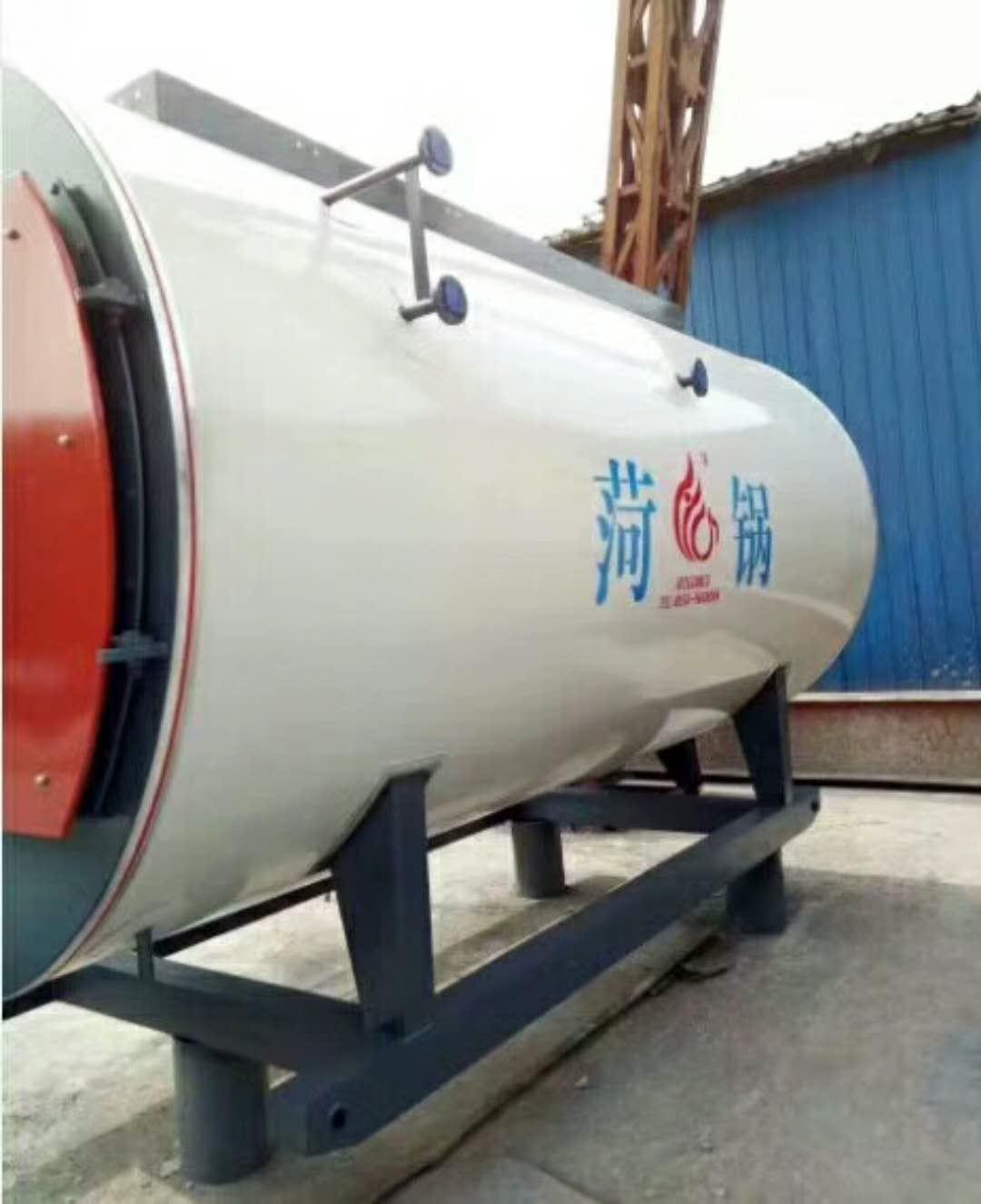
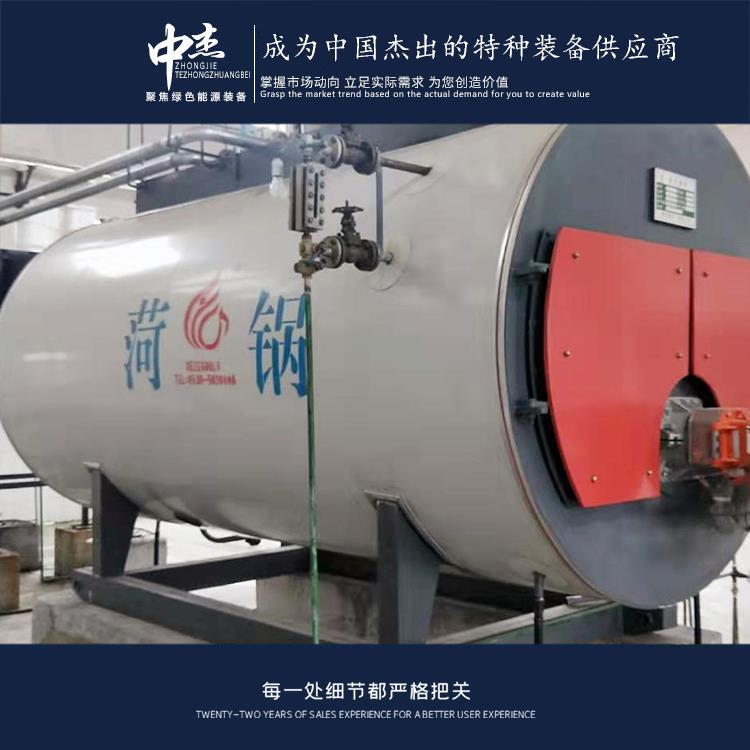


















Shandong Zhongjie Special Equipment (formerly Heze Boiler Factory Co., Ltd.) holds an A-grade boiler manufacturing license, A2-grade pressure vessel manufacturing license, A2-grade pressure vessel design license, B-grade boiler installation, and GB2/Class, GC2/Class pressure pipeline installation licenses, as well as equipment and machinery installation contracting qualifications. It is a member of the China Boiler and Water Treatment Association, the China Chemical Equipment Association, and the Council Member of the Shandong Equipment Manufacturing Association. The company has also passed certifications for the ISO9001 Quality Management System, ISO14001 Environmental Management System, OHSAS18001 Occupational Health and Safety Management System, and the U.S. ASME/U2 certification.
Hot water boilers and steam boilers are two common types of boilers, with some differences in their working principles, application scenarios, and operating parameters:
Working Principle: Hot water boilers provide heat energy by heating water, which is then circulated through the heating system. Steam boilers, on the other hand, produce steam by heating water and distribute it to the heating system.
Operating Temperature and Pressure: Hot water boilers typically operate at temperatures between 60℃ and 100℃, with lower pressure. Steam boilers usually operate at temperatures between 100℃ and 200℃, with higher pressure, generally ranging from 0.7MPa to 2.5MPa.
Heating Methods: Hot water boilers use circulating pumps to distribute hot water throughout the heating system, primarily through convection and conduction. Steam boilers transport steam through steam pipes to the heating system, primarily through steam conduction.
Application Scenarios: Hot water boilers are suitable for heating, bathing, swimming pool heating, and other situations where hot water is needed in industrial processes. Steam boilers are used in industrial settings requiring steam, such as power plants, chemical factories, and textile mills.
Equipment Structure: Hot water boilers are usually simpler and have a smaller structure, occupying less space. Steam boilers are typically more complex, with a larger structure and greater space requirements.
It is important to note that hot water and steam boilers may overlap in certain specialized applications, such as industrial processes that require both hot water and steam. Therefore, when selecting a boiler type, it is necessary to consider specific needs and application scenarios.
The main benefits of installing expansion tanks in a thermal oil furnace are as follows:
- Alleviate thermal expansion and contraction: During operation, the thermal oil furnace experiences thermal expansion and contraction due to temperature changes. The expansion tank provides space for the thermal oil to expand, mitigating the impact of thermal expansion and contraction on equipment and pipelines, and preventing stress concentration and equipment deformation caused by it.
- Protect equipment and pipelines: The expansion tank absorbs the expansion and contraction of the thermal oil, reducing the impact and vibration on equipment and pipelines. This helps extend the service life of equipment and pipelines, reducing the frequency of maintenance and replacement.
- Reduce leakage risk: The expansion tank provides a sealed space, minimizing the risk of thermal oil leakage. When the thermal oil expands, excess oil can be accommodated through the expansion tank, preventing leakage and environmental pollution.
- Facilitate maintenance and repair: The presence of an expansion tank makes it easier to maintain and repair the thermal oil furnace system. When equipment or pipelines need to be repaired or replaced, the flow and shutdown of the thermal oil can be controlled through the expansion tank, reducing downtime and the difficulty of maintenance.
In summary, the expansion tank plays a role in alleviating thermal expansion and contraction, protecting equipment and pipelines, reducing leakage risk, and facilitating maintenance and repair in the thermal oil furnace system. It is an important design element that contributes to the safety and reliability of the thermal oil furnace system.
A thermal oil furnace is a device that uses thermal oil as a heat medium, transferring heat energy produced by combustion or electric heating to the equipment or process that requires heating. The working principle of a thermal oil furnace involves heating the thermal oil to a certain temperature and then circulating it through a pump to the heated equipment or process, transferring the heat energy to the heated object. The thermal oil exchanges heat with the heated object in the heat exchanger, raising the object's temperature while cooling the oil, which then returns to the furnace for reheating. The heat transfer process in a thermal oil furnace primarily relies on the thermal conductivity of the oil. Thermal oil has high thermal conductivity, enabling rapid transfer of heat energy to the heated object, achieving effective heating. Additionally, it boasts high thermal stability, allowing stable operation at high temperatures without decomposition or oxidation. A thermal oil furnace typically consists of the furnace body, combustion system, flue gas system, heat exchanger, circulating pump, and control system. The furnace body is the main part of the thermal oil furnace, used to contain the thermal oil and the combustion system. The combustion system is responsible for burning fuel to produce heat and heat the thermal oil. The flue gas system is used to exhaust the combustion gases. The heat exchanger is the equipment where the thermal oil exchanges heat with the heated object. The circulating pump is responsible for circulating the thermal oil back to the furnace for reheating. The control system monitors and controls the operation of the thermal oil furnace to ensure safe and stable operation. Thermal oil furnaces offer high temperature control accuracy, fast heating speed, low energy consumption, and easy operation, and are widely used in industrial fields such as chemicals, textiles, food processing, papermaking, as well as in some special heating processes.
After the hot water boiler is shut down, here are some common maintenance measures:
1. Clean the boiler: After shutdown, clean the boiler first. Dust, dirt, and sediment inside the boiler can be washed with appropriate cleaning tools and detergents. Pay special attention to cleaning the combustion chamber, flue, and heat exchanger, etc.
2. Drain the water: Empty the water in the boiler to prevent the accumulation of scale and corrosive substances. Open the drain valve and let the water out until the interior of the boiler is completely drained.
3. Corrosion prevention: Before shutdown, apply corrosion prevention measures to prevent internal metal corrosion in the boiler. Use appropriate corrosion inhibitors or coatings, applying them to key areas within the boiler.
4. Inspection and maintenance: During shutdown, regularly inspect all parts and connections of the boiler to ensure there are no loose, damaged, or leaking issues. Address any problems promptly with repairs or replacements.
5. Keep dry: After shutdown, maintain the interior of the boiler dry. Open the ventilation and exhaust openings to maintain air circulation and prevent dampness and mold growth.
6. Regular inspection: Conduct regular inspections of the boiler to ensure there are no abnormalities. Develop a corresponding inspection schedule based on the boiler's usage and requirements, such as a comprehensive check every quarter or year.
7. Pre-startup preparation: Before restarting the boiler, perform the necessary preparatory steps. This includes cleaning the boiler, checking equipment and pipe connections, and inspecting fuel supply, etc.
Shandong Zhongjie Special Equipment, welcome customers to our factory for negotiations and cooperation.
WeChat Official Account

Scan to follow Official Account



















