


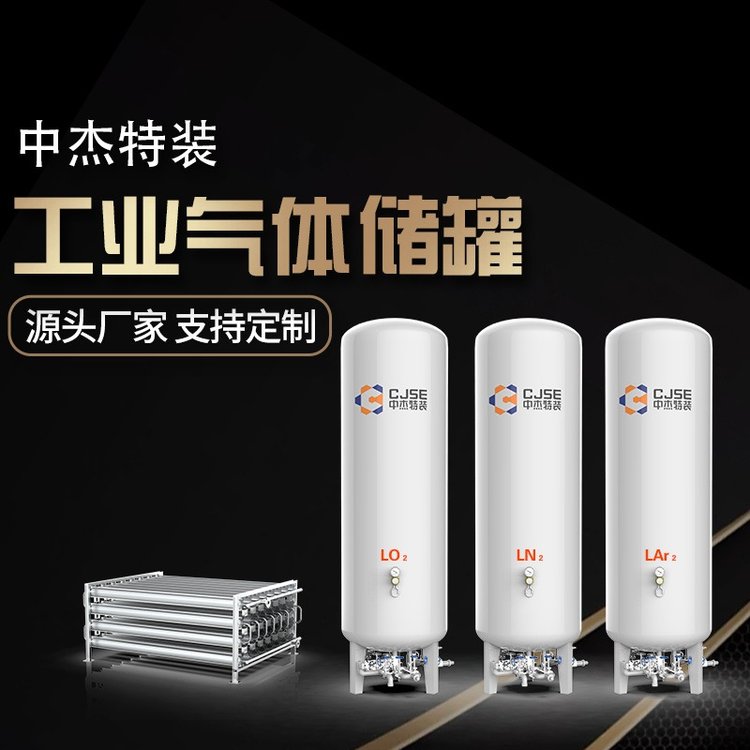

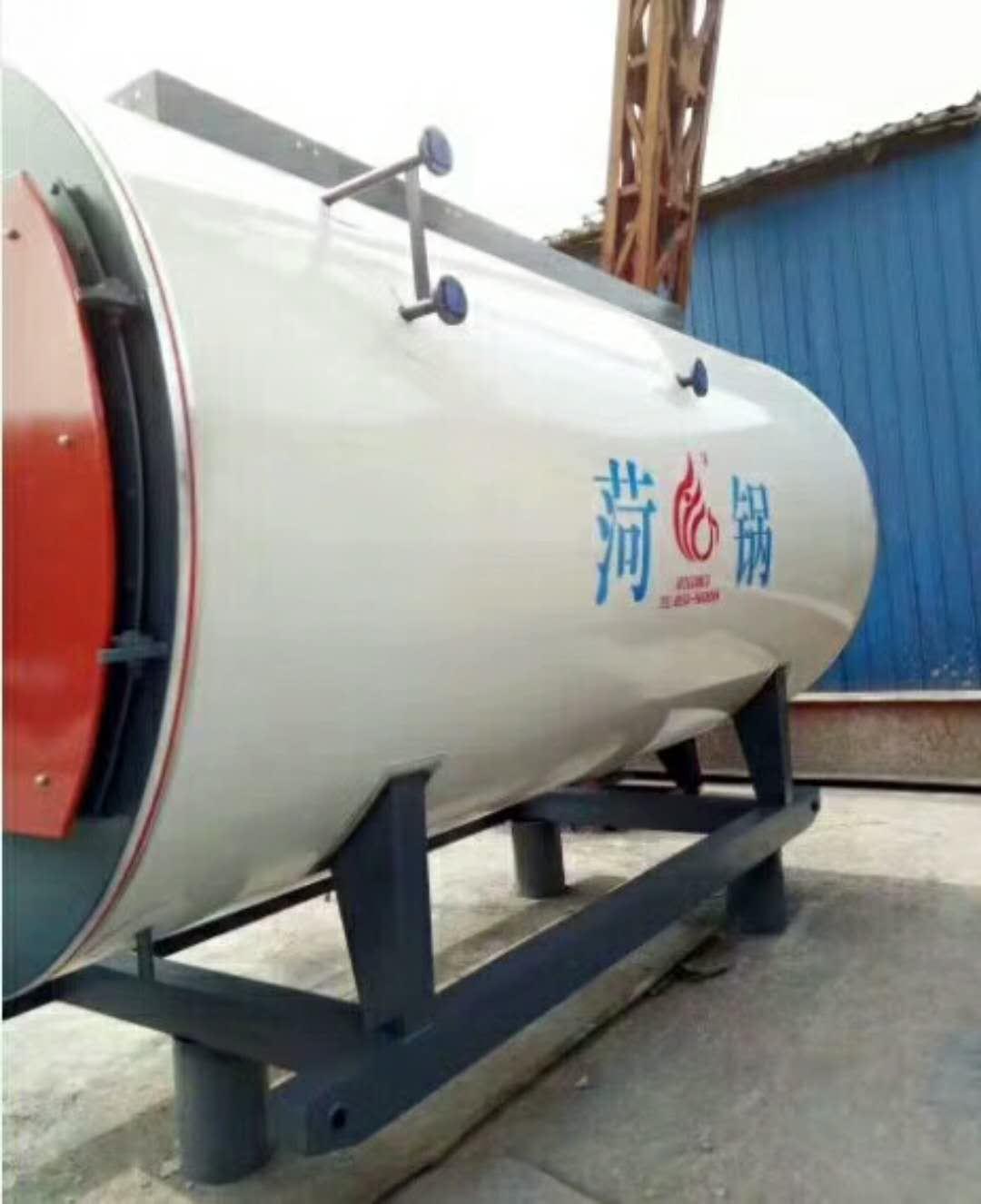
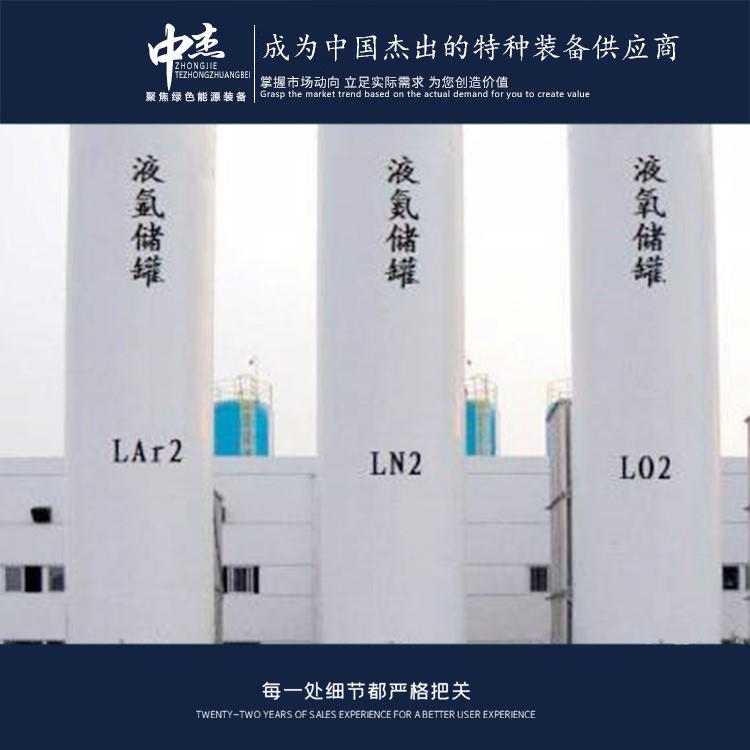


















Shandong Zhongjie Special Equipment (formerly Heze Boiler Factory Co., Ltd.) was established in 2001, located at No. 2218 Jinnan Road, Economic and Technological Development Zone, Heze City. With a registered capital of 50 million yuan and total assets of 500 million yuan, the company has seven business centers: boilers, deep-freeze containers, pressure vessels, central air conditioning, engineering installation, international trade, and Internet of Things. It has three factory sites on Jinnan Road, East Changjiang Road, and Bohai Road, covering a total of 200,000 square meters. The main workshop spans 83,000 square meters. It currently employs 710 staff, including 247 engineering and technical personnel and 82 middle-level technicians. In December 2016, it was recognized as a "High-Tech Enterprise" by the Science and Technology Department. In June 2021, it was named a "Specialized, Focused, and New Enterprise in Shandong" by the Ministry of Industry and Information Technology. In June 2022, it was identified as a "Gazelle Enterprise in Shandong" and in August 2022, it was recognized as a "Specialized, Focused, and New Small Giant Enterprise" by the Ministry of Industry and Information Technology.
The working principle of carbon dioxide storage tanks involves the compression and liquefaction of carbon dioxide. Here is a brief description of the working principle of carbon dioxide storage tanks: Compression: Carbon dioxide gas is first compressed to a higher pressure by a compressor. This process compresses the gas into a high-pressure state, enabling it to transition into a liquid. Cooling: The compressed carbon dioxide gas enters a cooler, where it is rapidly cooled through a cooling agent or system within the cooler. This process cools the gas to a temperature below its boiling point, causing it to become liquid. Storage: The cooled carbon dioxide liquid is stored in a sealed tank, which typically has an insulating layer to reduce the evaporation of liquid carbon dioxide and maintain a low temperature. The tank's internal pressure is maintained within a certain range to ensure stable storage of the liquid carbon dioxide. Supply: When carbon dioxide is needed, it can be extracted from the tank through valves and piping systems. By controlling the opening and flow of the valves, liquid carbon dioxide can be supplied to the required equipment or system. It should be noted that the working principle of carbon dioxide storage tanks may vary depending on specific design and manufacturing. When using carbon dioxide storage tanks, follow the operation manual and safety guidelines, and cooperate with local regulatory authorities and personnel to ensure the tank's safety and reliability.
Here are some common protective techniques for CO2 storage tanks:
Fire and Explosion Prevention Measures: A fire-resistant isolation zone should be established around the tank, keeping it away from fire sources and flammable materials. The tank itself should adopt fire and explosion prevention measures, such as fire-resistant coatings and explosion-proof devices, to prevent fires and explosions.
Leak Detection and Alarm Systems: The tank should be equipped with leak detection and alarm systems to promptly detect and alert of any leakage. Regularly inspect and maintain the leak detection equipment to ensure proper functioning.
Regular Inspections and Maintenance: Regularly check the tank's exterior, valves, and fittings to ensure they are intact. Conduct regular leak detection and pressure tests to ensure the tank's safety performance meets requirements.
Waste Gas Treatment: Treat the waste gases produced by CO2 storage tanks to prevent environmental pollution. Implement appropriate waste gas treatment measures, such as collecting and processing the waste gases.
Static Protection: Adopt static protection measures to prevent static accumulation and discharge. Use anti-static equipment and tools to ensure static safety during operations.
Safety Training and Awareness: Conduct safety training for operators to enhance their awareness and ability to safely handle CO2 storage tanks. Regularly hold safety training and drills to prepare for emergencies.
Management Records and Documentation: Establish comprehensive management records and documentation, including the tank's usage, inspection, and maintenance records. Regularly review and update management records to ensure safe management and maintenance of the tank.
It should be noted that the above are common protective techniques, and specific techniques may vary depending on the tank type and application. When using CO2 storage tanks, operate according to relevant specifications and standards, and consult experts to ensure safety and effectiveness.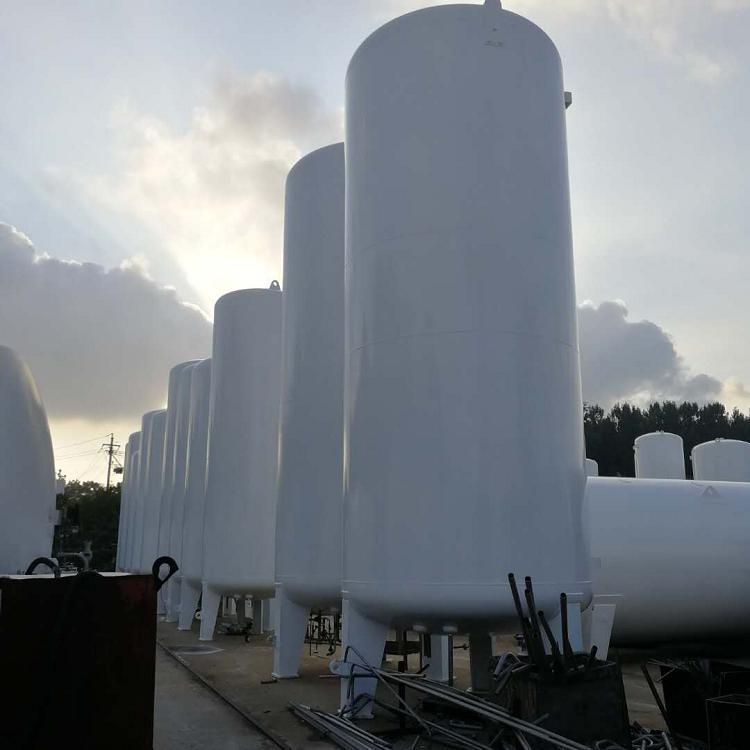
When cooling carbon dioxide tanks, be mindful of the following points and understand the basic steps of the cooling process:
Precautions:
- Safety: Pay attention to safety during the cooling process, ensuring the safety of the operators and the surrounding environment. Adhere to relevant safety operation procedures and standards, and use appropriate personal protective equipment.
Equipment Selection: Choose the appropriate cooling equipment and tools, such as cooling mediums (e.g., liquid nitrogen), coolers, cooling systems, etc. Select suitable cooling equipment based on the tank's size and requirements.
Temperature Control: Control the temperature during the cooling process, avoiding overcooling or insufficient temperature. Determine the appropriate cooling temperature range based on the tank's design requirements and working conditions.
Cooling Process Analysis:
- Preparation: Ensure there are no residual gases or impurities inside the tank to affect the cooling effect. Check the tank's sealing and the functioning status of the safety valve.
Coolant Injection: Inject the cooling medium (e.g., liquid nitrogen) into the tank to lower its temperature. Control the injection speed and quantity during the process to avoid over-injection leading to excessive pressure.
Cooling Time: Determine the cooling time based on the tank's size and requirements. The cooling time typically needs to be long enough to ensure that the carbon dioxide inside the tank is fully cooled and liquefied.
Temperature Monitoring: Regularly monitor the tank's temperature during the cooling process to ensure it remains within the appropriate range. Temperature sensors or infrared thermometers can be used for monitoring.
Cooling Completion: The cooling process is complete when the tank reaches the predetermined cooling requirements. At this point, the carbon dioxide inside the tank should be in a liquid state.
Note that the specific cooling process and steps may vary due to different tank designs and usage scenarios. When performing cooling operations, follow relevant safety operation procedures and standards to ensure the safety and effectiveness of the operation.
CO2 flooding is a commonly used enhanced oil recovery technique to increase the recovery rate of oil fields. It works by injecting CO2 gas into the reservoir to alter its physical and chemical properties, thereby promoting flow and enhancing recovery. The working principle of CO2 flooding is as follows:
Dissolution Principle: CO2 has a high solubility in oil. When CO2 gas is injected into the reservoir, it dissolves within the oil, reducing viscosity and surface tension, making it easier to flow.
Expulsion Drive Principle: After CO2 gas is injected into the reservoir, it expands to form a gas phase, increasing the internal pressure of the reservoir, which in turn drives the oil towards the wellbore. Additionally, CO2's high permeability can improve the reservoir's permeability, enhancing flowability.
Chemical Reaction Principle: CO2 reacts with certain components in the oil to produce soluble substances, further reducing viscosity and improving flowability.
CO2 flooding technology offers certain advantages in oilfield development, such as:
Environmental Friendliness: CO2 is a clean, non-toxic, and renewable gas. Using CO2 flooding can reduce environmental pollution.
Economic Viability: CO2 flooding can increase the recovery rate of oil fields, boost production, and thus enhance economic benefits.
Sustainability: CO2 can be separated from air or captured and stored from industrial flue gases, enabling the recycling of CO2 and offering sustainability.
It is important to note that the application of CO2 flooding technology requires consideration of reservoir characteristics, geological conditions, and economic feasibility factors. A thorough reservoir evaluation and engineering design should be conducted before implementing CO2 flooding to ensure the effectiveness and safety of the technology.
Our company places great importance on technological innovation and R&D, boasting one municipal-level enterprise technology center in Heze City. We have established testing facilities for non-destructive testing, physical and chemical testing, welding testing, hydrostatic testing, etc., and equipped over 600 units of various instruments and equipment, including CNC machine tools, X-ray flaw detectors, digital ultrasonic flaw detectors, mechanical property testing machines, chemical analyzers, spectrometers, tensile testing machines, and plasma welding machines. Our key products and technologies, such as the welding of temperature-pressure vessels, biomass boiler emission reduction, and waste heat utilization, have successively been shortlisted for multiple Shandong Provincial Department of Industry and Information Technology science and technology projects, key projects of Shandong Province, and innovative projects of Heze City. We have cumulatively obtained 27 authorized utility model patents, 16 authorized invention patents, participated in drafting 2 standards, 2 industry standards, and registered 15 trademarks. Our technical team, in collaboration with Professor Li Yajiang of Shandong University, has jointly developed deep cryogenic container processing technology using the international plasma arc + wire filling tungsten inert gas arc welding (PAW-GTAW) technology. The provincial-level scientific and technological achievement appraisal has determined that our technology level in the deep cryogenic container manufacturing field has reached international standards. Choose ZJ Special Equipment, let's create brilliance together!
WeChat Official Account

Scan to follow Official Account



















