


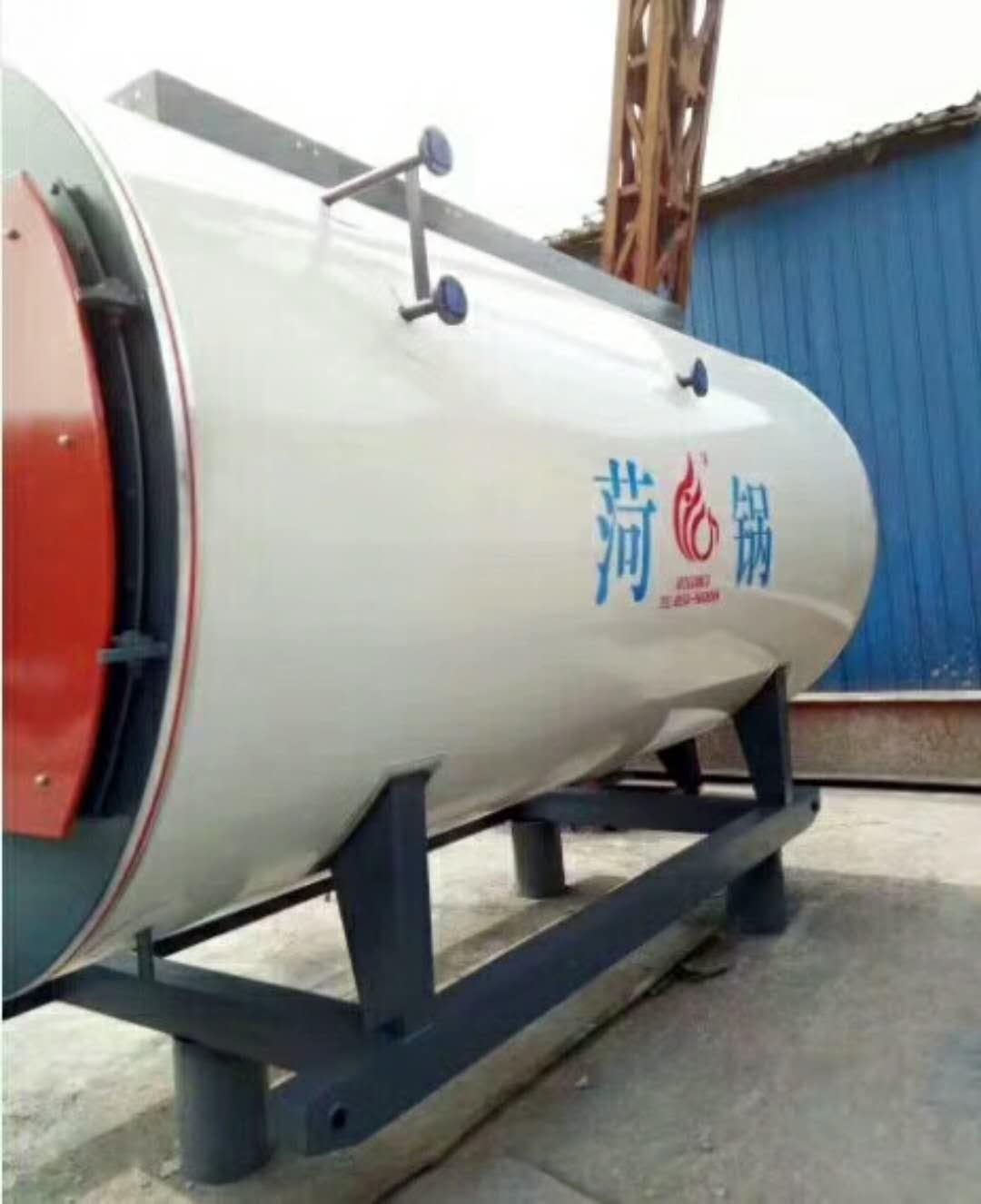

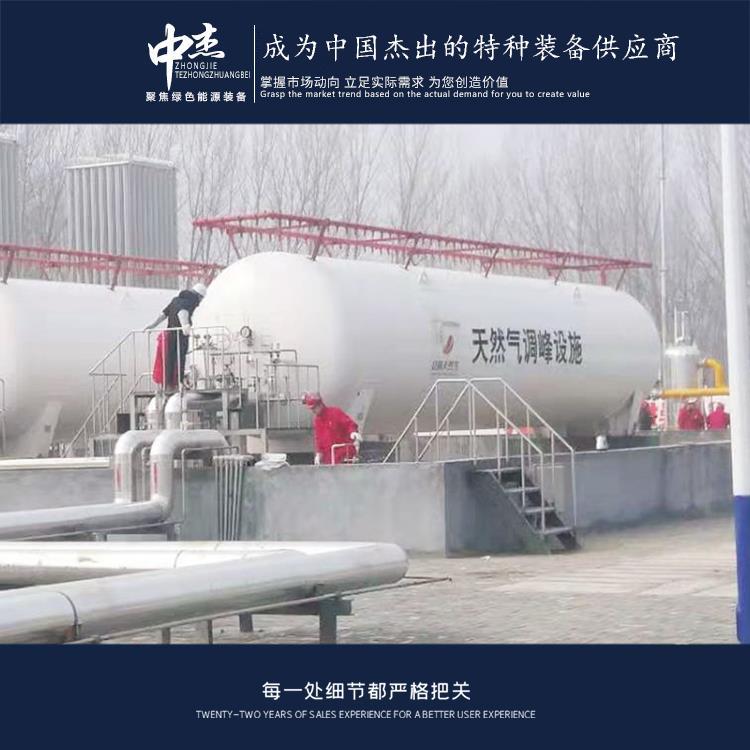
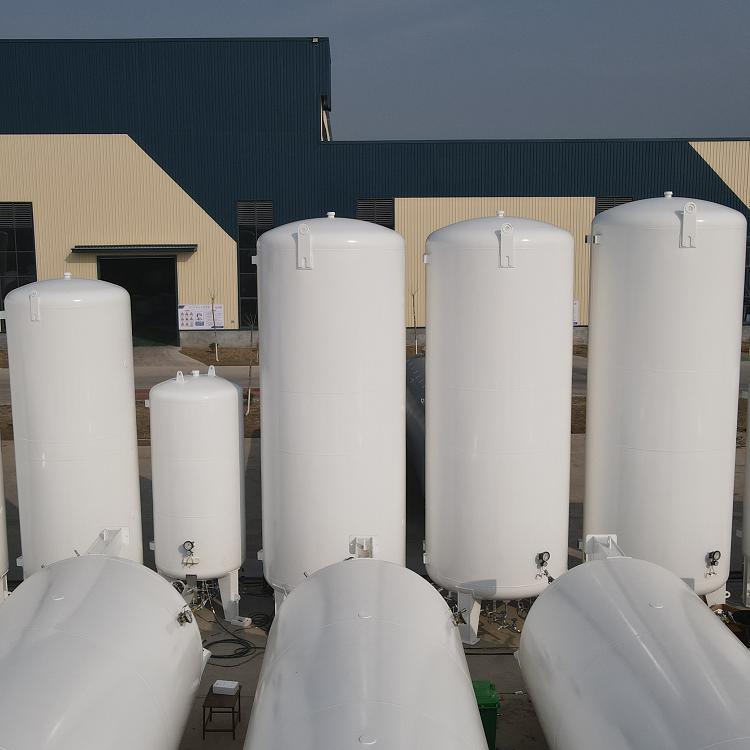


















Shandong Zhongjie Special Equipment's main products include: fuel (gas) boilers, organic heat carrier boilers, biomass boilers, waste heat recovery boilers, and other boiler products; vacuum insulation cryogenic pressure vessels such as LNG tanks, oxygen/nitrogen/argon tanks, and CO2 tanks; pressure vessel products like denitrification engineering equipment, heat storage and energy storage equipment, and complete chemical equipment sets; central air conditioning and HVAC equipment such as ground (water) source heat pumps, air source units, water-cooled screw units, and air-cooled modular units. Planned products include large-scale energy centers, LNG transport vehicles, LNG tank containers, and other green energy equipment.
When storing CO2 tanks, the following requirements must be adhered to ensure safety and effectiveness: Ventilation: Tanks should be stored in well-ventilated areas to prevent the accumulation of CO2 gas. Ensure adequate air circulation around the tank to avoid gas buildup and asphyxiation risks. Fire and Explosion Prevention: Keep tanks away from fire sources, high-temperature areas, and flammable materials. Avoid open flame operations near the tank to prevent fire and explosion risks. Sunlight Avoidance: Store tanks in locations shielded from direct sunlight to prevent overheating and pressure increase. Direct sunlight can raise tank temperatures, increasing the risk of leaks and explosions. Mechanical Damage Avoidance: Keep tanks away from machinery and heavy objects to prevent collisions and damage. Mechanical damage can lead to tank leaks or ruptures, causing safety hazards. Labeling and Warning Signs: Clearly label tanks with information such as the type of gas stored and pressure. Set up warning signs around the tanks to remind personnel of their presence and safety precautions. Regular Inspections: Conduct regular inspections of the tank's exterior, valves, and connections to ensure they are intact. Take immediate corrective action if any abnormalities are found. Storage Capacity Control: Control the storage capacity of the tanks to prevent exceeding the rated capacity. Exceeding the rated capacity can lead to excessive tank pressure, increasing safety risks. Storage Records: Keep records of the tank's usage, including filling dates, quantities, and inspection records. Regularly inspect and maintain the tanks, and retain relevant records. Note that specific storage requirements may vary depending on tank type and application. When storing CO2 tanks, operate according to relevant regulations and standards and consult with experts to ensure safety and effectiveness.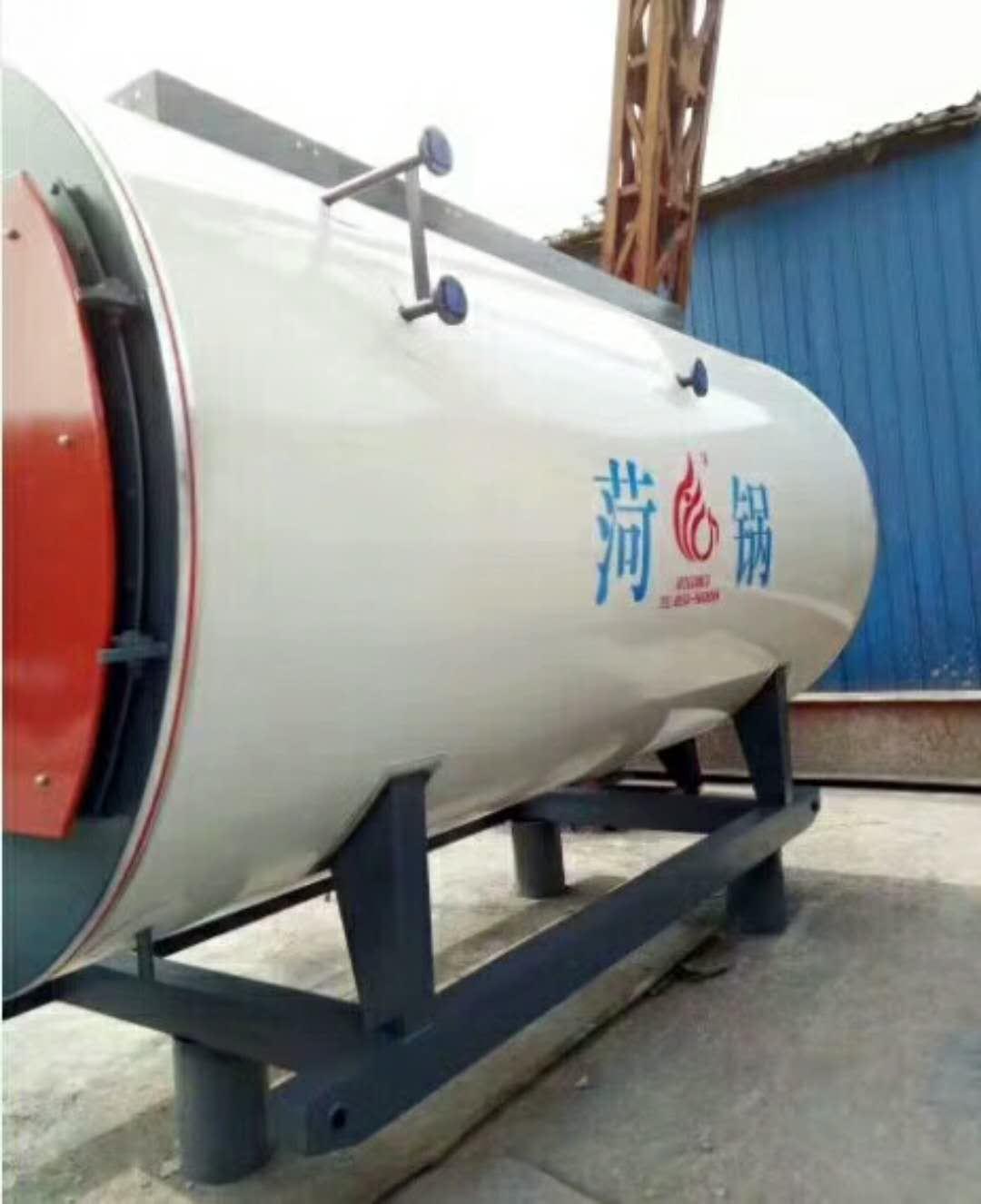
Carbon dioxide cylinders are safe when used and maintained properly, but they can pose certain dangers if safety procedures are not followed or there are improper operations. Here are some potential hazards associated with carbon dioxide cylinders:
- High Pressure Risk: Carbon dioxide cylinders are typically used to store high-pressure CO2 gas, posing a high-pressure risk. If the cylinder is damaged, overheated, or over-pressurized, it could explode or leak, causing personal injury and property damage.
- Asphyxiation Risk: Carbon dioxide is an asphyxiating gas, and high concentrations can displace oxygen in the air, leading to asphyxiation. When using carbon dioxide cylinders in enclosed spaces, ensure adequate ventilation and oxygen supply to avoid asphyxiation risks.
- Freezing Risk: Liquid carbon dioxide is extremely cold, and contact with it can cause frostbite. Proper operating procedures and the use of appropriate personal protective equipment are required to prevent frostbite.
- Fire Risk: Although carbon dioxide itself is not flammable, at high concentrations it can suppress oxygen supply, potentially extinguishing fires. However, if CO2 leaks into the air, it may form flammable mixtures, increasing fire risks.
To ensure safety, follow the relevant safety operating procedures and guidelines when using carbon dioxide cylinders, and receive necessary training. Regularly inspect and maintain the cylinders, adhering to the manufacturer's recommendations and local regulations to reduce potential hazards. In the event of an abnormal situation or leak, take appropriate emergency measures immediately and notify relevant personnel.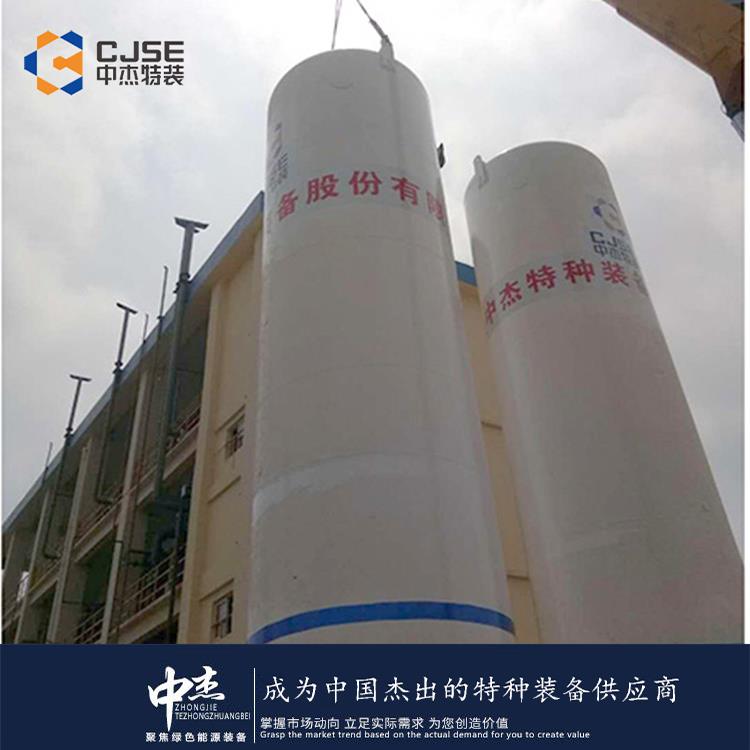
Carbon dioxide cylinder hydrostatic testing is a common quality inspection method used to verify the cylinder's sealing and pressure resistance. Below are the general steps for conducting a hydrostatic test on a carbon dioxide cylinder:
Preparation: Ensure the cylinder is internally clean and empty. Check the cylinder's valves, pipes, and joints to ensure they are well-sealed.
Filling with Water: Fill the cylinder with water, using tap water or other clean sources. Ensure even water filling to avoid bubbles or dead spots.
Applying Pressure: Use a pressure pump or other pressure device to gradually increase water pressure until it reaches the predetermined test pressure. The test pressure is typically determined based on the cylinder's design requirements and relevant standards.
Maintaining Pressure: After reaching the test pressure, hold it for a period, usually 15-30 minutes. During this time, observe for any leakage and check for leaks in valves and joints.
Pressure Release: Release the water pressure inside the cylinder, ensuring a slow and even release to avoid sudden pressure drops causing shocks.
Inspection and Evaluation: After pressure release, inspect the cylinder's exterior and interior for any leakage. Evaluate the test results to ensure the cylinder's sealing and pressure resistance meet requirements.
Note that when conducting hydrostatic tests, safety and operational procedures and standards should be followed to ensure safety and reliability during the process. Depending on the cylinder's design and usage requirements, other types of tests, such as pneumatic testing and ultrasonic testing, can be conducted for a comprehensive evaluation of the cylinder's quality and performance. Seek advice and guidance from knowledgeable professionals.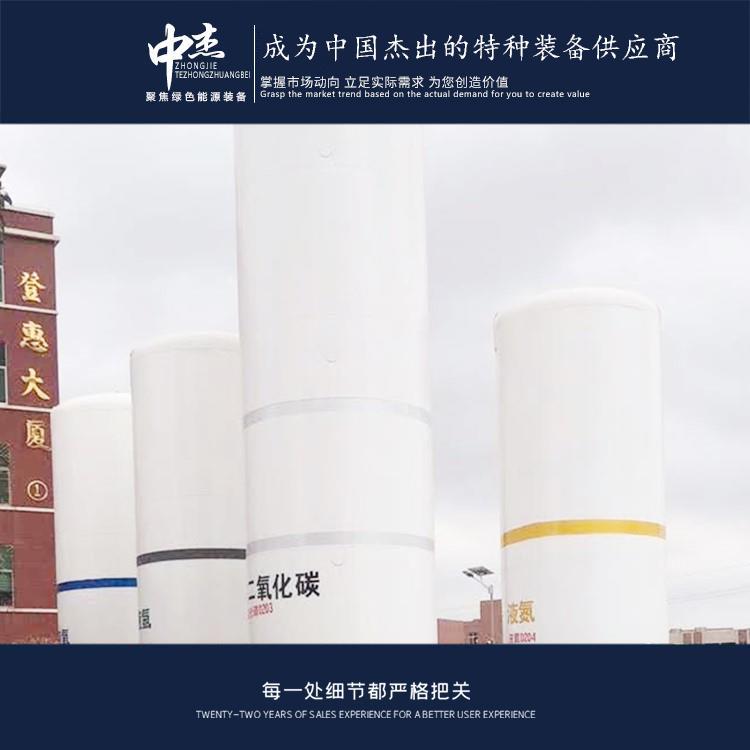
The reasons for not leaving a CO2 cylinder idle for extended periods are mainly as follows:
1. Safety Risks: CO2 is a high-pressure gas, and it remains in a liquid state only when maintained at a certain pressure within the cylinder. Releasing CO2 from the cylinder into the atmosphere over a long period can cause a drop in internal pressure, potentially leading to structural failure or explosions.
2. Resource Wastage: CO2 is a valuable resource with widespread applications in industries and other sectors. Allowing a CO2 cylinder to remain idle for long durations results in resource waste, which is not in line with sustainable development principles.
3. Environmental Impact: CO2 is a greenhouse gas, and its release into the atmosphere over extended periods can increase CO2 concentration, exacerbating climate change and environmental issues.
Therefore, to ensure safety, conserve resources, and protect the environment, CO2 cylinders should be used and managed according to specified procedures and requirements, avoiding prolonged idleness. When CO2 in the cylinder is no longer needed, appropriate disposal methods should be employed, such as recycling, reuse, or safe emissions.
Zhongjie Special Equipment upholds the grand vision of "realizing employees' dreams, creating customer value, and striving for the prosperity and strength of our motherland," and is dedicated to the development of the green energy equipment industry. We commit to society with high-value products and services!
WeChat Official Account

Scan to follow Official Account



















