





















Shandong Zhongjie Special Equipment (formerly Heze Boiler Factory Co., Ltd.) holds an A-grade boiler manufacturing license, A2-grade pressure vessel manufacturing license, A2-grade pressure vessel design license, B-grade boiler installation license, and GB2/Class, GC2/Class pressure pipeline installation license, as well as a mechanical and electrical equipment installation contracting qualification. It is a member of the China Boiler and Water Treatment Association, the China Chemical Equipment Association, and a director unit of the Shandong Equipment Manufacturing Association. The company has also passed certifications for the ISO9001 Quality Management System, ISO14001 Environmental Management System, OHSAS18001 Occupational Health and Safety Management System, and the American ASME/U2 certification.
The automated maintenance system for carbon dioxide storage tanks typically includes the following main components:
- Pressure Maintenance System: Monitors and adjusts the internal pressure of the tank to ensure the carbon dioxide within remains within a safe and stable pressure range. This system includes pressure sensors, control systems, pressure control valves, and pressure reserve devices.
- Temperature Control System: Monitors and adjusts the internal temperature of the tank to maintain the carbon dioxide within an appropriate temperature range. The system includes temperature sensors, control systems, and temperature control devices.
- Level Monitoring System: Measures and monitors the liquid level within the tank to ensure the carbon dioxide level stays within a safe range. This system can utilize float level gauges, pressure level gauges, and ultrasonic level gauges.
- Leak Detection System: Monitors leaks in the tank and pipeline systems, enabling timely detection and alarms. The system can employ gas sensors, liquid sensors, and leak detectors.
- Fire Detection and Extinguishing System: Monitors fire conditions in the tank area and takes appropriate extinguishing measures. The system includes fire detectors, alarms, and extinguishing equipment.
- Remote Monitoring and Control System: Monitors and controls the operational status and parameters of the tank remotely, enabling remote operation and management. This system can connect via network to provide real-time data and remote control functions.
These are the main components of a typical automated maintenance system for carbon dioxide storage tanks. The specific system configuration and functions can be customized according to the tank's design requirements and application scenarios. These automated maintenance systems enhance the tank's safety, stability, and reliability, reducing the need for manual intervention and operational risks.
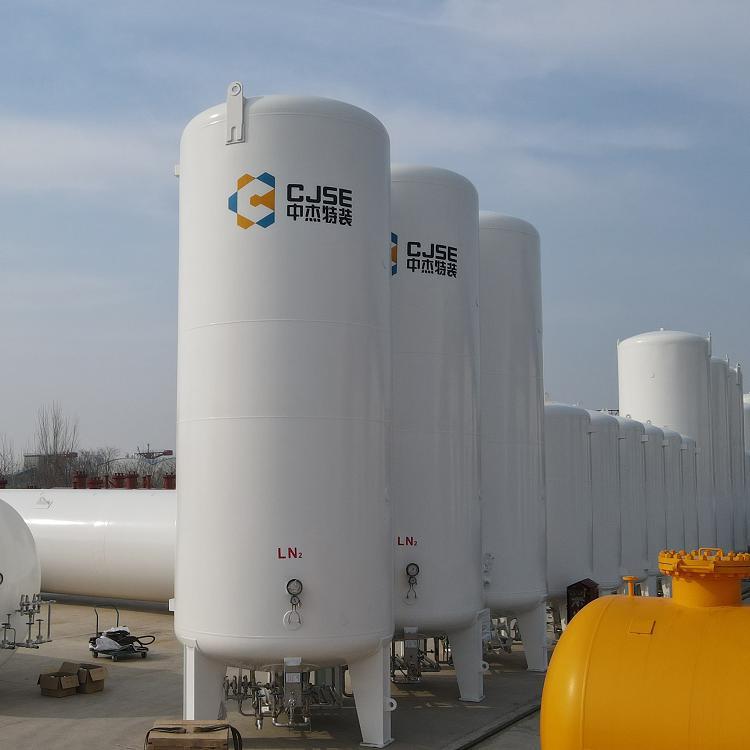
Installation and Operation Requirements for Low-Temperature Carbon Dioxide Storage Tanks: Installation Location Selection: When choosing the installation location for the storage tank, consider the tank's weight and dimensions to ensure a solid and stable foundation. Additionally, keep the tank away from flammable and explosive materials and high-temperature sources to ensure safety. Safety Distance: Maintain a certain safety distance around the tank for daily inspections, maintenance, and emergency response. The safety distance should comply with relevant safety regulations and standards. Connection Pipes: Use an appropriate connection method between the tank and the pipes to ensure a tight and reliable connection with no leaks. The connection pipes should meet relevant standards and specifications. Pressure Relief Devices: The tank should be equipped with pressure relief devices, such as safety valves, to control internal pressure. The set pressure of the pressure relief devices should meet relevant requirements and be inspected and maintained regularly. Sealability Inspection: Regularly inspect the tank's sealing performance to ensure no leaks. Pay special attention to the sealing of valves, pipe connections, and the tank itself. Temperature Control: Low-temperature carbon dioxide storage tanks require temperature control to maintain the low internal temperature. Ensure the surrounding environmental temperature is suitable and take appropriate insulation measures. Safety Protection: Set up appropriate safety protection facilities around the tank, such as guardrails and warning signs, to remind personnel of safety and prevent unauthorized access to the tank. Storage Capacity Control: Control the storage capacity of the tank according to actual needs to avoid exceeding the rated capacity. Exceeding the rated capacity may cause excessive pressure in the tank, increasing safety risks. Storage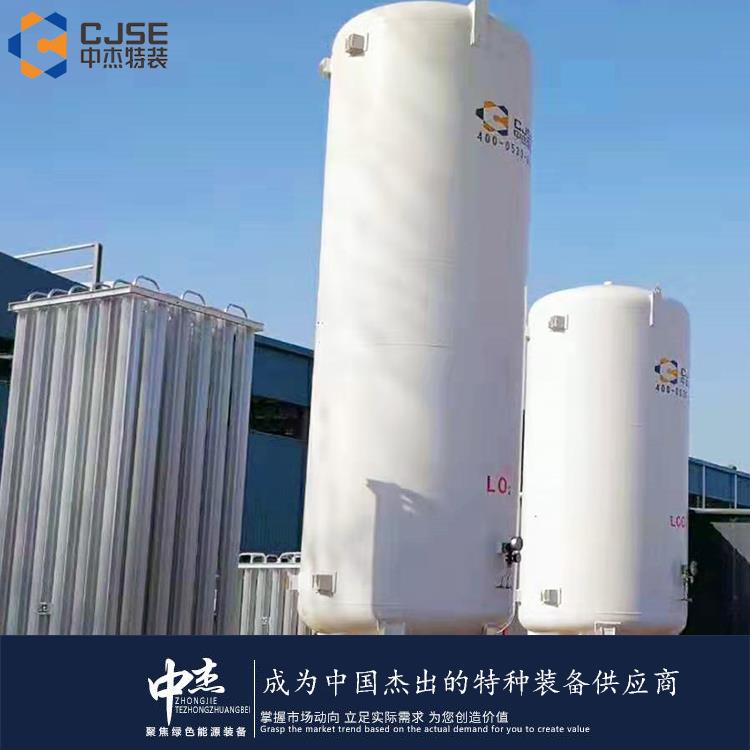
Construction features of carbon dioxide storage tanks mainly include the following aspects: Material selection: Carbon dioxide storage tanks are typically made of carbon steel or stainless steel to ensure their corrosion resistance and pressure-bearing properties. Welding technology: The welding process of the tank is crucial for its quality and safety. The welding process should comply with relevant standards and specifications to ensure the quality and strength of the welds. Corrosion prevention measures: Due to the corrosive nature of carbon dioxide, both the internal and external surfaces of the tank should be treated with corrosion prevention. Common corrosion prevention measures include applying anti-corrosion paint, coating with a corrosion-resistant layer, or using corrosion-resistant coatings. Safety valves and pressure sensors: The tank should be equipped with safety valves and pressure sensors for monitoring and controlling the internal pressure of the tank to ensure safe operation. Proper installation steps for carbon dioxide storage tanks are as follows: Site preparation: Select a suitable site for installation, ensuring the site is level, stable, and meets safety distance requirements. Clear the site to ensure there are no obstructions or fire sources. Foundation construction: Construct the foundation based on the size and weight of the tank. The foundation should have sufficient strength and stability to support the tank's weight and pressure. Tank installation: Place the tank on the foundation, ensuring there is adequate padding and fastening equipment between the tank and the foundation. Connect and secure the tank according to the tank's design requirements. Pipe connection: Connect the tank to the piping system as needed. Ensure that the connections are sealed properly to prevent leaks. Safety equipment installation: Install the required safety equipment for the tank, such as safety valves, pressure sensors, temperature sensors, etc. Ensure these facilities are properly installed and connected.
The testing and maintenance of liquid oxygen storage tanks are crucial for ensuring safe operation and extending their service life. Below is a general breakdown of the testing and maintenance procedures for liquid oxygen storage tanks:
- Visual Inspection: Regularly inspect the liquid oxygen storage tank for surface corrosion, wear, cracks, and other issues. Promptly repair or replace any abnormalities found.
- Internal Cleaning: Periodically clean the interior of the liquid oxygen storage tank to remove accumulated impurities and dirt. Use appropriate cleaning agents and tools to avoid damaging the tank.
- Level Measurement: Regularly measure the level to ensure the liquid oxygen storage tank's level is within a safe range. Use level gauges or other measuring equipment, and record the results.
- Pressure Testing: Regularly conduct pressure tests to verify the tank's pressure resistance. Control the pressure and time during testing to ensure safety and accuracy.
- Leak Detection: Regularly perform leak detection to ensure the tank's sealing integrity. Use leak detection instruments such as gas detectors or foam leak detection agents.
- Valve and Pipe Inspection: Regularly check the valves and pipe connections of the liquid oxygen storage tank to ensure good sealing and no leakage. Promptly repair or replace any issues found.
- Maintenance Records: Keep records of the testing and maintenance activities, including inspection dates, contents, and results. These records help track the tank's maintenance history and issue resolution.
- Scheduled Maintenance: Develop a regular maintenance plan based on the tank's usage and requirements. This includes lubrication, bolt tightening, and seal replacement to ensure normal operation.
Zhong Jie Special Equipment adheres to the grand vision of "realizing employees' dreams, creating value for customers, and striving for the prosperity and strength of our motherland," devoting itself wholeheartedly to the development of green energy equipment. We offer society products and services that deliver high value at a competitive price!
WeChat Official Account

Scan to follow Official Account



















