


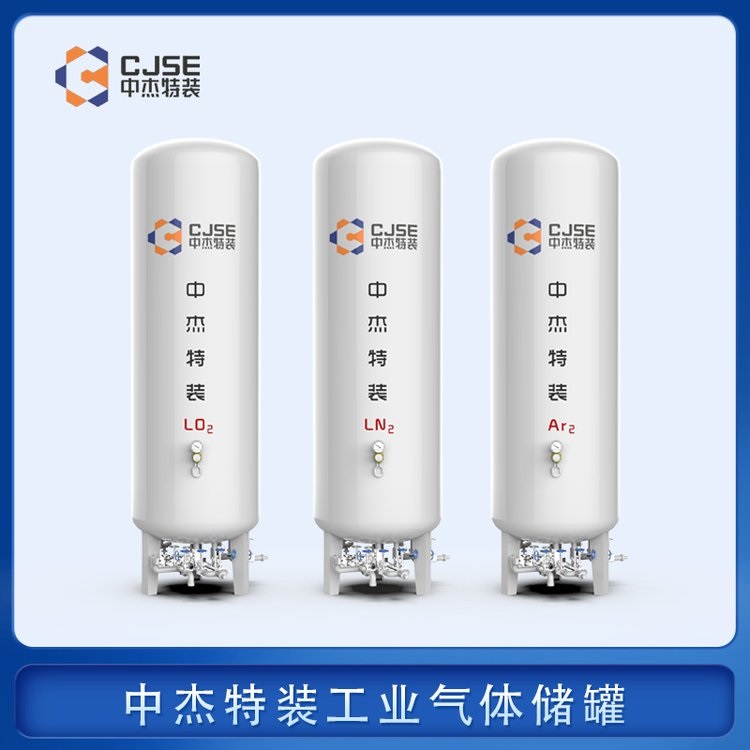

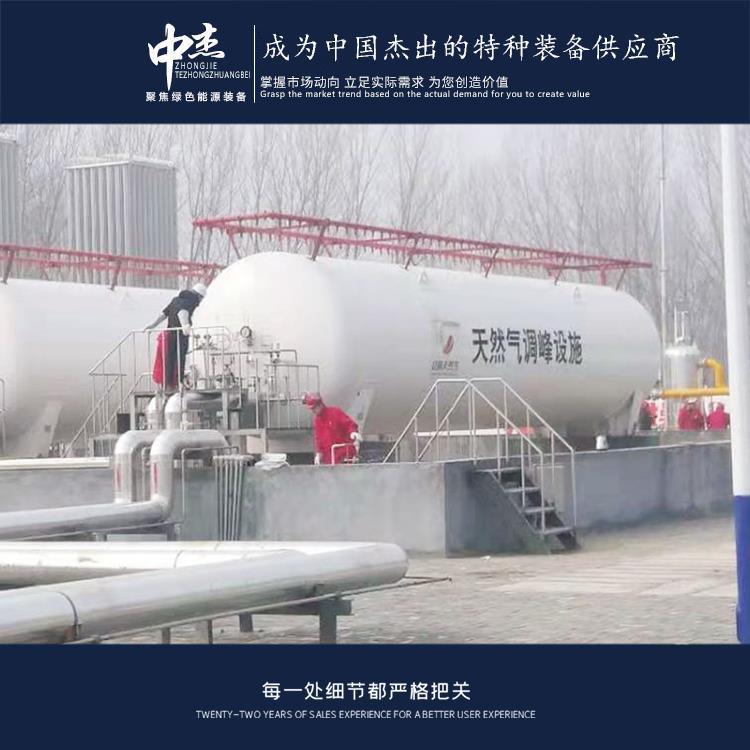


















Shandong Zhongjie Special Equipment's main products include: fuel (gas) boilers, organic heat carrier boilers, biomass boilers, waste heat boilers, and other boiler products; vacuum insulation deep-freeze pressure vessels such as LNG tanks, oxygen-nitrogen-argon tanks, and CO2 tanks; pressure vessel products such as denitrification engineering equipment, heat storage and energy storage equipment, and complete chemical equipment sets; central air conditioning and HVAC equipment such as ground (water) source heat pumps, air source units, water-cooled screw units, and air-cooled modules. Planned products include large-scale energy centers, LNG transport vehicles, LNG tank containers, and other green energy equipment.
The safe operation of low-temperature CO2 storage tanks is primarily key in the following aspects: Design and Manufacturing: The tank's design and construction must comply with relevant standards and regulations, ensuring it can withstand working conditions under low temperatures and high pressures. The tank should have sufficient strength and sealing performance to prevent leaks and ruptures. Safety Valves and Pressure Control: The tank should be equipped with safety valves and pressure control devices to ensure internal pressure remains within safe limits. Safety valves should be regularly inspected and tested to ensure proper operation. Temperature Control: Effective temperature control is necessary for low-temperature CO2 storage tanks to prevent freezing or embrittlement due to excessively low temperatures. Appropriate insulation materials and equipment should be used to maintain the tank and pipeline temperatures within safe ranges. Leak Detection and Alarm: The tank should be fitted with leak detection devices and alarm systems, along with corresponding monitoring equipment. These devices can detect leaks promptly and trigger alarms for appropriate action. Safe Operation and Training: Operators should receive relevant training to understand the safe operation procedures and standards for low-temperature CO2 storage tanks. Operators should be familiar with the tank's characteristics, working principles, and emergency response measures. Regular Inspection and Maintenance: Tanks should be regularly inspected and maintained, including visual inspections, anti-corrosion coating maintenance, and leak detection. Regular inspections can help identify potential issues early and implement necessary repair measures. Emergency Preparedness: Establish an emergency response plan and equip with appropriate firefighting and first aid equipment. Operators should be familiar with emergency procedures and able to respond swiftly to emergencies. Please note that the above points are general recommendations. Specific safe operation should be based on the design and usage requirements of the low-temperature CO2 storage tank. Before using the tank, it is recommended to refer to the relevant safe operation manuals and guidelines to ensure safety.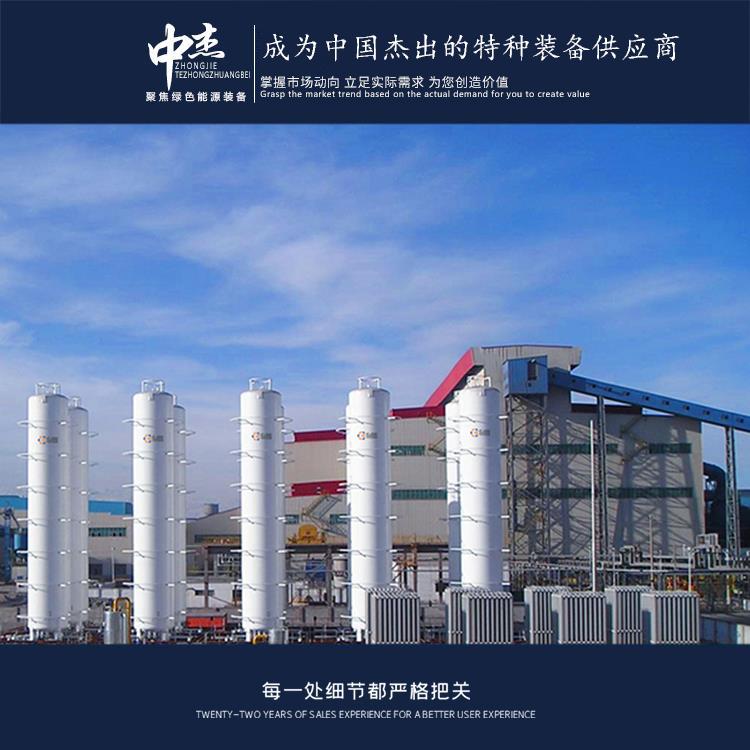
When handling CO2 storage tanks, static electricity is a safety issue that needs attention. Here are some methods to avoid static electricity:
- Grounding: Ensure the tank and related equipment are properly grounded. Grounding releases static electricity to the ground, reducing the likelihood of static buildup. Use specialized grounding devices and grounding wires to ensure reliable grounding.
- Antistatic Equipment: Use antistatic equipment like antistatic clothing, shoes, gloves, etc. These devices help eliminate or reduce static buildup and protect the safety of operators.
- Avoid Friction: Prevent friction during operation, especially when in contact with flammable gases. Friction can generate static electricity, increasing the risk of fire or explosion.
- Control Humidity: Maintain an appropriate humidity level in the operational environment; higher humidity can reduce the generation and accumulation of static electricity. Use humidifiers or other humidity control devices to adjust the environmental humidity.
- Avoid Plastic or Rubber Materials: Plastic and rubber materials are prone to static electricity; try to avoid using these materials during operation. Choose materials with better antistatic properties for handling.
- Static Eliminators: Use static eliminators to eliminate or reduce static buildup. Static eliminators neutralize static electricity by releasing charges, reducing the dangers of static.
- Tank Cleaning: Regularly clean the interior of the tank to remove accumulated impurities and dirt. Be cautious to prevent the generation and accumulation of static electricity during the cleaning process.
Note that static avoidance methods should be determined based on specific operational environments and tank characteristics. During operation, follow relevant safety regulations and standards, and consult with professionals as needed.
The installation of a CO2 storage tank safety valve is a crucial measure to ensure the tank can safely release pressure in case of overpressure. Below are general installation steps:
1. Selecting the Appropriate Safety Valve: Choose a suitable safety valve based on the tank's design pressure and flow requirements. Ensure the rated pressure and flow of the safety valve meet the tank's specifications.
2. Installation Location: Select a proper location for the safety valve, typically on the top or side of the tank. Ensure the valve can easily release pressure and is not obstructed by other equipment or structures.
3. Preparations: Clean the tank surface at the installation location to ensure there are no debris or dirt. Check the sealing integrity of the safety valve and connecting pipes, ensuring no damage or leaks.
4. Installing the Safety Valve: Connect the safety valve to the tank using appropriate fittings and sealing materials. Follow the installation instructions for the safety valve to ensure a secure and reliable connection with the tank.
5. Adjustment and Testing: Adjust and test the safety valve according to its specifications and requirements. Ensure the valve operates normally within the set pressure range and can release pressure promptly.
6. Labeling and Documentation: Label relevant information on the safety valve and tank, such as the rated pressure and flow, installation date, etc. Record the installation process and test results for future reference and maintenance.
Please note that installing a CO2 storage tank safety valve must follow relevant safety operation procedures and standards. If you lack the necessary knowledge and experience, it is recommended to consult professionals or manufacturers for installation.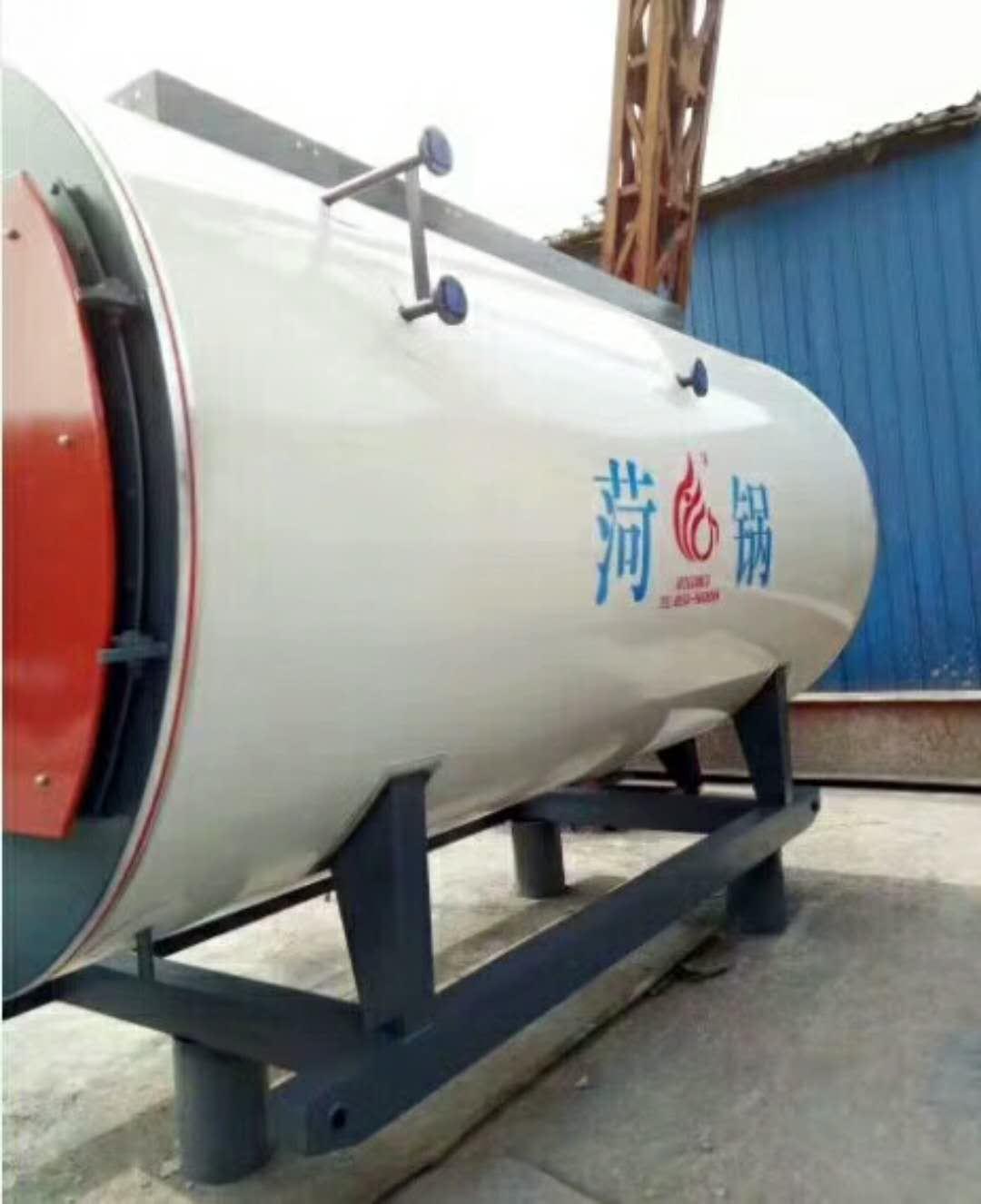
Carbon dioxide storage tanks feature the following characteristics and advantages:
- High Storage Density: These tanks can compress carbon dioxide gas into a liquid state, significantly increasing storage density. Compared to storing it in a gaseous state, liquid carbon dioxide can be stored in a smaller tank, saving space and costs.
- Multiple Applications: Carbon dioxide storage tanks are widely used in various fields, including the food and beverage industry, manufacturing, firefighting, and gas supply. Carbon dioxide serves as a preservative, effervescent agent for beverages, gas, and extinguishing agent, with broad applications and market demand.
- Environmental and Renewable: Carbon dioxide is an environmentally friendly gas, and its increased concentration in the atmosphere can lead to warming and climate change. By storing and utilizing carbon dioxide, we can reduce its emissions into the atmosphere, promoting environmental protection and sustainable development.
- Safe and Reliable: During design and manufacturing, carbon dioxide storage tanks are typically made of high-strength materials (such as carbon steel or stainless steel), offering good pressure resistance and safety. The tanks are usually equipped with safety valves, pressure gauges, and level indicators to ensure safe operation. Moreover, carbon dioxide is a non-flammable and non-explosive gas, making it relatively safe.
- Supply: These tanks provide a stable supply of carbon dioxide. Through the tank's design and control systems, precise measurement and supply of carbon dioxide can be achieved, meeting the demands of various industries and applications.
In summary, carbon dioxide storage tanks offer high storage density, multiple applications, environmental and renewable qualities, safety, reliability, and supply, making them an essential storage and supply equipment widely used in numerous industries. However, it is still necessary to follow relevant safety operating procedures when using carbon dioxide storage tanks.
Our company attaches great importance to technological innovation and R&D design, boasting one municipal-level enterprise technology center in Heze City. We have established testing facilities for non-destructive testing, physical and chemical testing, welding testing, hydrostatic testing, etc., and are equipped with over 600 various instruments and equipment, including CNC machine tools, X-ray flaw detectors, digital ultrasonic flaw detectors, mechanical property testing machines, chemical analyzers, spectrometers, tensile testing machines, plasma welding machines, and more. Our key products and technologies, such as thermal pressure vessel welding, biomass boiler emission reduction, and waste heat utilization, have successively been shortlisted for multiple Shandong Provincial Department of Industry and Information Technology scientific and technological innovation projects, key provincial projects, and Heze City innovative and excellent projects. We have cumulatively obtained 27 authorized utility model patents, 16 authorized invention patents, participated in drafting 2 standards, 2 industry standards, and registered 15 trademarks. Our technical team, in collaboration with Professor Li Yajiang of Shandong University, has developed deep cryogenic vessel processing technology using the internationally recognized plasma arc + wire feeding argon arc welding (PAW-GTAW) technique, which has been appraised at the provincial level and has reached international standards in the field of deep cryogenic vessel manufacturing. Choose Zhongjietech, let's create brilliance together!
WeChat Official Account

Scan to follow Official Account



















