





















Shandong Zhongjie Special Equipment (formerly Heze Boiler Factory Co., Ltd.) holds an A-grade boiler manufacturing license, an A2-grade pressure vessel manufacturing license, an A2-grade pressure vessel design license, a B-grade boiler installation license, and GB2/Class, GC2/Class pressure pipeline installation licenses, as well as an electromechanical equipment installation contracting qualification. It is a member of the China Boiler and Water Treatment Association, the China Chemical Equipment Association, and a director unit of the Shandong Equipment Manufacturing Association. The company has also passed certifications for the ISO9001 Quality Management System, ISO14001 Environmental Management System, OHSAS18001 Occupational Health and Safety Management System, and the American ASME/U2 certification.
Material control for low-temperature liquid storage tanks is a crucial aspect for ensuring safety and reliability. Here are some common material control measures:
Material Selection: Choose materials suitable for low-temperature environments, such as low-temperature alloy steel, stainless steel, etc. These materials possess excellent low-temperature resistance and crack resistance, maintaining strength and toughness under low-temperature conditions.
Material Quality Control: Ensure the selected materials meet relevant standards and specifications. Conduct chemical composition analysis, mechanical property tests, and impact tests on materials to ensure their performance meets design requirements.
Welding Material Selection: Choose welding materials suitable for low-temperature environments, such as low-temperature welding rods or welding wires. The welding materials should match the tank material, offering good welding properties and crack resistance.
Welding Process Control: Monitor welding process parameters such as current, voltage, and speed to ensure the quality and reliability of weld joints. Utilizing low heat input welding methods like pulsed welding and laser welding can minimize temperature gradients and residual stresses in the heat-affected zone.
Corrosion Prevention Measures: Apply anti-corrosion treatments to the metal surfaces inside and outside of storage tanks to extend their lifespan. Options include anti-corrosion coatings and paints to protect the tank's metal structure from corrosion damage.
Material Performance Monitoring: Regularly conduct performance monitoring of the storage tank materials, such as mechanical property tests,
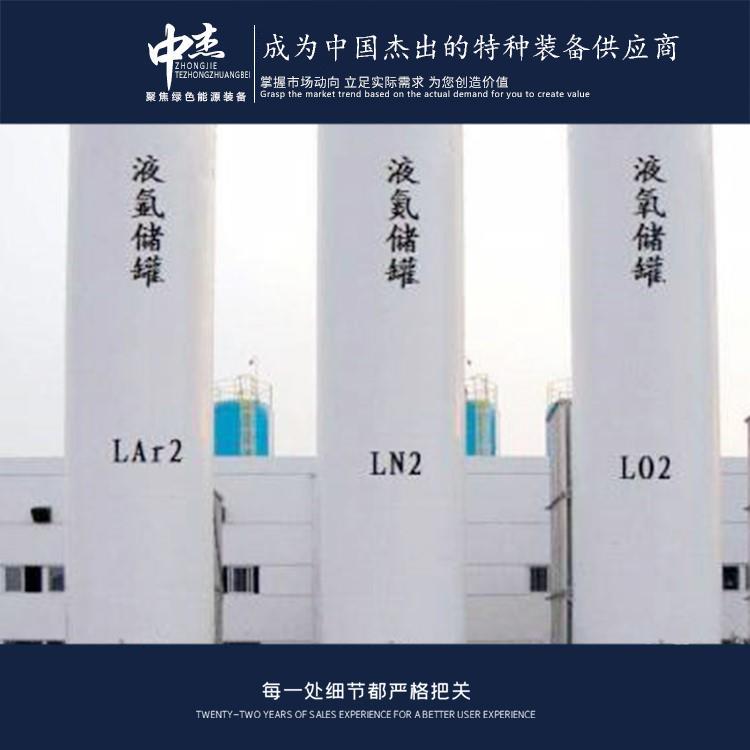
The primary reason for pre-cooling a liquid oxygen tank before use is to lower the tank's internal temperature to below the boiling point of liquid oxygen, enabling the conversion of oxygen into a liquid state.
The boiling point of liquid oxygen is -183°C; at room temperature, oxygen exists in a gaseous state. To store and supply liquid oxygen, the oxygen must be cooled below its boiling point to transform it into a liquid.
The pre-cooling process typically involves the following steps:
Clean Storage Tanks: First, the tank must be thoroughly cleaned to ensure no impurities or contaminants are present inside, to avoid affecting liquid oxygen.
Drainage and Exhausting: To empty the gas inside the storage tank and expel it through the exhaust system to reduce the gas content within the tank.
Add Liquid Nitrogen: Inject liquid nitrogen into the tank, which can rapidly cool the air and walls inside the tank due to its low temperature, thereby reducing the tank's temperature.
Cooling Off: The liquid nitrogen in the storage tank will gradually lower the temperature inside through heat conduction until it falls below the boiling point of liquid oxygen.
The purpose of pre-cooling is to ensure that the temperature inside the storage tank is sufficiently low to meet the storage and supply requirements for liquid oxygen. Pre-cooling can reduce the evaporation and loss of liquid oxygen, as well as help maintain the safety and stability of the tank.
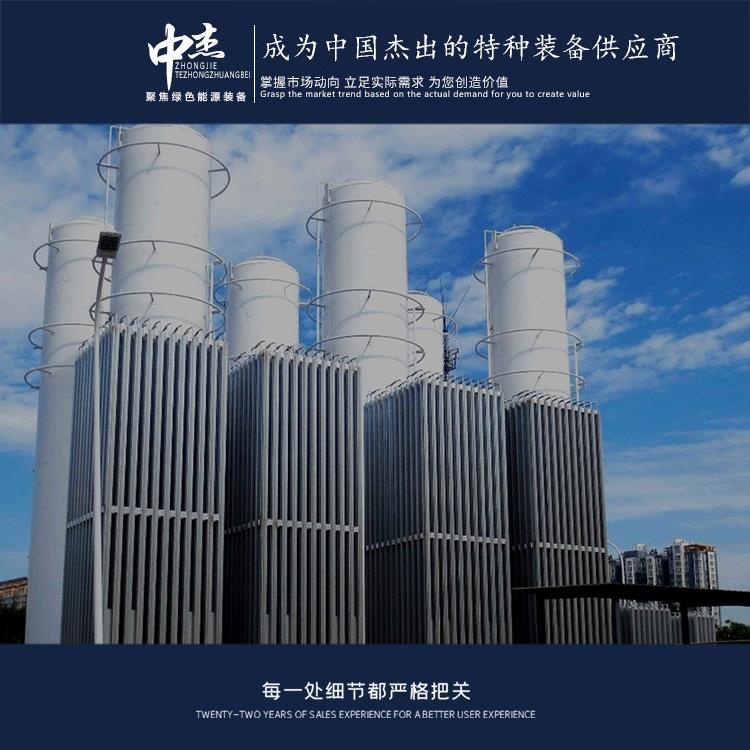
When selecting low-temperature liquefied natural gas (LNG) storage tanks, the following factors should be considered:
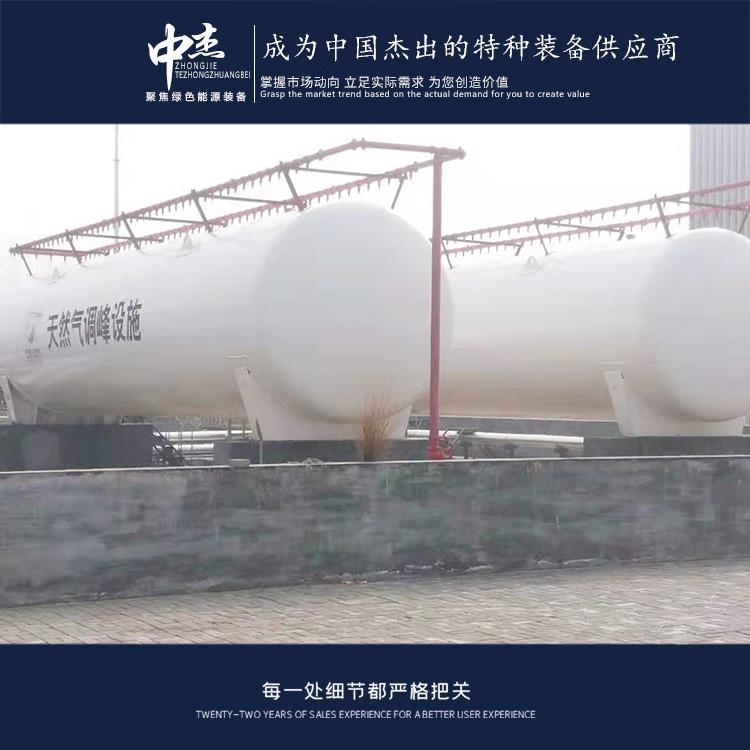
Storage Tank Types: Common LNG storage tank types include vertical fixed-roof tanks, spherical tanks, and horizontal tanks. Choose the appropriate tank type based on specific application requirements and site conditions.
Tank Capacity: Determine the tank capacity based on the storage requirements and estimated usage of LNG. The tank capacity should meet the anticipated storage cycle and supply demands.
Material Selection: LNG tanks are typically made of low-temperature steel or nickel alloys to ensure corrosion resistance and strength in low-temperature environments. Select the appropriate material based on the tank's design pressure and temperature requirements.
Safety Performance: LNG tanks should possess excellent safety features, including seismic resistance, fire resistance, and leak control capabilities. The tanks must comply with relevant safety standards and regulations, such as API 620, EN 1473, etc.
Maintenance and Inspection: Consider the maintenance and inspection requirements of the tank, including internal cleaning, coating protection, and corrosion prevention measures. The design of the tank should facilitate maintenance and inspection operations to ensure long-term reliable performance.
Environmental Impact: When selecting LNG tanks, the impact on the surrounding environment must be considered. The layout and design of the tanks should comply with environmental protection requirements, minimizing noise, vibration, and gas emissions to reduce environmental impact.
Cost-effectiveness: Considering the investment cost, operating cost, and lifecycle cost of the storage tank, choose a tank with a favorable price-performance ratio.
需要注意的是,选型LNG储罐时应遵循相关的和地区的法规、标准和规范。此外,咨询的工程师或储罐制造商,以获取更详细和准确的选型建议。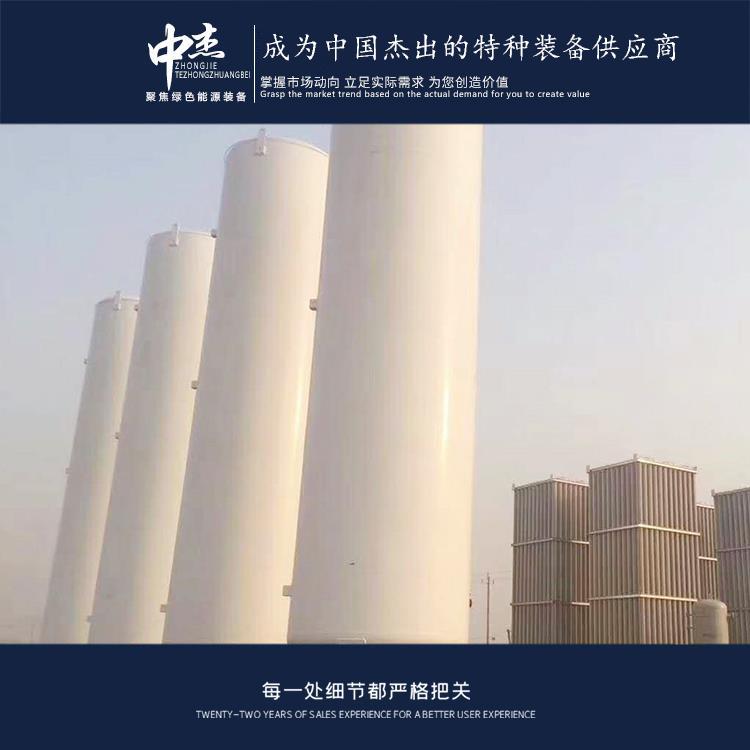
Proper installation of the safety valve on liquid oxygen storage tanks is a crucial step to ensure safe operation. Here are the installation steps for the safety valve on liquid oxygen storage tanks:
Select the appropriate safety valve: Choose a safety valve that meets the design pressure and flow requirements of the liquid oxygen storage tank. Ensure the rated pressure and flow of the safety valve align with the tank's specifications and comply with relevant safety standards and regulations.
Valve Installation Location: Select a suitable location for installing the safety valve. Typically, the safety valve should be mounted on the top or side of the liquid oxygen tank to allow for timely pressure release in case of overpressure conditions.
Preparation for Installation Interface: Prepare the corresponding interfaces based on the connection method of the safety valve. This may include welding interfaces, threaded interfaces, or flange interfaces, etc. Ensure the tightness and firmness of the connections.
Install the safety valve: Mount the safety valve onto the prepared interface. Follow the installation instructions for the safety valve to ensure it is properly connected and securely fastened.
Adjustment and Testing: After installation, adjust and test according to the requirements of the safety valve. Ensure that the opening and closing pressures of the safety valve meet the design specifications, and conduct a leakage test to ensure its sealing.
Labeling and Documentation: Identify relevant information on the safety valve, such as rated pressure, flow rate, and installation date. Additionally, record the installation details and test results for future reference and maintenance.
When installing the liquid oxygen storage tank safety valve, it is imperative to follow the relevant safety regulations and operating guidelines. If you lack the necessary experience and knowledge, it is advisable to seek assistance and guidance from professionals to ensure the correct installation and reliable operation of the safety valve.
Shandong Zhongjie Special Equipment, welcome customers to our factory for business discussions.
WeChat Official Account

Scan to follow Official Account



















