


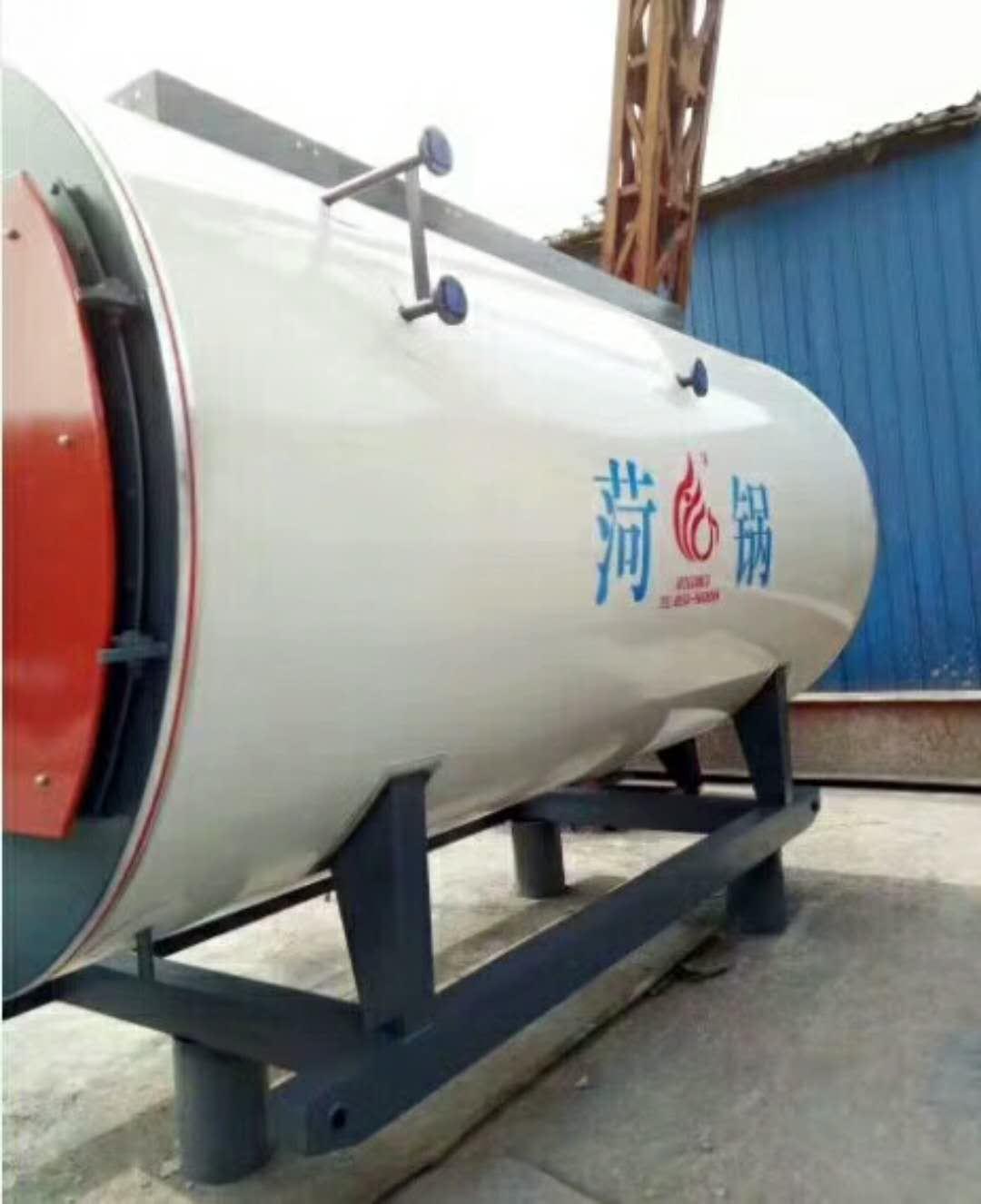

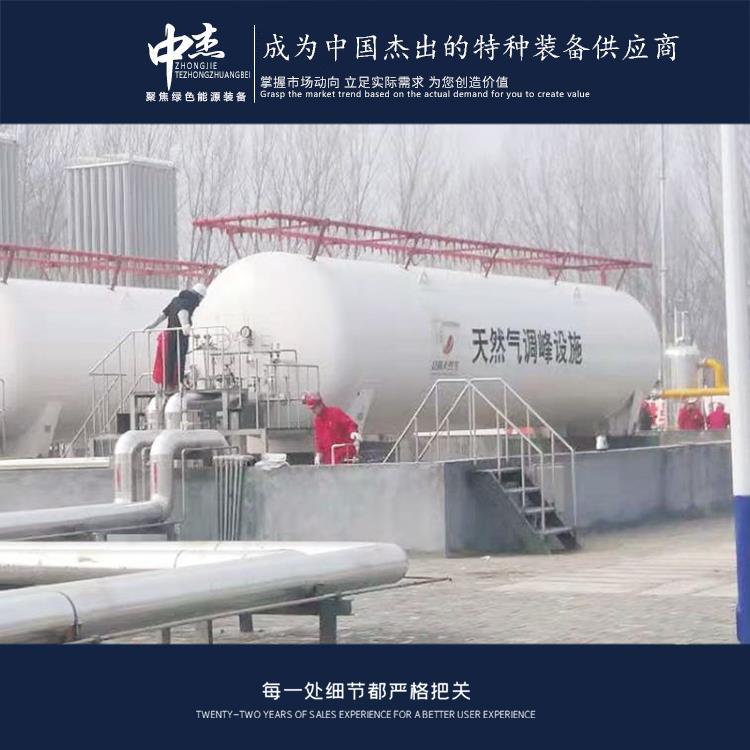


















Shandong Zhongjie Special Equipment (formerly Heze Boiler Factory Co., Ltd.) holds an A-grade boiler manufacturing license, A2-grade pressure vessel manufacturing license, A2-grade pressure vessel design license, B-grade boiler installation license, and GB2/Class, GC2/Class pressure pipeline installation license, as well as equipment and machinery installation contracting qualifications. It is a member of the China Boiler and Water Treatment Association, the China Chemical Equipment Association, and the director unit of the Shandong Equipment Manufacturing Association. The company has also passed the ISO9001 Quality Management System, ISO14001 Environmental Management System, OHSAS18001 Occupational Health and Safety Management System certifications, and the American ASME/U2 certification.
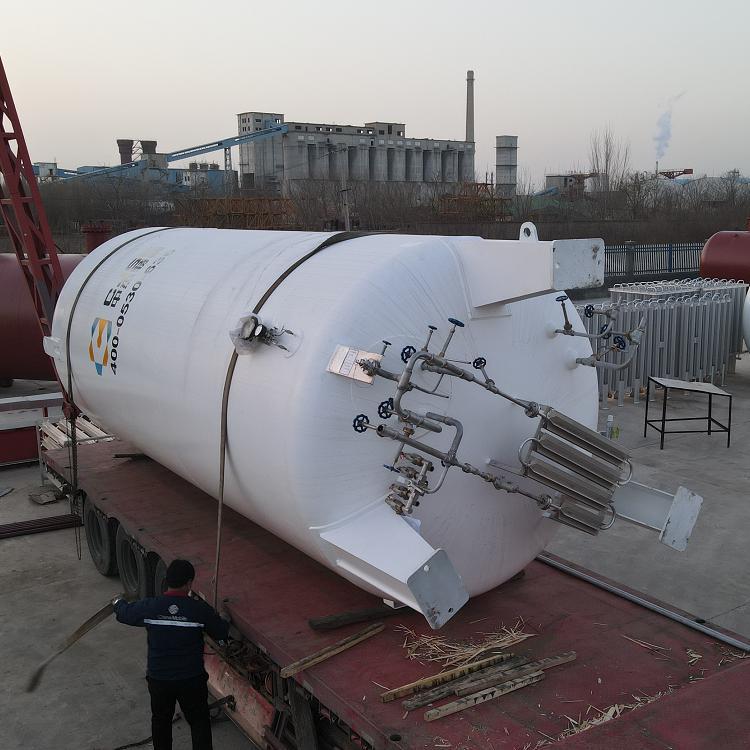
Before using the CO2 storage tank, certain inspection and filling points must be addressed. Here are some common precautions:
- Inspect the tank exterior: Check for any signs of visible damage, corrosion, or leaks. Ensure the tank shell is undamaged.
- Inspect valves and fittings: Verify that the tank's valves and fittings are securely fastened with no leaks. Ensure their proper functioning.
- Check the pressure gauge: Confirm the pressure gauge on the tank is operating correctly and readings are accurate. Replace or repair as needed.
- Inspect the level indicator: Check that the level indicator on the tank is functioning correctly and accurately displays the liquid level. Repair or replace promptly if issues arise.
- Inspect the pressure relief device: Verify the tank's pressure relief device (e.g., safety valve) is functioning correctly and the set pressure meets requirements. Repair or replace as needed.
- Check filling equipment: Ensure the filling equipment (e.g., filling pipes, pumps) is working properly with no leaks or blockages. Confirm the safety and reliability of the equipment.
- Filling procedure: During the filling process, note the following points:
- Control the filling rate to avoid being too fast or too slow.
- Control the filling pressure to prevent exceeding the tank's rated pressure.
- Monitor the liquid level to ensure it reaches the appropriate level.
- Regularly inspect the filling equipment and valves to ensure they are functioning correctly.
- Safety measures: Adhere to relevant safety regulations and procedures during the filling process. Operators should wear appropriate protective gear, such as static-dissipative clothing, gloves, etc.
- It's important to note that specific inspection and filling points may vary depending on the tank type and application. Before using the CO2 storage tank, conduct inspections and operations according to relevant specifications and standards, and consult with experts to ensure safety and effectiveness.
Carbon dioxide plays several key roles in carbonated beverages:
1. Creating bubbles and texture: Carbon dioxide is crucial for the formation of bubbles and effervescence in carbonated drinks. When dissolved in the beverage, it forms bicarbonate ions, giving the drink its foamy and bubbly characteristics. This bubble and texture contribute to the distinct taste and mouthfeel of carbonated beverages.
2. Adjusting pH levels: Carbon dioxide reacts with water to form carbonic acid, which helps regulate the acidity of carbonated drinks. By controlling the amount of carbon dioxide dissolved, the acidity can be adjusted to achieve the desired taste and mouthfeel.
3. Providing a refreshing sensation: The carbon dioxide bubbles in carbonated drinks can evoke a refreshing feeling. When consumed, the bubbles on the tongue stimulate the taste buds, creating a cooling sensation and enhancing the drink's taste and mouthfeel.
4. Extending shelf life: Carbon dioxide in carbonated beverages serves as a preservative. Due to its acidity and properties, it can inhibit the growth of microorganisms, thereby extending the shelf life of carbonated drinks.
It's important to note that excessive consumption of carbonated drinks may have negative health effects, such as tooth decay and osteoporosis. Therefore, it's crucial to consume carbonated drinks in moderation.
Key measures to ensure the quality of CO2 storage tanks include the following aspects:
1. Selecting qualified suppliers: Choose suppliers with a good reputation and experience, ensuring that the tanks they provide meet relevant quality standards and specifications. This can be achieved by assessing suppliers' qualifications, referring to customer reviews, and conducting on-site inspections to select the appropriate supplier.
2. Strict quality control: Implement rigorous quality control measures during the manufacturing process of the tanks. This includes selecting and inspecting raw materials, controlling production processes, monitoring process parameters, product testing, and ensuring the tanks meet quality requirements.
3. Compliance with standards and specifications: The design, manufacturing, and installation of the tanks should comply with relevant standards and specifications, such as industry standards and regulations. These include structural design, material selection, welding processes, corrosion prevention measures, safety valves, and the configuration of pressure sensors.
4. Regular inspections and maintenance: Tanks require regular inspections and maintenance during use to ensure safety and reliability. This involves checking the tank's appearance, sealing, valves, and pipeline connections, conducting pressure tests and leak detection regularly, and addressing abnormal situations promptly.
5. Establishing a quality management system: Develop a comprehensive quality management system, including quality control processes, document records, quality training, and internal audits. By establishing a quality management system, tank quality control and continuous improvement can be ensured.
6. Third-party testing and certification: Delegate tank testing and certification to third-party organizations to verify quality and compliance. Third-party testing and certification bodies are typically impartial and can provide objective assessment and certification results.
7. Through the implementation of these measures, the quality of CO2 storage tanks can be effectively ensured, enhancing their safety and reliability.
When planning carbon dioxide storage tanks, the following requirements should be considered:
- Safety Distance: Tanks should maintain adequate safety distances from surrounding buildings, equipment, and personnel to prevent injuries and losses in case of accidental incidents. Specific safety distance requirements can be stipulated according to local regulations and standards.
- Tank Capacity: Determine the tank's capacity based on actual needs and usage. The choice of capacity should consider factors such as the amount of CO2 used, storage duration, and supply requirements.
- Tank Layout: The layout should facilitate operation and maintenance while meeting safety and environmental protection requirements. Sufficient spacing between tanks should be ensured for ease of operation and maintenance.
- Tank Material: Select appropriate materials for tank construction to ensure corrosion and pressure resistance. Common materials include carbon steel and stainless steel.
- Safety Equipment: Tanks should be equipped with necessary safety equipment, such as safety valves, pressure sensors, and temperature sensors, to ensure safe operation.
- Leak Protection: Measures should be taken to prevent CO2 leaks, such as sealed valves and leak detection systems. Corresponding leak handling measures and emergency response plans should also be in place.
- Environmental Impact Assessment: An environmental impact assessment should be conducted when planning tanks to evaluate their impact on the surrounding environment and implement corresponding measures for environmental protection.
- Regulations and Standards: When planning tanks, comply with local regulations and standards, including building codes, safety regulations, and environmental protection requirements.
- Note: The planning of carbon dioxide storage tanks should be carried out by engineers or relevant agencies to ensure compliance with safety and environmental protection requirements. It is also necessary to consult local authorities for advice and guidance.
Our company attaches great importance to technological innovation and R&D design, boasting 1 municipal-level enterprise technology center in Heze City. We have established testing facilities for non-destructive testing, physical and chemical testing, welding testing, hydrostatic testing, etc., and are equipped with over 600 instruments and equipment, including CNC machine tools, X-ray flaw detectors, digital ultrasonic flaw detectors, mechanical property testing machines, chemical analyzers, spectrometers, tensile testing machines, plasma welding machines, and more. The key products we have developed, such as temperature and pressure vessel welding, biomass boiler emission reduction, and waste heat utilization, have successively been selected for multiple Shandong Provincial Department of Industry and Information Technology science and technology innovation projects, key projects in Shandong Province, and Heze City innovative and excellent projects, etc. We have accumulated a total of 27 authorized utility models, 16 authorized inventions, participated in drafting 2 standards, 2 industry standards, and registered 15 trademarks. Our technical team, in collaboration with Professor Yajiang Li of Shandong University, has jointly developed deep cryogenic container processing technology using the international plasma arc + filler wire argon arc welding (PAW-GTAW) technology. After provincial-level scientific and technological achievement appraisal, the technology level has reached an international standard in the field of deep cryogenic container manufacturing. Choose Zhongjie Special Equipment, and let's create brilliance together!
WeChat Official Account

Scan to follow Official Account



















