


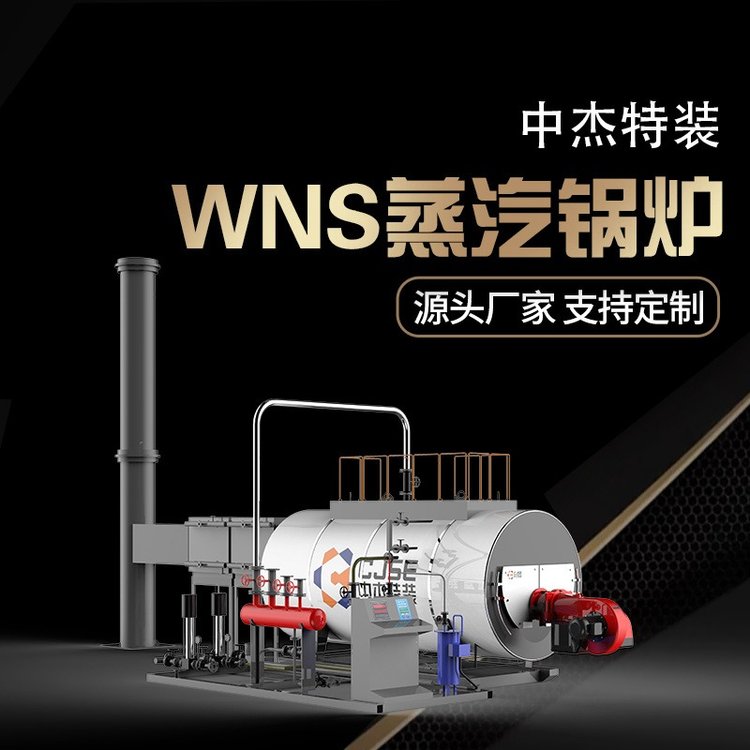

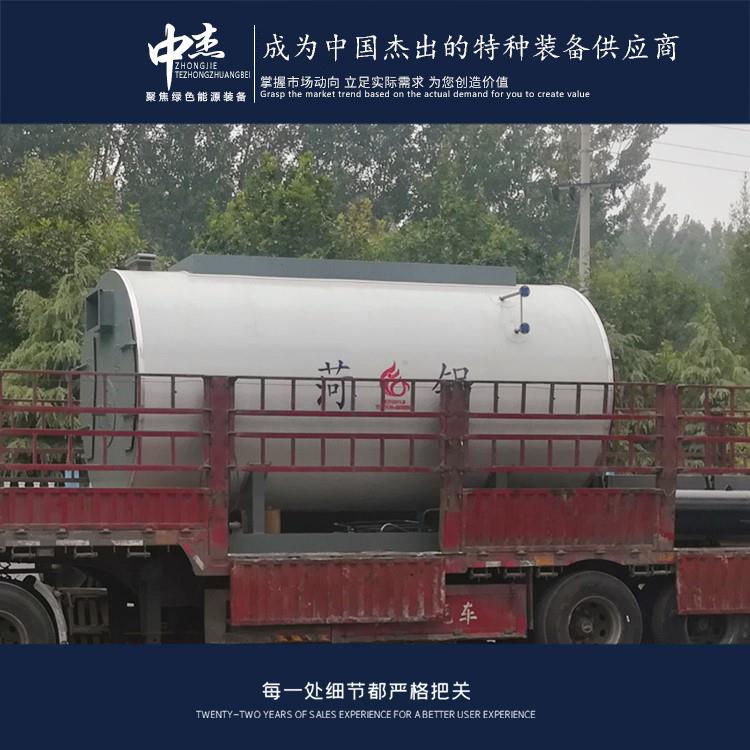
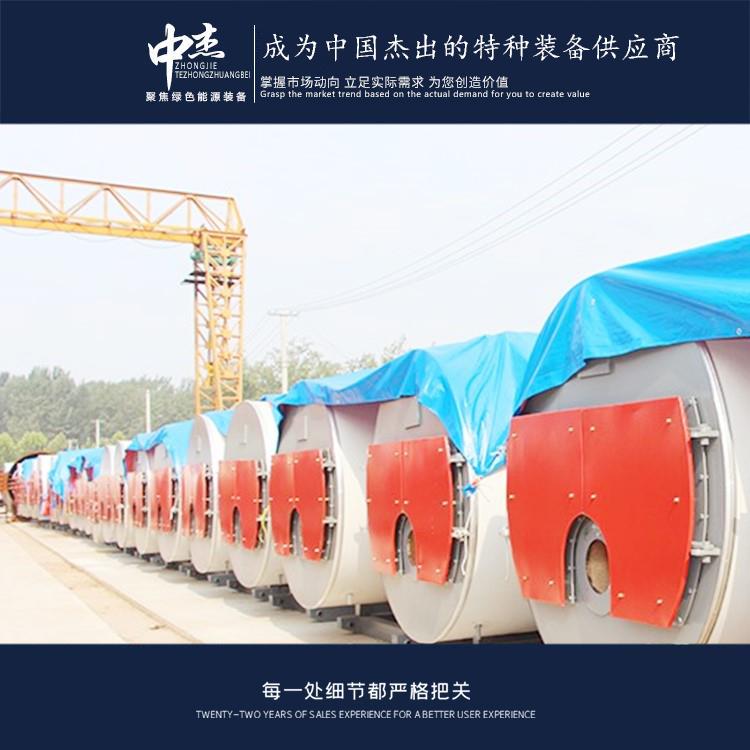


















Shandong Zhongjie Special Equipment Co., Ltd. specializes in the following products: fuel (gas) boilers, organic heat carrier boilers, biomass boilers, waste heat boilers, and other boiler products; vacuum insulation cryogenic pressure vessels such as LNG storage tanks, oxygen/nitrogen/argon storage tanks, CO2 storage tanks; pressure vessel products including denitrification engineering equipment, heat storage and energy storage equipment, complete chemical equipment sets; central air conditioning and HVAC equipment such as ground (water) source heat pumps, air source units, water-cooled screw units, and air-cooled modular units. Planned products include large-scale energy centers, LNG transport vehicles, LNG tank containers, and other green energy equipment.
To optimize and improve the planning of gas-fired boilers, consider the following aspects:
1. Energy Audit and Assessment: Conduct a comprehensive energy audit and assessment to understand the energy consumption of the gas-fired boiler system and identify potential energy-saving opportunities. Through data analysis and energy measurement, determine the main sources of energy consumption and bottlenecks to provide a basis for subsequent optimization.
2. Combustion System Optimization: Optimize the combustion system of the gas-fired boiler, including adjusting and cleaning burners, controlling the ratio of gas to air, and maintaining the combustion chamber. Ensure high combustion efficiency and gas utilization, reducing energy waste.
3. Heat Recovery: Consider installing heat recovery devices such as waste heat recovery systems or flue gas heat exchangers. These devices can utilize the excess heat from the flue gas emitted by the gas-fired boiler to heat water or other equipment requiring heat, improving energy utilization efficiency.
4. Pipe Insulation and Leak Inspection: Ensure that the insulation performance of gas and hot water pipes is good to reduce energy loss. Regularly check for pipe leaks and repair them promptly to avoid energy waste and safety hazards.
5. Control System Upgrade: Consider upgrading the control system of the gas-fired boiler to adopt automated control technology. Through control and regulation, achieve optimal operation of the gas-fired boiler.
Before ignition, the preparation of the steam boiler involves the following steps:
- Clean the boiler: First, clean the internal and external dirt and impurities from the boiler. Remove ash, sediments, and dirt to ensure combustion and heat exchange efficiency.
- Check fuel supply: Inspect the fuel supply system to ensure a smooth fuel supply. Check the fuel storage, conveying pipes, and filters, clearing blockages and replacing damaged parts.
- Inspect the burner: Check the operational status and cleanliness of the burner. Clean the burner's nozzle and flame detector to ensure normal operation.
- Check the gas system: For gas boilers, inspect the gas supply system. Check the gas pipes, valves, and pressure regulators to ensure safe and stable gas supply.
- Check water level and pressure: Inspect the boiler's water level and pressure. Ensure the water level is within the normal range, and pressure is stable and meets requirements. Add water and adjust pressure if necessary.
- Check safety devices: Inspect the boiler's safety devices, such as safety valves, pressure switches, and water level controllers. Ensure these devices operate normally to guarantee safe boiler operation.
- Prepare ignition tools: Prepare the tools and equipment needed for ignition, such as a lighter rod, igniter, and matches. Ensure these tools function properly and are safe.
- During the above preparation tasks, follow relevant operational procedures and safety requirements to ensure safety and effectiveness of the work. If unsure about the preparation process, consult experts or the boiler manufacturer for advice.
Gas-fired boilers are equipment that uses gas or similar fuels as fuel. They produce heat by burning gas, heating water into steam or hot water for heating, hot water supply, or industrial production. The working principle of a gas-fired boiler involves mixing gas with air, igniting the mixture to create high-temperature combustion gases, and then transferring the heat energy to the water through a heat exchanger, raising the water temperature. Gas-fired boilers are known for their environmental friendliness, safety, and other advantages, and are widely used in residential, commercial, and industrial fields.
The combustion safety and explosion-proofing of fuel-gas boilers are crucial. Here are some related safety measures:
1. Burner Selection and Adjustment: Choose burners that meet standard and specification requirements and ensure they are properly installed. The burner's parameters and adjustments should comply with design requirements to ensure a stable and safe combustion process.
2. Fuel Supply System: The fuel supply system of fuel-gas boilers must have safe and reliable characteristics. Fuel storage tanks, conveying pipes, and filters, among other equipment, should be inspected and maintained regularly to prevent leaks and blockages.
3. Combustion Control System: The combustion control system of fuel-gas boilers must possess control capabilities. The system should be able to monitor and adjust combustion parameters such as fuel supply volume and combustion air flow to ensure a stable and safe combustion process.
4. Safety Valves and Pressure Switches: Safety valves and pressure switches should be installed on fuel-gas boilers to protect their safe operation. Safety valves can automatically open when exceeding the set pressure, releasing excess-pressure gas or steam to prevent boiler explosion.
5. Gas Leak Detection: For gas boilers, gas leak detection devices should be installed. These devices can detect gas leaks in a timely manner and trigger an alarm to prevent gas accumulation and explosion.
6. Regular Inspections and Maintenance: Regularly inspect and maintain fuel-gas boilers, including cleaning burners, checking the combustion system, and adjusting combustion parameters. Promptly repair and replace damaged components to ensure normal operation and safety performance of the equipment.
7. Training and Operating Procedures: Train operators to ensure they understand the equipment's operation and safety protocols.
Our company attaches great importance to technological innovation and R&D design. We have one municipal-level enterprise technology center in Heze City, equipped with testing facilities for non-destructive testing, physical and chemical testing, welding testing, hydrostatic testing, etc. We have over 600 types of equipment, including CNC machine tools, X-ray flaw detectors, digital ultrasonic flaw detectors, mechanical property testing machines, chemical analyzers, spectrometers, tensile testing machines, plasma welding machines, and more. Our key products and technologies, such as temperature and pressure vessel welding, biomass boiler emission reduction, and waste heat utilization, have successively been shortlisted for multiple Shandong Provincial Department of Industry and Information Technology science and technology innovation projects, key projects in Shandong Province, and Heze City innovation and excellence projects. We have accumulated a total of 27 authorized utility models, 16 authorized inventions, participated in drafting 2 standards, 2 industry standards, and registered 15 trademarks. The technical team of our company, in collaboration with Professor Yajiang Li from Shandong University, has developed deep cryogenic container processing technology using the international plasma arc + filler wire tungsten inert gas arc welding (PAW-GTAW) technology. The provincial-level scientific and technological achievement identification has confirmed that the technology level has reached an international standard in the field of deep cryogenic container manufacturing.
Choose Jete's ready-to-wear, let's create brilliance together!
WeChat Official Account

Scan to follow Official Account



















