


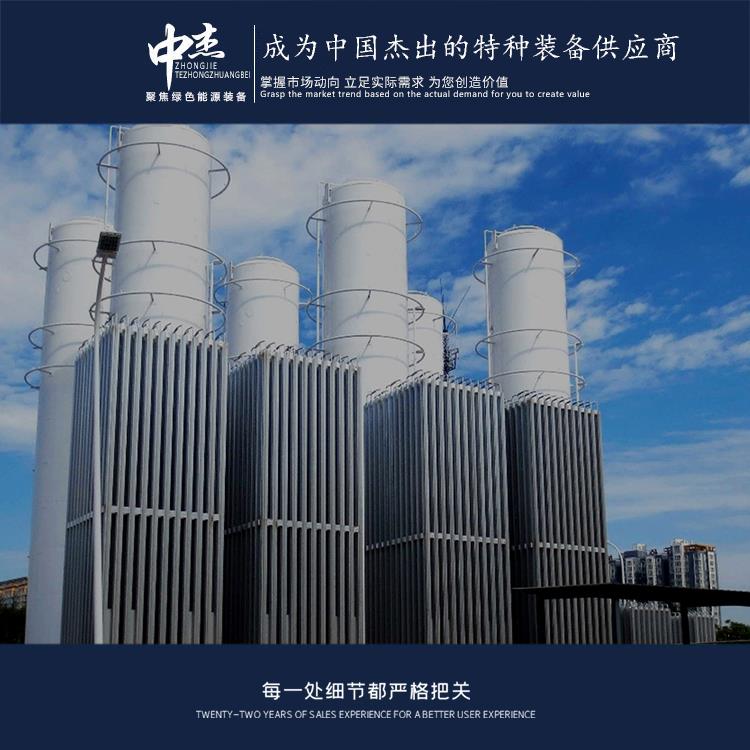

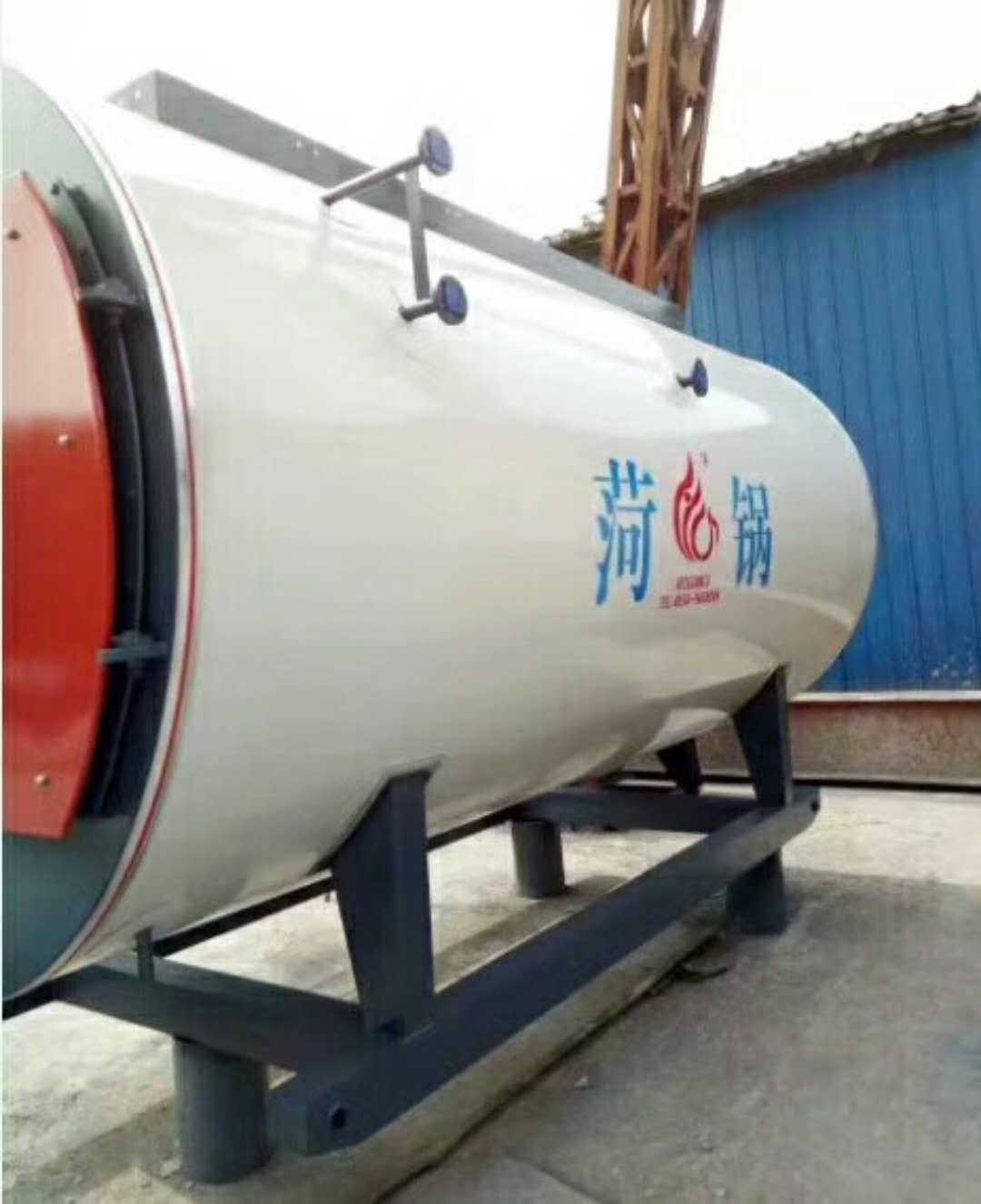
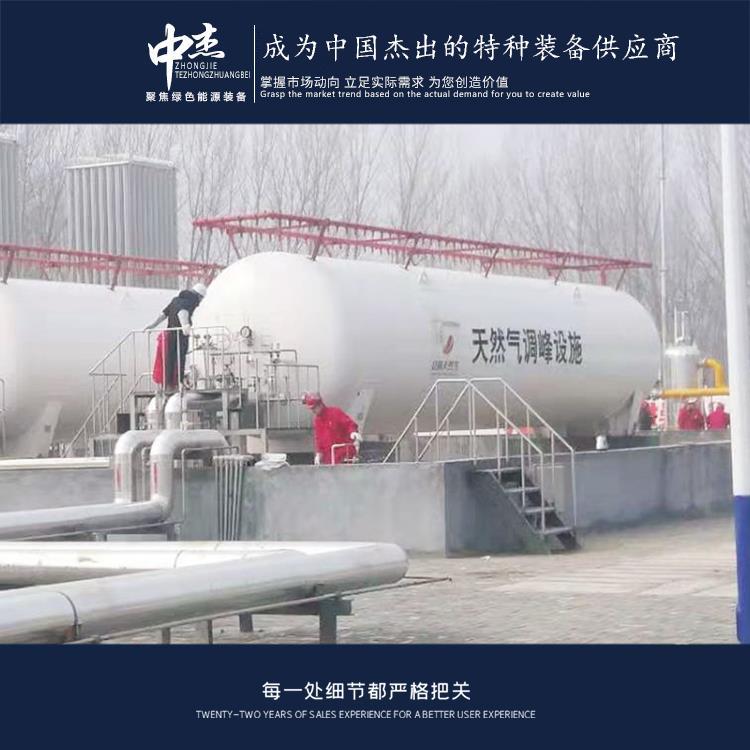


















Shandong Zhongjie Special Equipment (formerly Heze Boiler Factory Co., Ltd.) was established in 2001, located at No. 2218 Jinnan Road, Development Zone, Heze City, with a registered capital of 50 million yuan and total assets of 500 million yuan. The company has 7 business centers: boiler, deep-freezing container, pressure vessel, central air conditioning, engineering installation, international trade, and Internet of Things. It has three factory areas on Jinnan Road, East Changjiang Road, and Bohai Road, covering a total of 200,000 square meters, with the main workshop spanning 83,000 square meters. It currently employs 710 staff, including 247 engineers and technicians, and 82 intermediate-level technicians. In December 2016, it was recognized as a "High-tech Enterprise" by the Science and Technology Department. In June 2021, it was identified as a "Specialized and New Enterprise in Shandong Province" by the Ministry of Industry and Information Technology. In June 2022, it was recognized as a "Gazelle Enterprise in Shandong Province" and in August 2022, as a "Specialized and New Small Giant Enterprise" by the Ministry of Industry and Information Technology.
Carbon dioxide tanks are widely used in many industries. Here are some common sectors with examples of their use:
- Beverage and Food Industry: Carbon dioxide is used as a carbonating agent for beverages and foods, in the production of sodas, beers, soft drinks, etc. Tanks are used for storing and supplying carbon dioxide to meet production line demands.
- Industry: Carbon dioxide has various applications in industry, such as anesthesia, respiration, tissue freezing, etc. Tanks are used for storing and supplying medical-grade carbon dioxide to meet facility requirements.
- Fire Suppression: Carbon dioxide is extensively used in fire suppression systems, particularly in extinguishing electrical and sensitive equipment. Tanks are used for storing and supplying fire-fighting carbon dioxide.
- Gas Industry: Carbon dioxide is also a significant product in the gas industry, used in the production of chemicals, metal processing, welding, gas shielding, etc. Tanks are used for storing and supplying industrial-grade carbon dioxide.
- Greenhouse Agriculture: Carbon dioxide can be used to promote plant growth in greenhouses, providing additional carbon dioxide concentration. Tanks are used to supply the required carbon dioxide for greenhouse use.
- Automotive Industry: Carbon dioxide is used for tire inflation and airbag systems in cars. Tanks are used for storing and supplying carbon dioxide to meet the needs of car manufacturing and repair.
These are just some common industry examples. In reality, carbon dioxide tanks have wide applications in many other sectors, such as chemicals, frozen food, etc. Specific uses vary depending on industry needs and application scenarios.
Carbon dioxide storage tanks are categorized into various types and structures based on their design and usage:
Vertical Tanks: Vertical tanks are a common type of carbon dioxide storage tank, having a cylindrical shape and a vertical placement. These tanks typically offer larger capacities and are used for large-scale carbon dioxide storage and supply.
Horizontal Tanks: Horizontal tanks are another common type, with a rectangular or cylindrical shape and a horizontal placement. They are generally used for smaller-scale storage and supply, suitable for limited spaces.
Spherical Tanks: Spherical tanks are a specialized type, with a spherical shape. They possess high strength and pressure-bearing capacity, suitable for high-pressure carbon dioxide storage and transport.
Upright Tanks: Upright tanks are smaller in capacity, with a cylindrical shape and a vertical placement. They are commonly used for small-scale storage and supply, such as in commercial and residential settings.
Underground Tanks: Underground tanks are a special structure where the carbon dioxide storage tank is buried. They save space, reduce visual impact, and provide safety and environmental protection.
These tanks are usually constructed from pressure-resistant materials (such as carbon steel or stainless steel) and feature insulation properties, along with accessories like safety valves, pressure gauges, and level indicators. The interior often contains baffles or partitions to separate different liquids or gases. Additionally, the tanks are equipped with safety systems, such as pressure maintenance systems, leak detection systems, and fire detection systems.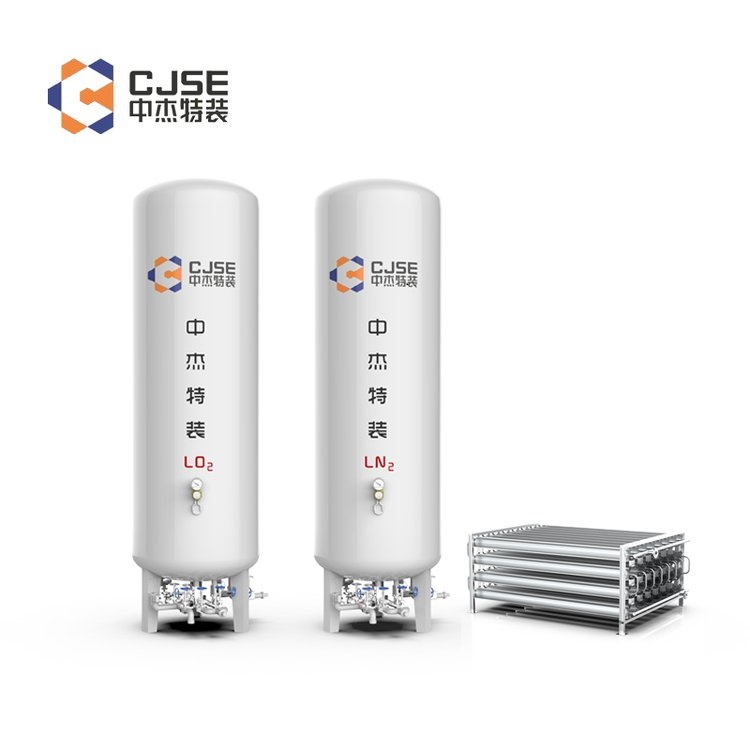
For the maintenance and care of low-temperature liquid storage tanks, here are some tips and precautions:
- Regular Inspections: Periodically check the tank's exterior, internal lining, valves, and pipeline connections for signs of corrosion, cracks, or oil leaks.
- Cleaning and Draining: Regularly clean the tank's interior to remove accumulated impurities and sediments. Also, periodically drain the tank to remove liquid and gas impurities.
- Corrosion Protection: The exterior shell and inner lining of low-temperature liquid storage tanks should be treated with corrosion protection. Regularly inspect and maintain the protective coating or paint to ensure its integrity and effectiveness.
- Temperature and Pressure Control: Maintain the tank's temperature and pressure within the design limits. Avoid extremes that could damage the tank.
- Safety Equipment Checks: Inspect the tank's safety equipment, such as safety valves, pressure sensors, and temperature sensors, to ensure they are functioning properly. Verify that their set parameters meet requirements.
- Level Measurement System Maintenance: Regularly check and calibrate the level measurement system for accuracy and reliability. Clean or replace level sensors as needed.
- Fire Prevention Measures: Fire prevention is crucial for low-temperature liquid storage tanks. Ensure that fire equipment around the tank is in good condition and conduct fire drills regularly.
- Regular Assessments and Monitoring: Regularly assess and monitor the tank for structural integrity, corrosion, and safety. Implement maintenance and repair measures based on assessment results.
- Operator Training: Operators should be trained to understand the characteristics, operational requirements, and safety measures of low-temperature liquid storage tanks. Training should include safe operation, leak handling, and emergency procedures.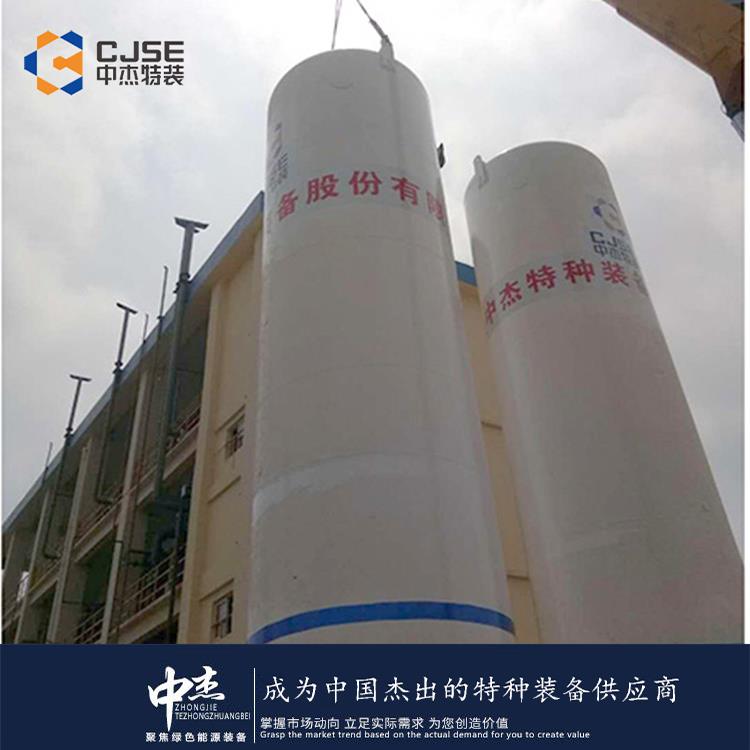
Carbon dioxide storage tank debugging typically involves the following steps and contents: Tank Installation Inspection: Check if the tank's installation location, foundation, and support structure meet design requirements, ensuring the tank's stability and safety. Pipeline Connection Inspection: Verify that the connections between the tank and inlet/outlet pipelines are secure, and that valves and pipelines can be opened and closed properly, ensuring the integrity and normal operation of the pipeline system. Tank Cleaning and Emptying: Before debugging, clean and empty the tank to ensure there are no impurities or residues inside, as well as no other gases or liquids. Tank Pressure Testing: Conduct pressure tests on the tank, including static pressure tests and leak tests. Static pressure tests involve increasing pressure to check the tank's sealing and pressure resistance. Leak tests are to check for any leakage in the tank and pipeline system. Control System Debugging: Calibrate and adjust the control system of the tank, including pressure, temperature, and level sensors, to ensure the accuracy and reliability of the control system. Safety System Testing: Test the safety system of the tank, including the functionality of safety valves, pressure gauges, and level gauges, to ensure the normal operation and responsiveness of the safety system. Operating Parameter Adjustment: Adjust the operating parameters of the tank according to actual needs and process requirements, such as pressure, temperature, and level, to meet process requirements and safe operation. Documentation and Reporting: Record and organize data, test results, and operational records during the debugging process, generate a debugging report for future reference and management. The above are general steps and contents of carbon dioxide storage tank debugging, and specific debugging operations may vary depending on the tank's design requirements and application scenarios. During debugging operations, strictly adhere to relevant safety operation procedures and standards to ensure the safety and effectiveness of the debugging process.
Shandong Zhongjie Special Equipment, welcome customers to visit our factory for business discussions.
WeChat Official Account

Scan to follow Official Account



















