


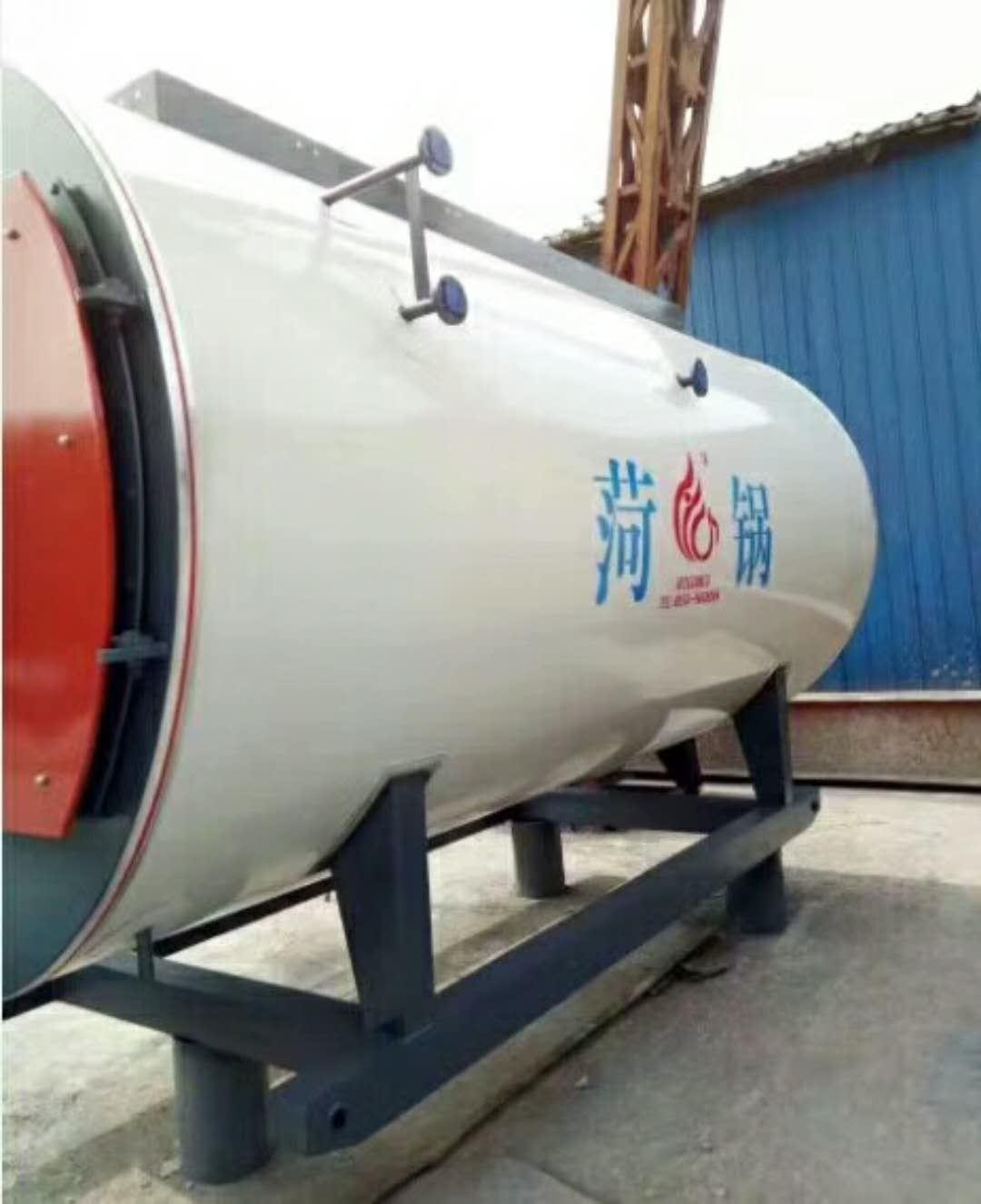

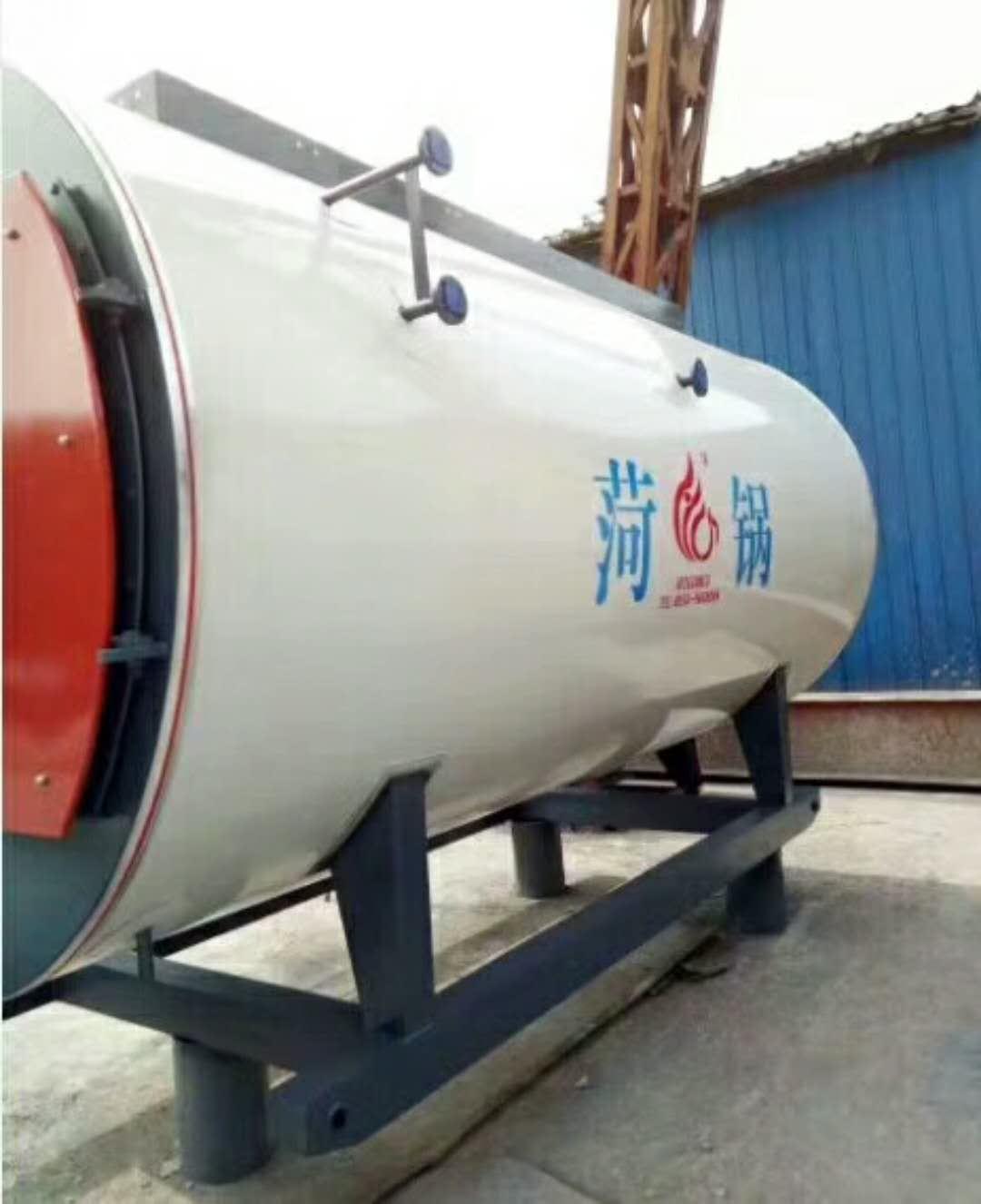
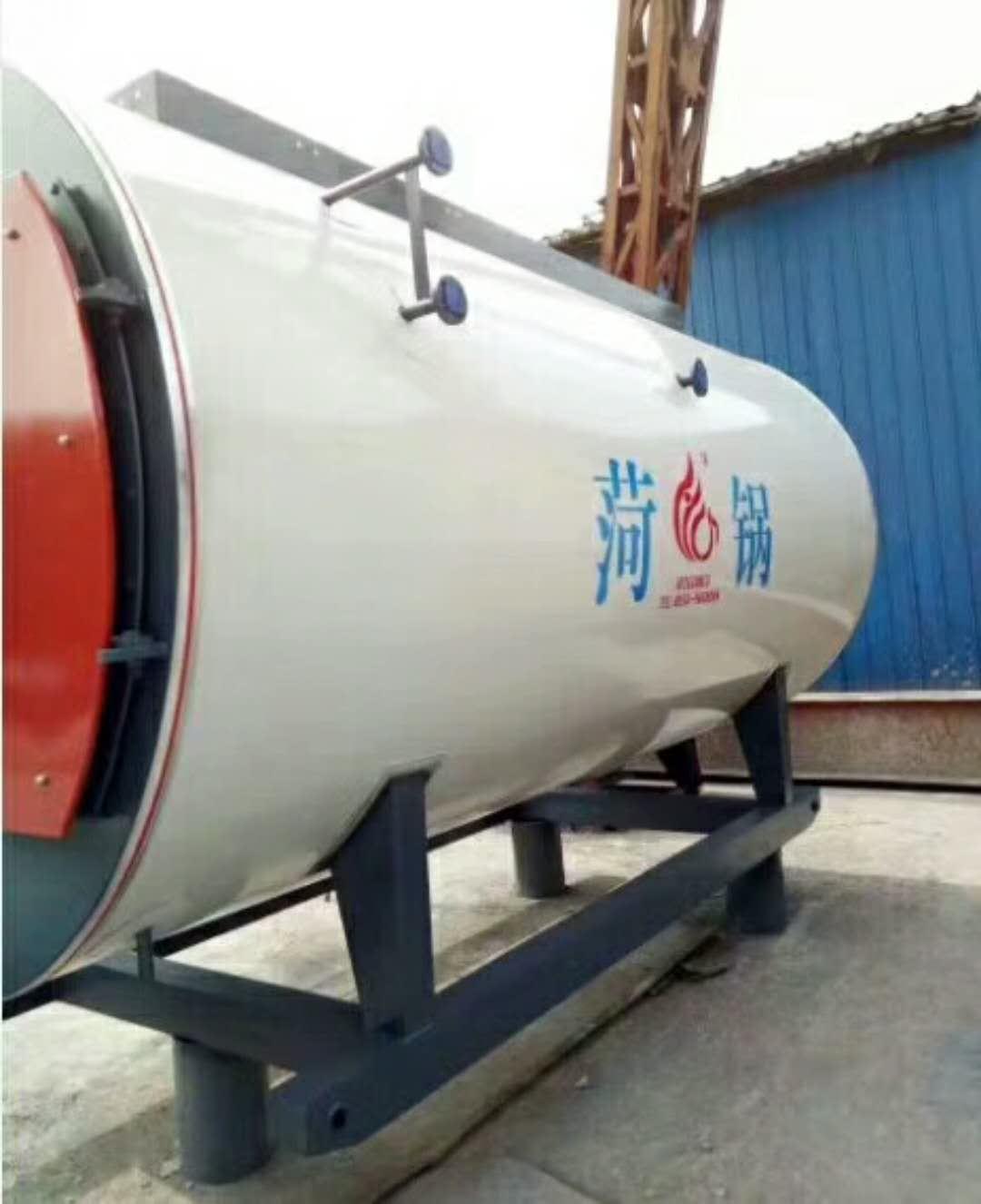


















Shandong Zhongjie Special Equipment (formerly Heze Boiler Factory Co., Ltd.) holds an A-grade boiler manufacturing license, an A2-grade pressure vessel manufacturing license, an A2-grade pressure vessel design license, a B-grade boiler installation license, and GB2/Class, GC2/Class pressure pipeline installation licenses, as well as an equipment and machinery installation contracting qualification. It is a member of the China Boiler and Water Treatment Association, the China Chemical Equipment Association, and the council member of the Shandong Equipment Manufacturing Association. The company has also passed certifications for the ISO9001 Quality Management System, ISO14001 Environmental Management System, OHSAS18001 Occupational Health and Safety Management System, and the American ASME/U2 certification.
The use of liquid nitrogen storage tanks in rapid freezing technology offers several advantages:
Rapid Freezing Speed: Liquid nitrogen has a low temperature of about -196 degrees Celsius. Using liquid nitrogen tanks for rapid freezing can quickly lower the surface temperature of food, achieving fast freezing. Compared to traditional freezing methods, liquid nitrogen freezing can significantly reduce freezing time while preserving the quality and texture of the food.
Uniformly Frozen Effect: The liquid nitrogen rapid freezing technique achieves rapid and even freezing of food. Liquid nitrogen is喷射ed onto the food surface in a gaseous form, quickly absorbing heat and turning into a liquid, thereby ensuring even freezing of the food and avoiding crystallization and clumping during the freezing process.
Maintain Food Quality: Liquid nitrogen rapid freezing quickly chills food, reducing crystallization and clumping during the freezing process, thereby preserving the quality and texture of the food. During the rapid freezing process, liquid nitrogen rapidly lowers the surface temperature of the food, forming tiny frozen structures, effectively retaining the food's moisture and nutritional content.
Flexibility and Adaptability: Liquid nitrogen tanks can be adjusted and controlled to cater to various types of food and freezing requirements. The flow rate and angle of liquid nitrogen injection can be adjusted according to the size, shape, and freezing needs of the food, to achieve optimal freezing effects.
Environmental Protection and Energy Saving: Liquid nitrogen rapid freezing technology is more energy and resource-efficient compared to traditional freezing methods. Liquid nitrogen rapidly evaporates during the freezing process, causing environmental pollution and generating waste water and waste gas.
Be mindful that when using liquid nitrogen tanks for rapid freezing, it is crucial to adhere to the relevant safety operating procedures and guidelines. Ensure that operators are equipped with the necessary safety awareness and operational skills to prevent accidents. Additionally, consult
One of the common drawbacks of pressure vessels during use is corrosion. Corrosion refers to the reaction between the metal surface and chemical substances in the environment, leading to damage to the metal surface and thinning of the material. The following are common corrosion drawbacks of pressure vessels:
Pitting Corrosion: Pitting corrosion refers to localized indentations or holes on the surface of metal. This type of corrosion is usually caused by corrosive substances present in the local environment, such as acids, salts, etc.
Bacterial Corrosion: Bacterial corrosion is a type of corrosion caused by microorganisms. These organisms can form biofilms inside pressure vessels and produce acidic substances, leading to corrosion of the metal surface.
Punch Corrosion: Punch corrosion refers to the penetrating corrosion phenomenon on the surface of metal. This type of corrosion usually occurs due to the damage or defect of the protective layer on the metal surface, allowing corrosive substances to directly contact the metal.
Stress Corrosion Cracking: Stress corrosion cracking occurs when metal surfaces are simultaneously subjected to stress and corrosive environments, leading to the formation and propagation of cracks. This type of corrosion is commonly found in pressure vessels operating under high stress and corrosive conditions.
Corrosion can lead to material thinning and reduced strength in pressure vessels, even triggering severe consequences such as leaks or ruptures. Therefore, the following measures should be taken to address corrosion issues in pressure vessels:
Regularly inspect and evaluate the corrosion of pressure vessels, including methods such as visual inspections and non-destructive testing.
Implement corrosion prevention measures such as coating protection, cathodic protection, and selecting appropriate materials to minimize corrosion occurrence and progression.
Regularly clean and maintain pressure vessels to remove dirt and impurities that may cause corrosion.
Adhere to relevant safety standards and operational guidelines to ensure the safe and proper operation of pressure vessels.
For severely corroded pressure vessels, repairs or replacements may be necessary to ensure their safety and reliability.
Liquid nitrogen tanks are widely used in various industries, mainly including the following aspects:
Industry: Liquid nitrogen tanks are used for storing and supplying liquid nitrogen, which is essential for low-temperature cryopreservation of biological samples, cells, tissues, and vaccines. They are widely applied in biopharmaceutical research institutions, biobanks, and other organizations.
Experimental Research: Liquid nitrogen tanks are used in scientific research and laboratories to provide low-temperature environments for cryopreservation and cryogenic experiments. They play a crucial role in experimental research across fields such as physics, chemistry, biology, and materials science.
Metalworking Industry: Liquid nitrogen tanks are used in the metalworking and welding industries to provide low-temperature cooling for processes such as metal cutting, welding, and heat treatment. These tanks offer low temperatures that enable metals to achieve the required hardness and toughness during processing.
Food Industry: Liquid nitrogen tanks are used in the food industry for freezing and refrigeration of foods such as frozen meats, frozen fruits, and frozen seafood. The low temperature of liquid nitrogen can quickly freeze the food, preserving its freshness and quality.
Semiconductor Industry: Liquid nitrogen tanks are used in semiconductor manufacturing and the electronics industry to provide a low-temperature environment, for the freezing and preparation of semiconductor materials. The low temperature of liquid nitrogen can enhance the purity and performance of semiconductor materials.
The configuration of liquid nitrogen tanks typically includes the following aspects:
Vessel Structure: Liquid nitrogen tanks typically feature a double or multi-layered design, filled with insulating material in between to minimize heat transfer and evaporation of the liquid nitrogen. The tank material is usually stainless steel or aluminum alloy, offering excellent corrosion and low-temperature resistance.
Insulation Layer: The insulation layer of liquid nitrogen tanks typically employs multi-layered insulation materials such as polyethylene foam, glass fiber, and vacuum layers, to minimize heat transfer and evaporation of liquid nitrogen.
Temperature Control System: Liquid nitrogen tanks are typically equipped with a temperature control system to regulate the tank's temperature, ensuring the maintenance of the liquid's state.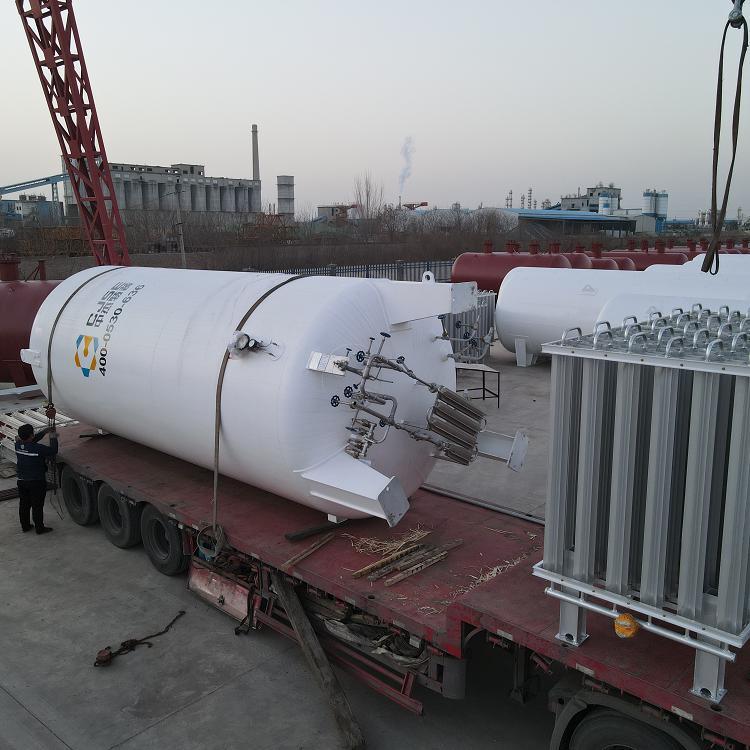
Maintaining and caring for liquid nitrogen tanks is crucial for ensuring their safe operation and extending their lifespan. Here are the maintenance and care methods for liquid nitrogen tanks:
Regular Inspections: Conduct regular inspections of the liquid nitrogen tank's exterior and interior conditions, including checking for leaks, corrosion, wear, or other damage. Pay special attention to inspecting the tank's interfaces, valves, and pipelines, ensuring they are functioning properly.
Cleaning and Defrosting: Regularly clean the exterior surface of the liquid nitrogen tank to remove dust and dirt. If there is ice or frost inside the tank, defrosting is required to maintain the normal operation of the tank.
Level Monitoring: Regularly monitor the liquid nitrogen tank's level to ensure the stored quantity of liquid nitrogen remains within a safe range. In case of abnormal levels, adjustments or supplementation of liquid nitrogen are required promptly.
Inspection and Replacement of Parts: Regularly inspect and replace critical components of liquid nitrogen storage tanks, such as safety valves, pressure sensors, and temperature sensors, to ensure their proper functioning and accuracy.
Inspect the insulation layer: Regularly check the liquid nitrogen tank's insulation layer to ensure its integrity and insulating performance. If any damage or aging is found in the insulation layer, it should be repaired or replaced promptly.
Regular Calibration: Regularly calibrate the gauges and sensors of liquid nitrogen tanks to ensure their accuracy and reliability. Calibration should be conducted according to relevant standards and specifications.
Safety Training and Operating Procedures: Conduct regular safety training for liquid nitrogen tanks, ensuring operators are familiar with the safe operating procedures and emergency response measures.
Note that maintenance and care of liquid nitrogen tanks should be conducted by trained and authorized personnel. Adhere to relevant safety regulations and operational guidelines to ensure the safety and effectiveness of the maintenance work.
Zhongjie Special Equipment upholds the grand vision of "realizing employees' dreams, creating value for customers, and striving for the prosperity and strength of our motherland," wholeheartedly devoting itself to the development of green energy equipment. We offer society products and services with high cost-performance!
WeChat Official Account

Scan to follow Official Account



















