


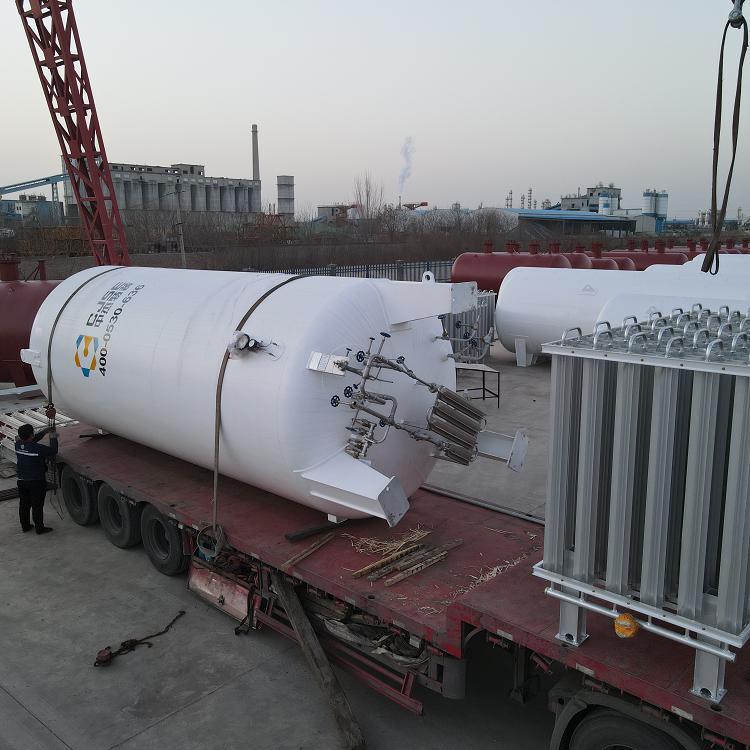

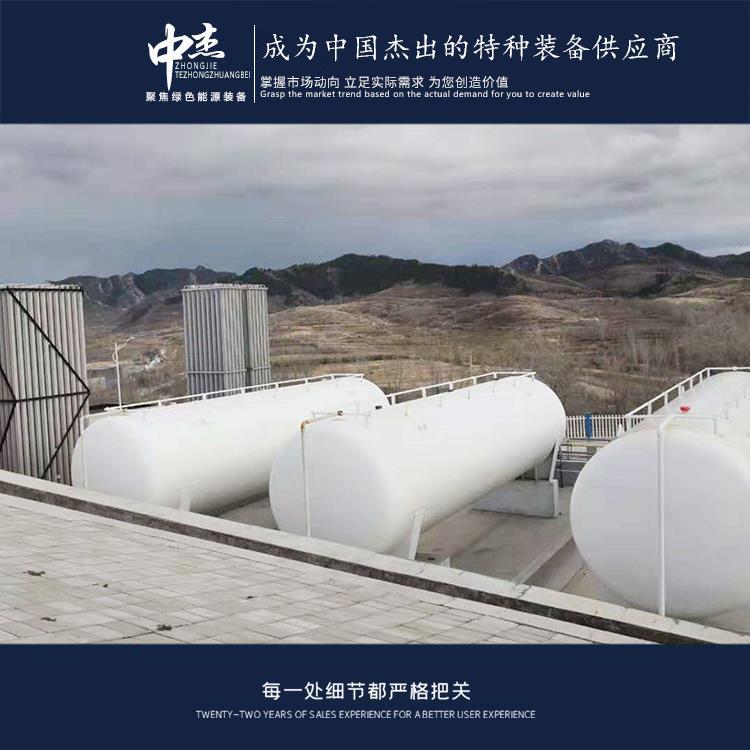
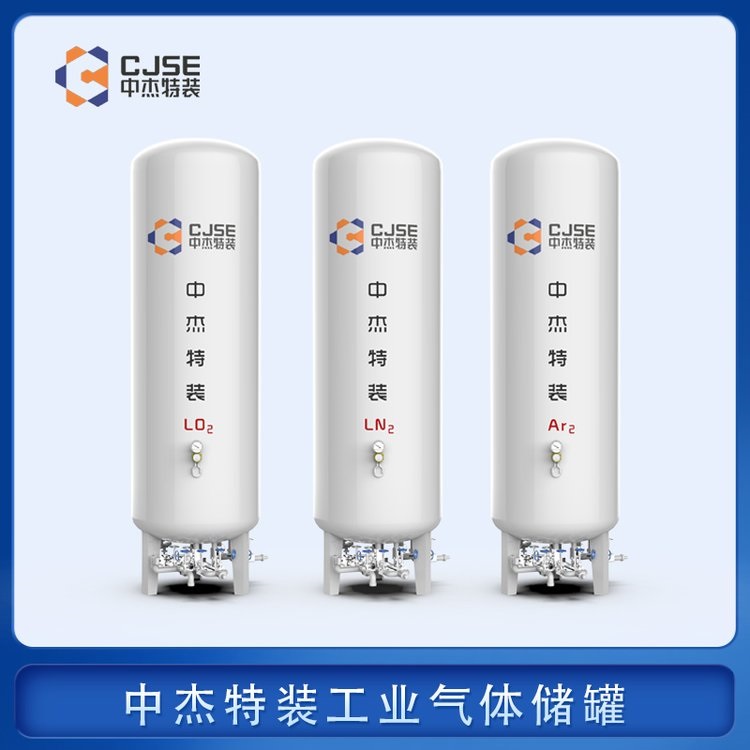


















Shandong Zhongjie Special Equipment Co., Ltd. specializes in the following products: fuel (gas) boilers, organic heat carrier boilers, biomass boilers, waste heat recovery boilers, and other boiler products; vacuum insulation deep-freeze pressure vessels such as LNG storage tanks, oxygen-nitrogenargon storage tanks, and CO2 storage tanks; pressure vessel products including denitrification engineering equipment, heat storage and energy storage equipment, and complete chemical equipment; central air conditioning and ventilation equipment such as ground (water) source heat pumps, air-source units, water-cooled screw units, and air-cooled modules. Planned products include large-scale thermal energy centers, LNG transport vehicles, LNG tank containers, and other green energy equipment.
During the use of low-temperature liquid storage tanks, the following points should be noted:
Protective Gear: When handling low-temperature liquid storage tanks, it is mandatory to wear appropriate protective gear, including gloves, protective suits, and non-slip shoes. This gear protects the skin from harm caused by low-temperature liquids.
Avoid direct contact: Low-temperature liquids are cold and can cause chills. Therefore, direct contact with low-temperature liquids should be avoided, especially with the skin. Use tools or utensils for handling, to prevent direct hand contact with low-temperature liquids.
Ventilation Requirements: In the operating area of low-temperature liquid storage tanks, adequate ventilation must be ensured to expel gases produced by the evaporation of low-temperature liquids. Maintain air circulation to avoid excessive oxygen concentration and reduce the risk of fire and explosion.
Prevent Leaks: Regularly inspect the leakage conditions of low-temperature liquid storage tanks, equip with leak detection and alarm systems. In case of leakage, take immediate measures to control and repair the leak. Avoid the hazards of low-temperature liquid leaks to personnel and the environment.
Fire Prevention Measures: Low-temperature liquids have low boiling and freezing points, which are prone to cause fires. To prevent and contain fires, fireproof walls and fire-resistant coatings should be installed around low-temperature liquid storage tanks.
Static Protection: Handling low-temperature liquids may generate static electricity, increasing the risk of sparks causing fires. Measures such as using static-conductive materials and anti-static equipment should be taken to reduce the accumulation and release of static electricity.
Regular Inspections and Maintenance: Conduct regular checks on the condition of low-temperature liquid storage tanks and related equipment, including valves, pipelines, pressure gauges, etc. Ensure that the equipment is in perfect condition, and promptly repair or replace any damaged parts.
Waste Gas Treatment: During the process of using low-temperature liquids, waste gas is produced, and appropriate waste gas treatment measures must be taken to minimize environmental impact.
The above are the precautions to be taken when using low-temperature liquid storage tanks, ensuring operational safety and the normal operation of the tank. During operation, it is essential to strictly follow the relevant operational procedures and safety requirements, avoiding...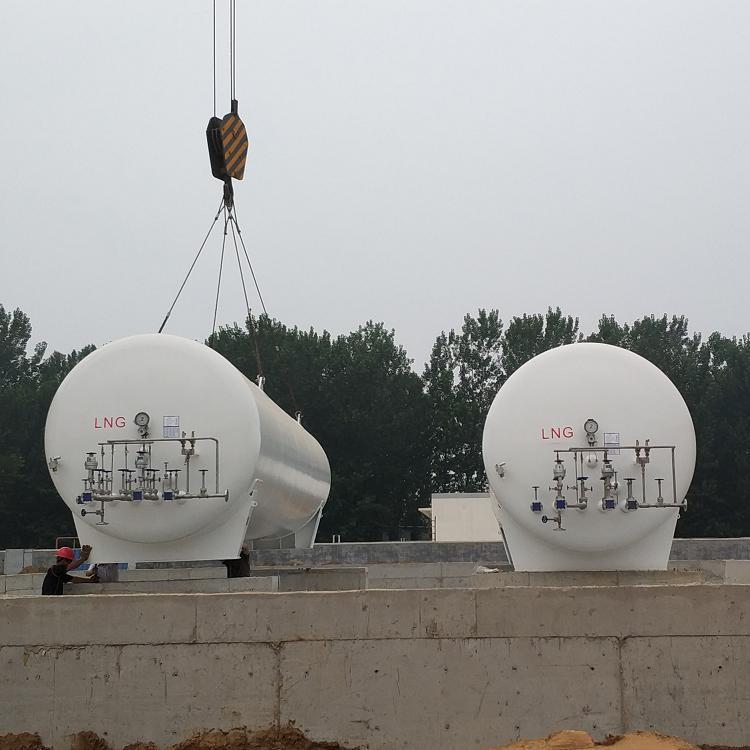
The spacing regulations between liquid oxygen storage tanks are typically governed by relevant safety standards and specifications to ensure safe distances and fire separations between tanks. The following is a reference for general spacing rules for liquid oxygen storage tanks:
Horizontal spacing between tanks: The horizontal spacing between liquid oxygen tanks is typically required to maintain a certain distance to prevent heat transfer and mutual interference between tanks. The specific spacing distance should be determined based on factors such as tank capacity, pressure, and arrangement, generally suggesting maintaining a safe distance to ensure safe operation and maintenance between tanks.
Tank and building or facility spacing: The spacing between liquid oxygen tanks and buildings, other facilities must also meet relevant safety requirements. This is to prevent the tanks from causing danger to surrounding buildings or facilities in the event of a leak or accident. Specific spacing requirements will be determined based on factors such as the tank's capacity, pressure, and surrounding environment, with a general recommendation to maintain a certain safety distance.
Fire separation: It is crucial to maintain fire separation between liquid oxygen tanks and between tanks and buildings. Liquid oxygen has a high oxygen content and is flammable, which means it can cause fires if there is a leak or accident. Therefore, liquid oxygen tanks must maintain a certain distance from other facilities to ensure that a fire does not spread or pose a danger to the surrounding environment.
It's important to note that specific oxygen liquid storage tank spacing regulations may vary by region or industry. When designing, arranging, and operating oxygen liquid storage tanks, adhere to local safety standards and regulations, and consult with experts for accurate guidance.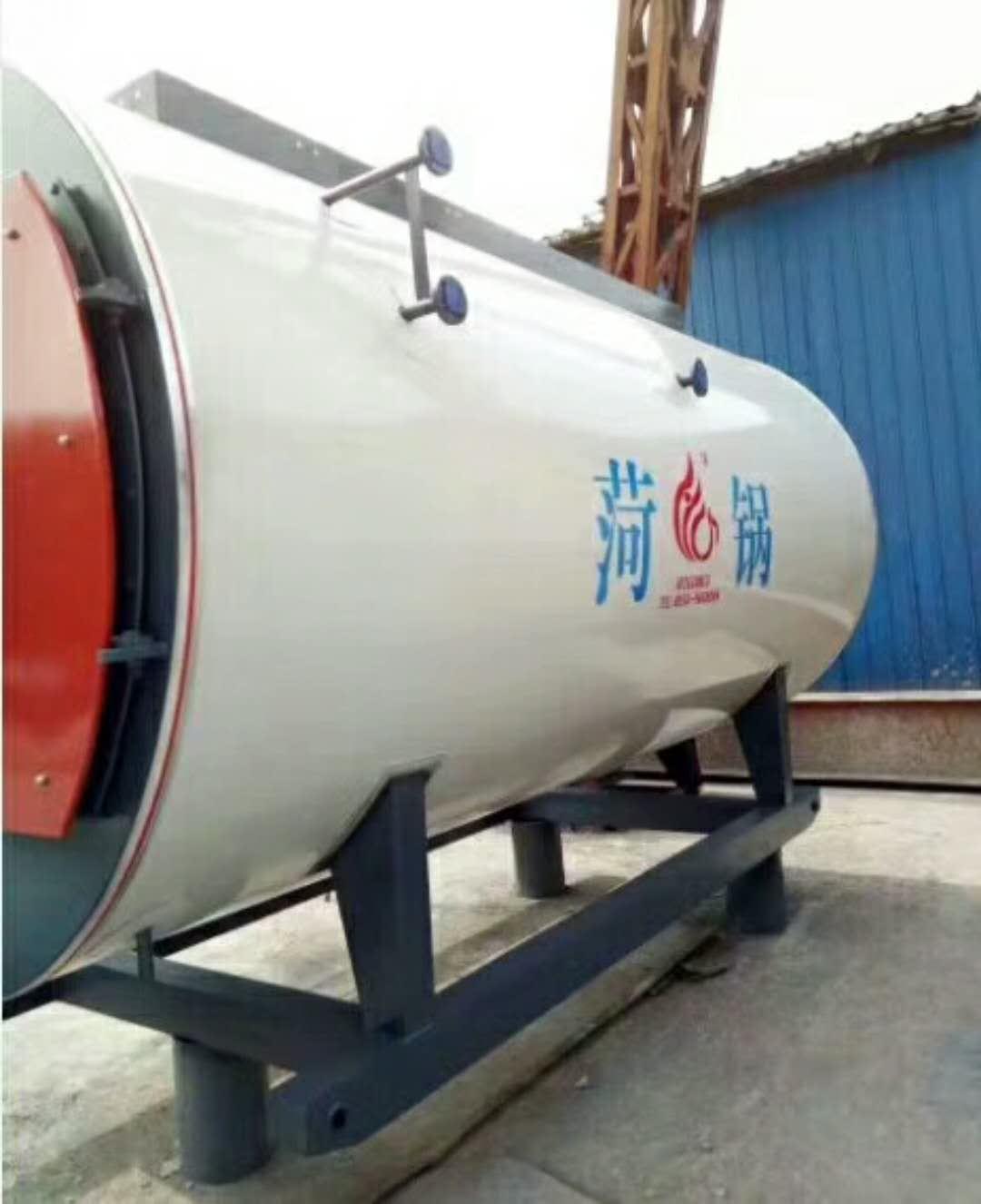
A liquid nitrogen tank is a device used for storing liquid nitrogen, widely used in the following fields:
Frozen Food and Cold Chain Logistics: Liquid nitrogen tanks are used in the frozen food and cold chain logistics industry to freeze or chill food and other perishable items, extending their shelf life and maintaining freshness. The low temperature of liquid nitrogen can quickly freeze food, prevent bacterial growth, and prevent spoilage.
Biological Sample Storage: Liquid nitrogen tanks are extensively used in the field for freezing biological samples, cells, tissues, and more. The low temperature of liquid nitrogen can effectively preserve the integrity and activity of biological materials, used in fields such as medical research, biomedical engineering, and transplantation.
Laboratory Research: Liquid nitrogen tanks are utilized in scientific research and laboratories to provide liquid nitrogen as a coolant and freezing medium. The low temperature of liquid nitrogen can be used for cooling laboratory equipment, material research, superconducting electronics, and low-temperature physics.
Metalworking and Welding: Liquid nitrogen tanks are used in metalworking and welding to cool and control the temperature of metals. Liquid nitrogen can rapidly cool metals, improve the hardness and strength of metals, and reduce deformation and stress.
Gas Storage and Supply: Liquid nitrogen tanks are also used for storing and supplying nitrogen gas. Liquid nitrogen can be converted into gaseous nitrogen through evaporation and used in applications such as gas shielded welding, gas fire suppression systems, gas analysis, and laboratory gas supply.
In summary, liquid nitrogen tanks are widely used in the fields of frozen food, laboratory research, metalworking, and gas supply, providing storage and supply functions for liquid nitrogen at application sites.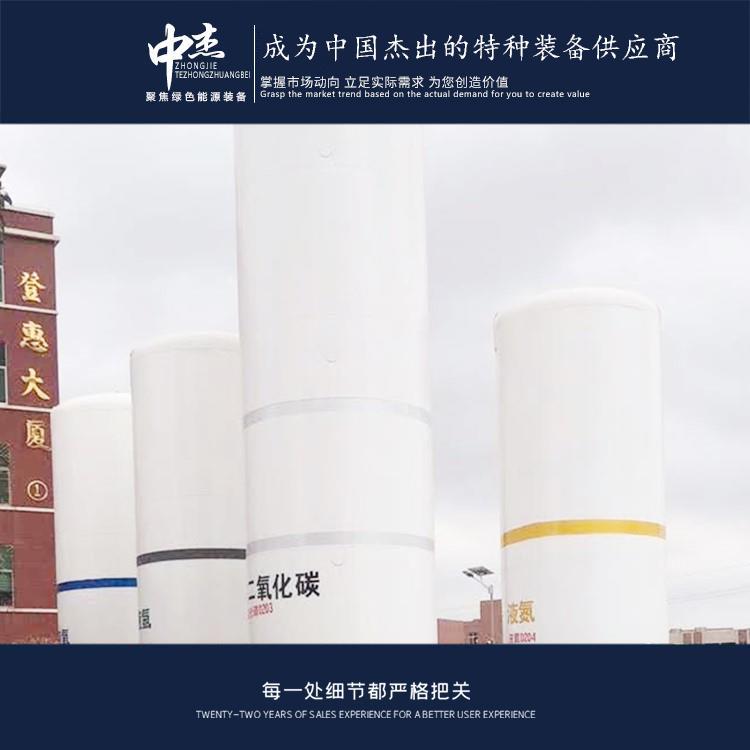
To extend the service life of liquid argon storage tanks, the following measures can be taken:
Regular inspections and maintenance: Conduct periodic visual inspections of the liquid argon storage tank, check valves and connections, and perform leak detection and pressure testing. Identify and repair potential issues promptly to ensure the normal operation of the tank.
Maintain the insulation layer: The insulation is crucial for the thermal preservation of liquid argon storage tanks. Regularly inspect the integrity and insulating properties of the insulation, repair or replace any damaged insulation material to ensure the tank's insulating effectiveness.
Regulate Liquid Argon Temperature: Maintain the liquid argon temperature within an appropriate range to prevent damage to the storage tank from excessive or low temperatures. Implement suitable cooling or heating measures to ensure stable liquid argon temperature.
Corrosion Protection: The exterior shell and internal structure of the liquid argon tank should be protected against corrosion and oxidation. Regular inspections and maintenance of the protective coating are required to ensure its integrity.
Avoid excessive pressure and overfilling: Prevent the internal pressure of the tank from being too high or too low, as well as overfilling with liquid argon. Excessive pressure and overfilling may lead to structural cracking or damage to the tank.
Regular Cleaning and Drainage: Perform regular internal tank cleaning to remove accumulated impurities and dirt. Conduct regular drainage to prevent contaminants and sediments in liquid argon from damaging the tank.
Safe Operation and Training: Ensure operators are knowledgeable and skilled in the safe handling of liquid argon tanks. Strengthen safety training to enhance operators' safety awareness and emergency response capabilities.
Establish comprehensive management records and documents, including tank usage, inspection, and maintenance records. Regularly review and update these records to ensure safe management and maintenance of the tanks.
These measures can help extend the service life of liquid argon storage tanks, but specific operations and management are required based on the type and application of the tank. When performing maintenance and operation, please adhere to relevant regulations and standards, and consult with experts to ensure safety and effectiveness.
Shandong Zhongjie Special Equipment, welcome customers to our factory for business discussions.
WeChat Official Account

Scan to follow Official Account



















