


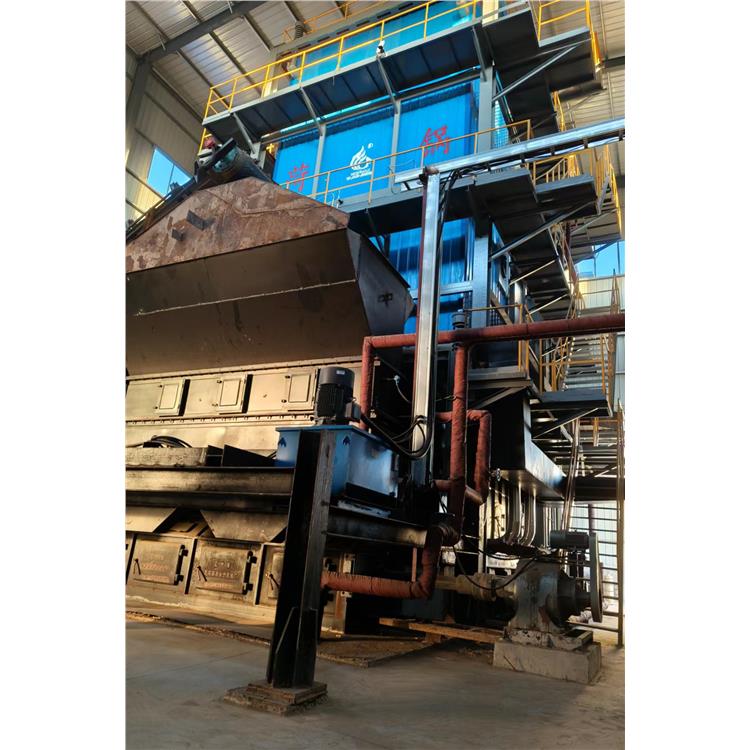

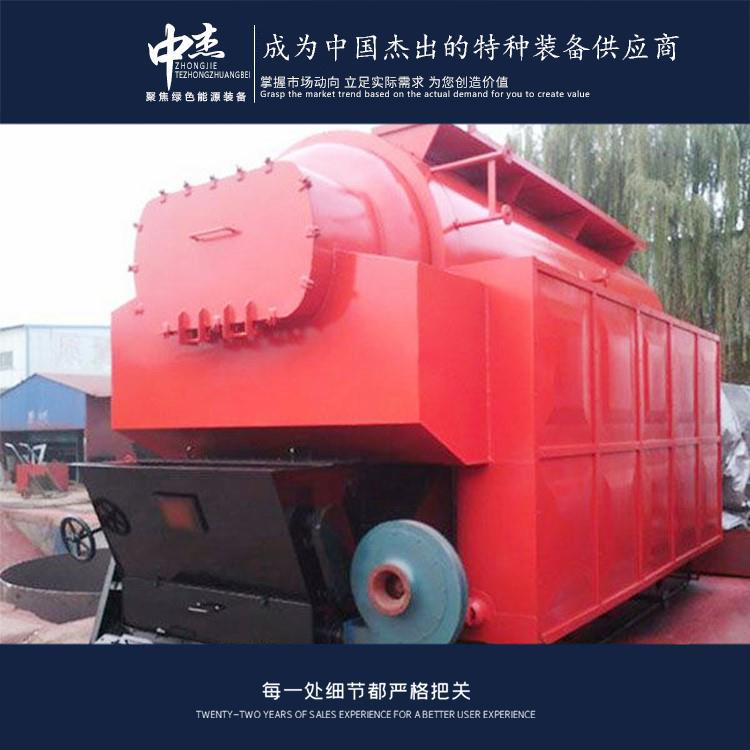
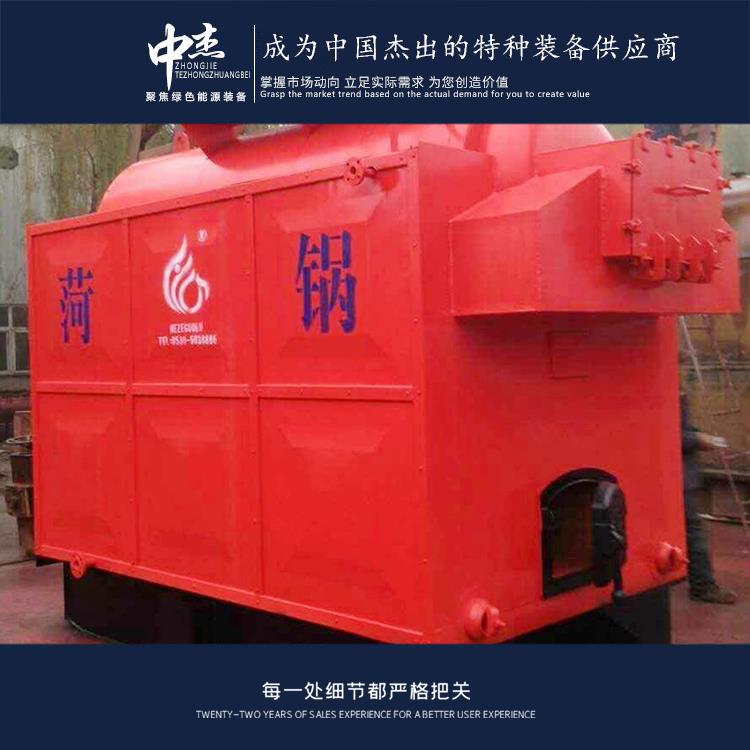


















Shandong Zhongjie Special Equipment (formerly Heze Boiler Factory Co., Ltd.) holds an A-grade boiler manufacturing license, an A2-grade pressure vessel manufacturing license, an A2-grade pressure vessel design license, a B-grade boiler installation license, and GB2/Class and GC2/Class pressure pipeline installation licenses, as well as a mechanical and electrical equipment installation contracting qualification. It is a member of the China Boiler and Water Treatment Association, the China Chemical Equipment Association, and a council member of the Shandong Equipment Manufacturing Association. The company has also passed the ISO9001 Quality Management System, ISO14001 Environmental Management System, OHSAS18001 Occupational Health and Safety Management System certifications, and the American ASME/U2 certification.
The YGL series organic heat carrier boiler is a boiler equipment that utilizes organic heat carriers to transfer heat energy. Its main components and features are as follows:
Composition:
Furnace Body: The furnace body is the main part of the organic heat carrier furnace, including the furnace chamber, combustion chamber, and flue, etc. Made of steel, it boasts excellent high-temperature resistance.
Combustion System: The combustion system includes burners, combustion fans, and combustion control systems. The burners are responsible for injecting fuel into the furnace for combustion, the combustion fans supply the oxygen required for combustion, and the combustion control system achieves automatic control of the combustion process.
Heat Exchange System: The heat exchange system includes a heat carrier circulation pump, a heat carrier heater, and a heat carrier cooler, etc. The heat carrier circulation pump is responsible for circulating the heat carrier to the heater, where it is heated before returning to the furnace, thereby transferring heat energy. The heat carrier cooler is used to cool the heat carrier, ensuring the stability of the heat carrier circulation.
Control Systems: The control system includes temperature controllers, pressure controllers, and safety protection devices. The temperature controller is used for monitoring and adjusting the furnace temperature, the pressure controller is used for monitoring and adjusting the pressure of the heat carrier, and the safety protection device is used to ensure the safe operation of the furnace and the heat exchange system.
Features:
High thermal efficiency: The YGL series organic thermal carrier boiler utilizes organic thermal carriers as heat transfer mediums, boasting high heat transfer efficiency. Organic thermal carriers can achieve liquid-phase heat transfer at low temperatures, resulting in minimal heat loss and allowing for more efficient fuel utilization.
Biofuel boilers may produce scale during operation, affecting their thermal efficiency and operational stability. Here are several methods to reduce scale in biofuel boilers:
Fuel Pretreatment: Pre-treat biomass fuel, such as drying and sieving. Reducing the moisture and impurity content of the fuel can minimize the formation of dirt.
Combustion Adjustment Control: Utilizes a combustion adjustment control system that monitors and adjusts parameters such as temperature and oxygen content in real-time during the combustion process. By adjusting combustion parameters rationally, incomplete combustion of fuel can be reduced, leading to a decrease in soot formation.
Clean Combustion Chamber: Regularly clean the soot inside the combustion chamber, including the chamber walls and internal accumulation. Regular cleaning prevents soot buildup and maintains the chamber's airway.
Regularly clean heat exchangers: The heat exchangers in biomass boilers are prone to fouling, affecting the efficiency of heat transfer. Regularly cleaning the heat exchangers to remove dirt and dust can improve the heat transfer efficiency.
Water Treatment: The quality of water in biomass boilers also affects the formation of scale. Appropriate water treatment measures, such as softening and deoxygenation, can reduce the formation of scale and sediments.
Regular Maintenance: Regular maintenance of biomass boilers includes cleaning, inspection, and replacement of parts. Prompt detection and resolution of issues can reduce the formation and accumulation of dirt.
By integrating these measures, effectively reducing fouling in biomass boilers can be achieved, maintaining their operation and stability.
During the operation of biomass hot water boilers, the following aspects should be paid attention to:
Fuel Quality: Select biomass fuel in specified quantities to ensure that the moisture content and particle size meet the requirements of the boiler. Low-quality fuel may lead to incomplete combustion and blockages.
Combustion Effect: Pay attention to the monitoring and adjustment of the combustion effect to ensure the stability and completeness of the combustion process. Adjust combustion parameters such as combustion temperature and time according to the boiler's operating condition and fuel characteristics.
Clean Combustion System: Regularly clean the combustion system, including the combustion chamber, burner, and burner nozzle. Remove soot, deposits, and dirt to maintain the system's unobstructed flow, preventing incomplete combustion and unstable flames.
Water Treatment: Pay attention to the water treatment of the boiler, including water hardness, alkalinity, and impurities. Adopt appropriate water treatment measures based on the water quality to prevent scale and corrosion, and protect the boiler's heat exchangers and pipes.
Regular Maintenance: Perform regular maintenance on biomass hot water boilers, including cleaning, lubricating, and tightening. Inspect all parts and connections of the boiler to ensure they are functioning properly and maintain optimal working condition.
Safe Operation: Adhere to the boiler operation procedures and safety regulations to ensure the safe operation of the boiler. Monitor and control parameters such as pressure and temperature, and handle abnormal situations promptly.
In summary, pay attention to fuel quality, combustion efficiency, cleanliness of the combustion system, water treatment, regular maintenance and safety.
Current biomass boilers face the following issues in practical application:
Fuel supply instability: The supply of biomass fuel is subject to seasonal and regional limitations, leading to unstable fuel supply for biomass boilers. This may result in the inability of biomass boilers to operate continuously or necessitate frequent fuel switching, increasing operational costs and management complexities.
Inefficient combustion: Due to the characteristics of biomass fuel and the complexity of the combustion process, the combustion efficiency of biomass boilers is relatively low. Some fuels have high volatile content and ash content, which may produce excessive ash and particulates during combustion, reducing combustion efficiency and thermal energy utilization.
NOx Emission Issue: Biomass boilers produce a significant amount of nitrogen oxides (NOx) during the combustion process, which has a certain impact on the environment. Controlling and reducing NOx emissions is an important issue for biomass boilers.
Combustion Equipment Wear: The high ash content in biomass fuel can lead to wear and clogging of the combustion equipment during the combustion process. This may result in shortened equipment lifespan and necessitate frequent maintenance and cleaning.
Ash residue from combustion: Ash residue produced by biomass boilers must be handled and disposed of properly. Improper handling may lead to environmental pollution and hazards.
Lack of unified technical standards and specifications: Currently, there is a lack of unified technical standards and specifications for biomass boilers.
Shandong Zhongjie Special Equipment, welcome customers to visit our factory for business discussions.
WeChat Official Account

Scan to follow Official Account



















