


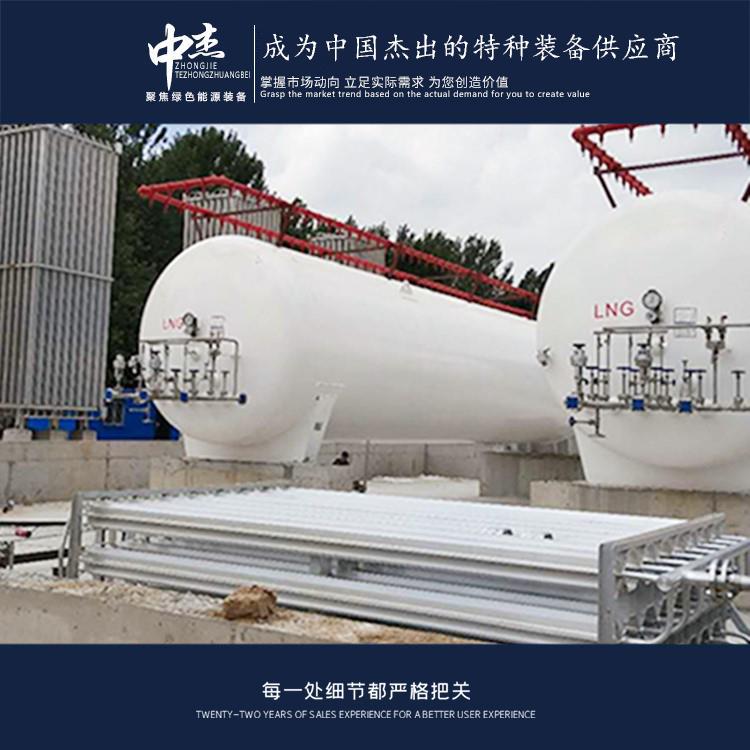

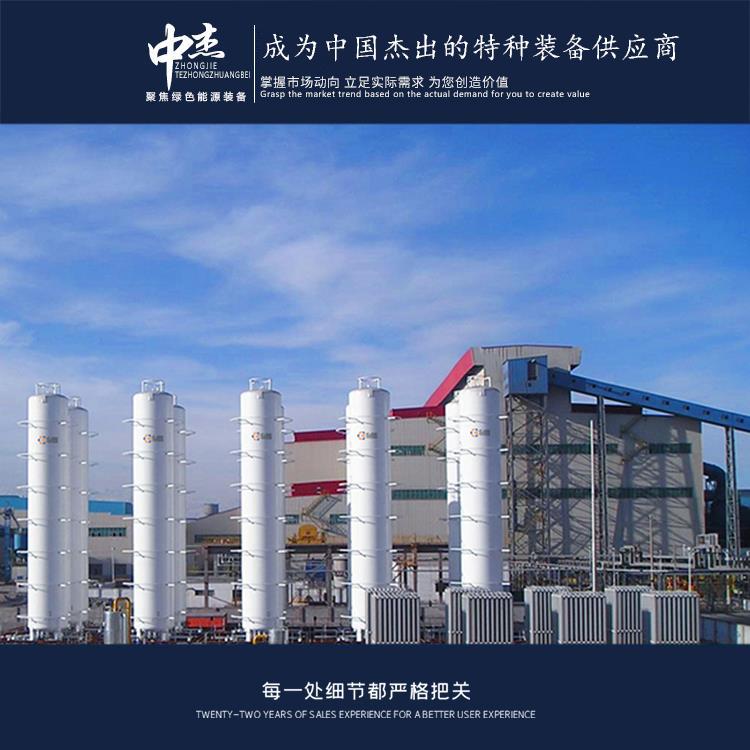
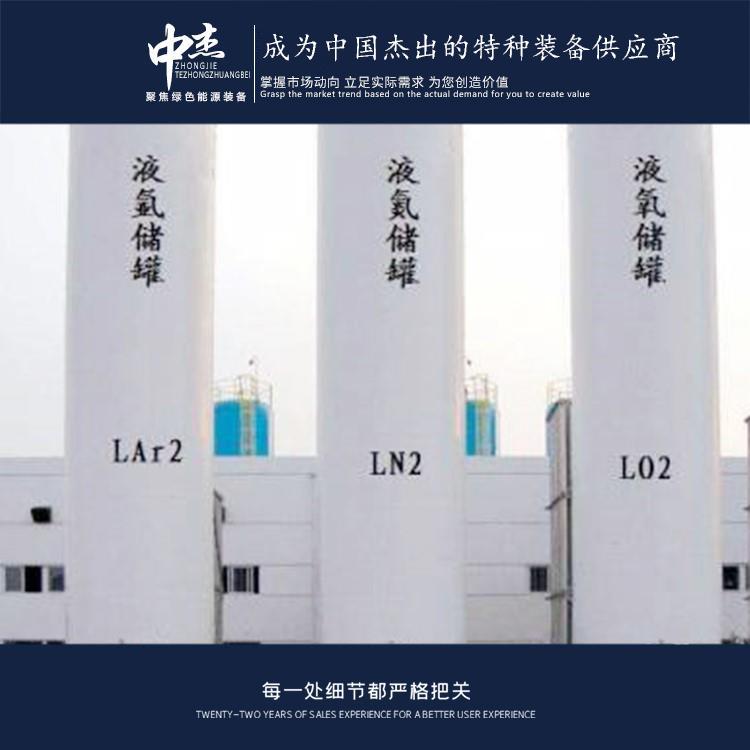


















Shandong Zhongjie Special Equipment (formerly Heze Boiler Factory Co., Ltd.) was established in 2001, located at No. 2218 Jinnan Road, Economic and Technological Development Zone, Heze City. With a registered capital of 50 million yuan and total assets of 500 million yuan, the company has 7 business centers: boilers, deep-freezing containers, pressure vessels, central air conditioning, engineering installation, international trade, and Internet of Things. It has three factory sites on Jinnan Road, East Changjiang Road, and Bohai Road, covering a total area of 200,000 square meters, with the main workshop spanning 83,000 square meters. It currently employs 710 people, including 247 engineers and technicians, and 82 intermediate-level technical personnel. In December 2016, it was recognized as a "High-tech Enterprise" by the Science and Technology Department. In June 2021, it was identified as a "Specialized and New Enterprise in Shandong Province" by the Ministry of Industry and Information Technology. In June 2022, it was recognized as a "Gazelle Enterprise in Shandong Province" and in August 2022, it was identified as a "Specialized and New Small Giant Enterprise" by the Ministry of Industry and Information Technology.
Liquid Oxygen Storage Tanks are specialized equipment that requires special attention to safety and understanding of its characteristics when in use. Below are the safety precautions and features of liquid oxygen storage tanks:
**Safety Precautions:**
- **Operation:** The operation of liquid oxygen storage tanks should be performed by trained and experienced personnel. Operators should be familiar with the tank's structure, performance, and operational procedures, and should operate strictly according to the operation manual and safety regulations.
- **Fire Prevention Measures:** Liquid oxygen is highly oxidizing and can easily cause fires and explosions. Open flames and hot objects should be prohibited around the liquid oxygen storage tank to prevent sparks and contact with the tank. Fire prevention facilities and fire extinguishing equipment should be established, and regular inspections and maintenance should be conducted.
- **Leakage Control:** In the event of a leakage in a liquid oxygen storage tank, immediate measures should be taken to control the leakage. Leaks can cause evaporation of liquid oxygen and an increase in oxygen concentration, which can increase the risk of fire and explosion. A leakage alarm system should be established, and leakage control devices and personal protective equipment should be provided.
- **Insulation Protection:** Liquid oxygen storage tanks should have good insulation protection to reduce evaporation of liquid oxygen and maintain low temperatures. The insulation layer should be inspected and maintained regularly to ensure its integrity and insulating properties.
- **Safety Distance:** A certain safety distance should be maintained around the liquid oxygen storage tank to prevent the spread of fires, explosions, and leaks. The specific requirements for safety distances should be assessed and determined according to local regulations and standards.
**Features:**
- **High Oxidizing Property:** Liquid oxygen has a high oxidizing property, which can support combustion and cause more intense burning. Therefore, special attention to fire and explosion prevention measures is required when using liquid oxygen storage tanks.
- **High-Pressure Storage:** Liquid oxygen storage tanks typically store high-pressure oxygen, with pressures usually around 2-5 bar. Therefore, when operating and maintaining liquid oxygen storage tanks, attention should be paid to pressure control and the safety of pressure relief devices.
- **Low-Temperature Storage:** The liquid oxygen in the storage tank is at a low temperature, usually around -183°C. Therefore, when contacting the liquid oxygen storage tank, appropriate protective measures should be taken.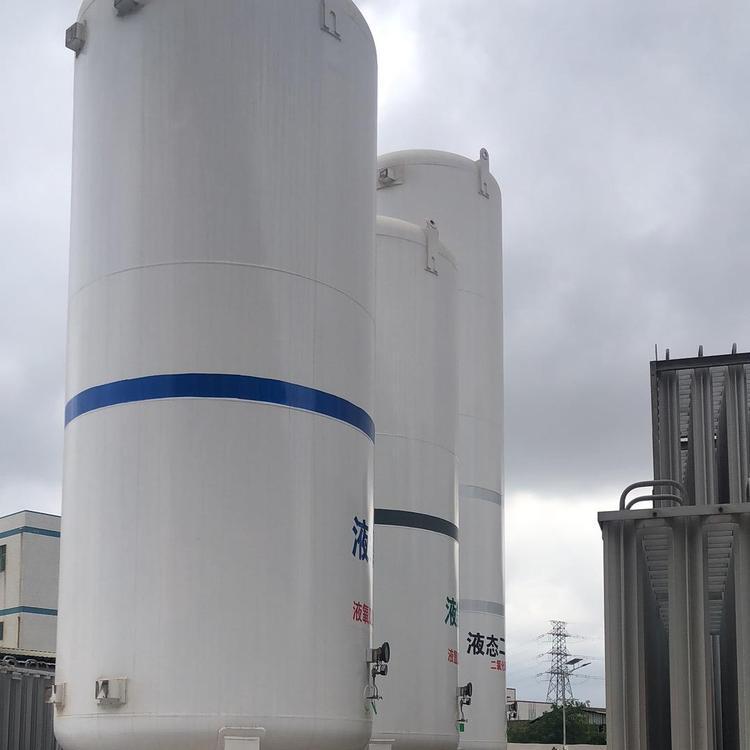
Determining the design pressure and calculated pressure of a liquid oxygen storage tank requires considering the following factors:
Design Pressure: The design pressure refers to the maximum pressure a tank can withstand under normal operating conditions. When determining the design pressure, factors such as the working pressure range of liquid oxygen, the material strength of the tank, and the safety factor must be considered. Generally, the design pressure should be slightly higher than the high working pressure of liquid oxygen to ensure the tank's safety and reliability within the normal operating range.
Calculated Pressure: The calculated pressure refers to the actual working pressure of the tank under its design pressure. It is determined by factors such as the characteristics of liquid oxygen, the geometric shape of the tank, and the material strength. The calculated pressure should consider the expansion coefficient of liquid oxygen, temperature changes, pressure fluctuations, and other factors to ensure the safety and stability of the tank under actual working conditions.
Determining the design pressure and calculation pressure of liquid oxygen storage tanks usually requires adherence to relevant standards and specifications, such as Standard GB150 "Steel Pressure Vessels" and GB18442 "Technical Conditions for Storage Tanks of Liquid Oxygen, Liquid Nitrogen, and Liquid Argon." These standards and specifications provide detailed design and calculation methods to ensure the safety and reliability of the tanks.
In practical application, the design pressure and calculated pressure of liquid oxygen storage tanks should be calculated and determined by the pressure vessel designer. They will consider factors such as specific engineering requirements, tank dimensions, and materials, among others, to ensure that the tank's design and use comply with relevant safety standards and regulations.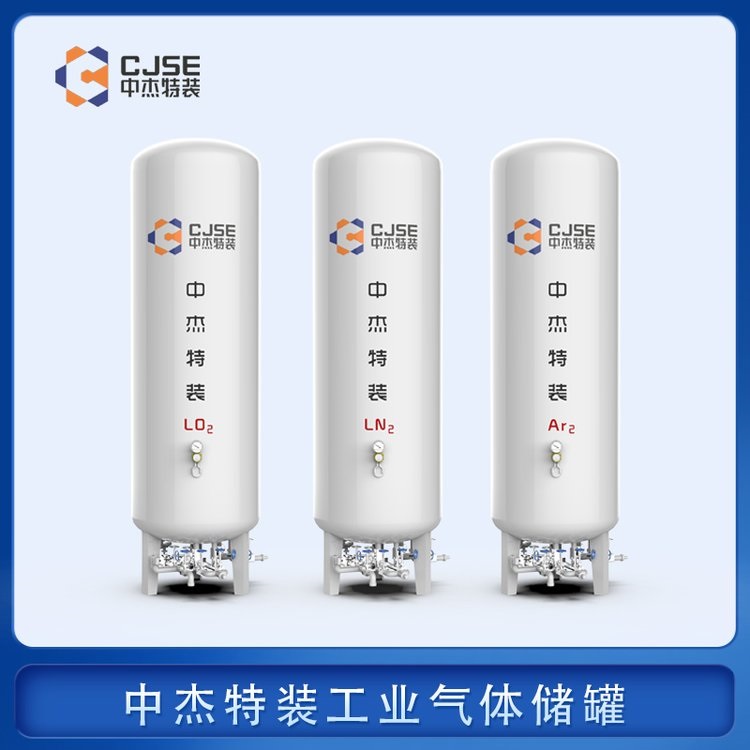
Carbon dioxide storage tanks and liquid oxygen storage tanks are containers used for storing different gases; they have some differences in their physical properties:
Physical State: Carbon dioxide is a gas at room temperature and pressure, and it must be cooled and pressurized to become a liquid. Liquid oxygen is a liquid at room temperature, and it must be cooled to become a solid.
Boiling and Freezing Points: The boiling point of carbon dioxide is -78.5 degrees Celsius, with a freezing point of -56.6 degrees Celsius. The boiling point of liquid oxygen is -183 degrees Celsius, and its freezing point is -218.8 degrees Celsius. The boiling and freezing points of liquid oxygen are significantly lower than those of carbon dioxide.
Density: Liquid oxygen has a high density, approximately 1.14 grams per cubic centimeter. Carbon dioxide has a lower density, around 0.00198 grams per cubic centimeter. The density of liquid oxygen is about 570 times that of carbon dioxide.
Pressure: Liquid oxygen has a higher pressure, typically ranging from tens to hundreds of MPa (megapascals). Carbon dioxide has a lower pressure, usually within a few MPa (megapascals).
Safety: Liquid oxygen contains a high concentration of oxygen, which is prone to cause fires and explosions. Carbon dioxide is also hazardous, potentially leading to asphyxiation at certain concentrations.
Note that carbon dioxide and liquid oxygen are both highly flammable and explosive substances. Strict adherence to relevant safety operation procedures and standards, along with necessary safety measures, is required for storage and use to ensure the tank's safety and stability.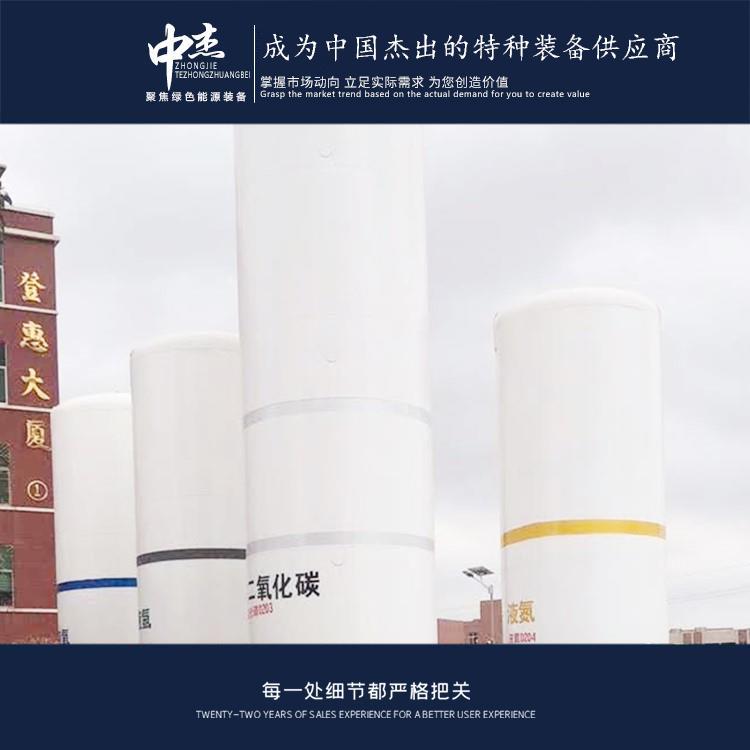
Liquid oxygen storage tanks are widely used in various industries, primarily in the following aspects:
Industry: Liquid Oxygen Tanks are widely used in fields, for storing and supplying liquid oxygen as fuel and oxidizer. Liquid Oxygen Tanks play a crucial role in engine, propulsion systems, and oxygen supply systems.
Chemical Industry: Liquid oxygen tanks are used in chemical processes for storing and supplying liquid oxygen, employed in oxidation reactions, combustion reactions, and oxygen supply, etc. Refineries, chemical plants, and manufacturers of chemical products are among those that may utilize liquid oxygen tanks.
Industry: Liquid Oxygen Tanks are used in the field for storing and supplying liquid oxygen, used in oxygen therapy, respiratory support, surgery, and more. Liquid Oxygen Tanks are widely used in clinics and care institutions, among other establishments.
Experimental Research: Liquid Oxygen Tanks are used in scientific research and laboratories to provide liquid oxygen as experimental material and fuel. Liquid Oxygen Tanks play a significant role in experimental research across various fields such as physics, chemistry, biology, and materials science.
Metalworking Industry: Liquid oxygen tanks are used in the metalworking and welding industries to provide high-purity oxygen for processes such as metal cutting, welding, and heat treatment.
Other Industries: Liquid Oxygen Storage Tanks are also utilized in various other sectors, such as the energy, environmental protection, and food industries, among others. They are employed in energy production, environmental management, and food processing fields.
It's important to note that the use of liquid oxygen tanks must strictly adhere to relevant safety regulations and operating guidelines to ensure safe operation and usage of the tanks.
ZJ Special Equipment adheres to the great vision of "realizing employees' dreams, creating value for customers, and striving for the prosperity and strength of our motherland," wholeheartedly devoting itself to the development of green energy equipment. We offer the society products and services with high cost-performance!
WeChat Official Account

Scan to follow Official Account



















